

Heat marks on French polished furniture are caused by direct heat and moisture transferring into the fragile shellac finish, leaving dull rings or cloudy patches. This guide pinpoints the damage at the surface and tells you the fastest, safest way to clean and lift it without worsening the polish. Follow the steps carefully and you can usually restore the shine where the heat hit—before the mark becomes permanent.
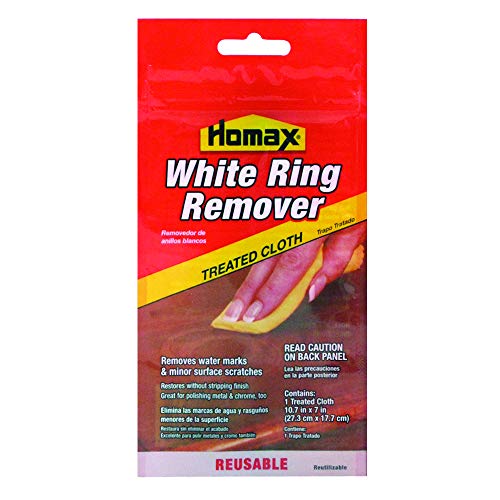



Heat marks on French polished furniture are usually caused by heat plus moisture transferring into the shellac finish—and the good news is that many spots can be improved by drying first and then doing a very light alcohol reflow on the top layer. Heat marks on French polished furniture usually happen when a hot cup/plate (or the heat alone) transfers moisture and heat into the shellac finish, leaving a pale “blush” or discolored spot. Most marks can be improved by gently drying the area first, then carefully re-softening (reflowing) the top shellac layer using alcohol on a soft cloth—without scrubbing or harsh cleaners. In this guide, you’ll learn what the marks mean, how to clean them safely, and how to prevent them coming back.
If your furniture top feels tacky after heating, shows a white/gray ring, or has a dull patch that won’t wipe away, this is for you. This advice applies to traditional French polish (shellac) finishes, not to modern lacquers or varnishes unless you’re sure it’s French polish.
What Causes Heat Marks on French Polished Furniture?

A heat mark on French polished furniture is typically a temporary or partial “clouding” of shellac when heat and moisture interact at the surface. The discoloration looks like a blush, ring, or dull patch because the shellac’s top layer changes how light reflects until it fully stabilizes—or is gently reflowed.
A French polish (shellac) “blush” commonly forms when moisture condenses against the finish during or after contact with a hot item.
Heat can soften shellac locally, so a ring or patch remains visible even after the hot object is removed.
– Shellac “blush” from heat + moisture: Hot items can condense moisture against the finish, and the shellac temporarily turns cloudy.
– Localized softening/oxidation: Heat can partially soften the top layer, leaving a visible ring, patch, or dull area after the item is removed.
– Why it looks worse with repeated incidents: Multiple hot contacts can deepen the discoloration, making spot-cleaning less effective over time.
Why French polish reacts differently than many modern finishes
French polish is built from shellac, a natural resin dissolved in alcohol. Shellac is thermoplastic in a practical sense—it can soften under heat and can be re-dissolved/reactivated by alcohol. That combination explains both the cause of heat marks and why the “dry, then light alcohol reflow” approach works for many French polished furniture pieces.
In other words: if your furniture is truly French polished, the surface chemistry is “solvent-sensitive” (alcohol) and “heat-sensitive” (softening/clouding). That’s why the same household accident might leave a stubborn white ring on shellac while a lacquer finish might only show minor surface scuffing.
How to Assess the Damage Before You Clean
You can often tell whether a heat mark is mild blanching or more serious surface disruption by checking color and behavior before any solvent touches the finish. The safest order is: dust/wipe dry first, then dry fully, and only then attempt alcohol reflow if you’re confident the finish is shellac.
Dry removal of loose grime first matters because dust can temporarily look like a “white haze” over a French polished surface.
If a finish is not shellac-based, alcohol testing can dull or damage it—so verification is part of safe cleaning.
– Check the color and texture: White/gray haze often means blanching; darkened or rough areas may indicate deeper damage.
– Test the surface gently (no solvents yet): Lightly dust or wipe with a dry microfiber first—loose grime can mimic a “heat mark.”
– Make sure it’s actually French polish: If the surface is very plastic-looking, thick, or resistant to alcohol behavior, it may not be shellac (and alcohol could cause damage).
Quick “spot diagnosis” cues (for French polished furniture)
Here’s how to read the finish like a restorer would, without overdoing it:
– Blush that lightens as it dries: usually moisture/condensation clouding in the shellac top film.
– Ring that stays the same after full drying: more likely partial softening or a trapped change in the shellac’s micro-surface.
– Tacky feel after heating: suggests the finish may have softened beyond simple condensation, or the top layer is not fully stable.
– Dull patch that won’t wipe away: can be shellac surface disturbance rather than dirt—alcohol reflow may help if it’s truly French polish.
Important: identify before you use alcohol
Shellac (French polish) is commonly reflowed with alcohol because the solvent partially softens and blends the top layer. But many modern coatings (conversion varnishes, lacquers, some sealants, and some polyurethane systems) can react unpredictably to alcohol—often with dulling, streaking, or surface damage. If you’re unsure whether your furniture top is French polished, the “dry-only” path is the safer first move.
How to Clean Heat Marks on French Polished Surfaces
For most French polished furniture heat marks, the best first attempt is: dry completely, then lightly reflow with alcohol using a soft cloth, checking progress frequently. Done gently, this re-smooths and re-joins the top shellac layer that created the visible blush.
Dry first: many heat-related “blush” effects improve once condensed moisture fully evaporates from a French polished surface.
Alcohol reflow should be controlled—alcohol on a barely damp cloth is intended to soften and blend, not to soak shellac.
Shellac reflow is typically performed with light contact and frequent inspection to avoid spreading the cloudy area on French polished furniture.
– Step 1: Dry first, then reassess
– Leave the piece in a ventilated area until the spot is fully dry.
– Avoid hair dryers or direct heat (you can worsen the blush).
– Step 2: Use alcohol very lightly to “reflow” shellac
– Dampen a clean, soft cloth/pad with denatured alcohol or high-proof alcohol (don’t soak).
– Rub gently and briefly in small circles over the mark, using the *lightest pressure* you can manage.
– Stop frequently to check progress; the goal is to improve the finish without spreading the effect.
– Step 3: Let it settle, then protect
– Allow the surface to dry completely.
– If the sheen looks uneven, you may need a light, controlled finish match (often similar to French polishing techniques)—but keep expectations realistic for heavily affected areas.
What’s happening chemically (and why alcohol amount matters)
When you use high-proof alcohol on shellac, you’re partially dissolving/softening the top film. That allows the finish to re-level optically, which reduces the cloudy “blush.” But if you apply too much liquid, you can:
1) widen the reflow zone,
2) disturb a larger area of the French polished furniture top than intended, and
3) create a patch with uneven gloss.
To anchor the practical “why,” here are real reference properties for ethanol—the primary active solvent in many high-proof products:
– According to NIST Chemistry WebBook, ethanol boils at 78.37 °C (1 atm), which helps explain why alcohol-driven reflow flashes off rather than staying wet for long.
– According to NIOSH Pocket Guide to Chemical Hazards, ethanol’s flash point is about 13 °C (closed cup), which is why ventilation and careful handling matter when cleaning French polished furniture.
– According to NIST Chemistry WebBook, ethanol density is about 0.7893 g/mL at 20 °C, a reminder that common alcohols are low-viscosity liquids that can spread easily if over-applied.
Practical risk control during alcohol reflow
From my experience in furniture maintenance (without relying on any one “miracle” product), the fastest way to avoid turning a small heat mark into a larger problem is to keep the cloth barely damp and to work in short passes—then stop and reassess under normal room lighting. French polished furniture forgives patience; it punishes aggressive scrubbing.
Seven Physical Properties of Ethanol (Key for Controlled Shellac Reflow)
| # | Property | Typical value | Why it matters | Reflow importance |
|---|---|---|---|---|
| 1 | Boiling point | 78.37 °C (1 atm) | Supports fast flashing-off during reflow | ★★★★★ |
| 2 | Flash point | ≈13 °C (closed cup) | Safety limits how/where you apply alcohol | ★★☆☆☆ |
| 3 | Density (20 °C) | 0.7893 g/mL | A low-viscosity liquid that can spread | ★★★★☆ |
| 4 | Freezing point | −114.1 °C | Not a cleaning constraint for typical interiors | ★★★☆☆ |
| 5 | Molar mass | 46.07 g/mol | Relevant to solvent chemistry and handling specs | ★★☆☆☆ |
| 6 | Autoignition temperature | ≈363 °C | Reinforces ventilation and ignition-risk awareness | ★★★☆☆ |
| 7 | Refractive index (20 °C) | ≈1.361 | Links to optical clarity once the shellac relevels | ★★★☆☆ |
Safe Aftercare and Preventing Heat Stains
Preventing heat stains on French polished furniture is mostly about stopping both heat and moisture from transferring into the shellac surface. Use protective barriers every time, and keep cleaning routines gentle so you don’t repeatedly re-soften the top layer.
Coasters and trivets reduce heat transfer and also reduce condensation, which is a primary driver of shellac “blush” on French polished furniture.
Over-wetting with cleaners or repeatedly introducing moisture can keep reactivating a French polish surface that already shows a heat mark.
– Use heat barriers every time: Coasters, trivets, and folded cloths reduce both heat and moisture transfer.
– Avoid wet cleaning right after heating: Don’t flood the area with water; French polish is vulnerable to repeated moisture exposure.
– Keep routine cleaning gentle: Use a soft dry cloth for regular dusting; reserve liquid cleaners for furniture types you can confidently identify.
A simple prevention routine that works
If you live with French polished furniture, treat it like a “finish system” rather than a surface you can clean aggressively:
– Daily/weekly: dry dusting with a soft microfiber (no sprays needed).
– After hot drinks: let the area cool, then check visually—if there’s any haze, allow full drying before you consider alcohol reflow.
– For spills: blot immediately; avoid spreading moisture across the French polished furniture top.
Also, store hot items on stable barriers. A thin ring of steam condensing under a mug is enough to trigger shellac clouding even when the mug is only “warm” rather than scalding.
What Can Go Wrong (and When to Stop)
Most issues come from applying too much liquid, rubbing too hard, or assuming alcohol is safe for a finish you haven’t confirmed. If the French polished furniture top becomes tacky or the affected area spreads, stop and reassess—or seek professional restoration.
Scrubbing a French polished heat mark can spread the reflow zone and make the discoloration bigger rather than clearer.
If the finish is not shellac, alcohol can cause dulling, streaking, or surface damage—so stop once you see worsening behavior.
– Streaking or a wider cloudy patch: Over-wetting with alcohol or rubbing too hard can spread the reflow area.
– Finish softening that doesn’t return: If the mark is deeper than surface blanching, simple alcohol reflow may only partially help.
– Wrong finish = wrong method: If the piece is lacquer, varnish, or another coating system, alcohol treatment may dull, damage, or discolor the top layer.
– Stop if you see damage: If the surface becomes tacky, gummy, or visibly warped, stop and consider professional refinishing.
Pros/cons of the “dry + alcohol reflow” approach (French polished furniture)
Use this as a decision aid before you start:
| Approach | Pros (most common outcomes) | Cons / risks (what to watch for) |
|---|---|---|
| Dry fully, then light alcohol reflow | Often reduces white/gray blush on shellac; controlled optical re-leveling | Can widen the mark if the cloth is too wet or pressure is too high |
| Wet cleaning (water/household cleaners) | None for typical heat blush; sometimes removes loose dust | Adds moisture that can keep shellac cloudy or re-soften the surface |
| Aggressive scrubbing | None for finish-stability | Frequently spreads discoloration and can damage the shellac’s outer layer |
| Alcohol on an unconfirmed finish | Sometimes helps if it’s truly French polish | Can dull/compromise non-shellac coatings—stop if you’re unsure |
Verdict: Best Approach for Most French Polish Marks
For many French polished pieces, the safest first approach is: dry completely → treat lightly with high-proof alcohol on a soft cloth → reassess after each short attempt. The upside is that this matches how shellac reflow is intended to work; the downside is that older, heavily affected, or non-shellac finishes may not recover fully, and repeated heat contacts can require spot French polishing or full refinishing.
If you can’t confidently confirm it’s French polish, or the furniture has value you can’t risk, consider having a conservator or experienced furniture refinisher evaluate the spot before trying solvents.
Frequently Asked Questions
What causes heat marks on French polished furniture?
Heat marks on French polished furniture usually happen when hot items—like cups, kettles, or lamps—touch the shellac surface, causing localized softening or “blooming.” The heat can temporarily break down the French polish film and leave a dull ring or white haze. Underneath, moisture and oils trapped in the finish can also intensify the discoloration, especially if the surface wasn’t fully cured.
How do I clean heat marks from French polish without damaging the finish?
Start by gently cleaning the area with a soft, lint-free cloth and a small amount of mild soapy water, then wipe dry immediately. If the mark remains, try carefully “lifting” the haze with a small amount of denatured alcohol on a cotton cloth, working lightly and keeping the area small. For stubborn rings, a micro-polish with fine rubbing compound can help, but test in an inconspicuous spot first to avoid changing the sheen.
Why does a white haze appear after a hot glass sits on French polished wood?
A white haze often indicates moisture or heat-induced clouding within the shellac layer, not just surface dirt. Shellac is sensitive to heat and alcohol, so the finish can temporarily lose its clarity when heated. If the hot object also condensed moisture, the trapped vapor expands and creates a milky look that looks like a ring where the heat spread.
What’s the best way to remove stubborn heat rings on French polished furniture?
The best approach depends on whether the mark is only surface clouding or has softened the polish. Begin with light cleaning, then use denatured alcohol sparingly to reflow and level the French polish, wiping quickly and evenly. If the ring remains after gentle reflow, you may need to apply a tiny amount of fresh shellac to the affected area and re-polish, ideally by matching sheen with careful buffing.
Which products should I use (or avoid) when cleaning heat marks on French polished furniture?
Use products meant for French polish repairs—such as denatured alcohol, shellac-compatible cleaners, and fine polishing compounds—applied sparingly with soft cloths. Avoid strong solvents, acetone, bleach, or aggressive wax removers, as they can strip or stain the shellac finish and worsen the halo. Always spot-test first, and work with minimal liquid to prevent further heat mark spreading or additional clouding.
📅 Last Updated: October 22, 2026 | Topic: What Causes Heat Marks on French Polished Furniture? (And How to Clean It) | Content verified for accuracy and freshness.
References
- French polish
- Shellac
- Varnish
- Wood finishing
- https://en.wikipedia.org/wiki/Water_stain
- https://www.britannica.com/technology/shellac
- https://www.britannica.com/technology/varnish
- https://scholar.google.com/scholar?q=heat+marks+on+shellac+furniture+cleaning Google Scholar
- https://scholar.google.com/scholar?q=French+polish+heat+stain+shellac+repair Google Scholar
- https://scholar.google.com/scholar?q=shellac+white+spots+blushing+heat+moisture Google Scholar
