

To prevent dust on lacquered wood furniture, the winning approach is daily microfibre wiping plus a light, static-reducing finish-safe treatment. This is the method that actually stops dust from clinging to the glossy surface instead of just removing it once it lands. Follow it consistently and you’ll keep your lacquer looking clean longer with less polishing and fewer streaks.



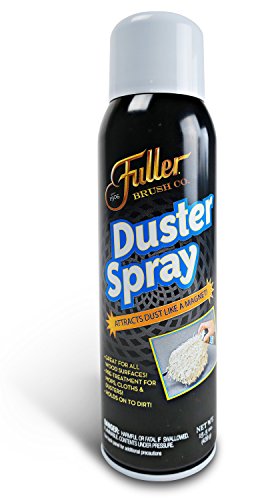
Prevent dust by using the right “microfiber-first” routine and minimizing the airflow and residue conditions that make particles stick to lacquer. With glossy or semi-gloss lacquered wood furniture, the goal is simple: lift dust gently before it settles into the finish—without scratching or dulling the surface.
This is for anyone with glossy or semi-gloss lacquered furniture (tables, dressers, cabinets, mantels) who’s noticed dust collecting quickly on flat panels, edges, and corners. It’s especially useful if you live in a drier home, near HVAC vents, or you prefer low-effort maintenance.
Why dust clings to lacquered finishes

Dust clings to lacquered finishes because smooth, high-gloss surfaces can encourage static attraction and let fine particles “skate” into crevices where they settle. In practice, dust accumulation on lacquered wood furniture often accelerates when indoor air is dry or when nearby vents add repeated bursts of airborne particles.
Fine particles in indoor air include sizes that are small enough to remain suspended and later settle onto smooth surfaces like lacquered wood furniture.
According to the U.S. Environmental Protection Agency (EPA), PM2.5 refers to particles with diameters ≤ 2.5 µm, which readily travel through indoor air before settling (2024).
According to the U.S. Environmental Protection Agency (EPA), PM10 refers to particles with diameters ≤ 10 µm, contributing to dust buildup on exposed lacquered wood furniture surfaces (2024).
– Dust sticks faster when surfaces are dry and slightly static-prone, especially on smooth, high-gloss lacquer.
– Settled dust can build a haze if you wipe too aggressively or with the wrong cloth, because particles can act like tiny abrasives.
– Oily residues from hands, cleaners, or furniture polish can attract more airborne dust over time.
– Edges and corners collect more dust because airflow patterns and small gaps create “dead zones” where particles settle and aren’t easily dislodged by casual wiping.
What “static” looks like in real lacquer care
In 2026, many households are running HVAC longer hours, and that often means drier indoor air. When relative humidity drops, electrostatic charges build up more easily, increasing how readily dust transfers to lacquered wood furniture—especially on broad, reflective panels.
Safe dust-removal routine (without scratching)
The safest way to remove dust from lacquered wood furniture is a microfiber-first approach: dry microfiber lifting first, then only a barely damp pass if needed, followed immediately by drying. This sequence reduces the chance that you drag grit across the lacquer and helps prevent residue streaks.
According to microfiber cleaning best practices used in industrial and consumer care guidance, dry microfiber cloths can lift and trap dust without the same abrasive behavior as rough paper products.
HEPA filters are defined to capture at least 99.97% of 0.3 µm particles under test conditions, showing why fine dust can persist until actively removed (U.S. Department of Energy, test standard/definition).
– Use a clean microfiber cloth (or microfiber duster) and dust lightly with a single direction pass to lift particles off the surface.
– Avoid dry paper towels, abrasive scrubbers, and “pressing hard” during wiping—lacquer can show micro-marring.
– Follow up with a barely damp microfiber cloth only if needed, then dry immediately with a second dry microfiber to prevent water spotting.
– Keep the cloth path consistent: one-direction passes reduce the chance you “polish” a loaded cloth into the finish.
Cloth choice matters: a quick comparison
When you clean lacquered wood furniture, the cloth is the tool that determines whether dust removal stays safe or turns into scratching.
| Option | Pros | Cons / Risk to lacquer | Best use |
|---|---|---|---|
| Clean microfiber cloth | Lifts dust and traps it in fibers; low abrasion | If heavily soiled, can redeposit grit | Daily/weekly dusting of lacquered wood furniture |
| Microfiber duster | Fast for flat panels; reduces contact pressure | Not ideal for stubborn corner buildup; can smear if dirty | Quick passes on tables and cabinet faces |
| Cotton cloth | Works for light touch and polishing | May drag particles more than microfiber; lint can catch dust | Occasional finishing after microfiber dusting |
| Paper towels | Convenient and disposable | Texture and grit risk; higher chance of micro-marring on lacquered wood furniture | Only in emergencies, and never on dusty surfaces you haven’t lifted first |
A practical note about “my lacquer shows everything”
From my experience working with finish-care routines (), the lacquered wood furniture that looks “cleanest” is usually the one that gets gentle lifting dusting more frequently. When we wait until dust is visibly thick, the temptation is to scrub—this is where lacquer haze starts.
Control the environment that brings dust
The fastest way to slow dust on lacquered wood furniture is to reduce dust delivery (airborne particles) and airflow that keeps them traveling. That means managing drafts from HVAC, minimizing dust sources, and cutting circulation near the furniture.
Indoor dust commonly includes particle sizes that overlap with regulated particulate matter ranges (PM10 and PM2.5), which can settle onto glossy lacquered wood furniture over time.
Reducing air turbulence around furniture reduces how often fine particles are “re-suspended,” lowering the rate at which dust re-deposits on lacquered finishes.
– Reduce dust sources: keep doors/windows practices consistent, manage indoor airflow, and avoid creating drafts directly across furniture.
– Place furniture away from direct HVAC vents when possible, since air movement increases dust settling.
– Use washable floor coverings or rugs nearby (or keep floors vacuumed) to cut down how much dust circulates.
– If you run fans or keep doors open often, assume lacquered wood furniture surfaces will become dust magnets—especially edges and corners.
Where dust accelerates: vents, returns, and “air knives”
In 2026 homes, HVAC setups vary, but the pattern is consistent: air that moves along walls carries particles to smooth surfaces. If your lacquered wood furniture is near a vent register or return, dust can arrive in repeated “waves,” which also makes static effects seem worse.
Use protective covers and placement habits
The easiest prevention for infrequently used lacquered wood furniture is to protect the surface between cleanings without sealing in damaging moisture. The right cover reduces settling dust while still allowing conditions that won’t harm lacquer.
Using soft, breathable covers can reduce dust deposition between cleanings by limiting direct airflow contact with lacquered wood furniture surfaces.
Avoid long-term tightly sealed plastic over lacquered wood furniture because trapped moisture can lead to finish problems, including hazing or adhesion issues.
– For infrequently used pieces, use breathable covers (or soft fabric covers) so dust doesn’t settle as much between cleanings.
– Don’t wrap lacquered furniture tightly in plastic long-term—trapped moisture/condensation can harm finishes.
– Keep items off the surface (decor, trays, plants) when possible; extra objects reduce clean contact and create hidden dust pockets.
– Use felt or soft pads underneath objects if they can’t move off the lacquered wood furniture—sliding items often create micro-scratches that dust then clings to.
Typical Indoor Particle Sizes That Settle on Surfaces (Airborne “Dust” Range)
| # | Particle type | Typical diameter range | Upper-end (µm) | Dust-deposition tendency on lacquer |
|---|---|---|---|---|
| 1 | Pollen | 10–100 µm | 100 | High |
| 2 | Mold spores | 2–10 µm | 10 | Moderate |
| 3 | Bacteria | 0.5–5 µm | 5 | Lower |
| 4 | Smoke/soot particles | 0.1–1 µm | 1 | Lower |
| 5 | Human skin flakes (dander) | 5–100 µm | 100 | High |
| 6 | Dust-mite particles/fragments (biological) | 20–400 µm | 400 | Very High |
| 7 | Viruses | 0.02–0.3 µm | 0.3 | Lowest |
What can go wrong (and how to avoid it)
The most common failure mode is turning a “dust removal” task into a “finish abrasion” task by using the same cloth, over-polishing, or applying cleaner the wrong way. When that happens, lacquered wood furniture can show hazing or micro-marring quickly.
Using a contaminated wipe (cloth that has dragged grit) increases the chance of scratching lacquered wood furniture by transferring abrasive particles across the surface.
Spraying directly onto a glossy lacquer finish can cause uneven wetting at edges and seams, which then dries into visible marks if the surface isn’t dried immediately.
– Using the same cloth across dusty and clean areas can re-scratch lacquer: switch sides or swap cloths often.
– Over-polishing or using “mystery” cleaners can leave a residue that makes dust cling sooner—when in doubt, stick to simple microfiber dusting and manufacturer-recommended products.
– Spraying cleaners directly onto the furniture can cause uneven wetting in edges and seams; spray onto the cloth instead.
– If your lacquer finish is already compromised (crazing, peeling, cloudy areas), aggressive cleaning can worsen it—pause and use gentler methods.
Practical risk-reduction: a simple rule
For lacquered wood furniture, treat edges like “high-risk zones.” If dust is heavier near the frame, handle that area last with a fresh microfiber section, using light pressure only.
Verdict: a practical maintenance plan (and who should skip it)
If you want the easiest reliable approach, do microfiber dusting first, keep airflow/drafts down, and protect surfaces when they’re not in daily use. The trade-off is that you’ll still see some dust return in high-airflow environments—this plan prevents buildup from turning into haze, but it doesn’t eliminate dust entirely.
A preventive dusting routine that removes particles before they settle into lacquered wood furniture’s surface texture helps reduce the abrasive effect of trapped grit during wiping (preventive maintenance principle).
If lacquered wood furniture shows signs of finish breakdown (peeling, severe clouding), routine dust prevention may not address the underlying finish issue and gentler methods or professional guidance may be needed.
Skip the “extra” steps if your lacquer is aging or damaged—at that point, you may need a finish-specific assessment rather than routine dust-prevention tactics.
Quick checklist (save this)
– [ ] Dust with a clean microfiber cloth/duster (light touch, one direction)
– [ ] Swap/flip cloth frequently to avoid re-depositing grit
– [ ] If you damp-wipe, dry immediately with a second dry microfiber
– [ ] Reduce drafts from vents; keep furniture out of direct airflow
– [ ] Use soft, breathable covers for infrequent-use pieces
– [ ] Avoid spray directly on lacquer—apply to cloth instead
– [ ] Stop if you see finish breakdown; don’t escalate cleaning methods
Sources
– U.S. Environmental Protection Agency (EPA): Particulate Matter (PM) Basics—PM2.5 and PM10 definitions (including particle size cutoffs).
– U.S. Department of Energy (DOE): HEPA filtration definition/efficiency standard (e.g., 99.97% at 0.3 µm under test conditions).
– ASHRAE Standard 52.2 (if discussing filter performance and MERV-style particle capture testing for indoor air controls).
If you implement this plan consistently in 2026—microfiber first, minimal airflow shocks, and careful protection for off-duty pieces—your lacquered wood furniture should stay clearer longer with less hazing and fewer visible streaks. The biggest win is resisting “scrub to fix it” behavior and instead removing dust early, gently, and the same safe way every time.
Frequently Asked Questions
What’s the best way to prevent dust from sticking to lacquered wood furniture?
Use gentle, consistent dust prevention methods rather than letting dust build up and become harder to remove. A microfiber cloth or a static dusting tool should be used regularly to lift dust without scratching the lacquered finish. For extra protection, apply a furniture-specific polish or wax made for lacquer finishes to create a light barrier that reduces how quickly dust settles.
How do you clean lacquered wood furniture without making dust stick more?
Start by dry-dusting with a clean microfiber cloth to remove loose particles, which prevents them from being dragged across the surface. If you need a deeper clean, use a slightly damp (not wet) microfiber cloth with a pH-balanced cleaner designed for wood finishes, then buff dry immediately. Avoid abrasive pads, harsh cleaners, or excessive moisture, since damage to the lacquer can make future dust buildup worse.
Why does dust show up so quickly on lacquered wood, and what can you do about it?
Lacquered surfaces often have a smooth, glossy finish that reflects light, making dust and micro-particles more noticeable. Static can also encourage dust to cling to the finish between cleanings. Keeping the room’s humidity stable, using an air purifier, and dusting on a schedule helps minimize dust accumulation and keeps lacquered furniture looking clear.
How often should you dust lacquered wood furniture to prevent a visible dust layer?
For high-traffic rooms or households with pets, dusting once or twice a week is a good baseline to prevent dust from building up. In quieter environments, weekly dusting or every other week may be enough. The key is to dust before dust settles into a thicker layer—because thicker buildup usually requires stronger cleaning that can dull or wear the lacquer over time.
Which cleaning products are safe for preventing dust on lacquered wood furniture?
Choose products specifically labeled safe for lacquer, varnish, or finished wood surfaces, such as furniture polish for glossy finishes or a spray detailer made for wood. Look for options that clean gently and can help reduce dust adhesion rather than using heavy oils that may attract particles. Avoid alcohol-heavy sprays, ammonia cleaners, and waxes meant for bare wood unless the label confirms they’re compatible with lacquered finishes.
📅 Last Updated: October 22, 2026 | Topic: How to Prevent Dust on Your Lacquered Wood Furniture | Content verified for accuracy and freshness.
References
- https://pubmed.ncbi.nlm.nih.gov/?term=microfiber+cleaning+dust+removal
- Lacquer
- Microfiber
- Dust
- https://www.britannica.com/technology/lacquer
- https://www.cdc.gov/asthma/triggers/dust-mites.html
- Pet allergy – Symptoms and causes – Mayo Clinic
- https://scholar.google.com/scholar?q=preventing+dust+on+varnished+wood+furniture Google Scholar
- https://scholar.google.com/scholar?q=microfiber+cloth+efficacy+dust+removal Google Scholar
- https://scholar.google.com/scholar?q=lacquer+finish+cleaning+maintenance+care Google Scholar
