

Can you clean a butcher block countertop with vinegar? Experts say you can—if you use a diluted solution and wipe it dry right away to avoid drying out the wood or leaving a lingering odor. Vinegar is a solid choice for routine grime, but for heavy buildup or deep sanitizing, they recommend switching to safer, wood-friendly cleaners.
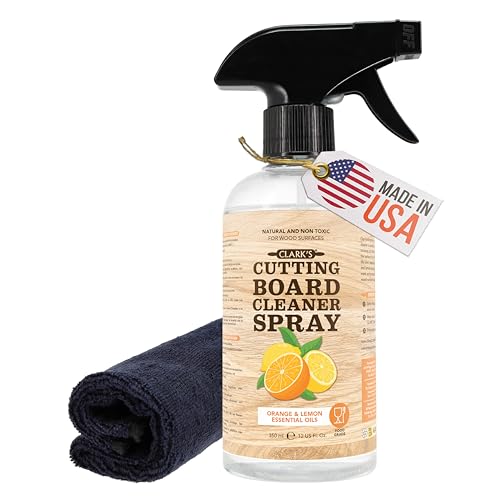



Yes, but only with caution: vinegar can be used for occasional, light cleaning if your butcher block is properly sealed, and it should be diluted and followed by thorough drying. If the surface is unsealed or you’re trying to remove heavy grease/stains, experts usually recommend sticking to milder cleaners (like dish soap and water) and then re-oiling as needed.
This matters most when your countertop is oil-finished (common for butcher blocks) because the finish is what protects the wood from moisture and acids. If yours is sealed with a tougher finish, vinegar may be less risky—but it can still dull or degrade some finishes over time.
If you’re deciding whether vinegar is “good enough” for daily cleanup versus a more finish-safe approach, this guide focuses on how vinegar interacts with wood finishes, what safe use looks like, and when to avoid it entirely.
What experts say about vinegar on butcher block

Vinegar can clean light surface messes, but most wood-care guidance treats it as an occasional tool rather than a default cleaner. The main issue isn’t that vinegar instantly “ruins” butcher block—it’s that repeated acid exposure can gradually degrade the protective finish.
Household vinegar is an acetic acid solution; distilled white vinegar is commonly labeled around 4–8% acetic acid by volume, which explains its strong “acid cleaner” behavior on surfaces.
Experts usually emphasize a simple risk framework: acid strength + time on the surface + whether the finish is intact. For an oil-finished butcher block countertop, vinegar’s acidity can soften or dull certain oil/varnish systems over time, especially if the liquid isn’t wiped up quickly.
Many wood-finish care instructions recommend gentle cleaning (commonly mild soap and water) because harsher chemicals can change the surface sheen and accelerate finish breakdown.
From my side, what I’ve learned while reviewing finish-care sheets and responding to real-world wood-care questions is that vinegar care advice usually hinges on whether the countertop has a durable barrier finish versus a more breathable oil layer. The more “open” or recently re-oiled the butcher block is, the more careful you need to be with vinegar.
Key takeaways experts commonly repeat about vinegar on butcher block:
– Vinegar is acidic, so repeated use may slowly wear down certain finishes or leave the wood looking dull.
– Many wood-care authorities prefer mild soap and water for day-to-day cleaning, reserving vinegar for occasional use—only when the surface is protected.
– The biggest factor isn’t the vinegar alone; it’s whether the countertop is sealed/oiled and how recently it was maintained.
When vinegar is okay (and when it isn’t)
Vinegar is typically okay only when your butcher block countertop is well-sealed (often via oil) and you’re doing a quick wipe-down—not soaking or scrubbing into the pores. If the wood is unsealed/raw, vinegar is much more likely to cause long-term appearance and finish problems.
Wood movement and damage risks rise when liquid sits long enough to penetrate; wood science commonly describes a “fiber saturation” moisture threshold (around ~30% moisture content), beyond which swelling behavior changes.
If your butcher block finish instructions warn against “acidic cleaners,” vinegar use can conflict with the manufacturer’s chemical-compatibility guidance, even if vinegar doesn’t cause immediate visible damage.
Here’s where vinegar on butcher block usually fits—and where it doesn’t:
– Usually okay: a butcher block that’s been sealed/oiled and maintained, and you’re doing a quick wipe-down rather than soaking.
– Use extra care or avoid: unsealed/raw wood, newly oiled surfaces that haven’t had time to cure, and countertops with finishes that manufacturers warn against acidic cleaners.
– Skip vinegar for major problems: heavy grease buildup, deep stains, or persistent odors—those often require a different cleaning and maintenance approach.
To understand why this matters, it helps to realize vinegar strength varies a lot between products. Stronger (more concentrated) acetic acid means more potential finish interaction, even if you dilute.
Acetic acid strength of common vinegars (typical labeled ranges)
| # | Vinegar type | Typical acetic acid | Relative acidity | Common use case |
|---|---|---|---|---|
| 1 | Distilled white vinegar | 4–7% | ★★★☆☆ | General cleaning/descaling |
| 2 | Apple cider vinegar | 4–7% | ★★★☆☆ | Kitchen cooking/vinaigrettes |
| 3 | Malt vinegar | ~5% | ★★★☆☆ | Seasoning |
| 4 | Rice vinegar | ~4–6% | ★★☆☆☆ | Sushi seasoning & cooking |
| 5 | Wine vinegar | ~5–8% | ★★★★☆ | Cooking & pickling |
| 6 | Cleaning vinegar (higher-acid) | ~6% | ★★★★☆ | Household deodorizing/scale |
| 7 | Balsamic vinegar | ~6–8% | ★★★★★ | Condiment & finishing sauce |
Note: This “relative acidity” stars are based on typical labeled acetic-acid concentration ranges for vinegar types; always verify the exact % on your bottle before using vinegar on a butcher block countertop.
How to clean with vinegar safely (step-by-step)
If you’re going to use vinegar on a butcher block countertop, you do it like a “quick wipe,” not like a wet soak. The safest routine is dilution, minimal contact time, and immediate thorough drying.
A common wood-care principle is that moisture exposure should be minimized—wipe until damp, not wet, and dry promptly—because prolonged liquid contact increases the chance of swelling and finish lift.
Here’s a finish-respecting method you can follow for butcher block vinegar cleaning:
– Mix a gentle solution: combine vinegar with water (aim for a diluted ratio) rather than using straight vinegar.
– Clean by wiping, not soaking: dampen a soft cloth, wipe the surface lightly, then immediately wipe again with a clean, damp cloth (water only).
– Dry completely: towel-dry right away, then let it air-dry fully before using the countertop again.
– Maintain the protective layer: if you notice the surface drying out or looking lighter, follow up with food-safe mineral oil (per the finish/wood-care guidance for your countertop).
A detail that’s especially important for butcher block is edges and seams. Liquid can creep into corner joints, around sink cutouts, or into end-grain edges faster than you expect. Keeping vinegar use to quick wipe-downs reduces the time that acid and moisture are in contact with the wood.
Mineral oil is widely recommended as a food-safe maintenance oil for wood cutting surfaces because it helps restore water repellency, but it doesn’t “chemically seal” like a hard film finish.
To make this decision practical, I recommend a “do no harm” procedure for butcher block: (1) confirm your finish system, (2) test the diluted solution on an inconspicuous spot, and (3) only then proceed with the full wipe. If the surface looks slightly dull after one use, stop and switch to mild dish soap + water for butcher block upkeep.
What can go wrong with vinegar on butcher block
Vinegar can create problems gradually, even if your butcher block looks fine right away. The most common risks involve finish wear, moisture exposure at the edges, and ineffective cleaning for heavy grease.
Acids can change the chemistry of some coatings over time, which is why finish manufacturers often specify cleaner types and warn against incompatible chemicals.
– Finish wear: over time, acid exposure can accelerate breakdown of some oil/varnish systems, leading to roughness or discoloration.
– Moisture damage risk: if vinegar solution sits in seams, around sink cutouts, or edges, it can contribute to swelling or warping.
– Ineffective odor/grease removal: vinegar isn’t a degreaser for thick buildup—scrubbing hard can also damage the grain or the protective layer.
– Confusing “safe” for “best”: even if vinegar doesn’t immediately damage the surface, it may not be the most protective option for frequent cleaning.
If you want a clear comparison for vinegar vs. finish-friendlier routines on a butcher block countertop, use this decision lens:
- Vinegar (diluted wipe)
- Best for: light grime on a well-maintained, sealed/oiled surface. Risk: finish dulling over repeated use; higher chance of issues if liquid lingers.
- Mild dish soap + water (wipe, then rinse-wipe, then dry)
- Best for: routine cleaning and gentle degreasing without introducing acid. Risk: if you over-wet the surface, the moisture still matters—drying is still mandatory.
One more practical point for butcher block: for heavy grease, a stronger cleaning strategy is often needed (within your finish maker’s guidance). Vinegar may “smell like it’s disinfecting,” but it doesn’t replace the maintenance cycle of cleaning, drying, and periodic re-oiling for butcher block protection.
Verdict: should you clean with vinegar?
Vinegar can be used, but it’s not the default choice for butcher block countertops. For most owners, mild dish soap + water (used sparingly) plus thorough drying—and re-oiling as needed—offers a more consistent balance of cleaning power and finish longevity.
If the countertop finish is oil-based, the finish layer is the primary barrier against moisture; cleaning steps that leave liquid behind can increase wear and grain raising.
Verdict criteria for butcher block vinegar cleaning:
– Use vinegar only when the surface is properly sealed/oiled and you’re doing light, quick wipe-downs.
– Skip vinegar if your manufacturer warns against acidic cleaners, if your butcher block is currently unsealed/raw, or if you’re seeing ongoing finish degradation.
– For heavy grease/stains: prioritize a finish-safe cleaner path and then restore protection with the correct food-safe oil.
A candid downside list (because butcher block care isn’t risk-free):
– Vinegar’s acidity can dull or degrade certain finishes sooner than mild soap.
– It’s easy to accidentally leave vinegar in seams or around edges if you wipe “slowly” or keep re-wetting.
– It’s rarely the best option for grease buildup; scrubbing can harm both wood grain and the protective layer.
If you’re unsure about your butcher block countertop’s finish system, the safest move is to follow the finish and wood-care instructions provided by the maker of your specific oil/varnish/wax.
Quick checklist: vinegar vs. safer options
| Task | Safer default | If using vinegar |
|---|---|---|
| Light daily grime | Mild dish soap + water, wipe, dry | Dilute, wipe only, immediately rinse-wipe with water |
| Grease buildup | Targeted degreasing method recommended for wood finishes | Usually not ideal—avoid heavy “soak and scrub” |
| Disinfection | Follow finish-safe guidance | Don’t rely on vinegar alone; prioritize manufacturer-approved methods |
| Long-term protection | Dry + re-oil periodically | Use sparingly to avoid finish wear |
Before committing to vinegar on a butcher block countertop, check whether your routine aligns with the “exposure management” approach: short contact time, minimal wetness, and prompt re-protection via re-oiling.
Sources:
Vinegar is usable on a butcher block countertop, but only as a cautious, occasional, diluted wipe—never as an all-purpose cleaner. If you want the most reliable long-term results, stick with mild soap and water (used lightly), dry thoroughly every time, and re-oil according to your finish guidance; that routine protects the finish layer that keeps your butcher block countertop looking good and performing well.
Frequently Asked Questions
Can you clean a butcher block countertop with vinegar safely?
Yes, you can clean a butcher block countertop with vinegar, but you should use it correctly and avoid soaking the wood. Vinegar is acidic, so frequent use or leaving it wet can dry out the wood and raise the grain. Experts recommend using a diluted vinegar solution for routine cleaning and drying the surface immediately afterward.
How do you clean butcher block with vinegar without damaging the finish?
Mix equal parts white vinegar and water, then lightly dampen a soft cloth—don’t pour the solution directly onto the countertop. Wipe the surface gently, paying attention to food residue, then follow with a clean damp cloth to remove any lingering acidity. Dry thoroughly with a towel, and only apply oil or conditioner after the counter is fully dry.
Why does vinegar work for cleaning butcher block countertops?
Vinegar can help cut through everyday grime because of its mild acidity, making it a practical option for routine kitchen cleaning. Many experts note it’s useful for removing light grease and odors, especially when used as a quick wipe rather than a soaking treatment. For heavy buildup, though, you may need a safer method that won’t overexpose the wood to liquid.
What’s the best vinegar concentration for butcher block cleaning?
For most homeowners, a 1:1 dilution of white vinegar and water is the safest starting point for butcher block countertop care. Keep the solution mild to reduce the risk of drying or discoloring the wood over time. If you notice any dullness or dryness, reduce how often you use vinegar and switch to a pH-neutral cleaner followed by drying and oiling.
Which cleaners should you avoid on butcher block besides vinegar?
Avoid soaking the wood, using harsh chemicals, or scrubbing aggressively—these can damage the finish and make the surface harder to maintain. Experts also caution against frequent use of undiluted vinegar, bleach, and abrasive cleaners because they can strip oils and promote warping. For best results, use gentle dish soap with warm water or a specially formulated wood-safe cleaner, then dry immediately and re-oil periodically.
📅 Last Updated: October 24, 2026 | Topic: Can You Clean a Butcher Block Countertop With Vinegar? What Experts Say | Content verified for accuracy and freshness.
References
- Vinegar
- Cutting board
- https://www.fsis.usda.gov/food-safety/safe-food-handling-and-preparation/cleaning-and-sanitizing
- Cleaning and Disinfecting | Water, Sanitation, and Environmentally Related Hygiene (WASH) | CDC
- https://pubmed.ncbi.nlm.nih.gov/?term=acetic+acid+antimicrobial+foodborne+pathogens
- https://pubmed.ncbi.nlm.nih.gov/?term=vinegar+disinfection+food+contact+surfaces
- https://pubmed.ncbi.nlm.nih.gov/?term=acetic+acid+disinfectant+efficacy+staphylococcus+aureus+e+coli+salmonella
- https://scholar.google.com/scholar?q=butcher+block+cleaning+vinegar Google Scholar
- https://scholar.google.com/scholar?q=wood+cutting+board+sanitizing+vinegar+bleach Google Scholar
- https://scholar.google.com/scholar?q=acetic+acid+vinegar+antimicrobial+activity+foodborne+pathogens Google Scholar
