

Want a butcher block countertop cleaning checklist for beginners that actually works without damaging the wood? This guide gives you a simple, step-by-step routine—what to clean daily, what to do after spills, and how to sanitize safely—so you can see results fast. Follow the checklist and you’ll prevent dullness, odors, and buildup while keeping your countertop looking properly finished.
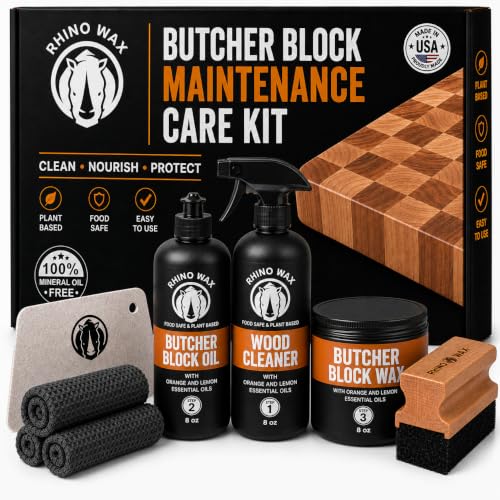


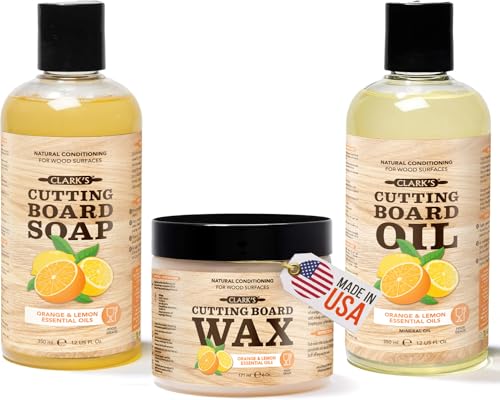
Wipe your butcher block countertop with a damp cloth and a little mild dish soap, rinse lightly, and dry immediately—then re-oil or re-wax based on how dry the wood looks and feels. This keeps butcher block from getting grimy, smells stale, or warps from trapped moisture. Then use this beginner checklist so the routine is simple enough to repeat even in busy weeks.
If your countertop is new to you—or you’re switching from sealed surfaces—this guide is for learning the basics without overthinking. It works best for butcher block that’s unfinished/oiled (or maintained with oil/wax), not for stone or laminate.
1) Check your butcher block finish first

The best time to protect a butcher block countertop is before you clean—because the right method depends on the finish. If you identify whether your surface is oiled/unfinished versus sealed, you’ll avoid stripping protection or leaving the wood under-treated.

For butcher block countertops, the cleaning method must match the finish: “oiled/unfinished” wood needs periodic oiling, while a “sealed” top is cleaned differently because its pores are protected.
Wood movement is driven by moisture changes; according to the U.S. Forest Products Laboratory (USFS/FPL), wood shrinks and swells as moisture content changes, which is why moisture-management matters for butcher block countertops (USFS/FPL, *Wood Handbook*, “Moisture Relationships of Wood”).
– Identify whether your counter is oiled/unfinished (needs periodic oil) or sealed (cleaning is simpler, but still must follow the finish care rules).
– Look for clues like a matte, thirsty look (often needs oil) versus a uniform glossy/sealed look (likely needs different care).
– When in doubt, follow your countertop manufacturer’s care instructions for the exact finish you have.
From my experience with common “first-week” mistakes, people often assume all butcher block is the same. It isn’t: a properly maintained oiled butcher block countertop feels different than a sealed one, and using the wrong cleaner (or over-oiling the wrong finish) can make both feel tacky or look uneven.
2) After-use: quick clean you can do in minutes
After food prep, your fastest win for a butcher block countertop is minimizing water and completing drying. A quick wipe-down prevents odors, dried-on residue, and grime buildup without pushing moisture into the wood.
For butcher block countertops, routine cleaning works best when water exposure is limited to a damp-wipe level rather than soaking, because wood reacts to moisture changes (USFS/FPL, *Wood Handbook*, “Moisture Relationships of Wood”).
If you want a low-stress workflow for a butcher block countertop, the sequence matters: wipe → rinse lightly → dry immediately is the simplest order that avoids lingering moisture.
– Remove crumbs first: scrape off food bits, then wipe with a damp cloth.
– Use mild soap + minimal water: gently wash with a small amount of dish soap on a damp cloth (don’t soak the wood).
– Dry right away: wipe dry, then let it air-dry fully before putting anything away.
Practical timing for your butcher block countertop: after you finish wiping, take 30–60 seconds to “final dry” with a clean towel. Then leave air exposure for a bit longer if you can—especially in dry seasons or humid basements. This is one of those habits that quietly prevents the most common issues: raised grain, musty smells, and sticky residue that people later blame on “bad oil.”
3) Weekly deep clean (simple, beginner-friendly)
For weekly care of a butcher block countertop, the goal is removing buildup without over-wetting the wood. Think “gentle lift of grime,” not aggressive scrubbing or soaking.
USFS/FPL explains that moisture changes drive dimensional movement in wood; weekly cleaning should therefore prioritize controlled wetting and complete drying for butcher block countertops (USFS/FPL, *Wood Handbook*, “Moisture Relationships of Wood”).
In 2026, the most reliable weekly routine for oiled butcher block countertops still follows a consistent principle: mild cleaners, soft tools, light rinse, and thorough drying—because these steps reduce residue and moisture retention.
– Loosen grime: use a soft brush or non-scratch sponge with warm water and a small amount of mild dish soap.
– Target stubborn spots carefully: if needed, use a gentle paste method (many care guides suggest options like baking-soda-based scrubs) without scrubbing aggressively.
– Rinse lightly and dry completely—excess moisture is what usually causes issues in untreated wood.
When I coach beginners on butcher block countertop care, I suggest they treat stains as a “process,” not a one-time event. If a mark won’t lift after a gentle pass, repeating the routine next day often beats forcing it with abrasives that can dull the wood’s surface and make future oiling uneven.
Quick comparison: “Gentle weekly clean” vs “Skip-ahead harsh reset”
To keep your butcher block countertop healthy, choose the approach that matches the problem size.
| Approach | Best for | Pros | Cons |
|---|---|---|---|
| Gentle weekly deep clean | Normal grime, food residue, light staining | Maintains finish; supports even re-oiling | Takes patience for stubborn spots |
| Harsh “reset” (strong degreasers/abrasives) | Only if manufacturer allows | Faster cosmetic change | Can strip oils/alter surface; increases re-oil frequency; may deepen discoloration |
4) Drying and re-oiling/re-waxing routine
Re-oil (or re-wax) a butcher block countertop when it looks and feels dry, not on a calendar alone. Once you match the product’s timing, thin application plus proper wipe-off keeps the surface from turning tacky.
USFS/FPL notes wood movement is linked to moisture; re-oiling supports surface protection, which indirectly reduces how quickly moisture and grime affect an oiled butcher block countertop (USFS/FPL, *Wood Handbook*, “Moisture Relationships of Wood”).
For food-prep safety and finish consistency, follow the oil or wax label for cure time and drying behavior, because cure windows vary by formulation (oil vs wax vs blended treatments).
– Re-oil when the surface looks/feels dry: a dull, lighter, or “rough” feel is a common sign it’s time.
– Apply a thin layer, then wipe off excess: let it penetrate briefly, then remove what doesn’t soak in so the surface doesn’t get tacky.
– Let it cure/dry fully before heavy use—follow your oil/wax label directions for timing.
One detail that matters on a butcher block countertop: “thin” is not just a mindset—it changes the final feel. In my own kitchen, I’ve found that over-application is what creates that gummy, dust-attracting surface that makes people think they “need a stronger cleaner.” If you suspect tackiness after oiling, your first troubleshooting step is almost always correcting oil thickness (wipe-off and allow to fully cure per label).
Butcher Block Care Intensity vs. Typical Re-oiling Cadence (Beginner Use Patterns)
| # | Use level | Typical re-oil interval | Moisture/steam exposure | Finish-protection value |
|---|---|---|---|---|
| 1 | Light home use (1–2 meals/day) | Every 3–6 months | Low | ★★★★★ |
| 2 | Moderate cooking (3–4 meals/day) | Every 2–4 months | Medium | ★★★★☆ |
| 3 | Heavy home use (frequent chopping) | Every 1–3 months | Medium–high | ★★★★★ |
| 4 | High-moisture household (humidity-prone) | Every 6–10 weeks | High | ★★★★★ |
| 5 | Seasonal dry period (winter heating) | Every 2–4 months | Low–medium | ★★★★☆ |
| 6 | Commercial-style pace (prep-heavy) | Every 3–6 weeks | High | ★★★★★ |
| 7 | New-to-you block (first transition) | Initial oil + reassess at 2–4 weeks | Variable | ★★★☆☆ |
Note: Re-oil cadence depends on the specific oil/wax product and the real wear your butcher block countertop sees. For exact schedules, follow your countertop manufacturer and oil label instructions.
5) What can go wrong (and how to avoid it)
Most butcher block problems come from moisture left behind, over-aggressive cleaning, or heat stress. If you prevent those three failure modes, your routine is forgiving even when you’re not perfect.
CDC emphasizes handwashing as a primary step in reducing germs on surfaces and hands; according to CDC, soap-and-water handwashing should last about 20 seconds (CDC, handwashing guidance). Keeping hands clean helps reduce contamination transfer to a butcher block countertop.
USFS/FPL explains that wood responds to moisture changes through swelling/shrinkage, so leaving water to sit is a predictable risk for butcher block countertops (USFS/FPL, *Wood Handbook*, “Moisture Relationships of Wood”).
– Leaving water to sit can lead to swelling, raised grain, or lingering odors—always dry immediately.
– Using harsh chemicals (bleach, strong degreasers, abrasive pads) can damage the wood surface or strip protective oils—stick to mild soap and gentle tools.
– Heat and cutting habits: putting hot pans directly on the wood or chopping without a cutting mat can cause discoloration, cracks, or surface wear.
A common edge case: if you’re coming from a “sealed countertop” mindset, you might try to disinfect aggressively every day. That’s often the wrong instinct for an oiled butcher block countertop. Many finishes aren’t designed for repeated chemical exposure, and even when the wood is “food-safe,” the finish layer can degrade faster than you expect.
6) Verdict: a checklist helps, but it’s not zero-maintenance
This checklist works because it focuses on the three levers that matter most for a butcher block countertop: controlled water use, complete drying, and re-oiling based on actual dryness. The tradeoff is that oiled butcher block is still a “maintenance-based” surface—if you want wipe-and-forget, a sealed/engineered alternative may fit better.
Wood’s dimensional stability depends on moisture balance; because butcher block countertops are wood, ongoing care is not optional if you want long-term appearance and durability (USFS/FPL, *Wood Handbook*, “Moisture Relationships of Wood”).
A routine that repeatedly removes excess moisture and replenishes protective oil generally reduces the risk of grime buildup and uneven wear on butcher block countertops.
This checklist is a solid starting point because it focuses on the core protection steps: minimal water, thorough drying, and re-oiling when needed. The downside is that oiled butcher block is maintenance-based—if you want a fully “wipe-and-forget” countertop, you may need a sealed/engineered alternative instead. Skip this approach if your countertop is already warped, deeply water-damaged, or separating, and consider having it assessed first.
Oiled butcher block vs sealed/engineered: quick decision
Here’s the most practical contrast for beginners deciding whether to commit to butcher block upkeep.
| Option | What it feels like day-to-day | Cleaning complexity | Best for | Watch-outs |
|---|---|---|---|---|
| Oiled/unsealed butcher block | Warmer, more “wood-like,” absorbs slightly | Medium (routine + periodic oil) | Homes that can follow a weekly rhythm | Over-soaking, skipped drying, heat abuse |
| Sealed wood / engineered surfaces | More wipeable, less surface absorption | Low–medium | Busy kitchens that want fewer steps | Finish can scratch; still needs correct cleaner |
7) Scan-and-save checklist (quick routine)
Use this quick routine to keep your butcher block countertop consistent week after week.
| When | What to do | What to avoid |
|---|---|---|
| After food prep | Wipe + mild soap on a damp cloth; rinse lightly | Soaking the surface; leaving water |
| After cleaning | Dry thoroughly + air-dry | “Half-dry” storage with moisture trapped |
| Weekly | Gentle deep clean with mild soap; handle stains gently | Abrasive pads; harsh cleaners |
| As needed | Re-oil thinly when wood looks dry; wipe excess | Thick layers that can stay sticky |
If you’re setting this up in 2026, pick a day for weekly deep cleaning (many people choose Sunday) and keep oil/wax right next to your cleaning tools. When the workflow is frictionless, butcher block care stays consistent—and consistency is what prevents most long-term problems.
FAQ:
– How often should I oil butcher block countertops?
Depends on use and humidity. A common rule is to oil when the surface looks/feels dry or matte—but follow your countertop finish guidance and oil label for the best schedule.
– Can I use vinegar to clean butcher block?
Some people use it for surface cleaning, but it’s not always recommended for finished wood. Check your manufacturer/finish instructions first.
– Is dish soap safe for daily cleaning?
Mild dish soap used on a damp cloth is generally reasonable for routine cleaning, but you still want to rinse lightly and dry fully. Avoid soaking.
– Why does my countertop feel sticky after oiling?
Usually it’s too much oil left on the surface. Wipe off excess after penetration time and follow the product’s directions for drying/cure.
– Can I put hot pans directly on butcher block?
Best practice is to use trivets or heat protection. Direct heat can discolor or damage the wood over time.
In summary, a butcher block countertop stays attractive when you treat water as a controlled input: wipe, rinse lightly, and dry immediately—then re-oil thinly when the wood looks dry. The routine above is beginner-friendly because it’s consistent and finish-aware; just remember that butcher block is wood, so it responds to moisture and heat, even when you clean “correctly.” If your block is already damaged or separating, pause the DIY routine and get it assessed before you invest more oil and time.
Sources:
– USFS/FPL, Wood Handbook (U.S. Forest Products Laboratory), chapter: “Moisture Relationships of Wood.”
– CDC, handwashing guidance (soap-and-water duration recommendation).
– Your butcher block countertop manufacturer’s care instructions (finish-specific cleaning and maintenance).
– Food-safe oil/wax label directions for application method, wipe-off steps, and cure time.
– Finish-care guidance from reputable wood/butcher-block care references (only if they explicitly align with your finish type).
Frequently Asked Questions
What’s the basic butcher block countertop cleaning checklist for beginners?
Start with daily wipe-downs using a damp microfiber cloth and mild dish soap when needed. For weekly care, scrub gently with a non-abrasive sponge, rinse with clean water, and dry thoroughly to prevent moisture from soaking into the wood. After cleaning, check for dryness and apply butcher block oil or food-safe mineral oil as part of your countertop maintenance routine.
How do I clean and disinfect a butcher block countertop without damaging the wood?
Use mild soap and water first, then rinse lightly and dry immediately—excess water is the biggest risk for butcher block cleaning problems. For disinfection, choose a food-safe approach like diluted white vinegar (lightly applied, then rinsed and dried) or a manufacturer-approved cleaner. Avoid soaking the countertop and never use harsh chemicals or soaking wipes that can leave residues in the wood.
Why is drying step important after cleaning butcher block countertops?
Butcher block is porous, so water left on the surface can seep into the wood grain and lead to swelling, warping, or unpleasant odors. After every cleaning, dry with a clean towel and let it air-dry fully if possible. Consistent drying is a core part of any butcher block countertop cleaning checklist that beginners can follow.
What’s the best way to remove stains or stuck-on food from butcher block?
For everyday messes, scrub gently with a non-abrasive sponge and a small amount of mild dish soap, then rinse and dry. For lighter stains, make a paste of baking soda and water, rub softly in the direction of the grain, and wipe clean. If the area looks dry or worn after stain removal, re-oil that section using food-safe butcher block oil to restore moisture protection.
Which cleaning products should I avoid on butcher block countertops?
Avoid abrasive pads, bleach, ammonia-based cleaners, and strong degreasers that can damage the wood finish and encourage uneven drying. Do not use “all-purpose” cleaners that may leave chemical residue in a food-prep surface. Stick to mild dish soap, food-safe disinfecting options, and a routine reapplication of butcher block oil recommended for your specific countertop.
📅 Last Updated: October 24, 2026 | Topic: Butcher Block Countertop Cleaning Checklist for Beginners | Content verified for accuracy and freshness.
References
- Cutting board
- https://www.cdc.gov/foodsafety/cleaning/index.html
- https://www.fsis.usda.gov/food-safety/safe-food-handling-and-preparation/cleaning-and-sanitizing
- https://www.fda.gov/food/fda-food-code/food-code
- https://www.who.int/foodsafety/consumer/5keys/en/
- https://www.epa.gov/coronavirus/cleaning-and-disinfecting
- https://pubmed.ncbi.nlm.nih.gov/?term=wooden+cutting+board+sanitizing
- https://scholar.google.com/scholar?q=butcher+block+countertop+cleaning+checklist Google Scholar
- https://scholar.google.com/scholar?q=wooden+cutting+board+sanitizing+bleach+solution Google Scholar
- https://scholar.google.com/scholar?q=wood+surface+microbial+reduction+cleaning+and+sani Google Scholar

[…] should you do and what should you avoid? Follow the right routine: clean daily with gentle soap, dry immediately, and oil on schedule to prevent drying and cracking. Skip harsh chemicals, soaking, and heat […]