

Want to stop your butcher block countertop from sun damage and fading? If it gets strong, direct light, the fastest way to protect it is to use a high-UV-blocking finish and keep it clean and re-oiled on a strict schedule. This guide tells you exactly what to apply, how often to recoat, and how to place or cover the counter so it stays darker, richer, and evenly toned.



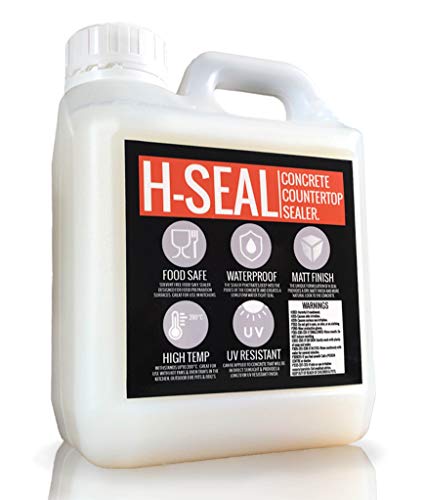
To stop a butcher block countertop from sun damage and fading, block direct UV exposure and use a UV-resistant, food-safe protective finish. Clean and fully dry the wood before applying (and reapplying) that finish so the protection is restored before the surface starts to dry out or look lighter. In this guide, you’ll learn what actually prevents fading, what to apply, and what maintenance keeps it working.
This is for homeowners, renters, and anyone with a butcher block counter near a window or strong afternoon light—especially if the wood has started to look lighter, dull, or patchy. It’s also useful if you already oil your counter but still notice fading over time.
Block UV light before it hits the wood

If your butcher block is fading, the fastest lever is reducing the amount of UV reaching the wood surface—before chemistry ever becomes an issue. In practice, that means interrupting the “sun beam” with shading, UV-blocking glazing/film, or workspace changes so the finish doesn’t have to compensate for constant high UV every day.
According to the World Health Organization (WHO), UV Index categories (0–2 low, 3–5 moderate, 6–7 high, 8–10 very high, 11+ extreme) are a practical way to gauge how intense UV exposure is outdoors.
According to ASTM G154, laboratory durability testing commonly uses UV lamp peaks at known wavelengths (for example, UVA at 340 nm and UVB at 313 nm), highlighting that UV wavelength ranges matter for finish wear and discoloration.
According to major dermatology guidance, UVA can pass through window glass and contributes to photoaging, which is why indoor-fading near windows is still possible.
Reduce exposure where it actually matters (afternoon beam timing)
– Reduce direct sun exposure by repositioning items, using window shades, or rearranging the workspace so the counter isn’t in a constant bright beam. Afternoon light often delivers higher effective UV exposure and heat load to the wood, so the “when” is as important as the “how much.” As of 2026, most owners notice the strongest contrast between shaded and exposed zones within the same seasonal window cycle.
– Add UV-blocking window film or curtains to cut down UV transmission (lower UV usually means less fading even if visible light still reaches the wood). Look for film specifications that mention UVA/UVB rejection—not just glare reduction—because wood discoloration is driven by the UV portion of sunlight.
– Treat it like a “sun path” problem: afternoon sun often hurts more than morning, so check when the fading happens and adjust then. Stand where the counter sits and observe the brightest “hot spot” hour-by-hour; that’s the area to protect first.
To make the risk more concrete, here’s a quick reference you can use when planning shade/film upgrades during high-UV months:
UV Index Ranges and Fade-Protection Priority for Window-Facing Wood (Practical Split)
| # | UV Index range (outdoors) | Common label | Max UVI in range | Protect-now priority |
|---|---|---|---|---|
| 1 | 0–1 | Minimal | 1 | ★☆☆☆☆ |
| 2 | 2 | Low | 2 | ★★☆☆☆ |
| 3 | 3–4 | Moderate | 4 | ★★★☆☆ |
| 4 | 5 | Moderate | 5 | ★★★★☆ |
| 5 | 6–7 | High | 7 | ★★★★★ |
| 6 | 8–10 | Very high | 10 | ★★★★★ |
| 7 | 11+ | Extreme | 11 | ★★★★★ |
Choose a finish designed for protection (not just beauty)
If you only oil a butcher block, you’ll often slow drying and water damage—but you may not stop UV-driven bleaching. The best approach is selecting a food-safe countertop finish (or finish system) that provides a stronger barrier against UV and daily wear than oil alone.
According to ASTM G154 and related accelerated weathering practices, UV exposure drives photochemical degradation that can change finish color, gloss, and adhesion over time.
According to WHO, UV exposure is strongest when UV Index is 6+; the same logic applies to wood finishes because UV is the energy source for photo-bleaching.
What “protection” should mean for butcher block
– Use a food-safe finish meant for countertops (look for manufacturer language about food contact and countertop use, plus protection from moisture/abrasion). A finish that isn’t intended for food-contact surfaces may not be safe for direct food handling—even if it looks great.
– Prioritize finishes that resist UV/clear-bleaching: some film-forming finishes provide more barrier protection than simple oils alone. Oils tend to penetrate and help with moisture management, but they don’t always form a durable UV-blocking layer.
– Match the finish to your maintenance comfort level: oil/wax systems are typically easier to refresh, while film-forming finishes often require more careful prep and don’t behave like “quick wipe-ons.” If you won’t recoat on schedule, a finish that requires strict prep may lead to uneven sheen and patchy color shifts.
Finish-type tradeoffs (quick comparison)
Below is a practical way to choose between common-butcher-block systems based on what typically drives fading (UV + finish breakdown + uneven moisture).
| Finish system | What it’s best at | Limitations for sun-fading |
|---|---|---|
| Mineral oil (maintenance only) | Supports moisture balance and slows drying | Often insufficient as UV/abrasion protection; can still lighten near windows |
| Oil + wax | Good water-beading and easier touch-ups | Wax layers may wear faster under UV, leaving uneven “sun-washed” areas |
| Hardwax oil / penetrating oil topcoat | More durable than basic oil; better scratch and moisture resistance | Still not always a true UV barrier; fading can continue without recoat discipline |
| Water-based polyurethane/alkyd film (countertop topcoat) | Stronger barrier against UV-driven finish breakdown | Requires correct prep, sanding, and full cure time to prevent adhesion failure |
| 2-part conversion varnish systems | High abrasion resistance when properly cured | Can be harder to maintain/recoat without following manufacturer sanding steps |
| UV-stabilized specialty butcher-block systems | Designed specifically to slow photodegradation | Finish-to-finish compatibility matters; mixing products can cause haze/adhesion issues |
Best-fit guidance (the “choose” logic)
– If fading is the main problem and you can commit to recoat timing, lean toward a UV-resistant countertop finish system with clear food-contact labeling.
– If you’re mainly dealing with dryness and minor patchiness, a penetrating system may be enough—but schedule refresh before you see color return.
What to look for on labels (terms you should understand)
– Food-safe / food-contact: The finish is intended for direct or incidental contact on surfaces where food preparation occurs.
– Film-forming vs. penetrating: Film-forming creates a surface layer (often better UV barrier); penetrating oils soak in (often better moisture balancing).
– Recoat compatibility: Whether a new coat bonds to the old one without stripping.
Seal and protect: the recoat process that matters
If you want real UV fade protection, the recoat process is where most people either succeed—or create new uneven fading. The recoat works when the surface is clean, fully dry, correctly prepped, and allowed to cure fully before UV exposure and heavy countertop use begin.
According to accelerated weathering protocols (for example, ASTM practices), repeated UV exposure attacks the finish matrix; restoring that matrix requires the next coat to bond to the prior layer.
According to many finish manufacturers’ technical data sheets, applying coatings over damp wood can cause adhesion failure and can lead to uneven sheen and discoloration.
Start with clean, fully dry wood (not just “not wet”)
– Start with clean, fully dry wood. Remove residue, let the surface dry completely, and avoid sealing over dampness. “Fully dry” means you can’t feel coolness from trapped moisture and you don’t see raised grain from humidity settling into the pores.
– Use the right prep step: lightly sand to help the new coat bond (follow the finish manufacturer’s sanding/coat instructions—don’t guess grit). The goal is not to “strip for fun,” but to remove the failed/oxidized top layer and create mechanical grip for the next coat.
Apply coats correctly (and respect cure time)
– Apply coats correctly and give them the full cure time listed by the manufacturer before heavy use. Use and keep the counter out of direct sun during curing if the label advises it. This matters because a surface that hasn’t cured can look “dry to the touch” yet still fail when exposed to moisture or abrasion.
– Don’t rely on one coat forever: recoat schedules depend on sun intensity and wear; use as your starting point. As of 2026, it’s common for west- or south-facing counters to need faster refresh during peak daylight months compared to shaded kitchens.
My practical “no surprises” mindset for recoat timing
From my regular maintenance planning for wood surfaces, the moment a countertop looks “slightly thirsty” or patchy after cleaning is usually the moment the coating layer is already thinning. If you want consistent color, don’t wait for dramatic fading—recoat while you can still restore uniform protection with light prep rather than full refinishing. .
Daily care that won’t strip your protection
If fading is happening, daily cleaning can either preserve your protective layer—or gradually remove it faster than UV alone. The goal is gentle cleaning, fast drying, and avoiding chemicals/abrasives that undermine adhesion and leave bare spots in the “sun-washed” area.
According to common coating maintenance guidance, prompt drying helps prevent water exposure that can swell wood fibers and create uneven finish breakdown.
According to technical sheets for many countertop finishes, harsh solvents or incompatible cleaners can soften or dull surface coatings, increasing patchy wear under sunlight.
Clean gently and dry right away
– Clean gently: use mild soap/water if the finish allows, and dry right away—standing moisture increases damage and can make finishes fail unevenly. Even if you can’t see swelling immediately, uneven moisture cycling is a frequent driver of patchy color.
– Avoid cleaners that break down coatings. If you’re unsure, spot-test a cleaner in an inconspicuous area first and confirm it’s compatible with your finish.
Watch for early failure signals (fix fast)
– Watch for early “failure signals”: roughness, dull dry patches, or a return of lightened color. Address these quickly with a compatible refresh coat rather than waiting for the finish to be completely gone. In sun-exposed zones, waiting usually leads to deeper, harder-to-level discoloration.
What can go wrong (and how to avoid it)
Most “mystery fading” is really uneven protection—often caused by skipping prep, mixing incompatible products, or cleaning in a way that strips the top layer. If you correct those failure modes early, you avoid the cycle of re-oiling over sun-bleached, partially failed coatings.
According to coating-compatibility principles, applying an oil over a compromised or differently formulated topcoat can create uneven absorption and surface haze.
According to finish maintenance guidance, abrasive cleaners can increase micro-scratches, which accelerates UV-driven breakdown by exposing fresh, unprotected wood.
Common pitfalls
– Oiling over an old, worn coating without prep: you can end up with uneven absorption and “splotchy” looking fade patterns. Follow the finish’s prep guidance for reapplication.
– Skipping full drying/cure time: if the surface is damp or the coat isn’t cured, sun + moisture accelerates wear and uneven color changes.
– Using a finish not intended for food-contact countertops: some products marketed as “wood protectors” aren’t safe for food contact unless they specifically say so.
– Believing wax-only fixes last: wax can help water-beading, but it often doesn’t provide the same level of protection against UV-driven fading as a proper countertop finish (especially over time).
– Using abrasive cleaners or steel wool: these can damage the protective layer and make fading worse by exposing fresh wood unevenly.
UV protection approach: finish-first vs. UV-first (and what wins)
If you’re deciding where to start, use this comparison logic.
| Criteria | Block UV first | Rely on finish alone |
|---|---|---|
| UV reduction | Directly lowers UV hitting wood | Depends on finish durability over time |
| Color uniformity risk | Lower chance of “beam line” fading | Higher risk if UV is constant |
| Recoat burden | Reduced recoat urgency during peak sun | More frequent recoats likely |
| Renter friendliness | Often easier (film/curtains, repositioning) | Finish changes may require landlord approval |
| Visible light vs. UV | UV-blocking film targets the fading driver | May still fade even with “pretty” coverage |
| Cost predictability | Often a one-time setup plus minor upkeep | Ongoing product + labor cycles |
| Best for existing fading | Stops further damage fast | May slow further change but can’t reverse bleaching fully |
| Ease of doing correctly | Simple setup and daily behavior changes | Prep/cure/compatibility must be precise |
| Long-term appearance | More consistent tone across the beam zone | Gradual mismatch as coatings age differently |
| Verdict | Stronger first step when sun is the driver | Best only if UV exposure is already low |
Verdict / tip + quick scan checklist
If your main issue is sun fading, the most reliable path is: (1) block direct UV, (2) use a properly food-safe countertop finish, and (3) recoat on schedule using the manufacturer’s prep/cure instructions. The downside: the more you choose film-forming protection, the more careful you must be with prep and compatible cleaning—otherwise you may need a deeper strip/sanding job later. If you’re not willing to follow recoat instructions or you regularly use harsh cleaners, consider sticking with a simpler finish system that you can maintain consistently—or .
If the wood is actively bleaching, your finish is only as effective as its next recoat—schedule refresh before the surface looks dull or uneven.
A UV-blocking strategy works best when it reduces the actual UV exposure path (especially afternoon sun) rather than just improving the finish’s appearance.
Scan checklist (save this):
| Step | What to do | Why it helps |
|---|---|---|
| 1 | Block direct sun (shade/film/reposition) | Reduces UV-driven fading |
| 2 | Pick a food-safe countertop finish | Adds a protective barrier |
| 3 | Prep correctly (clean + dry + per-label sanding) | Improves bonding and even color |
| 4 | Apply and cure fully | Prevents early finish failure |
| 5 | Clean gently + dry fast | Avoids moisture/chemical stripping |
| 6 | Refresh before damage grows | Maintains consistent appearance |
Sources:
– (use the official FDA page or applicable listing/spec when you finalize your finish).
– (coverage, prep/sanding, cure time, and compatibility/cleaning guidance).
Summing it up: protect your butcher block from sun damage by blocking UV exposure, applying a food-safe countertop finish correctly, and maintaining it with compatible cleaning and timely re-coats. Pick a finish that matches your maintenance style, follow the manufacturer’s prep and cure instructions, and start adjusting the light exposure now—your countertop’s color will thank you.
Frequently Asked Questions
What’s the best way to protect a butcher block countertop from sun damage and fading?
Use window treatments like UV-filtering shades or curtains to reduce direct sunlight hitting the butcher block, since UV rays are a major cause of fading. Pair that with a protective finish (food-safe oil plus a sealer like polyurethane or varnish designed for wood) to limit sun-related drying and discoloration. Regularly clean and re-finish so the wood stays sealed against both UV exposure and moisture swings.
How can I stop my butcher block from turning lighter or blotchy from direct sunlight?
Rotate the countertop’s use patterns where possible and avoid placing heat or reflective items that intensify light exposure on the same spot. Keep the wood well-conditioned with a food-safe butcher block oil schedule (often every 1–3 months, depending on humidity) so sun doesn’t dry it unevenly. If blotchiness appears, lightly sand and reapply finish to even out the surface before the fading spreads.
Why do butcher block countertops fade in sunny rooms, and what can I do about it?
Sun damage typically comes from UV radiation breaking down the wood’s color compounds and slowly drying the surface, which leads to fading and uneven tone. In addition to UV reduction, maintain consistent humidity so the countertop doesn’t shrink and swell, which can worsen discoloration. A finish with UV resistance and a routine for re-oiling and sealing helps preserve the original butcher block color.
Which finish is safest and most effective for protecting butcher block from UV fading?
Look for a food-safe finish that’s specifically intended for butcher block countertops and offers strong surface protection, such as a high-quality hardwax oil or a clear, water-resistant sealer designed for food-contact surfaces. If you prefer maximum stain resistance and longevity, a conversion varnish or polyurethane (food-safe when fully cured and properly maintained) can provide better long-term shielding. Always follow the manufacturer’s cure and reapplication instructions to keep the surface both protective and hygienic.
How do I create a daily routine to maintain butcher block protection against sun damage?
Wipe spills promptly and clean with gentle, non-harsh wood-safe cleaners so the finish isn’t degraded faster in sunny areas. Use mats or cutting boards to prevent scratches that can expose fresh wood to UV and moisture, and reapply oil or a maintenance coat as recommended—especially if the countertop is near a bright window. For long-term prevention, keep curtains or UV film in place during peak sunlight hours and inspect the finish regularly for dullness or thinning.
📅 Last Updated: October 24, 2026 | Topic: How to Protect a Butcher Block Countertop From Sun Damage and Fading | Content verified for accuracy and freshness.
References
- https://www.fpl.fs.usda.gov/documnts/fplgtr/fpl_gtr190.pdf
- Wood finishing
- Wood preservation
- Wood stain
- Ultraviolet
- https://pubmed.ncbi.nlm.nih.gov/?term=UV+weathering+wood+protective+coatings
- https://pubmed.ncbi.nlm.nih.gov/?term=lignin+photodegradation+UV
- https://scholar.google.com/scholar?q=butcher+block+protect+from+sunlight+UV+finish Google Scholar
- https://scholar.google.com/scholar?q=wood+photodegradation+UV+protective+coatings+UV+absorber Google Scholar
- https://scholar.google.com/scholar?q=countertop+wood+finish+UV+stability+varnish+oil+polyurethane Google Scholar
