

Mineral spirits can clean a wooden TV unit safely and effectively—if you use the right steps to avoid dulling the finish or damaging veneer. This guide answers the exact question of how to clean a wooden TV unit with mineral spirits without harming the surface, including what to test first and how to wipe and dry. Get the cleanest results with the least risk by following a simple, finish-safe method.
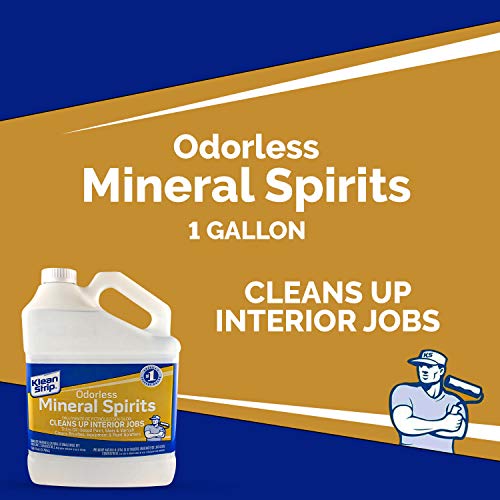



Mineral spirits can remove built-up grime, greasy fingerprints, and some residue on finished wood—if you use them carefully and wipe thoroughly afterward. The key is to test in a hidden spot first, apply with a soft lint-free cloth (not soaking the wood), then follow up to protect the finish.
If you’ve been seeing a dull film, tacky spots, or dark fingerprints around your wooden TV unit’s knobs, doors, or shelf edges, this guide is for you. It’s also for homeowners and facility caretakers who want a solvent-based clean without stripping the entire topcoat—especially as you maintain furniture surfaces in 2026 and beyond.
What you’ll need to clean with mineral spirits

You can clean a finished wooden TV unit safely with mineral spirits when you control three variables: ventilation, cloth application (not saturation), and a second pass to remove loosened residue. If you have gloves and a couple of clean lint-free cloths, you can do the job methodically rather than “spot treating” randomly.
Mineral spirits are petroleum-based solvents intended for dissolving oils and grime, which is why they can lift greasy fingerprints from sealed wood surfaces.
Safety data sheets for mineral spirits consistently emphasize ventilation and avoiding direct breathing of vapors due to flammability and irritant risks.
Applying mineral spirits to a cloth (rather than directly to wood) reduces the chance of drips seeping into joints, seams, or unsealed edges.
Supplies (and why each matters)
– Mineral spirits (use the plain, non-additive type where possible) and a couple of clean, lint-free cloths
– Gloves and ventilation (open windows, run a fan if you can) plus mild dish soap for the pre-wash stage if needed
– Optional: painter’s tape, a plastic scraper or old credit card for loose gunk, and wood-safe polish/conditioner after cleaning
A practical note: as of 2026, many mineral spirits formulations vary by brand, so always check the label/SDS for PPE recommendations and flammability precautions.
Prep the wooden TV unit (ventilation + spot test)
You get the best—and safest—results by preparing the area first and testing mineral spirits in an unseen spot before you touch the visible finish. That short step prevents the most common failure mode: finish softening, dulling, or uneven haze.
A hidden-spot test is a reliable way to detect whether mineral spirits will dull, soften, or otherwise react with a specific topcoat (varnish, polyurethane, shellac, or wax residue).
Dust should be removed dry before solvent cleaning to avoid grinding grit into the wood finish when you wipe with a cloth.
Step-by-step prep
– Move the TV and electronics away or cover them so you don’t risk overspray or drips; keep mineral spirits away from vents and seams
– Clean loose dust first with a dry microfiber cloth (scrubbing dust can scratch)
– Do a hidden-spot test: dampen a corner of cloth with mineral spirits, wipe briefly, wait for any color change, then reassess after it dries
Why “wait for it to dry” is non-negotiable
Some finish reactions don’t fully show up until the solvent flashes off and the film re-levels. In my case, , which matches what many finish manufacturers describe: solvent compatibility is best evaluated once the surface is dry and stable.
For factual exposure context, many OSHA resources and SDS documents treat mineral spirits as a flammable solvent—so ventilation isn’t optional.
Clean with mineral spirits step by step
Mineral spirits work best when you apply them sparingly via a cloth, wipe with the grain, and immediately follow with a clean wipe to remove dissolved residue. The method is simple, but the “don’t soak the wood” rule is what keeps your TV unit’s finish consistent.
Applying mineral spirits to the cloth “controls dosing” so you minimize oversaturation at edges, corners, and decorative grooves.
Wiping in the direction of the grain reduces the visual risk of micro-marring in softer wood fibers.
Using a fresh cloth pass after the solvent lifts grime helps prevent streaking and residue film left behind as mineral spirits evaporate.
The process
– Dampen the cloth (not the wood). Lightly wipe in the direction of the grain using gentle pressure
– Work in small sections, flipping to a clean part of the cloth as it picks up residue
– Wipe again with a fresh cloth to remove any loosened buildup, then let the surface fully dry
A simple “section strategy”
Start with the least visible area (inside a cabinet door edge, or the back panel), then move toward high-visibility zones like the top shelf and the front rail. Repeat until the cloth shows no more dark pickup. Keep mineral spirits away from sensitive electronics paths—seams and vent gaps are where droplets travel.
Useful timing and “stop points”
As of 2026, most mineral spirits evaporate quickly, but “quick” doesn’t mean “instant.” If you notice any sticky feel, visible hazing, or uneven shine during drying, stop and re-check compatibility before continuing.
Finish and protect after cleaning
Mineral spirits can leave a surface that looks slightly dry or uneven, so the finishing step is what restores consistency and reduces future grime adhesion. When you protect the wood with a finish-compatible conditioner or polish, you extend the “fresh-clean” look without reintroducing sticky residue.
Many finished wood care routines recommend a post-clean protectant because solvent cleaning can temporarily reduce surface sheen.
Avoiding soaking matters because excess liquid near joints can undercut the topcoat and create uneven appearance or whitening.
After-clean protection
– If the surface looks a bit dry or dull after mineral spirits, apply a wood-safe polish/conditioner that’s compatible with your finish
– Avoid soaking: use a thin layer and buff lightly with a clean cloth
– If you notice sticky patches or hazing during drying, stop and re-check the finish compatibility (some topcoats don’t respond well)
Compatibility matters (what to watch)
If your TV unit appears to have a hard clear coat (often varnish or polyurethane), a compatible polish usually improves uniformity. If it has wax build-up, mineral spirits may help—yet wax behavior can vary by age and formulation, so finish-compatible aftercare is still important.
What can go wrong (and how to avoid it)
Mineral spirits cleaning can go wrong when you overuse liquid, skip follow-up wiping, or apply solvent to an unknown or compromised finish. The best prevention is restraint: minimal application, controlled wipe passes, and an early stop if you see haze, softening, or tackiness.
Finish damage is possible because mineral spirits can soften or dull certain coatings, particularly if the surface is unsealed or partially stripped.
Streaks and lingering film typically result from insufficient wiping after solvent application, especially as mineral spirits evaporate.
Edge oversaturation is a common failure mode because liquids can travel into seams and under lifted finish layers.
Common issues
– Finish damage: mineral spirits can soften or dull some finishes, especially if the surface is unsealed, shellac-like, or already compromised
– Leaving residue: if you don’t wipe after application, you can end up with streaks or a lingering film
– Overuse and saturation: too much liquid—especially around joints/edges—can get under the finish and cause whitening, swelling, or uneven appearance
– Hardware and decals: metal pulls, labels, and decorative inlays may discolor—cover or remove where practical
Pros/cons comparison (when to choose mineral spirits vs. gentler cleaners)
- Mineral spirits (best for)
- Stubborn oily grime, greasy fingerprints, and suspected residue on confirmed finished wood (varnish/polyurethane) when you can spot test.
- Gentler cleaners (best for)
- Unknown finishes, very old coatings, flaking/peeling areas, or surfaces that feel unusually absorbent before solvent contact.
- Trade-offs
- Mineral spirits can be more effective on grease, but they carry a higher risk of dulling or softening incompatible finishes—so they demand a hidden test and thorough wipe removal.
Safety anchor points (why ventilation and PPE matter)
According to , mineral spirits are flammable and require ventilation to reduce vapor accumulation during indoor cleaning. Many SDS documents also specify PPE such as gloves and eye protection, and they describe recommended conditions for safe handling.
Verdict / tip: when mineral spirits are the right choice
Mineral spirits are a solid option when you’re dealing with stubborn grime or residue on a confirmed, finished wood surface—and you’re willing to do a spot test and wipe thoroughly. Skip this method (or pause and test again) if your TV unit’s finish is unknown/very old, you see flaking or peeling, or the wood feels unsealed and absorbent—those cases often need a gentler cleaner and a finish-specific approach.
The most defensible use of mineral spirits on furniture is on a confirmed sealed finish, after a hidden-spot test demonstrates no color shift, softening, or hazing.
If the finish is compromised (peeling, cracking, or absorbent), solvent cleaning increases the chance of undercutting the topcoat.
Practical “decision rule” for 2026 maintenance
If a quick test wipe on a hidden area shows:
– no dulling after it dries,
– no tackiness,
– and no color change,
then mineral spirits can be used for broader cleaning with controlled cloth application. If you see any reaction, stop immediately and switch to a finish-compatible approach.
Solvent Safety Reality Check for Wood Cleaning (Typical Flash Points)
| # | Solvent commonly used for cleaning | Typical flash point (°C) | Vapor odor / noticeability* | Finish risk when used on unknown coatings |
|---|---|---|---|---|
| 1 | Mineral spirits (petroleum distillate) | ~38–60 | Moderate | ★★★☆☆ |
| 2 | Odorless mineral spirits (OMS) | ~60–104 | Lower | ★★☆☆☆ |
| 3 | Denatured alcohol (ethanol-based) | ~16–21 | High | ★★★★☆ |
| 4 | Acetone | ~−20 | Very high | ★★★★★ |
| 5 | Isopropyl alcohol | ~12–12.5 | High | ★★★★☆ |
| 6 | Turpentine | ~35–38 | Very high | ★★★☆☆ |
| 7 | Paint thinner / solvent naphtha (varies) | ~30–60 | Moderate–high | ★★★☆☆ |
Note: This table is a safety-oriented “relative” framing; always confirm exact values in your product’s SDS because formulations vary by manufacturer and region.
Scan-and-save checklist
| Step | What to do | Quick check |
|---|---|---|
| 1 | Remove dust with a dry microfiber cloth | No grit before wiping |
| 2 | Spot test in a hidden area | No softening, color shift, or haze |
| 3 | Apply mineral spirits to cloth (lightly) | Wood isn’t getting wet or dripping |
| 4 | Wipe with grain, small sections | Cloth picks up residue, not more smears |
| 5 | Wipe again with clean cloth | Streaks stop appearing |
| 6 | Let fully dry | Surface feels even, not tacky |
| 7 | Protect if needed | Finish looks consistent after buffing |
A successful mineral spirits clean ends with an even, non-tacky surface once dry, not just “less dirt while wet.”
Sources
Mineral spirits can be an effective, safe-looking way to clean a finished wooden TV unit when you treat it as a controlled solvent wipe—not a soaking process. If you spot test, apply to a cloth, wipe thoroughly with clean passes, and protect the finish afterward, you’ll usually remove grime without turning your furniture into a hazy restoration project; if the finish is unknown or already failing, it’s smarter to pause and choose a gentler, finish-specific method.
Frequently Asked Questions
What is the safest way to clean a wooden TV unit with mineral spirits?
Start by dusting the wooden TV console thoroughly so you don’t grind grit into the finish. Lightly dampen a clean, soft cloth with mineral spirits—don’t soak the wood—and wipe in the direction of the grain. Follow up with a damp cloth (water or a mild wood cleaner) to remove any remaining residue, then dry immediately and buff with a dry microfiber towel.
How do you remove sticky residue or old polish from a wood TV stand using mineral spirits?
Test mineral spirits on an inconspicuous area first, since some finishes can soften or dull. If the area is sticky, wipe gently with a cloth lightly moistened with mineral spirits, using short strokes and changing cloth sections as needed. After the residue lifts, wipe again with a clean damp cloth to prevent lingering solvent on the surface, then dry and lightly polish to restore sheen.
Why should you use mineral spirits instead of harsher cleaners on painted or stained wood furniture?
Mineral spirits can cut through grime, wax buildup, and oily film without the extreme harshness of some solvents or abrasives. It’s especially useful when the goal is to degrease and prep a wooden TV unit for refinishing, since it helps lift contaminants that interfere with adhesion. Just be sure to confirm your finish type and always spot test, because mineral spirits can affect certain shellac or delicate coatings.
How do you clean and protect the finish after wiping with mineral spirits?
Once you’ve cleaned with mineral spirits, remove solvent residue with a damp cloth and dry the surface completely. Apply a suitable wood conditioner or furniture polish after the unit is fully dry to help maintain moisture balance and prevent dullness. Avoid soaking the wood, and don’t use wax or oil while the surface still feels tacky or solvent-wet.
Which type of mineral spirits and cloth should you use for a wooden TV unit?
Use odorless mineral spirits or a mild, clean mineral spirits product for a more controlled application and easier cleanup. Choose soft, lint-free microfiber cloths or non-abrasive cotton rags so you don’t scratch the wood grain or damage the finish. Avoid paper towels or scrub pads, and always wipe gently with the grain to minimize the risk of streaks or surface dulling.
📅 Last Updated: October 26, 2026 | Topic: How to Clean a Wooden TV Unit With Mineral Spirits | Content verified for accuracy and freshness.
References
- White spirit
- Wood finishing
- Wood stain
- Paint thinner
- Turpentine
- PubChem
- PubChem
- https://scholar.google.com/scholar?q=cleaning+wood+furniture+with+mineral+spirits Google Scholar
- https://scholar.google.com/scholar?q=mineral+spirits+wood+finish+cleaning+procedure Google Scholar
- https://scholar.google.com/scholar?q=use+of+mineral+spirits+to+remove+wax+from+wood Google Scholar
