

Yes—you can clean a vinyl record with water, but only if you do it the right way and avoid soaking. Expert advice says use distilled water with a record-safe cleaning solution and a gentle application, then rinse and fully dry to prevent residue and warping. If your goal is to remove ground-in grime, water alone usually won’t beat a dedicated vinyl cleaning method.



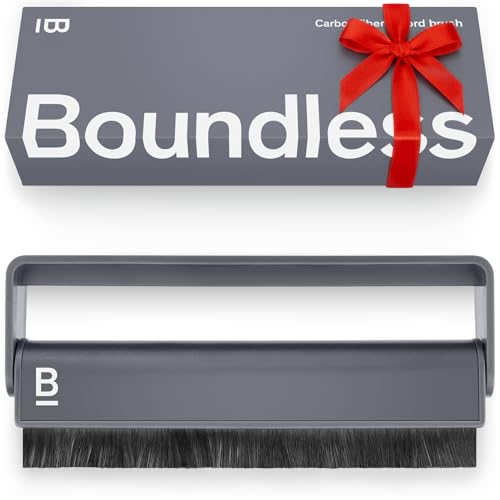
Yes—you can clean a vinyl record with water, but plain tap water is risky because it can leave mineral residue and re-deposit grime. If you use water at all, experts typically recommend very controlled moisture (often distilled or deionized) and pairing it with the right technique—never soaking the record or letting water pool near the label area.
If you’re a vinyl listener trying to improve playback after dust, fingerprints, or light haze (and you want a practical, low-risk approach), this guide is for you—especially as cleaning routines get revisited in 2026 for both daily maintenance and occasional deep cleans.
When water helps vs. hurts vinyl

Water can help a vinyl record when the contamination is mostly removable with moisture—but it can hurt performance when minerals or residue dry inside the grooves. The key variable is what’s in the water (and how long it stays on the record surface), because vinyl grooves are where fine particles and dissolved contaminants tend to lodge.
Water can lift and disperse some contaminants on a vinyl record—especially oily fingerprint residue—so careful wet cleaning can improve sound.
Tap water can contribute dissolved solids (minerals) that may leave a thin deposit after drying, increasing surface roughness in grooves.
Getting water near the label or spindle area can wick into paper and adhesives, creating longer-term damage risk compared with groove-only cleaning.
– Water can lift water-soluble dirt (like fingerprints), especially if you use clean water and remove it promptly.
Fingerprints are often a mix of skin oils and fine particulates; oils benefit from appropriate wetting, and the lifted dirt can be removed before it redeposits.
– Tap water can leave deposits (minerals/limescale), which may make the record sound worse over time.
According to the U.S. Environmental Protection Agency’s hardness guidance, water hardness is commonly expressed as mg/L of CaCO₃, and harder water generally carries more minerals that can remain after evaporation (U.S. EPA, water hardness classification guidance, ).
– Soaking is the big no—water can spread grime, and getting moisture near the label or spindle area can cause longer-term issues.
A vinyl record is engineered to be playable dry, and many adhesives/labels are not designed for repeated moisture exposure. Even if your vinyl looks clean, moisture trapped around the label can contribute to odor, warping, or residue cycling during drying.
A quick reality check on what water actually does on vinyl
In practical terms, water cleaning is usually about solubilizing and suspending contaminants so they can be removed. If the process leaves a film behind, you effectively replace “dirty” with “dried residue”—and the result can be static, haze, or less consistent playback.
The safer “water method” experts generally favor
If you want to use water, the safest approach is minimal liquid, high-purity water, and immediate removal. In other words: wet the grooves enough to lift grime, then remove the moisture quickly so nothing dries in place.
Ultrapure water targets extremely low conductivity/residual ions, reducing the chance of mineral deposits drying on a vinyl record (ASTM International, ASTM D1193 (Type I water), ).
Experts generally advise against soaking a vinyl record because moisture can migrate to the label and spread contaminants before removal.
A wet-cleaning step only helps if you also remove the liquid promptly (wipe correctly or vacuum), preventing redeposition and dried spotting.
– Use minimal liquid and clean water: if you’re using water, choose distilled/deionized water when possible and apply it to the grooves, not by soaking.
Distilled and deionized water are widely used in cleaning systems specifically because they contain far fewer dissolved ions than typical municipal water.
– Remove moisture immediately: wipe with a microfiber designed for records (or use a vacuum/cleaning machine method if you have one) so residue doesn’t dry on the vinyl.
From an optical perspective, dried spots are often the first clue that minerals or loosened particles redeposited during drying. Playback can follow suit.
– Don’t over-scrub: gentle contact is enough—aggressive rubbing can increase static or risk micro-scratches.
Vinyl is durable, but friction under grit contamination is how you turn “a little dust” into “permanent noise floor.”
How mineral content risk compares across common water types
The table below summarizes typical dissolved-solids/mineral-risk differences that matter when water dries on a vinyl record.
Mineral (TDS) Levels by Water Type and Vinyl-Residue Risk
| # | Water type | Typical TDS | Typical conductivity | Vinyl-cleaning safety |
|---|---|---|---|---|
| 1 | Distilled water | 0–2 ppm | <1 µS/cm | ★★★★★ |
| 2 | Deionized (DI) water | 0–1 ppm | 0.1–1 µS/cm | ★★★★☆ |
| 3 | Reverse osmosis (RO) permeate | 5–30 ppm | 5–60 µS/cm | ★★★★☆ |
| 4 | Soft municipal tap (typical) | 50–200 ppm | 80–400 µS/cm | ★★★☆☆ |
| 5 | Hard municipal tap (typical) | 200–500 ppm | 300–900 µS/cm | ★★☆☆☆ |
| 6 | Well water (often mineral-rich) | 500–1,500 ppm | 800–3,000 µS/cm | ★☆☆☆☆ |
| 7 | Seawater (very high salts) | ~35,000 ppm | ~53,000 µS/cm | ☆☆☆☆☆ |
Note: Real-world municipal water varies by location. If you know your local TDS or hardness, you can treat this as a relative guide rather than a guarantee for every vinyl record cleaning session in 2026.
What experts recommend instead of plain water
In most cases, the best improvement for a vinyl record doesn’t come from water alone—it comes from the right chemistry plus controlled wetting and fast removal. Plain tap water is often the weak link, while record cleaning fluids are designed to reduce redeposition and speed drying.
Purpose-made record cleaning solutions are engineered to wet vinyl properly and help lift particulates without leaving the same mineral residue risk as tap water.
Anti-static brushes are commonly recommended before wet cleaning because removing dry dust first reduces what gets suspended and redistributed by water.
With any record-cleaning machine (brush, pad, vacuum system), timing and chemistry matter because different systems are designed around specific wet/dwell/removal steps.
– Use a purpose-made record cleaning solution when the dirt is beyond simple dust—manufacturers usually design these for safer wetting and faster drying.
Many products are formulated with surfactants (wetting agents) that help break up fingerprint oils and prevent particles from clumping back onto the vinyl record.
– Control static and dust: many experts recommend treating dry dust first with an anti-static brush before any wet cleaning.
Static is not just an annoyance; it can attract airborne dust that then becomes “stuck” in freshly wet grooves.
– Follow equipment instructions: if you use a brush, velvet pad, ultrasonic unit, or vacuum cleaner, the “right” chemistry and timing depends on that specific system.
Ultrasonic cleaning, in particular, changes the physics (cavitation and fluid movement), so water-only approaches are less predictable.Tap vs. distilled: when the difference actually matters
If your vinyl record is only dusty (no oily residue), a non-wet dry method may beat any water attempt. If you do wet clean, purity matters because dissolved minerals can remain behind.
- Pros of distilled/deionized water
- Lower dissolved solids → fewer mineral deposits after drying; predictable residue behavior when you vacuum/wipe promptly.
- Cons of distilled/deionized water
- Water alone may not dissolve oils as effectively as a record cleaning solution, so fingerprints may linger.
- Pros of tap water
- Convenience.
- Cons of tap water
- Minerals can dry into the grooves, leaving haze and potentially higher noise over repeated playbacks.
If you’re optimizing for the best odds in 2026, treat “water purity” and “liquid removal speed” as equally important variables.
What can go wrong (common mistakes + limits)
Water is not automatically harmful to a vinyl record—but the most common failures are predictable: mineral residue, label-area moisture migration, and redepositing what you just loosened. These issues tend to show up as noise increases, visible haze, or inconsistent playback after cleaning.
Residual dissolved solids left behind during drying can create a thin film on a vinyl record, worsening playback if the residue sits in or on the grooves.
Labels are often made of paper and adhesives that can wick moisture; even if audio improves briefly, repeated moisture exposure can degrade label integrity over time.
Reusing a dirty brush/cloth or rinse water can reintroduce particles into the grooves, making “cleaning” effectively a redistribution step.
– Using tap water: leftover minerals can dull playback or create a haze that’s hard to undo without re-cleaning.
This is the central reason experts discourage “rinsing with tap” on a vinyl record—evaporation is not a neutral process; it can concentrate residue right where you don’t want it.
– Getting water on labels: moisture can seep into paper fibers and adhesives; if that happens, drying may not be uniform.
If your vinyl record label feels even slightly damp after cleaning, assume you’ve increased risk and adjust your technique for the next session.
– Re-contaminating the record: using a dirty cloth/brush or reusing the same rinse water can spread residue back onto the grooves.
In high-contamination situations (heavy dust or prior smoke exposure), the first pass may be the cleanest—then the tools become reservoirs if you’re not careful.
– Thick buildup vs. light grime: heavily caked-on gunk may require a deeper wet process or professional-grade cleaning—water alone often won’t fix everything.
If the vinyl record surface looks visibly coated rather than lightly dusty, “just water” usually underperforms because it lacks the surfactants and controlled agitation needed to lift baked-on films.
Verdict: Should you clean with water?
If you have to use water, use it only in a controlled, minimal way—prefer distilled/deionized and remove it right away. Avoid plain tap-water “rinses,” soaking, and label-area wetting, especially if the vinyl record is valuable or irreplaceable.
The downsides are real: water-only cleaning can leave behind oils that require stronger surfactants, and—even with good intent—spotting or mineral residue can happen if drying is uneven. That means water-only cleaning is best for light maintenance, not for deep restoration.
Skip this water-only approach if you’re dealing with severe buildup, very rare pressings you can’t replace, or if you can’t reliably clean and dry the record immediately after applying moisture. In those cases, the safer path is a manufacturer-approved record cleaning kit or system designed for your exact method.
Quick checklist: Water-safe vinyl cleaning
| Do this | Why it matters |
|---|---|
| Use **distilled/deionized water** (if using water) | Reduces mineral residue risk |
| Apply **sparingly** to the playing surface | Limits moisture migration into label areas |
| **Wipe/vacuum immediately** | Prevents drying spots and residue |
| Clean with **record-safe microfiber/brush** | Avoids introducing grit |
| Let the record **fully dry** before playing | Prevents steam/grime from redepositing |
Checklist (scan/save):
– [ ] Dust off first with an anti-static brush (optional but helpful)
– [ ] Use distilled/deionized water (not tap), minimal amount
– [ ] Clean gently; don’t soak
– [ ] Remove liquid immediately (wipe/vacuum)
– [ ] Dry fully before playing
Frequently Asked Questions
Can you clean a vinyl record with water without damaging it?
You can use water to clean a vinyl record, but only in a controlled way. Plain tap water can leave mineral spots and residue that cause more noise, so experts generally recommend using either distilled water or a vinyl-safe cleaning solution. Always blot or rinse properly and let the record fully dry before playing to avoid watermarks and static.
How do experts recommend using water to clean a vinyl record safely?
Experts typically recommend either a distilled-water rinse or a vinyl cleaning method that uses a small amount of purified water with an appropriate record cleaner. Use gentle pressure with a microfiber or a dedicated record-cleaning cloth, then rinse lightly if your product calls for it. Dry the surface thoroughly with a clean microfiber or, ideally, a vacuum-assisted drying method to minimize streaks and static.
Why is water-only cleaning often a bad idea for vinyl records?
Water-only cleaning can spread grime across the grooves instead of lifting it out, especially when dirt has a mix of oils, dust, and residues. It also increases the risk of mineral deposits from hard tap water, which can create visible haze and worsen playback crackle. Many audiophile experts emphasize that moisture should be paired with the right chemistry (or a rinse) and removed completely.
What is the best way to rinse a vinyl record after using water or cleaner?
The best approach is a short, controlled rinse with distilled or purified water to avoid mineral spotting. After rinsing, dry the record promptly and completely using a microfiber cloth designed for vinyl or a record-cleaning vacuum. Leaving water to air-dry is a common reason for streaks, water spots, and lingering static that can attract dust again.
Which water-based products and techniques are safest for cleaning vinyl records?
Look for vinyl-safe cleaning fluids that are designed for LPs and 45s, ideally formulated to lift oily contaminants and be compatible with a water rinse. If you’re using water, experts often recommend distilled water and microfiber cloths, along with a light touch and consistent direction of wiping. For heavily soiled records, a record-cleaning machine or ultrasonic system with the manufacturer-approved solution can be more effective than DIY water washing alone.
📅 Last Updated: October 27, 2026 | Topic: Can You Clean a Vinyl Record With Water? What Experts Say | Content verified for accuracy and freshness.
References
- Phonograph record
- https://scholar.google.com/scholar?q=vinyl+record+cleaning+with+water Google Scholar
- https://scholar.google.com/scholar?q=aqueous+cleaning+phonograph+records+PVC Google Scholar
- https://scholar.google.com/scholar?q=distilled+water+rinsing+vinyl+records+cleaning Google Scholar
- https://scholar.google.com/scholar?q=phonograph+record+cleaning+protocol+conservation Google Scholar
- https://scholar.google.com/scholar?q=effect+of+water+on+PVC+surface+cleaning Google Scholar
- https://scholar.google.com/scholar?q=vinyl+record+cleaning+detergent+residue+study Google Scholar
- https://scholar.google.com/scholar?q=cleaning+vinyl+records+isopropyl+alcohol+vs+water+comparison Google Scholar
- https://scholar.google.com/scholar?q=archival+handling+vinyl+discs+cleaning+guidelines Google Scholar
- https://scholar.google.com/scholar?q=microfiber+brush+vinyl+record+cleaning+water+recommendations Google Scholar

 -81%
 -73%
 -70%
[…] way to avoid scratching while cleaning is to use tools designed specifically for vinyl—soft anti-static brushes and record-safe solutions—then dry with lint-free materials. The goal is gentle contact: lift […]