

Want to know how to wash a coated car so the ceramic coating stays slick and protected? You’ll get the clear, step-by-step method that wins for most coated vehicles: the correct wash process, the right products, and what to avoid so you don’t dull or strip the coating. Follow these rules and you’ll maintain the coating’s hydrophobic performance wash after wash.


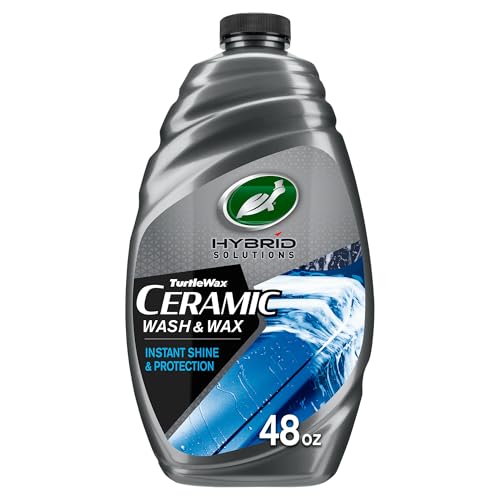

Wash your ceramic-coated car with a gentle, pH-neutral car shampoo using a soft microfiber mitt, then rinse thoroughly and dry with clean microfiber towels. That simple routine removes contaminants without increasing friction or altering the coating’s surface chemistry—two factors that determine how well the coating keeps repelling water over time.
If you’re maintaining a newer ceramic coating (or one that still beads water but looks less “slick” than it used to), this guide helps you clean the paint without undoing the benefits of the coating layer. It’s also a smart bridge if you’re switching from traditional wax maintenance to ceramic coating maintenance in 2025 and beyond, where “cleaner” products and automatic-brush washes can create inconsistent results.
Set Up for Ceramic Coating Maintenance

The quickest way to protect ceramic coating performance is to set up correctly before the first panel gets touched. Ceramic coating maintenance succeeds or fails based on chemical safety (pH and additives) and mechanical safety (friction from grit and dirty wash media).
A “neutral” pH is defined as pH 7 on the 0–14 scale, so a pH-neutral shampoo targets that approximate range rather than strongly acidic or strongly alkaline chemistry. According to NIST, the pH scale defines neutrality at pH 7 (2019).
The Mohs scale ranks mineral hardness from 1 (talc) to 10 (diamond), which matters because harder grit can abrade clear coat during contact washing. According to USGS, Mohs scale spans 1–10 (n.d.).
Use coating-safe essentials (and keep them clean)
For ceramic coating maintenance, the “kit” matters more than most people expect. Start with:
– A pH-neutral car shampoo explicitly described as safe for ceramic coatings (or at least safe for coatings broadly).
– Clean microfiber wash mitt(s) that are reserved for paint only.
– Dedicated drying towels (microfiber) that are genuinely clean and plush enough to avoid dragging.
Also plan for the most common failure mode in ceramic coating maintenance: you use the right shampoo, but the mitt picks up grit on earlier passes. That’s why clean wash media and controlled contact are non-negotiable.
Plan your water flow before contact
A ceramic-coated car is still paint underneath—contact washing is where micro-marring typically happens. To reduce that risk during ceramic coating maintenance:
1. Rinse thoroughly first to remove loose dirt, dust, and road grit.
2. Use gentle water flow to keep airborne grime from settling back onto the paint while you work.
In practice, I recommend treating your first rinse like a “decontamination preview,” not a cursory splash.
Avoid soap that dries on the paint
Ceramic coating maintenance doesn’t mean “soak and ignore.” Two things cause common spotting and streaking:
– Soap residue left behind as water evaporates
– Hard-water minerals that concentrate as the surface dries
Work in the shade and rinse each panel area before the shampoo film has a chance to dry.
Spotting is often linked to dissolved minerals and residues that concentrate as water evaporates on paint.
Two-Bucket Wash Steps (The Safe Contact Method)
Use the two-bucket contact method because it minimizes how much grime you reintroduce to the paint. Ceramic coating maintenance should feel deliberate: light pressure, clean mitt contact, frequent rinsing, and a thorough final rinse.
The purpose of the two-bucket method is to separate shampoo solution from rinse water so lifted grit doesn’t return to the paint during ceramic coating maintenance.
Light pressure reduces the amount of abrasive contact force between grit particles and clear coat, which helps prevent micro-marring during wash.
Step-by-step: from rinse to last pass
Follow this ceramic coating maintenance flow:
1. Pre-rinse the entire vehicle (roof to wheels), focusing on lower panels where grit accumulates.
2. Load the mitt with shampoo (don’t “dry wipe”). Keep the mitt damp and slippery to reduce friction.
3. Wash in straight, light passes over one panel section at a time.
4. Rinse the mitt often in the dedicated wash-rinse bucket (or rinse container).
5. Rinse the panel before moving on rather than repeatedly “working” the same area.
If you’re maintaining a ceramic-coated car in 2026 (or any recent year), the habit to build is rinse-before-grime-bakes. You don’t need long scrubbing times; you need correct contact.
Choose technique over speed
A common myth is that ceramic coating maintenance requires aggressive “cleaning power.” In reality, ceramic coatings are chemical- and hydrophobic-performance layers—not protection from abrasion from sand-like grit. The two-bucket routine keeps that grit out of the mitt as much as possible.
Contact washing vs. quicker (but riskier) methods
Below is a practical comparison that helps decide how strict you need to be for ceramic coating maintenance:
| Method | What it does well | Primary risk to ceramic coating maintenance |
|---|---|---|
| Two-bucket contact wash | Removes contaminants with controlled friction | Lower abrasion when mitt stays clean; preserves surface slickness |
| Brush-based automatic washes | Convenient rinse + soap delivery | Reusable brushes often trap grit; increases swirl risk and can shorten coating performance life |
| “Wax + wash” wash products | Adds cleaners and lubricants | May introduce waxes/polymers or solvents that interfere with coating chemistry or water behavior |
A friction-aware mindset (why grit hardness matters)
When you rub a ceramic-coated car, the key question is: “How hard is the particle I’m moving?” Hard minerals scratch more readily.
7 Common Road/Brake Minerals and Their Mohs Hardness (Abrasive Potential)
| # | Mineral (typical in grime) | Mohs Hardness | Where you see it | Ceramic-safe gentleness score* |
|---|---|---|---|---|
| 1 | Quartz | 7 | Road dust/grit | +3 |
| 2 | Feldspar | 6 | Earthy road dust | +4 |
| 3 | Magnetite | 5–6 | Brake dust | +4 |
| 4 | Hematite | 5–6 | Rusty dust | +4 |
| 5 | Calcite | 3 | Dust/road residue | +8 |
| 6 | Gypsum | 2 | Dry road chalky dust | +9 |
| 7 | Talc | 1 | Fine powdery dust | +10 |
Ceramic-safe gentleness score is a derived wash-risk estimate for ceramic coating maintenance based on Mohs hardness (higher hardness → lower score). For exact mineral likelihood in your area, local traffic and road treatment matter.
Wheels, Glass, and Trim Without Damaging the Coating
Wash order matters: treat wheels separately, clean glass near the end, and be cautious with trim so you don’t contaminate nearby coated paint. Ceramic coating maintenance is as much about “what you touch last” and “what chemicals you allow where” as it is about the shampoo you choose.
Wheels accumulate brake dust, which often contains iron oxides (rust-related minerals) that can act as abrasive grime on paint if transferred. According to USGS mineral references, iron oxides include hematite (Mohs ~5–6) (n.d.).
Using separate tools for wheels vs. paint is a standard contamination-control practice because wheel grime is typically much more abrasive than general road film.
Wheels: dedicated tools and wheel-safe chemistry
Ceramic coating maintenance fails quickly when you use the same mitt on wheels and paint. Wheels require:
– A dedicated wheel brush/mitt and a separate bucket
– A wheel cleaner that’s compatible with your wheels’ finishes and—if you rinse into the surrounding paint—won’t leave residues that clash with the coating
Even if the coating survives wheel contact, the bigger problem is reintroducing grit. Keep wheel work isolated.
Glass: clean last (or close to last)
Windshield and windows collect overspray and drips. In ceramic coating maintenance, this is why glass is typically cleaned near the end:
– You reduce the chance that water marks or cleaner residue runs down onto freshly washed panels.
– You also get a more predictable finish since glass can be polished/treated differently than paint.
Trim: avoid harsh dressings and cross-contamination
Trim is often porous plastic or rubber. Strong dressings can:
– Leave oily films that attract dust
– Run or wipe onto adjacent paint and affect coating behavior temporarily
Keep trim cleaning light, controlled, and separated when possible.
If a product changes how water beads on nearby paint, it may have transferred residue or altered surface chemistry—both of which impact ceramic coating maintenance appearance.
What Can Go Wrong (Common Coating Wash Mistakes)
Ceramic-coated cars can look great—or quickly degrade—based on a handful of preventable wash mistakes. Ceramic coating maintenance breaks down when you use the wrong chemistry, create abrasion through technique, or allow residues to dry on the surface.
Letting soap dry on exterior paint can increase spotting and make residues harder to remove without additional steps.
Paint micro-marring is often caused by abrasive particles being dragged across the surface during contact washing.
Mistake 1: wrong chemicals
Avoid:
– Strong detergents that aren’t pH-neutral
– “Wax + wash” or “wax cleaner” products that may introduce incompatible polymers
– Bug/tar removers that aren’t rated as safe for ceramic coatings
– Degreasers/solvents used without manufacturer approval
In ceramic coating maintenance, compatibility matters because some solvents can swell or alter the coating’s surface layer, even if the coating doesn’t fully fail overnight.
Mistake 2: rubbing without rinsing
The fastest route to swirl patterns is washing over dry grit. If the car still has visible grit or sand-like texture:
– rinse again before you touch it
– start with the softest contact possible
Mistake 3: skipping proper drying
Air-drying may feel convenient, but ceramic coating maintenance usually benefits from controlled drying:
– Water spots happen when minerals deposit as water evaporates.
– Once hardened, spots can require more aggressive steps than you’d want for coating life.
Mistake 4: mixing tool responsibilities
Even “gentle” mitt pressure can cause issues if the mitt has wheel grime or has been used on door jambs full of grit. Keep workflow separation.
Verdict: Keep It Simple, But Be Realistic
The most reliable ceramic coating maintenance approach is: pre-rinse, pH-neutral shampoo, gentle contact with clean mitts, thorough rinse, and careful microfiber drying. This balances true cleaning with minimal abrasion, which is what helps a ceramic-coated car keep its slick feel and water behavior.
A ceramic-coated finish still requires a paint-safe wash method because the coating does not eliminate the risk of physical abrasion from grit during contact washing.
Working in the shade and preventing product dry-down reduces the chance of residue staining and improves predictability in ceramic coating maintenance.
The upside—and the downside
Upside: fewer swirls, more consistent water beading/repellency, and less “mystery” after-wash behavior when you’re maintaining ceramic coating performance.
Downside: it takes more discipline than a quick drive-through, and it relies on keeping your tools clean—especially your microfiber wash mitts.
Who should skip (or pause and reassess):
– If you’re planning to use strong solvents/degreasers on purpose (those can be risky unless your coating manufacturer explicitly allows them).
– If your coating is already failing badly (widespread loss of water behavior, persistent etching, or heavy contamination)—you may need a separate decontamination/repair plan instead of “just washing.”
– If you don’t have safe tools (proper mitts, microfiber towels, and a reliable two-bucket setup), you may do more harm than good.
Quick Scan Checklist (Save This)
Ceramic coating maintenance is easiest when every wash follows the same repeatable steps and avoids the same high-risk shortcuts.
| Step | Do | Avoid |
|---|---|---|
| Pre-rinse | Rinse off loose dirt first | Scrubbing over grit |
| Shampoo | Use pH-neutral car shampoo | Harsh detergents / “wax & wash” products not approved for coatings |
| Wash media | Soft, clean microfiber mitt | Using the same mitt on wheels |
| Technique | Light pressure, straight passes | Circular scrubbing that grinds debris in |
| Rinse | Rinse thoroughly | Letting soap dry on paint |
| Dry | Dry with microfiber (or approved drying aid) | Air-drying that leads to water spots |
Sources
– NIST (National Institute of Standards and Technology). pH scale and definition of neutral pH at 7 (2019).
– USGS (U.S. Geological Survey). Mohs hardness scale overview (n.d.).
If you remember one thing for ceramic coating maintenance in 2026, make your wash consistent: rinse first, use pH-neutral shampoo, maintain clean microfiber contact, then dry carefully. With that routine, you protect the coating’s performance while still getting your paint truly clean—without the guesswork that comes from incompatible “quick clean” products.
Frequently Asked Questions
What is the safest way to wash a ceramic coated car without damaging the coating?
Start by rinsing the car thoroughly to remove grit, then use a pH-neutral car shampoo formulated for ceramic coating maintenance. Wash using the two-bucket method with a microfiber wash mitt to reduce swirl marks and avoid scratching the surface. Dry gently with clean microfiber towels or a ceramic-safe drying aid to maintain slickness and water beading.
How do I wash a ceramic coated car if it’s covered in heavy road grime or bugs?
Use a pre-rinse and, if needed, a dedicated bug and tar remover that is safe for ceramic coatings (avoid harsh solvents). Let water loosen grime before touching the paint, then wash from top to bottom using light pressure. For stuck-on contaminants, use a soft wash mitt or contamination remover—don’t scrub with a sponge or abrasive pad that can degrade the coating.
How often should I wash a ceramic coated car to maintain hydrophobic behavior?
Most owners aim for every 1–2 weeks, but frequency should match your driving conditions and how quickly contaminants build up. Regular ceramic coating maintenance with gentle washing helps preserve hydrophobic performance and gloss by preventing bonded dirt, bug residue, and grime from sitting on the surface. If you notice reduced water beading or slickness, wash promptly and consider a ceramic spray topper for added protection.
Which car wash products are best for ceramic coating maintenance?
Choose pH-neutral, ceramic-safe shampoos and microfiber tools specifically designed for coated paint. Avoid “wax and sealant” shampoos that can leave residues, as well as strong alkaline or acidic cleaners that may strip or weaken the ceramic coating. For drying and protection, use a ceramic spray detailer or topper that’s compatible with your coating to enhance gloss and hydrophobicity.
Why does my ceramic coated car still look dirty after washing, and how can I fix it?
If the surface looks dull or feels rough, it may be contaminated with bonded grime, hard water spots, or leftover residues that standard washing can’t remove. Do a chemical decontamination (water spot remover and/or iron remover safe for ceramic coatings) and follow with a gentle rinse before re-washing. After cleaning, dry correctly and apply a ceramic coating maintenance spray topper to restore water beading and smooth slickness.
📅 Last Updated: October 27, 2026 | Topic: Ceramic Coating Maintenance: How to Wash a Coated Car | Content verified for accuracy and freshness.
References
- Car wash
- Auto detailing
- Paint sealant
- Automotive paint
- CarPro | Car Buying & Selling Platform
- https://www.gtechniq.com/
- https://gyeon.co.uk/
- https://scholar.google.com/scholar?q=ceramic+coating+maintenance+car+washing+pH+neutral+shampoo Google Scholar
- https://scholar.google.com/scholar?q=automotive+ceramic+coating+cleaning+methods+durability+detergents Google Scholar
- https://scholar.google.com/scholar?q=ceramic+coating+wash+technique+safe+cleaners+microfiber+maintenance Google Scholar
