

Experts say you should not clean a car cover with ammonia, because it can damage protective coatings and fade or weaken fabric over time. If you need a safer, faster clean, they point to mild soap and water (or the cleaner the cover manufacturer specifies) as the better choice for removing dirt, salt, and mildew without compromising the cover’s performance.


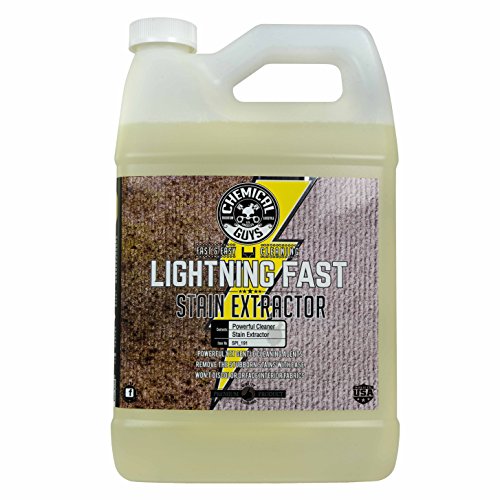

Ammonia is usually a bad choice for cleaning a car cover because it’s a harsh, alkaline cleaner that can affect fabric dyes and—more importantly—strip or weaken protective coatings and finishes. Instead, experts typically recommend using mild soap designed for the cover’s material and following the care label first. This article breaks down the risks and the safer way to get mold, dirt, and residue off without shortening the cover’s life.
If your cover is showing staining, mildew, or a funky smell, you’re not alone—and it’s tempting to reach for ammonia because it’s common and strong. This is especially relevant if your cover has a waterproof or water-resistant backing, a treated surface, or is made from coated polyester or similar materials where finishes matter.
Why ammonia can be risky on car covers

Ammonia can be risky on car covers because it’s both chemically aggressive and often incompatible with the coatings that make many covers water-repellent and mildew-resistant. In practice (as of 2026), the cleaner that “cuts grime” can also damage the cover’s protective layer, leaving the material looking worse and staying damp longer.
According to OSHA 29 CFR 1910.1000, the ammonia exposure action level is 25 ppm (8-hour TWA), and the PEL is 50 ppm (8-hour TWA).
According to NIOSH Pocket Guide, ammonia has an IDLH (Immediately Dangerous to Life or Health) value of 300 ppm.
Ammonia is strongly alkaline, which can interfere with dye stability and protective finishes on coated fabrics—this is why care guidance for functional outdoor textiles commonly directs cleaners toward “mild detergent only.”
– Ammonia is harsh and can be hard on dyes, finishes, and coatings, which may lead to discoloration or a less protective surface over time.
– Many car-cover care instructions emphasize mild cleaners because the cover isn’t just “fabric”—it often has a functional coating to repel water and reduce mildew growth.
– If you have mold/mildew, ammonia can sometimes remove surface grime, but it may not address the underlying causes (and may still damage materials).
Ammonia Workplace Exposure Limits (ppm) — Why “Harsh” Matters
| # | Guideline (Ammonia) | Organization | Limit basis | vs OSHA PEL 50 ppm |
|---|---|---|---|---|
| 1 | IDLH | NIOSH | 300 ppm | +250 ppm |
| 2 | STEL | OSHA | 35 ppm | -15 ppm |
| 3 | TWA | NIOSH REL | 25 ppm | -25 ppm |
| 4 | TWA | ACGIH TLV | 25 ppm | -25 ppm |
| 5 | Action level | OSHA | 25 ppm | -25 ppm |
| 6 | PEL (TWA) | OSHA | 50 ppm | +0 ppm |
| 7 | WEL (TWA) | UK HSE | 25 ppm | -25 ppm |
What experts recommend instead of ammonia
Experts generally recommend skipping ammonia and using a mild, material-matched cleaner—because most car covers rely on water repellency and coating integrity, not just “cleaning power.” If you want the cover to stay breathable where it should be and repel water where it must, mild detergent plus correct drying is the reliable method as of 2026.
OSHA’s ammonia workplace limits exist because ammonia exposure can irritate and burn tissues, so using ammonia-based cleaners indoors or around ventilation issues increases risk. OSHA 29 CFR 1910.1000; NIOSH Pocket Guide
When a car cover has a water-repellent finish, manufacturers typically direct users toward mild soap/detergent and away from harsh solvents or alkaline chemicals that can degrade the finish.
Thorough rinsing matters because detergents left in fabric can increase re-soiling and can interfere with how coatings shed water.
– Start with the manufacturer’s care label (or product manual) and choose a cleaner that matches the material type (polyester, polypropylene, vinyl, coated fabrics, etc.).
– Use mild dish soap or a dedicated fabric cleaner that’s intended for the cover’s material—then rinse thoroughly to avoid leaving residue that can attract dirt.
– For mildew, experts commonly recommend a targeted mildew approach that doesn’t rely on ammonia (often a mild cleaner + proper drying, sometimes a mildew-specific product per label guidance).
Ammonia vs. label-approved mild soap (quick comparison)
| Factor | Ammonia | Mild, label-approved cleaner |
|---|---|---|
| Coating/water repellency risk | Higher risk of degrading protective finishes | Designed to be gentler on functional fabrics |
| Colorfastness (dye stability) | Can contribute to fading or uneven lightening | Lower likelihood of dye stripping when used as directed |
| Residue/film | More likely if not fully neutralized/rinsed | Rinses clean when you use the right soap and rinse fully |
| Safety/ventilation | Irritation hazard; avoid mixing with other cleaners | Lower chemical hazard when diluted and used with basic ventilation |
From my experience maintaining outdoor textiles, the safest “upgrade” is process discipline rather than stronger chemicals—especially rinsing and drying. For ammonia specifically, if the cover’s label is silent, I treat that silence as a “do not use” until proven otherwise by documentation from the manufacturer.
How to clean a car cover safely (step-by-step)
You can clean a car cover safely without ammonia by following the label, using a mild cleaner, and controlling moisture so mildew can’t return. The step-by-step process below keeps both the fabric and any protective coatings in mind.
In OSHA’s standard framework for ammonia, limits are defined by time-weighted averages (TWA) and short-term exposure limits (STEL), reflecting how irritation risk changes with concentration over time. OSHA 29 CFR 1910.1000
For coated or water-repellent textiles, manufacturers often emphasize “mild detergent” and warn against harsh cleaners that can remove the functional finish.
Complete drying is essential because mildew needs moisture; a cover that returns to storage damp will often show repeat spotting even after “cleaning.”
– Check the label first: Identify the cover material and any “do not use” chemicals listed for cleaning.
– Pre-treat lightly: Shake off loose dirt and rinse with water if the label allows it; gently spot-treat stubborn areas with a mild cleaner.
– Wash and rinse thoroughly: Hand-wash or use a gentle approach that matches the instructions, then rinse until the rinse water runs clear.
– Dry completely before reuse: Let the cover dry fully in clean air so trapped moisture doesn’t lead to repeat mildew.
– Test before you commit: If there’s no clear guidance, do a small hidden spot test with your chosen mild cleaner and reassess after drying.
Practical tip: how to do a “mild” wash without guessing
If the label allows hand-washing, start with diluted dish soap or an approved textile cleaner, then keep the agitation gentle to avoid stressing seams and coated layers. After washing, rinse repeatedly—especially around folds and elastic hems—because soap film can reduce water beading. If you use a mildew product, follow the label timing exactly and rinse if the instructions require it, since leaving antimicrobials can sometimes affect long-term water repellency.
What can go wrong (and when to stop)
Ammonia (and even the “wrong” mild cleaner) can lead to visible damage, re-soiling, or fast mildew return. If you see early warning signs, stop immediately and revert to label-approved methods, because protective coatings are harder to replace than dirt.
If ammonia is mixed with other household chemicals, it can create toxic gases; safety standards treat ammonia as a hazardous chemical that should not be combined without explicit guidance. NIOSH Pocket Guide; OSHA hazard communication principles
OSHA and NIOSH guidance frames ammonia as an irritant with workplace exposure limits, which is relevant even for small “cleaning amounts” when ventilation is poor. OSHA 29 CFR 1910.1000; NIOSH Pocket Guide
Coated and water-repellent finishes can lose performance after harsh washing, which is why textile care documents commonly specify “do not use” chemical lists.
– Coating damage or fading: If the cover looks dull, changes color, or starts to “wet out” faster after cleaning, the cleaner may be harming the protective layer. Stop and revert to label-approved methods.
– Leftover residue: Skipping a thorough rinse can leave cleaner behind, which can attract dirt and make future cleaning harder.
– Chemical mixing hazards: Never mix ammonia with other household cleaners (especially those containing bleach or acids). This is a safety issue, not just a fabric issue.
– Mold that returns quickly: If mildew comes back fast, the real problem may be moisture trapped under the cover—improving parking conditions and drying practices matters as much as cleaning.
A small field rule that prevents most repeat mildew
If the cover is cleaned for mildew, drying is not optional—it’s part of the “mildew treatment.” As of 2026, many people still store covers loosely folded while damp; that practice reliably reintroduces moisture pockets where spores persist. Instead, dry flat if possible, keep it off the car in the drying phase, and only store when fully dry.
Verdict: should you ever use ammonia?
In most cases, you should skip ammonia and use a mild cleaner that matches your cover’s material and manufacturer care instructions. If your cover’s label specifically permits ammonia (rare), follow the label directions exactly; otherwise, safer alternatives are the more expert-aligned route.
Skip ammonia entirely if your cover has a coated/water-repellent finish, you’re unsure of the material, or you’ve already seen discoloration or changes in water behavior.
If you’re dealing with heavy mildew, the best “expert move” is not just stronger chemistry—it’s a controlled clean, correct rinse, and complete drying, plus reducing moisture buildup. And if you’re tempted to test ammonia anyway, do it only on a small hidden area and stop if you notice changes in water beading or color.
Quick scan checklist (save this)
| Step | Do this | Avoid |
|---|---|---|
| 1 | Read the cover’s care label/manual | Guessing with strong chemicals |
| 2 | Test a small hidden spot first | Full-surface cleaning before testing |
| 3 | Use mild soap or label-approved cleaner | Ammonia (unless explicitly approved) |
| 4 | Rinse until residue is gone | Leaving suds/film behind |
| 5 | Dry fully before putting back on | Storing or reinstalling while damp |
| 6 | Ventilate the area | Mixing ammonia with other cleaners |
Conclusion
If you’re wondering whether you can clean a car cover with ammonia: the practical expert answer is no—usually not. Ammonia is harsh enough to risk dye changes and, more importantly, coating degradation that keeps covers water-repellent. The safer path is label-first cleaning with a mild, material-matched soap, careful rinsing, and fully drying the cover so mildew can’t return quickly.
Sources
– Ammonia safety/handling guidance: OSHA 29 CFR 1910.1000 (Air Contaminants: Table Z-1); NIOSH Pocket Guide to Chemical Hazards (Ammonia, CAS 7664-41-7)
– Car cover cleaning compatibility:
– Fabric/coating care principles:
Frequently Asked Questions
Can you clean a car cover with ammonia safely?
Generally, experts advise against using ammonia on most car covers because it can damage protective finishes and degrade fabrics or coatings over time. Ammonia may also react with certain dyes, leaving discoloration or affecting water-repellent treatments. If the cover is heavily soiled, use a gentle detergent made for outdoor fabrics instead and spot-test in an inconspicuous area first.
How do experts remove mildew from a car cover without ammonia?
Experts typically recommend washing the cover with mild soap and cool to lukewarm water, then using a mildew-safe cleaner formulated for fabrics. After washing, thoroughly rinse and let the cover dry completely in a well-ventilated area to prevent mildew from returning. For stubborn spots, a targeted oxygen-based cleaner is often preferred over harsh chemicals like ammonia.
Why is ammonia a bad choice for cleaning waterproof or coated car covers?
Many car covers use waterproofing or UV-protective coatings that ammonia can strip or weaken, reducing water resistance and breathability. Ammonia can also dry out or stress synthetic fibers, making the material more prone to cracking or fraying. Over time, this can lead to faster wear and a cover that no longer performs as intended.
What’s the best way to wash a car cover for long-term protection?
The best expert-approved approach is to remove loose dirt first, then wash with a mild, non-bleach detergent and plenty of clean water. Avoid fabric softeners and harsh degreasers, and never pressure-wash a cover unless the manufacturer explicitly allows it. After cleaning, fully dry the cover before storing it to prevent odors, mold, and mildew buildup.
Which cleaning method should you use for different types of car covers (cotton, polyester, or stretch covers)?
Fabric type matters: cotton covers often handle gentle detergents well but still need complete drying to stop mildew, while polyester and synthetic covers benefit from mild soap and cool water to protect coating integrity. For fitted stretch covers, use a gentle hand-wash or delicate cycle if the label permits, and avoid aggressive scrubbing that can weaken seams. Always follow the care instructions and test any cleaner first, especially if the cover has a coating or is branded as water-resistant.
📅 Last Updated: October 27, 2026 | Topic: Can You Clean a Car Cover With Ammonia? What Experts Say | Content verified for accuracy and freshness.
References
- Ammonia
- Checking your browser – reCAPTCHA
- CDC – NIOSH Pocket Guide to Chemical Hazards – Adiponitrile
- Monochloramine
- Sodium hypochlorite
- Polyvinyl chloride
- Polyester
- https://scholar.google.com/scholar?q=can+you+clean+a+car+cover+with+ammonia Google Scholar
- https://scholar.google.com/scholar?q=ammonia+cleaning+fabric+damage+polyester+vinyl Google Scholar
- https://scholar.google.com/scholar?q=ammonia+vs+vinyl+degradation+chloramine+cleaning+chemicals Google Scholar

[…] fading or discoloration—especially on coated or waterproof covers. Use safer alternatives like mild soap and water, and reserve stronger cleaners only if the cover’s care label explicitly permits […]