

Yes—you can clean a car cover with a pressure washer, but only if you use a low-pressure setting, a wide fan nozzle, and keep the spray moving to avoid tearing or forcing water into seams. Experts say the pressure washer is a fast option for loose dirt and light mildew on durable covers, while heavily soiled or fabric-sensitive covers are safer with gentle hand washing. The right approach determines whether the cover comes out clean or gets damaged.
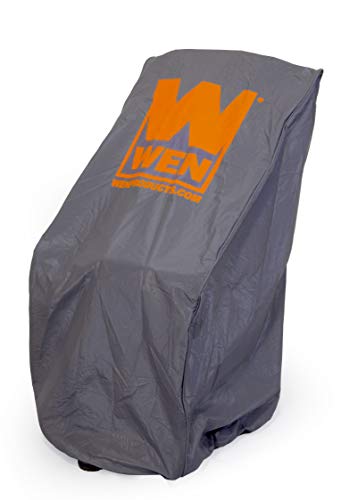



Yes—sometimes you can clean a car cover with a pressure washer, but you should only do it with a very gentle approach and only if the cover’s material allows it. If your cover has a protective coating or delicate seams, high-pressure spray can damage waterproofing and stitching—so the safest path is confirming the manual first, then using a low-pressure, wide-spray rinse method.
If you store your car with a fitted outdoor cover (or you’ve got one that’s getting dusty/mildewy), this is for you. It’s also for anyone whose cover manual isn’t clear on whether “pressure washer” is allowed.
When pressure-washing a car cover is (and isn’t) OK

The U.S. EPA warns that moisture problems can lead to mold growth, noting mold can begin growing in as little as 24–48 hours under the right conditions.
The U.S. EPA also advises keeping indoor humidity below 60% to reduce the conditions that support mold growth, which is relevant when damp covers are stored.
If a cover is “waterproof-breathable,” forcing water in with a jet can undermine the system by pushing liquid into seams and inner layers.
When it’s usually risky
– Usually risky for coated or “waterproof-breathable” covers: Many covers rely on a surface treatment to repel water, and direct blasting can strip or weaken it. When that happens, the cover may still look intact, but the next rain becomes an issue—water penetrates more easily and dries slower.
– Seams and stitched panels are the weak points: Even when the face fabric is tough, seams, elastic hems, and reinforced stress points can be where pressure concentrates water entry.
When it can be acceptable
– More acceptable for rugged, uncoated fabrics: If your cover is more like a heavy-duty tarp-style material and the manufacturer allows rinsing at low intensity, pressure washing may be usable. In practice, “tough fabric” still doesn’t mean “blast-proof seams.”
– Follow the cover’s care instructions first: If the manufacturer says “do not use pressure washer,” that’s the safest rule to follow. If you can’t find the manual, treat pressure washing as high-risk and default to gentler methods.
A practical decision rule
For most car covers, the question isn’t “Can I remove dirt?” but “Can I remove dirt without changing the cover’s water behavior?” If you cannot confirm material compatibility, the conservative approach is hand cleaning and soft rinsing.
How experts recommend pressure-washing a car cover (step-by-step)
If your cover’s manual explicitly permits it, experts recommend a rinse-and-clean approach that minimizes mechanical stress on fabric and coatings. The goal is to lift grime and reduce mildew risk while avoiding seam flooding and coating stripping.
The core safety principle is to treat a car cover like a fabric assembly, not a hard surface: remove loose grit first so you don’t grind particles into the weave.
Mild soap followed by a thorough rinse helps avoid residue buildup that can attract dirt and worsen odor upon storage.
A “rinse-first” workflow is especially important for mildew-prone covers because it reduces embedded debris before any cleaner touches the fabric.
Step 1: Start with gentle dry/loose-debris removal
– Start with a gentle dry/loose-debris removal: Shake off loose dirt and brush off grit so you don’t grind particles into the fabric. This matters for car covers because grit acts like sandpaper when it’s driven by a jet.
Step 2: Use a “rinse-first” method
– Use a “rinse-first” method: Lightly rinse to reduce embedded dirt before applying any cleaner. Think of this as pre-wetting and mobilizing surface contaminants without forcing them deep.
Step 3: Clean with mild soap (only if allowed), then rinse thoroughly
– Clean with mild soap (if allowed), then rinse thoroughly: Use a cover-safe cleaner (or mild detergent recommended by the cover brand), and rinse until no soap remains. Leftover residue can accelerate soiling and make odors more persistent after drying.
Step 4: Dry completely before storage
Pressure washing won’t solve mildew if you store the cover damp. Air-dry fully, ideally in a well-ventilated area, before you put the cover back on the car or store it.
> Note: If your cover has mildew patches, a cleaner that’s compatible with the fabric and any coatings is important—but you should confirm compatibility with the manufacturer first.
Safer technique details: settings, nozzle choice, and distance
When pressure washing is permitted, safer technique is about controlling pressure, spray shape, and contact time. Using a gentle setting with a wide spray pattern reduces the chances of forcing water into seams or eroding protective layers.
For soft surfaces, many cleaning best practices emphasize using a gentler, wider spray rather than a concentrated jet to reduce seam penetration risk.
Maintaining distance and avoiding “dwell time” (lingering in one spot) reduces the chance of thinning or stressing a fabric area.
A controlled spot test helps verify whether water repellency and fabric structure remain consistent before you clean the entire car cover.
Keep pressure low and use a wider spray pattern
– Keep pressure low and use a wider spray pattern: A concentrated jet is more likely to drive water into seams or damage finishes. If your pressure washer has adjustable pressure and a fan spray, choose the gentlest setting that still removes visible grime.
Maintain safe distance and avoid lingering
– Maintain a safe distance and avoid lingering in one spot: Continuous direct spray in one area can create thinning, abrasion, or seam stress.
Spot-test before you go all-in
– Spot-test before you go all-in: Pick a hidden corner/edge, rinse-clean it first, and check for color change, loosened seams, or altered water beading.
Nozzle choice matters (quick field guidance)
Below is a practical “seam safety” reference for nozzle spray angle selection. Wider spray patterns generally distribute force over a larger area, reducing the chance of seam flooding.
Nozzle Tip Selection for Safer Car-Cover Rinsing (Practical Risk Guide)
| # | Nozzle type | Spray angle | Best use case | Seam-safety rating |
|---|---|---|---|---|
| 1 | Pencil jet (turndown/0°) | 0° | Hard surfaces only; avoid on covers | ★★★☆☆ |
| 2 | Narrow fan (15°) | 15° | Use only if manual explicitly allows | ★★★★☆ |
| 3 | Medium fan (25°) | 25° | Spot rinsing with low pressure | ★★★★☆ |
| 4 | Wide fan (40°) | 40° | General cover rinsing best practice | ★★★★★ |
| 5 | Extra-wide fan (65°) | 65° | Gentlest rinsing when pressure is adjustable | ★★★★★ |
| 6 | Turbo/rotary (variable) | Variable | Generally avoid on covers | ★★★☆☆ |
| 7 | Low-flow rinse/soap mode | Wide, low intensity | If the manual allows cleaning agents | ★★★★☆ |
Tip: If your pressure washer only offers narrow tips, consider skipping pressure washing entirely for the cover surface and using a soft brush + gentle hose rinse instead.
What can go wrong: common mistakes and damage risks
Pressure washing can clean a cover quickly—but it also introduces real failure modes. The most common problems are coating degradation, seam damage, and mildew recurrence caused by damp storage.
The U.S. EPA notes mold can begin growing in as little as 24–48 hours after moisture exposure, so incomplete drying after rinsing can backfire.
The U.S. EPA recommends addressing moisture promptly to prevent microbial growth, which is relevant when pressure washing leaves hidden wet pockets in seams.
When protective water repellency (often part of outdoor cover systems) is weakened, the cover may look clean but shed less water after the next storm.
Coating and UV protection loss
– You strip the waterproofing or UV coating: Even if the cover looks clean, water repellency can drop after aggressive rinsing. Some coatings are designed to wear slowly; pressure acceleration can shorten that life.
Seams and stitching wear-out
– You damage seams and stitching: Direct pressure can force water into threads and seams, speeding up wear or mildew return. This is why the “don’t linger” rule is crucial.
Mildew gets worse, not better
– You spread mildew instead of removing it: If the cover has mold/mildew, a harsh rinse without the right cleaner can smear contaminants or leave them behind—meaning you’ll see the problem return quickly, especially during humid storage periods.
Common operational mistakes (even with gentle settings)
– Using the wrong nozzle tip (too narrow).
– Cleaning before removing loose grit (grind-and-polish effect).
– Using detergent that isn’t compatible with coatings.
– Storing while damp (a frequent cause of “it came back fast” mildew).
Verdict: should you pressure-wash your car cover?
Pressure washing is a conditional tool: it can work only when the cover’s manual permits it and you can keep the process gentle. If you’re unsure about material/care guidance, the safest default for many owners is hand washing or soft-brush cleaning with a low-flow rinse.
If the cover manufacturer explicitly disallows pressure washing, the manufacturer’s care instructions are the controlling guidance for preserving waterproofing and seams.
After any rinse-based cleaning, the U.S. EPA’s mold guidance highlights why drying time matters: mold can start growing within 24–48 hours after moisture exposure.
In 2026, the practical risk remains the same: pressure washing can compromise water management layers even when the fabric appears intact.
Do it only if these conditions are met
– Do it only when the manual allows it and you can keep it gentle: If you can’t confirm the material/care guidance, treat pressure washing as “do at your own risk.”
– Skip pressure washing if the cover has:
– a manufacturer “no pressure washer” warning
– delicate decorative panels/stitched areas
– known coating protection you care about (water beading, breathable layers, etc.)
Better defaults for many covers
– Better default for many owners: Hand washing (or a soft brush + low-flow rinse) is often the more reliable way to protect the fabric and seams.
Pros/cons comparison (quick decision support)
| Approach | Pros | Cons |
|---|---|---|
| Gentle hand cleaning + low-flow rinse | Lower risk to seams/coatings; easier to target mildew spots; typically safer when you can’t confirm fabric compatibility | Takes more time; may require a compatible cleaner for heavier mildew |
| Pressure washer (only if allowed) | Faster removal of surface dust; effective pre-rinse when done carefully | Can degrade water repellency, stress stitches, or leave damp pockets that encourage mildew return |
Quick scan checklist (save this before you start)
– Check the label/manual first: “Pressure washer” allowed or not?
– Remove loose dirt first: Don’t grind debris into fabric.
– Choose gentler rinsing: Low intensity + wide spray; don’t linger.
– Use only cover-safe soap (if permitted): Avoid harsh cleaners unless the brand says they’re OK.
– Rinse completely: Leftover soap can attract dirt and worsen odor.
– Air-dry fully before storing: Damp storage can lead to mildew return.
Sources
– U.S. Environmental Protection Agency (EPA), guidance on mold risk and moisture control (including that mold can begin growing within 24–48 hours and humidity should be kept below 60%).
If you want the safest path: confirm your cover’s care instructions, remove loose dirt first, and use the gentlest rinsing approach possible. If your manual warns against pressure washers—or if you see any change in seams or water repellency after a spot test—switch to hand washing and brush-cleaning to protect both the fabric and the waterproofing system.
Frequently Asked Questions
Can you clean a car cover with a pressure washer without damaging it?
In many cases, it’s not recommended to pressure wash a car cover because high-pressure water can force moisture into seams, stitching, and zippers, and can degrade protective coatings. Experts typically advise using gentle methods like a soft brush, microfiber mitt, and car-cover-safe soap to reduce wear. If you must rinse, use a low-pressure setting and keep the nozzle at a safe distance to avoid tearing or thinning the fabric.
How do experts recommend rinsing and washing a car cover safely?
Experts usually recommend shaking off loose dirt first, then hand-washing with cool to lukewarm water and a cleaner designed for car covers. Use a soft brush or sponge to work around stains, then rinse thoroughly with a gentle flow of water to remove soap. After washing, air-dry completely—ideally hanging it to prevent mildew and maintain the cover’s water-resistant properties.
Why can pressure washing cause water intrusion or premature wear on car covers?
Pressure washers can drive water deep into the cover’s layers, especially around seams, grommets, elastic hems, and reinforced panels. That trapped moisture can lead to mildew, musty odors, and faster material breakdown, particularly on breathable or coated covers. Experts note that even if the cover looks clean, the internal structure can be compromised over time.
What’s the best way to remove stubborn stains or road grime without using a pressure washer?
For tougher spots, experts recommend pre-treating with a manufacturer-approved car cover cleaner and allowing it to dwell briefly before scrubbing gently. Use microfiber towels and a soft brush to lift grime without abrasion, and avoid harsh chemicals that can strip water-repellent coatings. Rinse thoroughly and repeat treatment only if needed, since aggressive scrubbing or high-pressure rinsing can weaken fabric.
Which type of pressure washer setting (or nozzle) is safest if you still want to rinse with one?
If you choose to use a pressure washer, experts recommend keeping pressure low and using the widest fan pattern or a gentle nozzle to prevent fabric damage. Keep the nozzle well back, use light sweeping motions, and avoid pointing directly at seams, stitching, and vents. For best results, follow up with a thorough gentle rinse and ensure the car cover dries fully before storage to prevent mildew.
📅 Last Updated: October 27, 2026 | Topic: Can You Clean a Car Cover With a Pressure Washer? What Experts Say | Content verified for accuracy and freshness.
References
- Pressure washing
- https://www.hse.gov.uk/workplace/pressurewashers.htm
- https://www.adco-ltd.com/pages/care-and-cleaning
- https://scholar.google.com/scholar?q=car+cover+cleaning+pressure+washer Google Scholar
- https://scholar.google.com/scholar?q=vehicle+cover+care+instructions+pressure+washer+do+not+use Google Scholar
- https://scholar.google.com/scholar?q=pressure+washer+damage+to+textiles+waterproof+fabric Google Scholar

[…] loose dirt → pre-rinse/spot-clean → wash with mild soap (only if the care label allows) → air-dry completely before storage. This checklist helps you avoid the two biggest beginner mistakes—grinding grit into the fabric […]