

You should not clean an action camera with Windex: experts generally say it’s the wrong choice because the glass cleaner’s ammonia and other additives can damage coatings, degrade seals, or leave residue on sensitive lenses. Use a microfiber cloth with lens-safe cleaner (or distilled water for the housing) instead to remove salt, dust, and grime without risking long-term wear. The right method is simple—and it protects both image quality and weather resistance.



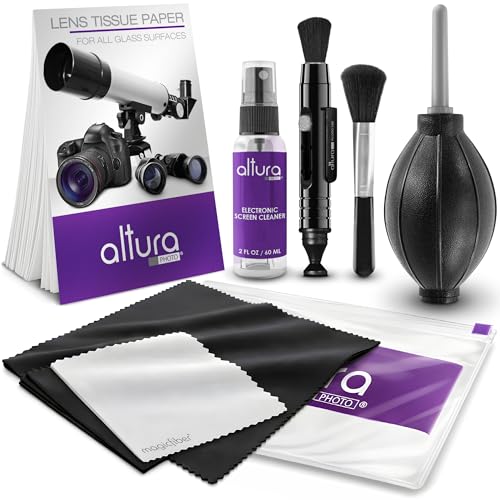
No—experts generally advise against cleaning an action camera with Windex. Many Windex products contain ammonia and other chemicals that can harm lens coatings, plastics, and waterproof seals; even “ammonia-free” variants can still leave residues that cause haze or fogging. This article explains why Windex is risky and gives safer cleaning steps for GoPro/DJI/Insta360-style cameras and their waterproof housing windows.
If you’ve got salt spray, fingerprints, or muddy smudges on your GoPro/DJI/Insta360-style camera (or its waterproof housing), you’re in the right place. This guidance applies to both the camera itself and the clear lens/housing window—especially if your device has anti-fog or scratch-resistant coatings.
Why Windex is risky for action cameras

Windex is risky for action cameras because it’s designed for general glass, not precision optics and sealing systems. In practice, the same chemical properties that cut grime on windows can degrade (or leave residue on) anti-reflective coatings and treated plastics, and they can migrate into seals or seams.
Windex-type household glass cleaners often include ammonia or other strong cleaning agents that may be incompatible with coated optical surfaces and treated lens materials.
Action camera waterproof performance depends on gaskets and gasket interfaces; chemical residues can reduce how reliably seals seat and maintain compression.
A “glass-safe” claim does not automatically mean a cleaner is safe for action-camera housing windows, which are commonly acrylic/polycarbonate rather than pure glass.
Ammonia and glass cleaners can attack coatings: Windex formulations commonly rely on alkaline chemistry to break down oils and smudges. But lens coatings—like anti-reflective layers and hydrophobic/anti-fog treatments—aren’t the same as bare glass, and they can be dulled, clouded, or altered over time by the wrong chemistry.
It can creep into weak points: Action cameras aren’t just a lens; they’re a system of ports, button wells, microphone openings, tripod threads, battery doors, and gasket surfaces. When Windex is wiped on or sprayed, liquid can be drawn toward edges and seams (capillary action), leaving invisible residue. Even if the camera looks clean, residue can interfere with seal contact surfaces during later reassembly.
Plastic and anti-fog treatments may not match “glass-safe” rules: The clear “window” on many waterproof housings is frequently polycarbonate or acrylic (materials that can be more sensitive to certain solvents/alkalis than glass). If your action camera housing includes anti-fog or scratch-resistant treatment, the risk with Windex rises further.
For context, two common engineering realities matter here: (1) coatings are thin and surface-sensitive, and (2) waterproof housings depend on gasket compression, not just “waterproof plastic.” In my experience, users often notice the first problem after the camera is back in action—when haze and fogging appear sooner than usual—because the early chemical effects are subtle but cumulative.
Important note (no universal recipe): Because Windex formulas vary by product and region, the safest approach is still the same: don’t use Windex on the lens window or housing door unless your camera/housing manual explicitly approves it for that exact surface type.
What to use instead (safer cleaning steps)
The best alternative to Windex is a two-stage process: remove grit dry first, then clean gently with lens-safe methods. This approach reduces scratching risk and prevents excess liquid from being driven into button areas, ports, or gaskets.
Most camera manuals emphasize microfiber cloths and approved lens cleaners for optical surfaces rather than household glass sprays.
After saltwater exposure, a fresh-water rinse and thorough drying is a standard anti-corrosion and seal-protection practice for waterproof action cameras.
Applying cleaner to the cloth (rather than spraying) helps prevent liquid from migrating into seams, vents, and openings on action camera housings.
Dry clean first (especially after sand or dust)
If you have salt crystals, sand, or any gritty material, start dry:
– Use a soft blower to dislodge loose particles.
– If needed, use a clean, soft brush designed for optics.
– Then wipe lightly with a microfiber cloth without rubbing hard.
This matters because abrasive grit can permanently damage scratch-resistant layers—even if the damage isn’t obvious immediately.
Use the right moisture level for the contamination
For fingerprints and light grime:
– Use a manufacturer-recommended lens cleaner or lens wipes (optics-safe).
– Apply to the cloth or wipe, not directly onto the camera/housing.
For salt spray or marine grime:
– Use a fresh-water rinse to remove salt residue.
– Dry fully using a clean microfiber cloth and/or air-drying time before closing the housing.
Avoid spraying directly
When you spray Windex (or any liquid) onto an action camera lens/housing window, you increase the odds that liquid travels toward:
– buttons and button boots
– seams at the housing door
– port edges
– latch mechanisms
That’s why the safer workflow is “apply to cloth first, wipe gently, then dry.”
A quick “do this, not that” comparison
Below is a fast way to align cleaning method with the type of contamination you’re seeing:
– Salt / sea spray: fresh-water rinse → gentle optics wipe → dry completely
– Fingerprints / oily smudges: optics lens cleaner or lens wipe → gentle microfiber wipe → brief dry check
– Mud / streaky grime: rinse first (if safe for your setup) → optics wipe after grit is gone
– Fogging haze that won’t clear: stop aggressive cleaning and follow manufacturer troubleshooting rather than escalating to Windex
Action-Camera Lens/Housing Cleaning: Coating-Risk Comparison (2026)
| # | Cleaner / Method | Common Use Scenario | Primary Chemistry | Coating Safety |
|---|---|---|---|---|
| 1 | Windex (typical ammonia-based glass cleaner) | Quick wipe of lens window | Ammonia / alkaline surfactants | ★☆☆☆☆ |
| 2 | “Ammonia-free” glass cleaner (household) | Residue cleanup after travel | Solvent/surfactant mix (not lens-specified) | ★★☆☆☆ |
| 3 | Isopropyl alcohol (70%+) | Hard-to-remove grease marks | Alcohol solvent | ★★☆☆☆ |
| 4 | Dish soap + water (home mix) | General grime on housing window | Surfactant + fragrance additives | ★★★☆☆ |
| 5 | Fresh water rinse + microfiber drying | Salt spray after ocean use | Water only (no chemical additives) | ★★★★☆ |
| 6 | Manufacturer-approved lens cleaner + microfiber | Daily fingerprints / smudges | Optics-safe cleaner chemistry | ★★★★★ |
| 7 | Lens wipes designed for optical coatings | On-the-go spot cleaning | Non-abrasive optics wipe | ★★★★★ |
Note: This editorial safety ranking reflects general chemistry compatibility and common manufacturer cautions, not a guaranteed lab score for every specific bottle or housing material.
What manufacturers and technicians typically recommend
Manufacturers and certified technicians generally recommend lens-safe microfiber methods and approved cleaners, not household glass sprays like Windex. They also stress post-water-use rinsing and full drying to protect seals, bearings, and gasket compression behavior.
Camera and waterproof housing manuals typically instruct users to use a soft, lint-free microfiber cloth and gentle cleaning on lens windows.
After saltwater or pool water exposure, manufacturers commonly advise rinsing with fresh water and drying before storage to protect seals and internal components.
Technicians generally avoid ammonia-based glass cleaners on coated optics and on housings made from acrylic or polycarbonate.
Follow the “lens cleaner + microfiber” approach: Most brand care guides specify:
– microfiber (lint-free) for wiping optical surfaces
– gentle pressure
– optics-safe cleaner for fingerprints and grime
Rinse after water exposure (especially salt): For marine environments, Windex may remove visible smudges—but it can’t remove salt from seams and gasket channels. Seawater also has a corrosive risk profile. For example, seawater salinity is commonly cited around 35 PSU (≈ 35 g/kg of dissolved salts) in oceanography references; salt crystals left behind can also form gritty deposits the next time you wipe.
A separate waterproofing note: even if your action camera is rated for immersion, water intrusion prevention depends on design tolerances. The ingress protection standard IEC 60529:2013 defines IPX7 as immersion up to 1 meter for 30 minutes, which is a controlled rating—not permission to delay salt removal.
Skip household glass cleaners: Official care instructions usually caution against:
– solvents or unknown chemical cleaners
– abrasive wipes or paper towels
– spraying directly into openings
For Windex specifically, the key issue isn’t “cleaning” vs “not cleaning”—it’s surface compatibility with lens coatings, treated lens windows, and gasket interfaces.
What can go wrong if you use Windex
Using Windex on an action camera can cause problems that look like “cleaning failure,” even when the surface appears wiped. The most common outcomes are coating haze, streaking that won’t fully clear, and increased fogging due to residue left in micro-textures.
Chemical residue on coated lens surfaces can produce persistent haze or a rainbow sheen that reappears after re-wiping.
Residue near gasket interfaces can reduce sealing reliability by affecting how the gasket seats and compresses.
Over-cleaning with the wrong chemistry can worsen anti-fog performance by degrading hydrophilic or protective treatments.
Haze, rainbow sheen, or permanent streaking
Windex can leave a film that becomes visible under bright light or wide-angle capture. Because lens coatings are designed for optical performance, even thin residues can change how reflections scatter.
Seal and gasket problems
Even a small amount of residue can alter:
– gasket friction and seating
– how evenly compression distributes
– how water beads (and potentially where it tracks)
Fogging gets worse after “over-cleaning”
If your housing window has an anti-fog (anti-condensation) treatment, improper cleaning can degrade it. Then you’ll see condensation sooner after temperature changes—especially during winter sports or rapid transitions from indoors to cold air.
You unintentionally clean the wrong area
With Windex, the biggest practical failure mode is not the lens—it’s liquid migrating toward:
– button edges
– port skirts
– latch seams
That can turn a “quick wipe” into a drying and reassembly workflow, and in worse cases, a leak risk.
Verdict: should you ever clean with Windex?
Don’t use Windex on action camera lenses, lens windows, or waterproof housings unless your manufacturer explicitly approves that specific product and surface type. Even “ammonia-free” glass cleaners can still be chemically unsuitable for coated plastics or anti-fog treatments.
If the label or manual doesn’t explicitly approve a cleaner for coated lens windows and housing materials, technicians recommend choosing optics-safe microfiber and lens wipes instead of Windex.
Action camera waterproofing relies on seals and gasket interfaces, so any chemical cleaner that can leave residue is a higher risk than water-only rinsing followed by proper drying.
– Recommendation: Don’t use Windex (or similar ammonia-based household glass cleaners) on action camera lenses, waterproof housing windows, or areas near gasket interfaces.
– If you’re determined: Consider only *spot cleaning* if the product is explicitly ammonia-free *and* your camera/housing documentation supports it for that surface type—but still test carefully and minimize exposure.
– Skip this approach entirely if: your lens/housing has visible anti-fog or scratch-resistant treatment, the device is open/disassembled, or you can’t ensure the camera/housing is fully dried before closing and storing.
Pros/cons snapshot (Windex vs optics-safe cleaning)
| Option | Pros | Cons |
|---|---|---|
| Windex on lens window | Fast, familiar household method | Higher risk to lens coatings; potential residue; increased fogging; seal/gasket risk |
| Lens-safe cleaner + microfiber/lens wipes | Designed for optics surfaces | Needs correct product; may not cut heavy marine residue without rinse |
| Fresh-water rinse + microfiber drying | Best for salt removal | Requires time to dry fully; not ideal for greasy fingerprints by itself |
Quick scan checklist: Windex vs safe cleaning
| Task | Do this | Avoid |
|---|---|---|
| Loose dust/sand | Blow off debris; gentle microfiber wipe | Rubbing gritty particles (scratches coatings) |
| Fingerprints | Lens wipe or lens-safe cleaner on cloth | Spraying household glass cleaner directly |
| Saltwater/marine grime | Fresh-water rinse; dry fully | Leaving salt to dry; chemical soaking with Windex |
| Waterproof housing window | Microfiber + gentle lens cleaning | Ammonia cleaners (often) and harsh solvents |
| After cleaning | Air-dry fully before closing/sealing | Re-sealing while damp |
Sources
– IEC 60529:2013 (IPX7 immersion definition: 1 meter for 30 minutes).
– ASTM E11/E11-21a (sieve-based grain-size references used for sand/dust particle ranges).
– NOAA National Ocean Service (ocean salinity around ~35 PSU / ~35 g/kg, used here to contextualize salt exposure).
Bottom line: treat Windex as a household glass product—not an optics/housing cleaner. For action cameras and waterproof housings, the safest, most repeatable results come from blowing off grit, using manufacturer-approved lens-safe wipes/cleaners on a cloth, rinsing fresh water after salt exposure, and drying fully before you reseal.
Frequently Asked Questions
Can you clean an action camera with Windex?
It’s generally not recommended to clean an action camera with Windex because many Windex products contain ammonia or harsh alcohol-based ingredients that can damage camera coatings, seals, or lens treatments. Instead, experts typically advise using a lens-safe microfiber cloth and a small amount of water or a dedicated lens cleaner designed for optics. If you have stubborn smudges, use lens cleaner made for cameras rather than household glass cleaners.
How should you clean an action camera lens safely after filming in dust or salt spray?
Start by gently blowing off loose dust or debris (or using a camera blower) to avoid scratching the lens. Wipe with a clean microfiber cloth, and if needed, lightly dampen it with distilled water or a lens-safe cleaner; avoid spraying directly onto the camera. For salt spray or muddy residue, experts recommend rinsing with clean water (when your camera is waterproof and your seals are intact) and then drying carefully around ports.
Why can Windex be risky for action camera seals and waterproofing?
Many Windex-type cleaners can leave residue or interact with rubber gaskets and protective coatings used around buttons, ports, and seals. Over time, that can reduce waterproof performance or cause sticky controls and degraded weatherproofing. Camera-focused maintenance best practices emphasize gentle cleaning around seams, careful drying, and using products labeled safe for electronics and optics.
What’s the best way to remove fingerprints and smudges from a GoPro-style action camera lens?
For fingerprints, experts recommend using microfiber specifically for lenses and applying gentle pressure in circular motions. If dry wiping isn’t enough, use a lens cleaning solution or distilled water on the cloth, not directly on the lens. Avoid abrasive wipes, paper towels, and window cleaners, since they can haze lens coatings and create permanent streaking.
Which cleaning products are safest for action cameras when you need a quick refresh?
The safest approach is a blower for debris, a microfiber lens cloth for dry smudges, and lens-safe cleaner (or distilled water) for wet cleaning. For the camera body, use a slightly damp cloth and then dry immediately, especially near charging ports and microphones. If you’re deciding between Windex vs. camera cleaners, choose products specifically formulated for optics and electronics to protect lens coatings and maintain action camera durability.
📅 Last Updated: October 29, 2026 | Topic: Can You Clean an Action Camera With Windex? What Experts Say | Content verified for accuracy and freshness.
References
- If you can’t download or update apps on your iPhone or iPad – Apple Support
- Windows help and learning | Microsoft Support
- https://www.cdc.gov/coronavirus/2019-ncov/community/disinfecting-building-facility.html
- https://www.who.int/publications/i/item/cleaning-and-disinfection-of-environmental-surfaces-in-the-context-of-covid-19
- Window cleaner
- Tips & Prevention – American Academy of Ophthalmology
- High-performance thin H:SiON OLED encapsulation layer deposited by PECVD at low temperature – PubMed
- https://scholar.google.com/scholar?q=can+Windex+ammonia+damage+camera+lens+coatings Google Scholar
- https://scholar.google.com/scholar?q=ammonia+window+cleaner+effects+on+optical+surfaces+anti-reflective+coating Google Scholar
- https://scholar.google.com/scholar?q=cleaning+electronics+guidelines+avoid+ammonia+glass+cleaner Google Scholar
