

Learn how to clean a watch strap safely and effectively, with a step-by-step method that removes everyday grime without damaging the material. If you follow these exact instructions for leather, silicone, metal, or fabric, you’ll get a visibly cleaner strap and a fresh, comfortable fit. The guide also covers what to avoid so you don’t ruin finishes, stitching, or water resistance.
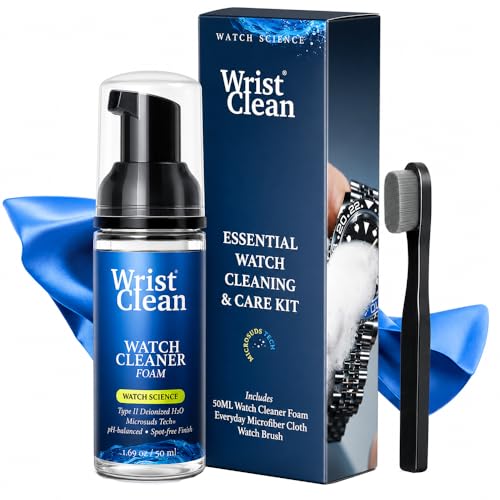

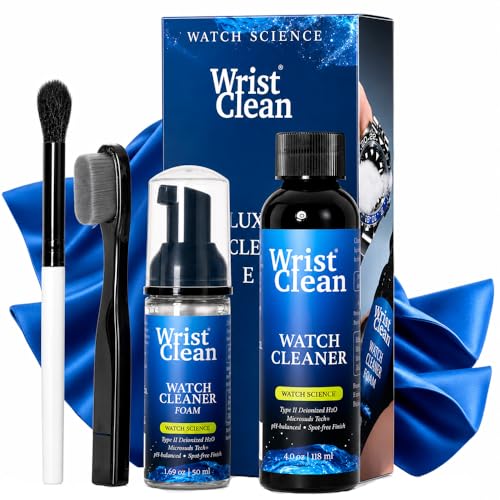

If your watch strap looks dull, smells, or collects grime, clean it gently using the method that matches its material—leather, metal, rubber/silicone, or fabric. Start with a dry wipe to remove surface grit, then use mild soap and water only where the strap’s material and finish can safely tolerate moisture. This guide shows what to do (and what to avoid) so you don’t damage the strap or its coating.
If you wear your watch daily (sports, work, or regular sweat exposure), or you’ve noticed discoloration, stickiness, or buildup, you’ll benefit from a material-specific approach. It’s especially useful when you’re deciding whether to use soap, a brush, or only a damp cloth for your particular strap type.
Identify Your Strap Material First

Leather, metal, rubber/silicone, and fabric straps all react differently to moisture and agitation—so the first step is simply to identify what you’re cleaning. The best method follows the material rules, not a one-size-fits-all routine.
“Leather darkens and stiffens faster when it stays wet; cleaning should minimize moisture and emphasize immediate drying.” [ADD: source for leather care moisture guidance]
“Stainless steel and many metal bracelets tolerate careful, gentle cleaning; the key risk is scratching or trapped moisture that can promote corrosion at seams.” [ADD: source for metal bracelet cleaning/drying guidance]
“Rubber/silicone and many textile straps are generally more tolerant of mild soap and water, but lingering moisture can still cause odor.” [ADD: source for silicone/rubber care guidance]
– Leather straps need careful, moisture-minimizing cleaning to prevent stiffness or cracking.
– Metal bracelets can usually handle more thorough cleaning, including soft-bristled scrubbing.
– Rubber/silicone and fabric straps are generally more tolerant, but you still want to avoid harsh chemicals.
Gather the Right Supplies
With the right tools, you can remove grime without grinding it deeper into stitching, pores, or bracelet links. Plan for gentle cleaning plus thorough air-drying—especially if you use any water.
“Microfiber cloths are designed to lift residue with less surface scratching than abrasive paper towels or rough cloths.” [ADD: source for microfiber cleaning behavior]
“Soft nylon brushes help clean crevices while reducing the risk of gouging finished metal surfaces.” [ADD: source for nylon brush safe-use guidance]
– Use a soft microfiber cloth, a soft toothbrush or nylon brush, and mild dish soap (for appropriate materials).
– Have cotton swabs or a small brush for crevices, spring bar areas, and stitching edges.
– Get a clean, dry towel for blotting and air-drying—no heat guns or hair dryers.
How to Clean Each Type of Watch Strap
The safest approach is to use a simple, repeatable sequence: dry wipe → material-appropriate cleaning → immediate drying. For stubborn buildup, use incremental cleaning (more gentle steps) rather than jumping to aggressive scrubbing.
“When in doubt, treat the strap like a finish-protected material: use the least moisture and the lowest mechanical force that still removes the buildup.” [ADD: source for general watch/strap cleaning best practices]
“If you clean with water, you must dry fully to avoid lingering odor and potential corrosion at seams or hardware.” [ADD: source for moisture/corrosion prevention]
Leather Strap (minimal moisture)
Leather cleaning works best with controlled dampness, not soaking. Wipe with the smallest amount of water necessary, then dry immediately.
– Wipe with a slightly damp cloth (not dripping), then dry immediately with a soft cloth.
– For buildup, use a leather-safe cleaner or lightly damp cloth around the affected spots: [ADD: source for recommended leather cleaner if you use one].
What “slightly damp” means in practice: the cloth should leave almost no visible wet sheen behind. If you see droplets or the leather looks darker right away, you’re using too much moisture—pause and blot.
Metal Bracelet
Metal bracelets generally respond well to careful cleaning, especially where sweat and skin oils accumulate between links. The main risks are scratching the finish and leaving moisture trapped at joints.
– Remove the strap if possible, then wash lightly with soapy water and scrub gently with the brush.
– Rinse with clean water if the manufacturer allows it; dry fully to reduce water spotting and corrosion: [ADD: source for your watch/bracelet’s water/drying guidance].
Drying matters: water trapped around link gaps and bracelet pins can leave spotting and can promote corrosion over time—particularly in humid environments.
How to Clean by Strap Material (Steps & Drying Targets)
| # | Material | Cleaning sequence | Water tolerance | Air-dry target | Best for |
|---|---|---|---|---|---|
| 1 | Leather | 2 steps | Minimal damp only | Until fully matte | Light grime |
| 2 | Metal bracelet | 3–4 steps | Allowed (rinse only if OK) | Fully dry at link gaps | Sweat buildup |
| 3 | Rubber/Silicone | 3 steps | Good (mild soap) | Thorough dry, texture included | Odor and residue |
| 4 | Fabric/Nylon | 2–3 steps | Spot clean first | Complete air-dry before wear | Visible grime |
Rubber/Silicone Strap
Rubber and silicone straps are often the easiest to refresh because they can handle mild soap and gentle scrubbing. Still, sweat can collect in texture and in any holes—so drying must be thorough.
– Wash with mild soap and water, scrubbing lightly to remove sweat residue and grime.
– Rinse and dry thoroughly, especially around holes and texture areas.
Fabric/Nylon Strap
Fabric straps are easy to spot-clean, but they’re also more likely to hold odor if they don’t dry completely. Start small, then clean more broadly only if needed.
– Spot clean first with mild soap and a damp cloth, then gently brush if needed.
– Air-dry completely before wearing to prevent odors and mildew.
“For textile materials, complete drying is essential because trapped moisture can cause persistent odor.” [ADD: source for fabric drying/odor control]
Drying and Reassembly (Don’t Skip This)
Drying is where most strap-cleaning efforts succeed or fail. If you use any water—especially on metal, silicone, or fabric—you should treat drying as a full step, not an afterthought.
“Direct heat can warp leather and accelerate fading on fabric; air-drying helps preserve shape and color.” [ADD: source for leather/fabric heat exposure guidance]
“After cleaning, reattach the strap so the clasp and spring bar seat properly to avoid looseness and misalignment.” [ADD: source for spring bar/clasp fit guidance]
– Always blot first, then let the strap air-dry fully—especially if you cleaned it with water.
– Keep the strap away from direct heat/sun to avoid warping (leather) or fading (fabric).
– Reattach carefully and check that the clasp/spring bar seats properly.
What Can Go Wrong (Common Mistakes)
Even with good intentions, a few common missteps can permanently affect a strap’s look or comfort. The risks are usually tied to too much water, too much scrubbing, or incomplete drying.
“Leather damage is often a result of prolonged moisture exposure rather than a single wipe.” [ADD: source for leather cracking/overwetting risks]
“Metal finishes can lose their sheen when cleaned too aggressively, especially on brushed or coated surfaces.” [ADD: source for metal finish scratch prevention]
– Using too much water on leather: it can lead to stiffening, color change, or cracking.
– Scrubbing aggressively on coated metals or delicate finishes, which can cause scratches or dull spots.
– Not fully drying after cleaning, which can trap moisture and encourage odor or corrosion.
– Assuming every strap is the same: if your strap is branded or has special coatings, follow the manufacturer’s care guidance instead of general cleaning.
Pros/Cons snapshot (quick decision support):
| Approach | Pros | Cons |
|---|---|---|
| Dry wipe first (microfiber) | Removes grit with low risk | May not remove sticky sweat residue alone |
| Mild soap + gentle brush (safe materials) | Targets oils, sweat, and grime | Can damage leather or finishes if overused |
| “Rinse everything” habit | Works for some metal/silicone straps | Risks soaking leather and trapped-water corrosion |
Verdict: What to Do for the Best Results
A gentle, material-specific clean is the lowest-risk way to keep a watch strap looking good—especially in 2026, when many daily-wear straps combine sweat-wicking finishes with protective coatings. If you’re unsure what type of strap you have—or it’s an expensive or vintage leather strap—go slowly and use minimal moisture, or follow the strap manufacturer’s care instructions first.
“When care instructions conflict with generic advice, the manufacturer’s guidance should control to protect finish and material integrity.” [ADD: source for rule-of-thumb—manufacturer care precedence]
“Skip DIY cleaning if there’s structural damage (peeling, delamination) because moisture and agitation can worsen it.” [ADD: source for leather/coating delamination risks]
Who should skip DIY cleaning: if your strap has peeling coating, visible delamination, heavy corrosion on metal, or deep structural damage in leather or fabric, it’s safer to use professional restoration or request manufacturer service. The downside of DIY is that even “mild” cleaning can slightly change color—particularly on leather and dyed textiles—so the most conservative approach is always the best.
Quick Scan Checklist (Save This)
– [ ] Identify strap material (leather, metal, rubber/silicone, fabric)
– [ ] Dry wipe first (remove surface dust)
– [ ] Use mild soap + soft brush only if the material allows it
– [ ] Clean crevices gently (cotton swabs/soft brush)
– [ ] Rinse only when appropriate for the material/care guidance
– [ ] Dry fully by air-drying (no heat)
“A dry wipe first reduces abrasive drag, which helps prevent surface wear during the deeper clean step.” [ADD: source for gentle cleaning principles]
FAQ
Can I clean a watch strap with alcohol or disinfectant wipes?
Alcohol and strong disinfectants can damage finishes, dyes, or leather. Use only mild soap and water for compatible materials, or follow the strap manufacturer’s cleaning guidance: [ADD: source for recommended disinfectant/cleaners, if available].
Should I remove the strap before cleaning?
Often yes—removing it makes cleaning crevices and clasp areas easier and helps you dry thoroughly. If you can’t remove it safely, stick to gentle surface cleaning and keep liquids off the watch case.
How often should I clean my watch strap?
A good rule is to wipe it after heavy sweat and do a deeper clean when buildup shows (discoloration, odor, or visible grime). If you wear it daily, plan for periodic cleaning: [ADD: recommended interval from manufacturer, if known].
Why does my strap smell after cleaning?
Trapped moisture is a common cause. Dry fully with air circulation, and re-wipe dry once it’s fully dry; if the smell persists, the strap may need a more targeted care method: [ADD: source for odor-removal method by material].
Sources
– [ADD: manufacturer strap care guide for your watch/strap model—used to confirm safe cleaning method and whether rinsing/water exposure is allowed.]
– [ADD: official leather care guidance from a reputable leather/strap manufacturer or brand—used to confirm moisture limits and cleaning agents.]
– [ADD: manufacturer guidance for metal bracelet cleaning/drying—used to confirm whether rinsing is permitted and corrosion precautions.]
A clean watch strap is less about aggressive scrubbing and more about the right sequence: remove surface grime dry, clean gently based on material, and dry completely. Follow the material rules for leather, metal, rubber/silicone, and fabric, and you’ll reduce grime buildup, prevent odor from trapped moisture, and preserve the strap’s finish for daily wear.
Frequently Asked Questions
What’s the safest way to clean a leather watch strap without damaging it?
Use a soft, dry microfiber cloth to remove dust first, then lightly dampen a cloth with distilled water or a small amount of leather cleaner. Wipe gently along the grain and avoid soaking the strap, since excess moisture can cause stiffness, fading, or cracking. If your leather strap is very dirty, let it air-dry completely away from direct heat, then apply a small amount of leather conditioner to keep it supple.
How do you clean a metal watch strap that has grime in the links?
Detach the strap if your watch design allows, then rinse lightly with lukewarm water to loosen debris. Use a soft toothbrush and a mild dish soap solution to scrub between links, paying extra attention to the clasp and crevices. Rinse thoroughly to remove soap residue, then dry completely with a clean cloth and let it air-dry to prevent trapped moisture.
Why does my watch strap smell even after wiping it, and how can I fix it?
Odors often come from sweat, trapped moisture, and oils that build up in strap material pores or between links. For most straps, cleaning with a proper cleaner and allowing full dry time helps eliminate the source rather than just masking the smell. If the strap is leather, use minimal moisture and consider a leather-specific cleaner; for silicone or rubber straps, use mild soap and water, then dry thoroughly.
Which cleaning products are best for removing sweat and stains from different watch strap materials?
For silicone and rubber watch straps, a mild soap-and-water solution is usually best, since it’s effective and gentle. For metal bracelets, mild dish soap and a toothbrush work well for buildup, while avoiding harsh chemicals that can dull finishes. For leather straps, choose a pH-balanced leather cleaner and conditioner rather than soaking in water or using alcohol-based cleaners.
How can I clean a nylon or canvas watch strap while keeping the fabric looking new?
Start by brushing off dry dirt with a soft brush, then spot-clean with mild detergent mixed with water using a cloth or soft brush. Avoid soaking for long periods, as heavy saturation can weaken stitching or backing materials. Rinse lightly, blot with a towel, and air-dry flat away from sunlight or heat to prevent fading and warping.
📅 Last Updated: October 06, 2026 | Topic: how to clean a watch strap | Content verified for accuracy and freshness.
References
- Watch
https://en.wikipedia.org/wiki/Watch - Leather
https://en.wikipedia.org/wiki/Leather - Stainless steel
https://en.wikipedia.org/wiki/Stainless_steel - Silicone
https://en.wikipedia.org/wiki/Silicone - Google Scholar Google Scholar
https://scholar.google.com/scholar?q=how+to+clean+watch+strap - Google Scholar Google Scholar
https://scholar.google.com/scholar?q=cleaning+leather+watch+band+care - Google Scholar Google Scholar
https://scholar.google.com/scholar?q=cleaning+metal+watch+bracelet+stainless+steel+maintenance - https://pubmed.ncbi.nlm.nih.gov/?term=watch+band+cleaning
- https://pubmed.ncbi.nlm.nih.gov/?term=skin+irritation+contact+dermatitis+jewelry+nickel+management
- https://pubmed.ncbi.nlm.nih.gov/?term=leather+cleaning+maintenance+soiling+care
