

Vinyl on a truck bed cover can lose its shine, develop stubborn spots, and become harder to restore when grime and moisture are allowed to accumulate. Many owners clean too rarely or use the wrong products, which can dull the surface or damage the protective finish. You will learn a practical cleaning schedule based on your driving conditions, plus the gentle steps that keep the vinyl looking new.


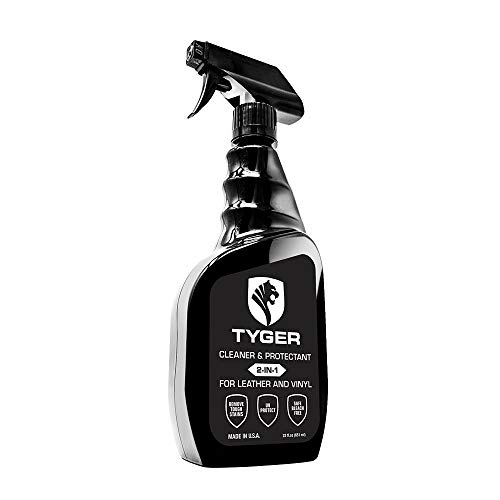
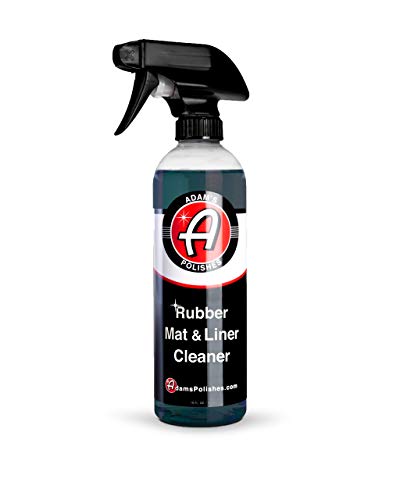
You should clean the vinyl surface whenever dirt is clearly visible—at least about every 4–8 weeks for most trucks. If you park outside, haul dusty loads, or deal with pollen/mildew, plan on checking monthly and cleaning sooner. This article breaks down a realistic cleaning schedule and the do’s and don’ts to keep vinyl from fading or getting tacky.
If your truck bed cover is vinyl (not hard plastic) and you want it to stay flexible and look clean, this is for you. It’s especially relevant if your cover sees sun, road grime, or frequent weather changes where grime can build up quickly.
Quick schedule: how often to clean vinyl

A realistic rule for a vinyl truck bed cover is to inspect monthly and do a gentle full wash every 4–8 weeks—then shorten the interval when conditions are rough. Here’s how that translates into a maintenance rhythm that won’t leave grime long enough to dull or bond to the surface.
– Baseline: do a gentle wash about every 4–8 weeks to prevent buildup and dulling.
– Adjust for conditions: clean more often (roughly every 2–4 weeks) if you regularly get heavy dust, mud splatter, pollen, or frequent rain exposure.
– Minimum standard: do a visual check monthly, and clean once you notice grime, residue, streaking, or a “sticky” feel.
To make the “when to clean” decision easier, think in terms of soil load (how quickly your vinyl cover accumulates residue). For many drivers, that soil load depends on whether the cover spends most of its life in sun, whether your route includes gravel/dirt, and whether your local climate pushes moisture onto the cover.
Recommended Vinyl Truck Bed Cover Cleaning Intervals by Use Case (Practical Ranges)
| # | Use case for a vinyl truck bed cover | Monthly visual check | Gentle wash interval | Typical triggers |
|---|---|---|---|---|
| 1 | Mostly covered parking + clean roads | Yes (baseline) | 4–8 weeks | Light dust, light rain film |
| 2 | Mostly outside parking | Yes (baseline) | 4–6 weeks | Pollen, soot haze, water spots |
| 3 | Occasional dusty weekend hauling | Yes | 2–4 weeks | Fine grit, mud splatter residues |
| 4 | Frequent rain + humid storage | Yes (more often if spotting) | 2–4 weeks | Mildew spotting after wet spells |
| 5 | Regular construction-site runs | Check every 2–4 weeks | 2–3 weeks | Tar specks, heavy airborne dust |
| 6 | Seasonal pollen-heavy regions | Yes (monthly during pollen; sooner if tacky) | 2–4 weeks during season | Yellow pollen film, sticky residue |
| 7 | Salt/road grime exposure in winter | Yes (and after winter storms) | 3–6 weeks | Brine residue, streaking, dulling |
What to look for (so you’re not cleaning too early or too late)
A vinyl truck bed cover doesn’t need cleaning by the calendar alone—it needs cleaning when the vinyl surface shows specific residue patterns. The sooner you respond to those signals, the less you have to scrub, which helps keep the vinyl from turning cloudy or tacky.
– Visible signals: dark streaks, white scum, road tar specks, or an uneven dull sheen.
– Texture tells the story: vinyl that feels tacky, slick, or unusually grabby usually needs cleaning (often with mild soap first).
– Weather clues: if you notice spots after long wet stretches, treat it as a possible mildew issue rather than waiting for the next “planned” cleaning.
When you’re evaluating a vinyl truck bed cover, pay attention to how the residue sits. A light dust film wipes off easily with a damp microfiber. In contrast, a sticky layer often indicates something organic (pollen or environmental film) that bonds more stubbornly to vinyl. That’s why “sticky” is a stronger trigger than “looks a little dusty.”
Also watch the edges and seams. Vinyl typically meets hardware through seams, clamps, or bonded edges; those areas trap moisture and grime. If you see grime accumulating along seam lines, cleaning the vinyl surface sooner can reduce stress on those joints.
Finally, keep temperature in mind. Cleaning a vinyl truck bed cover right after a long sun exposure can make soap dry too quickly and leave streaks. In my own routine, I’ve found that washing earlier in the day reduces the “soap haze” look—especially when the vinyl surface is still warm from the sun.
How to clean without damaging vinyl
Cleaning a vinyl truck bed cover safely comes down to gentle chemistry and non-abrasive technique. If you use warm water, mild soap, and soft tools, you typically remove grime without grinding it into the vinyl surface.
– Use vinyl-safe cleaners: start with warm water + mild soap (dish soap is fine if it’s gentle), then rinse thoroughly.
– Gentle tools only: wash with a soft microfiber cloth or a soft brush; avoid abrasive pads that can dull the surface.
– Rinse and dry: rinse until runoff is clear, then air-dry or lightly blot with a clean microfiber to reduce water spots.
Here’s the logic: dirt plus hard scrubbing equals embedded grit. On a vinyl truck bed cover, embedded grit can dull the appearance and increase the “grabby” feel over time. Mild soap reduces surface tension so grime releases without you needing harsh pressure.
If you’re dealing with heavier deposits like tar specks, the safest approach is still to work slowly: loosen with warm water and mild soap first, then re-wash after it softens. Strong solvents may remove residue quickly, but they can also strip plasticizers and accelerate clouding.
Quick comparison: what to do vs. what to avoid on vinyl
| Method | Pros for vinyl | Watch-outs |
|---|---|---|
| Warm water + mild soap | Low risk of haze; good for regular grime | Must rinse fully to avoid streak film |
| Soft microfiber + soft brush | Removes residue without scratching or dulling | Don’t use rough attachments or stiff bristles |
| High-pressure / hot solvent cleaners | Fast for some deposits | Can damage seams; can cloud or dry vinyl |
What can go wrong (and common mistakes)
A vinyl truck bed cover can look worse after cleaning when the wrong chemical or technique forces residue deeper into the material. The most common issues—clouding, tackiness, and seam stress—usually come from shortcuts, not from soap itself.
– Using the wrong chemicals: avoid strong solvents, harsh degreasers, or cleaners that target “grease” aggressively—these can dry out or cloud vinyl.
– Pressure-washing too aggressively: high-pressure water can push grime deeper, lift edges, or damage seams over time.
– Skipping rinsing: soap residue can leave streaks and attract more dirt; if the surface still looks film-y after drying, you likely didn’t rinse enough.
A key risk with mildew is that it grows in damp conditions quickly. According to the U.S. Centers for Disease Control and Prevention, mold can start growing on damp surfaces within 24–48 hours (CDC, 2022). That’s why a vinyl truck bed cover with repeated wet storage needs earlier attention—even if you were “due” later by the calendar.
UV exposure is another long-term factor. Accelerated weathering standards like ASTM G154-16 are built around UV exposure paired with condensation cycles to simulate sun and moisture effects over time (ASTM International, 2016). Practically, that means grime that traps moisture and grime that doesn’t rinse out can both contribute to faster surface dulling.
Finally, pressure washing can create problems beyond surface cleaning. High-pressure water can force debris into seam lines and under edges, which then becomes a future “sticky” problem when it mixes with environmental film. If you’re going to use water pressure at all, keep it gentle and avoid directing it at seams.
Verdict: the easiest honest approach
If you want a simple rule that usually works, inspect monthly and wash every 4–8 weeks—then move sooner when the cover shows visible grime or feels tacky. The downside of cleaning “too often” is not damage from mild soap, but more time spent maintaining and the chance of overhandling (scratches from grit you didn’t remove gently). If your vinyl is already cracked, peeling, or coming apart at seams, focus on inspection and careful spot-cleaning, and consider replacement rather than repeatedly scrubbing damage.

For most owners, the sweet spot is: clean gently before dirt becomes bonded. That approach keeps the vinyl truck bed cover looking consistent and reduces the effort required during busier weeks.
Scan-and-save checklist (quick)
– ☐ Check monthly for streaks, scum, tackiness, or spotting after wet weather
– ☐ Wash every 4–8 weeks (sooner if it’s exposed to dust/pollen/mud)
– ☐ Mild soap + warm water first; rinse thoroughly
– ☐ Soft cloth/brush only; avoid abrasives
– ☐ Dry gently to reduce water spots
– ☐ Stop if you see seams lifting or tearing—switch to careful spot care
Frequently Asked Questions
How often should you clean a vinyl truck bed cover?
For most drivers, you should clean the vinyl surface every 2–4 weeks to remove road dust, pollen, and grime before it bonds to the material. If you drive in muddy, sandy, or salty environments, aim for every 1–2 weeks, and rinse more frequently as needed. A light rinse after heavy rain or storms can also help maintain the vinyl truck cover without deep cleaning.
What’s the best way to clean vinyl on a truck bed cover between washes?
Use a gentle hose rinse first to loosen grit, then wash the vinyl using a soft microfiber cloth or a soft brush with mild soap and water. Avoid harsh cleaners, abrasive pads, and high-pressure spraying that can damage seams or force water under the vinyl surface. Dry with a clean microfiber towel to prevent water spots and reduce the chance of mold or mildew.
How do you know when it’s time to deep clean your vinyl truck bed cover?
Deep cleaning is usually needed when you notice sticky residue, dull-looking vinyl, visible mildew spots, or stubborn tar and bug stains that don’t come off with a simple rinse. If water no longer beads on the surface after washing, it may also indicate the vinyl needs proper conditioning after cleaning. In humid climates, check the cover more often for early mildew before it becomes difficult to remove.
Why does regular cleaning matter for vinyl truck bed covers?
Regular cleaning prevents dirt and contaminants from breaking down vinyl surfaces over time and helps protect the color and texture of your truck bed cover. It also reduces the risk of mold and mildew growth, especially if the cover stays damp after rain. By keeping the vinyl clean and well-maintained, you can extend the lifespan of the cover and avoid costly replacements.
Which cleaning products are safest for vinyl truck bed covers, and how often should you use them?
Choose vinyl-safe cleaners (mild soap formulated for vinyl or upholstery) and a compatible UV protectant or vinyl conditioner after washing, typically every 3–6 months depending on sun exposure. Don’t use solvent-based products, petroleum cleaners, or strong degreasers, as they can discolor or weaken vinyl. If you frequently park outdoors, you may benefit from conditioning more often to maintain water resistance and UV protection.
📅 Last Updated: October 31, 2026 | Topic: How Often Should You Clean the Vinyl Surface on Your Truck Bed Cover? | Content verified for accuracy and freshness.
References
- Vinyl siding
- https://www.cdc.gov/hygiene/cleaning/index.html
- Mold | US EPA
- How to Clean Vinyl Siding | Vinyl Siding Cleaning Tips | PEPA
- https://www.vinylinstitute.org/care-and-maintenance/
- https://www.truxedo.com/support/care-and-maintenance
- https://extang.com/pages/care-and-maintenance
- https://scholar.google.com/scholar?q=how+often+to+clean+vinyl+surface Google Scholar
- https://scholar.google.com/scholar?q=vinyl+upholstery+cleaning+frequency+mild+soap+water Google Scholar
- https://scholar.google.com/scholar?q=marine+vinyl+cleaning+maintenance+interval Google Scholar
