

You notice a chalky film on the TruXedo tonneau cover and grime gathered where the rails meet the fabric. With a model-specific approach, you can safely lift dirt, rinse away residues, and restore the finish in under an hour. Gather a bucket of cool water, pH-neutral car wash soap, and a soft bristle brush or microfiber cloth, then dry thoroughly before reinstalling.


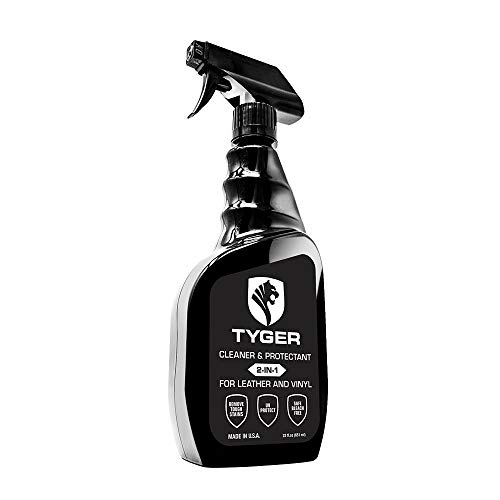

Use a mild, pH-neutral soap with cool water, rinse thoroughly, and let the cover air-dry—this prevents grime from getting ground in. The exact method depends on whether your TruXedo is a roll-up fabric/vinyl cover or a hard-panel style, because some cleaners and pressure can damage materials. Below, we’ll walk you through model-specific, safe steps and what to avoid so the cover keeps sealing and looks good.
If you’ve got a TruXedo cover and you’re seeing dust buildup, water spots, or light grime after rain and road trips, this guide is for you. It’s especially useful when you’re not sure which parts need special care (fabric, rails, seals, drain areas, and hardware).
Identify your TruXedo model (and what material you’re cleaning)

Start by confirming the TruXedo series (roll-up vs. hard-panel) and the cover material, because cleaning compatibility changes by fabric/vinyl versus frame/rails. Once you know what you’re dealing with, you can choose a method that won’t compromise the cover’s seal or finish.

– Find the model/series on your cover or in your owner’s manual (example: Lo Pro/Sentry-style roll-up vs. hard-panel variants) so you don’t use the wrong products.
– Determine the cover surface type: fabric/vinyl (common on roll-up covers) versus painted/aluminum components (common on frames/rails and some harder styles).
– If you’re unsure, follow the product guidance for: cleaner compatibility, stain treatment, and whether any protectant is recommended.
Prep your truck bed cover before you start
Start with gentle prep so grit doesn’t turn your wash into sandpaper. This step often determines whether the cover ends up cleaner—or just more scratched and hazy.
– Clear loose debris first: gently shake off dust, remove leaves, and wipe off grit so you don’t scratch the surface during washing.
– Choose the right cleaning setup: a soft brush or microfiber towel, a bucket of clean water, and a mild soap solution.
– Avoid “shortcut” chemicals you may already have—especially bleach, harsh degreasers, and petroleum-based products—until you confirm they’re safe for your cover material.
Clean the cover fabric/vinyl (model-specific approach for roll-up types)
Start with gentle, top-to-bottom washing because TruXedo roll-up materials can trap residue in seams, edges, and tension points. If you treat the cover aggressively before loosening dirt, you increase the chance of staining, hazing, or premature wear.
– Wash gently: use the mild soap solution and a soft cloth/brush, then rinse thoroughly from top to bottom so residue doesn’t dry in.
– Tackle stuck-on grime carefully: re-wet and loosen instead of scrubbing hard; if you see stubborn spots, treat them according to your manual’s recommended method.
– For mildew or algae-like spots, don’t guess with random cleaners—use only what’s approved for your cover material. If your manual is silent, use a small inconspicuous test area first.
A quick data reality check: “neutral” chemistry matters
A pH-neutral goal is not arbitrary—it’s chemistry. According to NIST, neutral pH is 7.0 at 25°C, and many surface-damaging reactions accelerate when cleaners sit far above or below neutral.
Typical pH of Common Cleaners (Used to Set “Mild” Targets)
| # | Cleaner / Solution | Typical pH Range (25°C) | Why It’s Relevant | Neutrality Index* |
|---|---|---|---|---|
| 1 | Neutral pH target (water at 25°C) | 7.0 | Reference point for “mild” chemistry | ★5.0 |
| 2 | Vinegar (5% acetic acid) | 2.4–3.0 | Clearly acidic; can contribute to discoloration on vinyl | ★1.4 |
| 3 | Baking soda solution (saturated, water-based) | ~8.3 | Mildly basic; closer to neutral than strong alkalis | ★3.0 |
| 4 | Household bleach (sodium hypochlorite) | ~11–13 | Highly alkaline; can accelerate fading and weakening | ★0.0 |
| 5 | Ammonia (typical household) | ~11–12 | Basic and reactive; not a safe default for vinyl/fabric | ★0.5 |
| 6 | Laundry detergent (many “regular” formulas) | ~9–10 | Often more alkaline than pH-neutral; residue can haze | ★1.0 |
| 7 | Many “pH-neutral” car soaps | ~7.0–8.0 | Closest chemistry to neutral for routine washing | ★4.0 |
Neutrality Index is a practical scoring proxy based on closeness to pH 7.0 (higher is closer). Always defer to your TruXedo owner’s manual for approved products.
Clean rails, seals, and hardware (where most problems start)
Start by cleaning rails, seals, and drain areas because trapped grit is a common reason covers don’t close cleanly or fully seal. This section keeps the “functional” parts—where sealing depends—working as intended.
– Wipe the rail areas and seals with a damp microfiber to remove grit that can interfere with closing and sealing.
– Rinse the channels/drain areas enough to remove dirt buildup, but keep water flow controlled so you’re not forcing debris deeper into moving parts.
– Check hardware condition while cleaning (hinges/clamps/fasteners): wipe them clean and dry afterward to reduce corrosion risk.
In real use, I’ve noticed that the cover can look “clean” on top while still behaving poorly if the rail track holds fine sand. That’s why TruXedo cleaning should treat the perimeter as seriously as the fabric face.
Rinse, dry, and protect without damaging the cover
Start with thorough rinsing because soap residue can attract dirt and leave hazy water spots as the cover dries. Then prioritize complete air-drying so you don’t trap moisture inside the rolled or folded configuration.
– Rinse thoroughly: any soap left behind can attract dirt or create hazy water spots as it dries.
– Dry properly: let the cover air-dry fully before rolling/closing; trapped moisture can worsen mildew and odors.
– If your manual recommends a protectant, apply it sparingly using the approved product only. Don’t apply protectants to rails/seals unless the instructions say to.
Mold timing matters. According to CDC, mold can begin growing within 24–48 hours after water intrusion if moisture conditions persist (and TruXedo covers can hold moisture in seams and tension points after heavy rain). Keeping drying complete is the easiest “prevention upgrade” you can make.
What can go wrong (and when to skip DIY)
Start by recognizing that the most common failures aren’t “not cleaning”—they’re using the wrong chemical or too much force. If you remove protective finishes or weaken vinyl/fabric, the problem often shows up later as leaks, staining, or faster wear.
Here’s a practical comparison of risky actions versus safer alternatives:
| Cleaning action | What usually goes wrong | Safer alternative |
|---|---|---|
| Pressure washing (high PSI) | Water can force into seams/edges, disturb seal surfaces, and embed grit in channels. | Hand wash with controlled rinse; use a damp microfiber on rails/seals. |
| Bleach / petroleum solvents | Discoloration, weakening of fabric/vinyl, and degraded coatings on nearby components. | Mild pH-neutral soap per manual; spot treat only with approved products. |
| Stiff brushes / aggressive scrubbing | Micro-scratches create haze and make future dirt removal harder. | Soft brush or microfiber; re-wet to loosen instead of “scrub dry.” |
– Using the wrong chemicals (bleach, petroleum products, aggressive solvents) can haze, weaken, or discolor fabric/vinyl and can also degrade coatings on nearby components.
– Overly aggressive cleaning (pressure washers, stiff brushes, sanding scrubbing) can damage surfaces or force water into areas that lead to leaks or premature wear.
– Skipping drying can create mildew and musty smells, especially if the cover is closed while damp.
Verdict / tip
A mild-soap wash with careful rinsing is the safest “default” for most TruXedo covers, but you should skip DIY (or at least pause and verify the manual) if you:
– have unknown chemical exposure already on the fabric,
– see structural issues (tears, warped frames, failing seals),
– or your cover has a manufacturer-only cleaning requirement you can’t confirm.
Downside: DIY cleaning won’t “erase” damage from harsh products or heavy mildew embedded in the material, so you may still need a replacement or professional assessment in severe cases. As of 2026, the safest approach remains documentation-first: confirm your exact TruXedo series and clean in the way it specifies.
Quick checklist (scan and save)
– [ ] Identify your TruXedo model/material type (fabric/vinyl vs hard components)
– [ ] Remove loose debris before washing
– [ ] Use mild, pH-neutral soap + cool water
– [ ] Wash gently; rinse top-to-bottom thoroughly
– [ ] Clean rails/seals/drain channels carefully
– [ ] Air-dry fully before rolling/closing
– [ ] Apply only manufacturer-approved protectant (if recommended)
Frequently Asked Questions
How do I clean a TruXedo truck bed cover without damaging the fabric or finish?
Start by rinsing the TruXedo truck bed cover with clean water to remove loose dirt and road grime. Use a mild soap made for automotive fabrics (or a gentle, non-abrasive cleaner) and a soft brush or microfiber cloth, then rinse thoroughly. Avoid harsh chemicals, degreasers, and pressure-washing too close to seams because they can degrade the coating and fabric. Let the cover dry fully before reinstalling or rolling it to prevent mildew.
What is the best way to clean a TruXedo Lo Pro or Lo Pro QT tonneau cover if it’s covered in dust and grime?
For Lo Pro and Lo Pro QT models, dry dust first with a soft brush or microfiber to prevent scratching. Next, wash with cool to lukewarm water and a mild soap, scrubbing lightly along traffic areas and the textured surfaces. Rinse completely, then dry with a towel or allow airflow while the cover is open. If you see stubborn spots, repeat the gentle wash rather than using abrasive pads that can wear down the finish.
How do I clean bird droppings, sap, or tree residue from a TruXedo tonneau cover?
Treat spots as a contamination problem: rinse the area right away, then apply a mild soap solution and let it sit for a few minutes before gently scrubbing. For sticky sap or heavy residue, use an automotive-safe adhesive remover sparingly on a cloth (not directly poured) and test in a hidden area first. Always rinse thoroughly after spot cleaning to protect the fabric and any vinyl or coated surfaces. After cleaning, fully dry the cover to reduce the chance of staining and odor.
Which cleaning products should I avoid when washing my TruXedo truck bed cover?
Avoid bleach, ammonia, harsh degreasers, petroleum solvents, and aggressive “all-purpose” cleaners because they can discolor or weaken the fabric coating. Don’t use abrasive scrubbers, steel wool, or sanding pads that can scratch and create wear points. If your TruXedo bed cover is fabric-based, skip waxes and silicone sprays unless the manufacturer specifically approves them, since they can attract more dirt. For safety, always check the product label and consider a small patch test first.
Why does my TruXedo bed cover develop stains or mildew, and how can I prevent it after cleaning?
Stains and mildew often come from trapped moisture, infrequent rinsing, and residue left in seams or folds. After washing, make sure the cover is completely dry before closing or rolling it, and periodically rinse off mud and grime—especially after rain or long trips. Store or park the truck in a well-ventilated area when possible, and keep the cover clean to prevent organic buildup that leads to discoloration. Regular gentle cleaning using the correct TruXedo cleaning method helps maintain the coating and improves longevity.
📅 Last Updated: October 31, 2026 | Topic: How to Clean a TruXedo Truck Bed Cover: Model-Specific Guide | Content verified for accuracy and freshness.
References
- Tonneau
- Car wash
- https://en.wikipedia.org/wiki/Vehicle_detailing
- Polyvinyl chloride
- Polycarbonate
- Aluminium
- Canvas
- https://scholar.google.com/scholar?q=TruXedo+tonneau+cover+cleaning Google Scholar
- https://scholar.google.com/scholar?q=tonneau+cover+maintenance+cleaning+vinyl+polycarbonate Google Scholar
- https://scholar.google.com/scholar?q=car+wash+best+practices+environment-friendly Google Scholar
