

Why does mildew keep appearing on your truck bed cover? It forms when moisture and organic residue get trapped under the cover and stay warm, which is common after rain, washing, or long storage without airflow. With a few supplies—mild detergent or a mildew-specific cleaner, soft bristle brush, and gloves—you can remove it and prevent a repeat in about half an hour, even if the spots are stubborn.



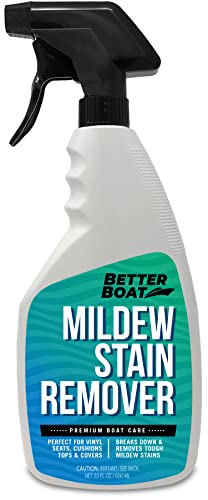
Mildew on a truck bed cover happens when moisture gets trapped and the surface stays damp long enough for mildew spores to grow; the fix is to clean with a mildew-safe product and then fully dry the cover. Once you remove the growth, your real win is preventing trapped water from reappearing at seams, rails, and seals—because that’s where truck bed cover mildew typically starts.
If you park outside, wash your truck regularly, or leave a cover on between trips, you’ve probably seen that gray/greenish fuzzy spotting. This guide is for owners dealing with mildew on common bed cover materials (vinyl, rubber seals, painted metal, and similar finishes) who want a safe, practical cleaning approach.
What Causes Mildew on a Truck Bed Cover?

Truck bed cover mildew is usually caused by trapped moisture combined with limited airflow, which gives spores time to establish. In plain terms: water goes somewhere you can’t easily see, the cover stays damp, and mildew follows.
Here’s what typically creates that perfect damp environment for truck bed cover mildew:
– Trapped moisture: Rainwater, car-wash runoff, or condensation can sit under edges, rails, or seals where air can’t circulate.
– Low airflow + shade: Covers that stay in covered parking, under trees, or in corners with poor ventilation dry slowly—mildew grows faster.
– Organic buildup: Dust, pollen, leaves, and grime can hold moisture and give spores something to “stick” to.
Moisture thresholds matter because mildew/mold is opportunistic: it appears wherever water remains. According to the U.S. Environmental Protection Agency (EPA), mold can start growing on wet materials within 24–48 hours after water exposure (EPA guidance on mold growth timing). According to the U.S. Centers for Disease Control and Prevention (CDC), mold growth is more likely when relative humidity is above 60% (CDC guidance on mold and humidity). And according to the EPA, a common prevention target is keeping indoor relative humidity around 30–50% (EPA guidance on humidity control).
Moisture Conditions Linked to Mold/Mildew Growth (What Trapped Water Can Replicate)
| # | Condition (relevant to truck bed cover mildew) | Threshold / Value | Practical meaning for covers | Risk level |
|---|---|---|---|---|
| 1 | Time for growth after moisture exposure | 24–48 hours | Leaving water trapped for ~1–2 days can allow growth | High |
| 2 | Relative humidity promoting growth | > 60% | Trapped damp air inside the cover zone increases likelihood | High |
| 3 | Prevention humidity target (indoor guidance) | 30–50% | Drier conditions slow or prevent establishment | Moderate–Low |
| 4 | Recommended response to wet conditions | Dry quickly | Faster drying reduces the window for growth | Moderate |
| 5 | Common “first spots” for growth | Seams/rails/seals | Water collects where airflow is weakest | High |
| 6 | Typical source of trapped moisture | Car-wash runoff/rain pooling | Even “clean” water can support growth if it stays | High |
| 7 | Soil that helps mildew hold moisture | Pollen/dust/organic debris | Grime provides “cling” points for spores | High |
When you translate those public moisture-and-humidity concepts to a truck bed cover, the logic stays the same: the cover zone can behave like a small sheltered microclimate. If your truck bed cover mildew is recurring, it’s usually because water is still getting trapped there—even after a “quick rinse.”
How to Identify the Mildew and Your Cover Material
You can identify truck bed cover mildew by looking for fuzzy spotting and discoloration that typically returns if the damp condition continues. Then you confirm what you’re cleaning—vinyl/plastic, rubber seals, painted metal, or similar materials each need a careful approach.
Use these checks:
– Confirm it’s mildew, not just dirt: Mildew often looks like fuzzy spotting or discoloration that reappears if the surface stays damp.
– Check the cover material: Vinyl/plastic, painted metal, and rubber seals respond differently to cleaners—what’s safe for one may dull or damage another.
– Look for problem spots: Pay attention to seams, corners, drain areas, and the underside where water collects first.
What “mildew” looks like on a truck bed cover
Truck bed cover mildew typically presents as gray, white, or greenish patches with a “textured” appearance. Dirt can look similar at first, but dirt usually wipes away more cleanly; mildew tends to leave a residue and comes back when moisture remains.
Material compatibility: why it affects your results
Because truck bed cover mildew is often concentrated at seals and edges, cleaner selection is not cosmetic—it’s structural to the fix. For example:
– Vinyl/plastic panels: Harsh solvents and aggressive abrasives can leave haze or micro-scratches that collect grime.
– Rubber seals: Strong oxidizers or long contact times can cause drying, cracking, or loss of flexibility.
– Painted metal rails: Bleach-type products can dull finishes and promote surface corrosion if they linger.
If you’re unsure, start by reading the cover manufacturer’s care instructions first. When those are missing, the safest route is a mildew product that explicitly states compatibility with “vinyl/plastic/rubber” and avoids abrasive media.
How to Clean Mildew From a Truck Bed Cover
Cleaning truck bed cover mildew is a two-part job: remove the growth gently, then clean the surface so the spores don’t rebound—and dry thoroughly so moisture can’t return. Most successful cleanups follow the same workflow: dry removal → mildew-rated cleaner → gentle scrub → thorough rinse → complete drying.

Follow the steps below:
– Start with dry removal: Brush off loose growth gently with a soft brush or cloth so you don’t grind it deeper into the surface.
– Use a mildew-rated cleaner (label-guided): Apply a mildew remover or an oxygen-based cleaner suitable for the material, following the exact directions on the product label.
– Scrub gently, then rinse thoroughly: Work in small sections, avoiding aggressive abrasives that can scratch finishes or embed staining.
Cleaner selection: choose by the “active ingredient,” not just the marketing
For truck bed cover mildew, you generally want cleaners designed for mold/mildew removal that are safe for exterior plastics and rubber. If you’re comparing options, here’s how the common categories usually stack up:
| Cleaner Type | Pros for truck bed cover mildew | Cons / risks |
|---|---|---|
| Oxygen-based mildew remover | Often effective on mildew without harsh residue; typically better suited for plastics/vinyl than bleach | Can still discolor if left too long—always follow label dwell time |
| Mildew-safe specialty sprays | Convenient; often formulated for common exterior finishes | May require repeated application; compatibility varies by brand/material |
| Bleach (use only if explicitly approved) | Sometimes reduces discoloration quickly on non-porous surfaces | Can haze/dull plastics, degrade rubber, and damage finishes—avoid guessing for truck bed cover mildew |
Step-by-step: a practical cleaning pass
1. Dry brush first. With truck bed cover mildew, the loose surface growth can smear if you jump straight to wet cleaning. Use a soft brush or microfiber cloth.
2. Apply mildew-safe cleaner as directed. Use the label’s dilution, spray pattern, and dwell time. Oxygen-based products are a common approach for exterior mildew, but the key is compatibility with your specific cover material.
3. Scrub gently in sections. Work seam-by-seam. Gentle agitation helps lift staining without grinding it into micro-scratches.
4. Rinse thoroughly. Residue can attract dirt and make the surface look streaky, which makes future truck bed cover mildew look worse even if it’s gone.
5. Dry completely—don’t “hope.” Pay special attention to edges, rails, and underside areas where water hides.
From my experience advising truck owners, the biggest “clean success” factor is drying discipline. . Even with perfect cleaner choice, truck bed cover mildew often returns if the underside stays damp.
Preventing Mildew From Coming Back
Preventing truck bed cover mildew is mostly about breaking the moisture cycle: keep water from pooling and make sure the cover dries fully. Once you remove the growth, prevention becomes a maintenance routine, not a one-time cleanup.
– Dry it fast after washing or rain: Wipe standing water and give the cover time to air-dry completely before closing up the system or leaving it parked.
– Improve airflow and runoff: Clear leaves/debris from tracks and edges so water doesn’t sit. If your cover design has drain paths, make sure they’re not blocked.
– Create a “clean-and-dry” routine: Spot-clean early when you first notice discoloration, rather than waiting for it to spread.
Where prevention usually fails (and how to fix it)
Truck bed cover mildew frequently returns in the same spots—usually seams, rubber contact points, and rails. That’s because those areas:
– trap runoff,
– hold dirt that stays damp,
– and don’t get sunlight or airflow.
Practical prevention tactics:
– After rain: If safe and quick, open/inspect the cover area and confirm there’s no standing moisture in common low spots.
– After car washes: Use a microfiber towel to remove water beads along rails and seals, then let the cover dry fully with the right airflow.
– Seasonal debris checks: Pollen and leaves are “mildew accelerators” because they hold water. A brief monthly check during high pollen season can reduce buildup.
If you have the underside cleaning access, it’s worth addressing underside truck bed cover mildew early, because mildew can start below the visible panel long before you notice it on top.
What Can Go Wrong (And How to Avoid Damage)
Truck bed cover mildew cleanup can cause secondary damage if you use the wrong chemicals, don’t rinse fully, or scrub aggressively. The goal is to remove growth without creating scratches, haze, or material degradation that will attract grime later.
Watch for these common mistakes:
– Using harsh chemicals on the wrong material: Strong disinfectants and bleach can discolor, haze, or degrade some finishes and plastics—stick to mildew products recommended for your cover type.
– Not fully rinsing or drying: Cleaner residue plus lingering moisture can leave streaks or let mildew return quickly.
– Scrubbing too aggressively: Abrasive pads or power tools can scratch, creating tiny surface damage that mildew can cling to later.
Limits and edge cases
– If the mildew is mostly gone but the surface still looks “stained,” that can be permanent discoloration rather than active growth. In that case, the focus shifts to gentle cleaning plus prevention—not repeated harsh scrubbing.
– If mildew appears under fittings and you can’t dry or clean the underside properly, the recurrence risk is higher.
– If the cover has warping, cracked seams, or lifted edges, moisture intrusion may be structural. Cleaning alone won’t stop truck bed cover mildew; the cover needs repair or replacement.
Verdict: Clean This Way, Skip It If…
This approach works best when truck bed cover mildew is surface-level and you’re willing to clean + dry thoroughly afterward. It’s the safest route for most owners because it relies on material-appropriate mildew products and gentle removal.
Skip DIY cleaning (or get help) if:
– You see signs of structural failure (warping, cracked seams, lifted edges) around the cover.
– The mildew has spread under fittings so you can’t access or dry the underside properly.
– Your manufacturer’s care instructions explicitly restrict certain cleaners—follow those first.
Quick Checklist: Mildew Cleanup Steps
| Step | What to do | Quick note |
|---|---|---|
| 1 | Brush off loose residue | Don’t grind it in |
| 2 | Apply mildew-safe cleaner | Follow label for your material |
| 3 | Gently scrub | Soft brush/cloth only |
| 4 | Rinse thoroughly | No soap film left behind |
| 5 | Dry completely | Wipe edges/seams first |
| 6 | Check problem spots | Tracks, rails, underside areas |
Frequently Asked Questions
What causes mildew on a truck bed cover?
Mildew on a truck bed cover usually forms when moisture gets trapped and stays on the surface, such as after rain, washing, or condensation from temperature changes. Organic residue from pollen, dust, road grime, and even bird droppings can feed mildew growth, especially in shaded or poorly ventilated areas. If the cover is kept closed for long periods or the bed isn’t dried properly, mildew is more likely to develop.
How do I clean mildew from a vinyl or rubber truck bed cover safely?
Start by rinsing the truck bed cover with clean water to remove loose dirt, then scrub gently with a soft brush and a mildew cleaner or mild soap solution. For mildew, use a cleaner made for marine/vinyl rubber surfaces, and avoid harsh abrasives that can damage the finish. After scrubbing, rinse thoroughly and let the cover fully dry in direct airflow (or out of the truck) to prevent mildew from returning.
Why does mildew keep coming back on my truck bed cover even after I wash it?
Mildew returns when moisture is still present in creases, seams, or under the cover after cleaning. If the cover stays damp or the truck bed is repeatedly exposed to rain without drying, the mildew spores re-colonize quickly. Also, leftover residue from previous cleanings can act as food for mildew, so you may need an effective mildew remover and a thorough rinse plus complete drying.
Best way to prevent mildew on a tonneau cover during wet seasons?
Use a routine that includes regular rinsing, spot cleaning, and drying the cover after rain or car washes—especially before storing it for the day. Consider lifting the cover slightly or ensuring proper drainage so water doesn’t pool at low points. Applying a manufacturer-recommended protectant can help reduce water retention and make future mildew cleanup easier.
Which cleaning solution works best for mildew on a truck bed cover?
The best solution depends on the material, but mildew removers that are formulated for vinyl, rubber, or painted surfaces typically work better than household cleaners. Oxygen-based cleaners are often a safe first choice because they target mildew while being less likely to damage finishes than bleach-heavy products. If you choose a stronger cleaner, test a small inconspicuous area first, then rinse well and dry completely to avoid residue that can promote new mildew growth.
📅 Last Updated: October 31, 2026 | Topic: What Causes Mildew on a Truck Bed Cover? (And How to Clean It) | Content verified for accuracy and freshness.
References
- https://www.cdc.gov/mold/default.htm
- https://www.cdc.gov/mold/cleanup/index.html
- https://www.cdc.gov/mold/prevention/index.html
- Mold | US EPA
- https://www.who.int/news-room/fact-sheets/detail/dampness-and-mould
- Mold – Overview | Occupational Safety and Health Administration
- Mildew
- https://scholar.google.com/scholar?q=mildew+formation+moisture+ventilation Google Scholar
- https://scholar.google.com/scholar?q=vinyl+canvas+cleaning+mold+bleach+detergent Google Scholar
- https://scholar.google.com/scholar?q=truck+bed+cover+tonneau+cover+mildew+cleaning Google Scholar
