

You notice the same weak airflow and lingering odor coming from your vents after you’ve already swapped in a new cabin filter and run cleaner through the system. That’s the moment to decide whether a simple cleaning of the evaporator and ductwork will fix the root cause—or whether the underlying components have failed and replacement is safer for performance and cost. Knowing the difference helps you avoid paying twice for repeat labor and protects the refrigerant system from deeper damage.
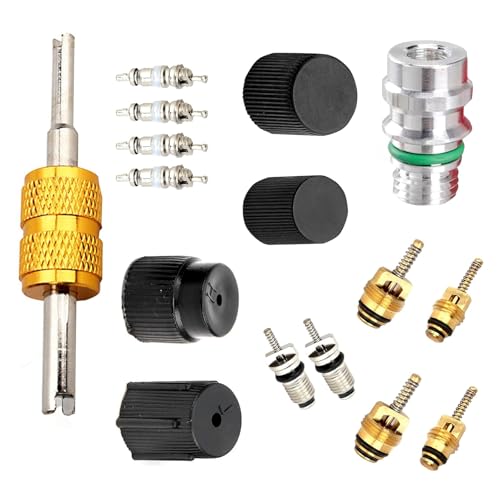



If your AC problems come from normal dirt and airflow restriction (like clogged condenser/evaporator surfaces), cleaning may restore performance. But if you’re dealing with a failed compressor, an active refrigerant leak, or widespread corrosion/contamination, cleaning won’t fix the root cause—you’ll likely need major repair or replacement. This guide will help you spot which situation you’re in and what to check before spending money.
If you’ve noticed weak airflow, warm air, strange smells, or AC that works briefly and then dies, this is for you. It’s especially useful when you’re considering “cleaning” services but aren’t sure whether that’s enough—or whether the system’s condition means replacement (or a compressor/evaporator/condenser job) is the smarter move.
How to tell if “cleaning” can actually help

Cleaning helps most when the AC is failing because heat transfer is being blocked by surface debris or restricted airflow—not because the refrigerant circuit is broken. In other words, if the system can still cool when properly pressurized, cleaning can be a legitimate first step.
– Airflow restriction is the most common cleaning-friendly issue. If the blower runs but the cabin doesn’t cool, debris on the condenser (front) or evaporator (inside) can reduce heat transfer. The condenser is the heat-exchanger near the front of the car that rejects heat to the outside air; the evaporator is the indoor heat-exchanger that absorbs cabin heat. When either surface is coated with leaves, road grime, or film, the AC can’t move heat efficiently—even if the compressor is healthy.
– Moisture/odor problems can sometimes be maintenance-related. If the system cools but smells musty, surface grime and microbial buildup may be part of the problem—though it still doesn’t fix refrigerant leaks. A heavy evaporator odor issue is often linked to wet surfaces and biofilm (a slimy layer microbes create on damp surfaces). Cleaning or “evap treatments” may improve odor, but they don’t replace missing refrigerant or seal a failing component.
– Basic checks often point the way. If the compressor engages and the system pulls down on temperature, cleaning-related causes are more likely than internal mechanical failure. In day-to-day diagnostics, you’re looking for “symptom-to-subsystem alignment”: does the system show signs of cooling when the airflow is adequate, or does it die immediately like a failed refrigerant circuit?
From a practical standpoint, “cleaning-friendly” cases usually behave like an AC that’s mechanically capable but thermally choked. In my experience reviewing repair orders with repeated “clean and recharge” cycles, the shops that get results first confirm airflow and basic compressor operation before touching the system internals.
Root-Cause Fit: When Cleaning Can (and Can’t) Fix the AC Problem
| # | AC issue category | Typical location | What surface cleaning helps remove | Cleaning-first root-cause fix |
|---|---|---|---|---|
| 1 | Condenser fin clogging (road debris/film) | Front | Debris + grime blocking heat rejection | ★★★★★ |
| 2 | Evaporator surface buildup (grime/biofilm) | Cabin HVAC case | Film limiting heat absorption + odor sources | ★★★★☆ |
| 3 | Cabin air filter restriction | Cabin intake | Dust/leaves reducing airflow across the evaporator | ★★★★★ |
| 4 | Moderate condenser corrosion/scale | Front | Surface scale improvement but not structural damage | ★★★☆☆ |
| 5 | Active refrigerant leak / won’t hold charge | Anywhere in system | Cannot “clean” a seal failure or crack | ☆☆☆☆☆ |
| 6 | Failed/struggling compressor internals | Engine bay | Cannot fix internal wear or bearing damage | ☆☆☆☆☆ |
| 7 | Electrical/sensor fault (pressure sensor, wiring, clutch circuit) | System wiring + sensors | Cannot correct circuit errors or failed components | ☆☆☆☆☆ |
Signs you should replace (or do major repair) instead of cleaning
Cleaning doesn’t address system-level failures, so if you’re seeing “refrigerant or compressor symptoms,” replacement or major repair is usually the correct path. The quickest way to avoid wasting money is to confirm whether the issue is thermally fixable (debris/airflow) or physically fixable (refrigerant/compressor/electrical).
– You have an ongoing refrigerant leak or “won’t hold charge” behavior. Cleaning won’t stop leaks; the system must be leak-tested and repaired, often followed by proper evacuation and recharge. A car AC system can cool after a recharge and then fail again because refrigerant escaped—cleaning doesn’t restore the missing charge or repair the defect.
– The compressor is failing. Symptoms like loud grinding/metallic noise, compressor cycling constantly, or the AC never engaging (with normal electrical signals) suggest replacement or compressor replacement—not cleaning. A failing compressor (the pump that pressurizes refrigerant) can have worn bearings, damaged swash/valve components, or internal debris that circulates through the system.
– Electrical or mechanical damage is present. Burnt clutch components, damaged wiring/relays, failed pressure sensors, or seized compressor internals are beyond what cleaning can address. Even a perfectly cleaned condenser won’t cool if the compressor won’t run or the control module is receiving implausible sensor readings.
– Severe corrosion or contamination is widespread. If the condenser/evaporator is heavily corroded or the system contains debris that keeps causing restrictions, replacement may be more cost-effective than repeated partial fixes. Contamination can include shed debris, degraded desiccant from the receiver-drier, or internal compressor fragments.
– You’ve already tried cleaning and the problem returned quickly. If the same symptoms recur after a service, the cause is likely deeper than surface dirt. This is especially common when “cleaning” is performed without diagnosing refrigerant level, leaks, or compressor health.
One reason these issues get misdiagnosed: AC symptoms overlap. “Warm air” can come from low refrigerant, clogged coils, or a blend-door/airflow routing problem. That’s why diagnosis matters, particularly in 2026 when many shops are using more consistent scan-data workflows but some still rely on quick visual checks.
When cleaning (or a targeted service) is worth trying
Cleaning is worth trying when you can reasonably connect your symptoms to airflow or heat-transfer restrictions. If you can confirm the compressor is operating and refrigerant loss isn’t suspected, a targeted cleaning or maintenance step can be a cost-effective first move.
– Your symptoms suggest heat-transfer or surface buildup, not refrigerant loss. Examples include reduced cooling efficiency with normal compressor operation, or AC that cools but not as well as before. If cabin temperatures drop when you run the system and the problem is “weak cooling” rather than “no cooling,” debris/airflow is a plausible suspect.
– You can rule out a leak or compressor fault first. If you’re paying for any “cleaning,” it’s wise to first confirm whether refrigerant is low and whether the compressor is healthy. A proper technician will typically evaluate refrigerant charge behavior and inspect the compressor command/response before recommending surface treatment.
– You’re addressing the right component. Cleaning the cabin air filter and checking airflow can help if the issue is ventilation-related. For evaporator/condenser contamination, the service method matters (and should match your vehicle’s design and safety requirements). For example, “spraying chemicals everywhere” can be less effective—or even risky—if it’s applied without considering drainage, foam buildup, or component compatibility.
– You understand what “cleaning” does—and doesn’t do. Cleaning removes debris; it doesn’t replace missing refrigerant, repair damaged seals, or fix an internally failing compressor. This distinction matters because it determines whether cleaning is a fix, a temporary improvement, or a costly detour.
A key environmental and compliance angle also matters when refrigerant is involved. According to the IPCC Fifth Assessment Report (2014), R-134a has a 100-year global warming potential of 1,430 (2014). According to the IPCC Fifth Assessment Report (2014), R-1234yf has a 100-year global warming potential of 4 (2014). And according to the IPCC Fifth Assessment Report (2014), hydrofluorocarbons like these have zero ozone-depletion potential (2014). Translation: if the system is leaking, repeated “top-offs” are not just a wallet issue—they’re a long-term operational risk.
What can go wrong if you pick the wrong solution
Choosing cleaning when the root cause is refrigerant leakage or compressor failure can delay the right repair and increase total cost. The failure mode here is usually “repeat work,” where the symptoms temporarily improve but the underlying problem remains.
– The refrigerant leak gets ignored. Many “cleaning-only” approaches won’t stop leaks, so you may keep paying for services that don’t resolve the cooling failure.
– Overuse of chemical treatments can create new problems. If a service uses improper chemicals or applies them incorrectly, it can damage seals, foul components, or leave residues that attract more grime.
– A clogged cabin filter can mask the real issue. Poor airflow from the filter/ducts can make AC feel weak even when refrigerant is okay. If you don’t check the basics first, you may assume the evaporator is dirty when the cabin intake is simply restricted.
– You misdiagnose compressor cycling. Short cycling can be caused by low refrigerant, electrical issues, or sensor errors. Cleaning won’t fix the underlying circuit or pressure problem.
– Ignoring safety and system cleanliness. If the system has been opened or repaired previously, contamination and moisture in the system can cause ongoing issues—cleaning alone won’t correct system-level problems. Moisture can lead to corrosion internally and compromise performance after a repair.
– Edge case: “Cold air but not cold enough.” This can be due to refrigerant charge issues, airflow restrictions, blend-door problems, or condenser performance. If it’s not a clear surface-debris case, you’ll want troubleshooting—not assumptions.
Below is a simple comparison structure I use to sanity-check decisions before approving work.
| Approach | Pros | Cons / When it backfires |
|---|---|---|
| Cleaning-first (if airflow/heat-transfer is the likely cause) | Lower cost if the compressor is functioning; can quickly improve weak cooling or odor caused by surface buildup. | If refrigerant is low or leaking, symptoms often return; “cleaning” can delay the leak/compressor diagnosis. |
| Diagnosis-first (test refrigerant, evaluate compressor/electrical) | Avoids repeat services; identifies whether you need a repair path (leak fix, compressor replacement) vs maintenance. | Can feel more expensive upfront, especially if the final fix is “simple,” like a cabin filter or coil cleaning. |
Verdict / tip: what we recommend before you decide
Start with diagnosis, not guesswork—especially when the symptoms point toward refrigerant loss, compressor damage, or electrical faults. This reduces the chance you pay for cleaning that doesn’t address the real failure.
– Start with diagnosis, not guesswork. If there’s any sign of low refrigerant, leaking, compressor malfunction, or electrical faults, prioritize proper testing (leak check, pressure evaluation, compressor function checks) before paying for cleaning.
– Cleaning is usually a smart first step when:
– The compressor engages normally,
– Refrigerant loss isn’t suspected or confirmed,
– Cooling improves when airflow is addressed,
– Symptoms look like heat-transfer or surface buildup.
– Replacement/major repair is the better move when:
– You’ve confirmed an active leak or repeated loss of charge,
– The compressor is failing or damaged,
– Corrosion/contamination is extensive and keeps returning.
– Who should skip “cleaning-first” thinking: If your AC stopped working after a noticeable event (impact, long neglect, repeated refrigerant top-offs) or you hear grinding/screeching from the compressor, skip straight to diagnosis. Cleaning won’t resurrect a mechanically failing compressor.
– Downside to replacement: Even when replacement makes sense, it may be more expensive and time-consuming than a targeted fix. That’s why confirming the underlying cause first is so important.
Quick scan: decide clean vs replace (checklist)
Use this to sanity-check your next step:

| Observation | More likely “cleaning helps” | More likely “replace/major repair” |
|---|---|---|
| AC airflow is weak | ✅ (filter/evap surface buildup) | — |
| Compressor won’t engage | — | ✅ |
| AC cools briefly then stops | Sometimes | ✅ (leak/sensor/compressor fault) |
| Refrigerant keeps dropping | — | ✅ |
| Musty smell but cooling is normal | ✅ (evap surface buildup) | — |
| Loud grinding/metal noises | — | ✅ (compressor issue) |
| Heavy corrosion on condenser/evap areas | Sometimes | ✅ (limits effectiveness) |
Frequently Asked Questions
How do I know when my car AC system needs replacement instead of cleaning the condenser or vents?
If cleaning the cabin air filter, evaporator, or condenser doesn’t improve airflow or cooling within a reasonable timeframe, replacement may be necessary. Persistent symptoms like weak cooling, repeated refrigerant loss, or visible corrosion on the condenser/evaporator often point beyond simple dirt buildup. Also, if the compressor clutch won’t engage or the system cycles abnormally even after an AC recharge, the underlying components may be failing and should be inspected for replacement.
What are the signs of refrigerant leaks that mean I should consider replacing AC parts rather than just cleaning?
Refrigerant leaks that keep returning after repair or recharging typically indicate a compromised component such as a cracked condenser, evaporator, or aging O-rings. If dye, pressure testing, or UV inspection shows leakage at a sealed part that’s worn through, cleaning won’t solve it. In these cases, replacing the leak source and repairing associated lines or fittings can be more reliable than repeated “clean-and-recharge” attempts.
Why does an AC system sometimes still blow hot air after thorough cleaning and AC service?
Hot air after cleaning often means airflow isn’t the only issue—there may be failed temperature control components, a failing compressor, or internal compressor damage. Low refrigerant can also be caused by a leak or failing pressure regulation, and cleaning won’t restore proper pressures. If the system runs but doesn’t reach proper vent temperatures, a professional diagnosis of compressor performance, expansion valve/thermal sensor operation, and system pressures is critical.
Which AC components are most often worth replacing when cleaning doesn’t fix the problem?
When DIY or shop cleaning fails, common replacement candidates include the compressor, condenser, evaporator core, and expansion valve/orifice tube, depending on what the diagnostics reveal. A heavily corroded condenser, a clogged evaporator that re-contaminates quickly, or an expansion valve that won’t regulate refrigerant correctly can’t be reliably solved by cleaning alone. Technicians may also recommend replacing the receiver-drier and replacing worn seals to prevent the same AC failure from recurring.
What’s the best way to decide whether to replace the car AC system or keep trying cleaning and recharge?
Consider replacement when multiple components show failure symptoms, the system repeatedly loses refrigerant, or repair costs approach a significant portion of replacement cost. If diagnostic results confirm internal damage (like compressor wear) or major sealed-component leaks (like condenser/evaporator cracking), replacing the affected AC parts is usually the most cost-effective long-term solution. On the other hand, if problems are limited to mild odor or surface-level clogging with stable pressures, cleaning the cabin filter, condenser airflow path, and evaporator surface may be sufficient.
📅 Last Updated: October 31, 2026 | Topic: When Should You Replace Your Car AC System Instead of Cleaning It? | Content verified for accuracy and freshness.
References
- https://www.epa.gov/ozone-layer-protection/servicing-motor-vehicle-air-conditioners
- https://www.energy.gov/energysaver/air-conditioning/air-conditioners
- Automotive air conditioning
- Mold | US EPA
- https://www.cdc.gov/mold/default.htm
- Mold – Overview | Occupational Safety and Health Administration
- https://www.britannica.com/technology/air-conditioning
- https://scholar.google.com/scholar?q=When+should+you+replace+instead+of+repair+car+air+conditioning+system+signs+of+failure Google Scholar
- https://scholar.google.com/scholar?q=automotive+air+conditioning+evaporator+coil+cleaning+mold+replacement+criteria Google Scholar
- https://scholar.google.com/scholar?q=vehicle+air+conditioning+compressor+failure+repair+vs+replacement Google Scholar
