

You stand in an empty living room holding a roll of paper towels, checking the baseboards and light switches because the walkthrough is coming up fast. A room-by-room move-in and move-out cleaning checklist helps you cover every high-touch area systematically, so nothing gets overlooked. Use it to match what landlords and buyers typically expect, protect your deposit, and leave each space truly ready for the next occupant.



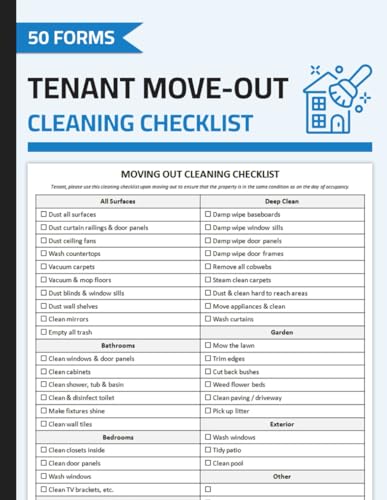
Use this room-by-room move-in and move-out cleaning checklist to avoid the handful of “inspection magnets” that always get checked. If you follow it from top-to-bottom and finish with edges, vents, and touchpoints, you’ll prevent residue buildup for move-in—and restore scuffed surfaces to an inspectable condition for move-out. For move-in, focus on wiping, sanitizing, and removing residue; for move-out, focus on scuffs, buildup, and restoring surfaces to “inspectable” condition. This guide walks you through exactly what to do, what to prioritize, and what commonly gets overlooked.
This checklist is for renters, homeowners, and property managers who need a repeatable method that holds up under walkthrough pressure. It’s also useful when you’re coordinating multiple timelines—like staging, keys exchange, and repairs—because you can clean in passes without losing track of what still needs attention.
If you’re cleaning before moving into a new place or preparing to leave one, this checklist helps you stay organized and thorough. It’s especially useful if you’re trying to meet move-in or move-out expectations without re-cleaning at the last minute.
Prep First: Supplies, Tools, and Safety

Prep determines how fast (and how safely) your cleaning goes—so you want the right tools ready before you start wiping. Gather everything up front, and you’ll reduce the temptation to “just spot” with whatever product is closest.
– Gather the basics: all-purpose cleaner, degreaser (kitchen), disinfectant (bathroom), glass cleaner, microfiber cloths, scrub brush, sponges, and trash bags.
– Protect yourself and surfaces: wear gloves, ventilate the space, and test cleaners in an inconspicuous spot when possible.
– Plan your order: start high and dry (ceilings, vents covers, light fixtures), then work top-to-bottom and finish with floors.
Why this order matters: high spots shed dust that lands on surfaces you already cleaned. By moving from high and dry to wipe-and-scrub areas, you avoid “recontaminating” counter faces, sinks, and appliance fronts. In 2026, many properties also expect disinfecting of high-touch points (switches, handles, thermostat faces), so having a dedicated disinfectant and clean cloth strategy from the beginning reduces cross-contamination risk.
Sanitizing vs. disinfecting (quick clarity): sanitizing lowers germs to a safer level, while disinfecting kills germs on hard, nonporous surfaces. Follow the product label’s instructions, including the required contact time—over-spraying or wiping too fast can make disinfecting ineffective.
Move-In Cleaning Checklist (Before You Unpack)
Move-in cleaning is about removing residue and sanitizing what you’ll touch immediately. You’re not just trying to “make it look clean”—you’re removing the leftover film from storage, prior use, and handling.
– Kitchen: degrease cabinets/exteriors you’ll touch, clean countertops, wipe inside refrigerator/freezer shelves, and scrub the sink + faucet.
– Bathroom: deep clean toilet (inside/outside), wipe tile/grout as needed, clean shower doors/track areas, and sanitize the sink/fixtures.
– Floors and touchpoints: vacuum or sweep edges and corners, clean baseboards, and wipe light switches, door handles, vents grilles, and thermostat faceplates.
Move-In extra “watch list” (easy to miss)
– Windows and tracks: remove dust and grit from sills and window tracks so they don’t smear later.
– Closets and storage: vacuum shelving, wipe rods/surfaces, and check corners where dust settles.
– Trash areas: clean any bins, under-sink spaces, and the area around trash/recycling chutes (if present).
What I prioritize first in move-in cleanings: I start with the kitchen sink faucet and bathroom fixtures because those surfaces are daily “touch points” that also reveal residue quickly. In my experience, if the sink area feels tacky or looks dull, you’ll usually find the root cause is leftover cleaner film or grease residue, not “new dirt.” Tackiness is a signal to re-wipe with a clean damp microfiber until the surface looks and feels uniform.
Practical safety note: If you’re using disinfectants, keep ventilation going. Many disinfectants can irritate lungs and eyes, especially in small bathrooms. According to the CDC, disinfectants should be used according to the label instructions, including how long the surface must stay wet to be effective (Centers for Disease Control and Prevention (CDC), Cleaning and Disinfecting Your Facility). That label-based “wet time” is the difference between a quick wipe and a true disinfection step.
Move-Out Cleaning Checklist (Leave It Inspection-Ready)
Move-out cleaning is about restoring surfaces to “inspectable,” not necessarily making them look new. Landlords and inspection teams typically focus on scuffs, buildup, and whether residue is gone from areas that are hard to reach.
– Kitchen: clean stove/oven exterior, degrease hood area and around burners, wipe inside the microwave and wipe the refrigerator exterior + visible shelves.
– Bathroom: descale and scrub shower/tub surfaces, clean grout where it’s visibly dirty, and wipe toilet exterior thoroughly.
– “Proof you cleaned” surfaces: remove scuffs from walls/trim where feasible, wipe cabinet interiors, and clean under-sink areas (including plumbing access cover areas if you moved things).
Move-Out extra “watch list” (what trips people up)
– Appliances behind/around: pull out what’s safe to access (without damaging flooring or hookups) and wipe the perimeter areas.
– Vents and filters: replace/return filters if your lease requires it, and vacuum vent grilles.
– Floors at the edges: pay special attention to baseboards and corners where dirt accumulates during everyday use.
Why baseboards and edges matter so much: dirt doesn’t “spread evenly” over time—it collects along airflow paths and where vacuums miss. When inspectors run a light across baseboards (or check corners at waist level), they’re looking for contrast: dust lines, scuffs, and dark buildup. Cleaning those areas is often faster than deep-cleaning entire walls.
Disinfection for move-out (selectively): if your lease requires sanitizing/disinfecting, apply it to hard, nonporous surfaces you touched frequently—switches, handles, faucet hardware, toilet exterior. For heavy contamination situations, follow CDC guidance about bleach solutions; for example, the CDC provides dilution guidance for household bleach disinfecting (CDC Cleaning and Disinfecting Your Facility). Also note that bleach solutions are generally recommended to be remade on a schedule (often daily), because effectiveness declines over time (CDC Cleaning and Disinfecting Your Facility).
Room-by-Room Priorities That Save Time
If you want speed without missing inspection points, you need a priority order that matches how walkthroughs are performed. Focus on high-impact zones first, then fill in the perimeter details last.
– Start with the highest-impact zones: entryway/doors, kitchen counters + sink, bathroom fixtures, and floors around those areas.
– Use the right tool for the job: microfiber for routine wipe-downs, scrub brush for buildup, and a separate cloth/side for bathrooms to avoid cross-contamination.
– Finish in the same pattern: dust → wipe → scrub spots → final wipe → vacuum/sweep → mop (if your floor type supports it).
DIY checklist vs. professional deep clean (quick comparison)
| Feature | DIY Room-by-Room Checklist | Professional Move-In/Move-Out Cleaning |
|---|---|---|
| Time control | Flexible scheduling | Booked windows; less flexible |
| Inspection-proof edges | Better when you follow a checklist | Often strong due to repeat process |
| Stubborn buildup removal | Varies by product + surface condition | Usually better for heavy scale/grime |
| Consistency | High if you reuse the same steps | High across visits |
| Cloth cross-contamination control | Managed with separate microfiber sets | Managed with strict workflow (varies) |
| Equipment fit for flooring | Depends on what you own | Usually better tool selection |
| Chance of missing “inspection magnets” | Lower when you use this guide | Lower with trained checklists |
| Cost | Usually lower | Usually higher |
| Communication of expectations | You control the checklist | You must confirm lease requirements up front |
| Best outcome when | You plan for two passes (visible → deep) | You’re dealing with heavy wear, scale, or time constraints |
| Best For | Tenants who can spend time room-by-room | Move-outs with significant grime or tight deadlines |
Quick timing guidance (placeholder)
– Typical time varies by home size and condition; based on your past cleanings, or estimate conservatively and plan for .
– If you’re cleaning close to move day, prioritize “visible + touchable” first, then return for deeper scrubbing once the bulk is done.
What Can Go Wrong (and How to Avoid It)
Most move-in and move-out problems come from shortcuts in chemistry (the cleaner) and process (the order and wipe method). If you avoid the common traps below, your results usually look more consistent on inspection.
– Using the wrong cleaner: abrasive pads can damage finishes; disinfectants can discolor some surfaces—always spot-test when unsure.
– Missing the “inspection magnets”: the backs of cabinet doors, underside of sinks, vent grilles, window tracks, and baseboards are common problem areas.
– Leaving residue: over-spraying or not rinsing after degreasers can leave sticky films—wipe until surfaces look and feel clean, not just wet.
– Forgetting personal items: it sounds obvious, but move-outs often miss cleaning behind stored items or in “temporary” stacks—do a final sweep before the last load.
Concrete residue warning: degreasers are formulated to dissolve grease. If you don’t wipe away the dissolved residue (often with a clean damp microfiber after the degreaser’s dwell), you can end up with a tacky surface that attracts dust. That tackiness is easy to spot during a walkthrough—because it holds grime after you think the job is done.
If you ever disinfect with bleach: follow CDC dilution guidance and do not mix bleach with ammonia or acids. The CDC’s household bleach disinfection guidance is specific about dilution, and they also emphasize correct usage (CDC Cleaning and Disinfecting Your Facility). For bodily-fluid cleanup, CDC guidance also describes specific dilution approaches (for example, a 1:10 bleach-to-water solution for disinfection in some contexts) (CDC Cleaning and Disinfecting Your Facility).
Seven Most Common Rental “Reinspection” Hotspots (Move-Out)
| # | Hotspot | What Inspectors Look For | Best Cleaning Priority | Walkthrough Payoff |
|---|---|---|---|---|
| 1 | Baseboards & floor edges | Dust lines, corner grime | Final pass around perimeter | +9★ |
| 2 | Window tracks | Grit that smears onto sills | Dust removal + wipe residue | +8★ |
| 3 | Vent grilles | Dust buildup | Vacuum + dry wipe | +7★ |
| 4 | Underside of sinks | Water stains, grime under plumbing | Wipe access area + dry | +7★ |
| 5 | Toilet exterior | Streaks, dust, residue | Thorough wipe-down | +6★ |
| 6 | Backs of cabinet doors | Spatter, fingerprints, film | Wipe touch surfaces | +5★ |
| 7 | Stove/hood perimeter | Grease ring around burners | Degrease + final wipe | +5★ |
Verdict / Tip (What to Do First, and When to Skip This)
This checklist is worth using if you want a reliable, low-stress method that’s easy to follow room-by-room for both move-in and move-out. The downside: it takes real time and careful spot-checking—if you’re rushed or the unit is severely neglected, you may still need professional help for stubborn stains, damage repair, or specialty surfaces.
Skip or adjust this approach if:
– You have significant damage to repair (chips, holes, water damage) that requires patching/painting.
– The property has specialty finishes (stone counters, delicate flooring, antique hardware) where you’ll need product-specific care.
– You’re under an unusually tight deadline and can’t realistically do more than a “surface clean” (you’ll need a revised plan and possibly extra help).
What to do first (simple rule): start with touch points and high-visibility zones—kitchen sink/faucet, bathroom toilet exterior, and door handles—then move to edges (baseboards, corners), then finish with vents and window tracks. In my own move planning, this reduces the “I cleaned the big areas but failed the walkthrough” problem because the most scrutinized surfaces get handled early.
Scan-and-Save Checklist (Copy/Paste) + FAQ
| Area | Move-In: Do This | Move-Out: Do This |
|---|---|---|
| Kitchen counters/sink | Clean + degrease touchpoints | Remove buildup, wipe dry |
| Stove/oven/microwave | Clean surfaces + interiors you can access | Degrease + wipe exterior thoroughly |
| Refrigerator (accessible areas) | Wipe shelves + interior visible surfaces | Clean exterior + visible interior areas |
| Bathroom fixtures | Sanitize toilet/sink + shower surfaces | Descale/scrub + wipe toilet exterior |
| Floors/baseboards | Vacuum/sweep edges + wipe baseboards | Clean edges/corners + mop if appropriate |
| Doors/handles/switches | Disinfect touchpoints | Wipe fingerprints/scuffs |
| Windows/tracks | Clear dust/grit + wipe sills | Remove residue; wipe tracks if visibly dirty |
| Vents/grilles | Dust removal + vacuum | Vacuum grilles; replace filters if required |
Frequently Asked Questions
What’s included in a move-in and move-out cleaning checklist for an apartment or house?
A move-in and move-out cleaning checklist typically includes deep cleaning for kitchens, bathrooms, floors, windows, and high-touch areas like doorknobs and light switches. It often covers trash removal, cleaning inside cabinets and appliances, wiping baseboards, sanitizing toilets and sinks, and vacuuming or steam-cleaning carpets where needed. Many checklists also include detailed tasks like descaling showerheads, cleaning vents, and washing walls in high-traffic areas to prevent deposit deductions.
How do I clean the kitchen properly before move-out or after move-in?
Start with the stove/oven by removing burner parts, degreasing surfaces, and cleaning under and around knobs and handles. Then clean the microwave interior, wipe countertops, and sanitize the sink and faucet using a move-out safe cleaner that won’t damage finishes. Don’t forget inside the fridge and pantry, along with cleaning cabinet fronts and drawer interiors so the unit looks complete and ready for inspection.
What’s the best way to handle bathroom cleaning so it passes a landlord inspection?
Focus on eliminating soap scum, hard-water stains, and grime buildup in the shower/tub, toilet, and sink areas. Use bathroom-grade cleaners for grout and tile, scrub around caulk lines, and thoroughly disinfect high-touch surfaces like toilet handles and faucets. Also clean mirrors, wipe vent covers, and remove mildew from grout to help prevent “missed” areas that often lead to move-out cleaning charges.
Which move-in cleaning tasks should I do first if the previous tenant left the place dirty?
Begin with the highest-impact, health-related areas: bathrooms, kitchen surfaces, and floors to remove dirt, residue, and potential allergens. Next, address lingering issues like clogged sink drains, sticky spots on counters, and dust on vents or baseboards. Finally, inspect appliances and windows, wipe cabinet interiors, and document any existing damage so you can avoid being held responsible for problems that were already there.
Why do move-in and move-out cleaning checklists matter for security deposits and lease compliance?
A detailed move-in and move-out cleaning checklist helps ensure you complete the specific tasks required by your lease and that the property meets typical “broom-clean to professionally clean” standards. Landlords and property managers often compare the unit’s condition at move-in and move-out, and missed details like streaky windows, dusty vents, or dirty grout can trigger deductions. Using a checklist with consistent methods also makes it easier to track progress, take photos, and confirm the home is inspection-ready.
📅 Last Updated: November 03, 2026 | Topic: Move-In and Move-Out Cleaning Checklist | Content verified for accuracy and freshness.
References
- https://www.cdc.gov/coronavirus/2019-ncov/community/disinfecting-building-facility.html
- https://www.cdc.gov/disasters/moldcleanup/index.html
- https://www.epa.gov/coronavirus/cleaning-and-disinfecting-your-home
- https://www.epa.gov/coronavirus/cleaning-and-disinfecting-your-facility
- https://www.who.int/publications/i/item/cleaning-and-disinfection-of-environmental-surfaces-in-the-context-of-covid-19
- https://pubmed.ncbi.nlm.nih.gov/?term=environmental+cleaning+housekeeping+checklist
- https://pubmed.ncbi.nlm.nih.gov/?term=turnover+cleaning+residential
- https://scholar.google.com/scholar?q=move-in+move-out+cleaning+checklist Google Scholar
- https://scholar.google.com/scholar?q=turnover+cleaning+protocols+residential+units Google Scholar
- https://scholar.google.com/scholar?q=residential+deep+cleaning+checklist+disinfection Google Scholar
