

Most homeowners treat bathroom drain cleaning like a quick DIY chore, assuming a clog is always just hair. DIY is suitable for minor slowdowns and fresh blockages you can clear without repeated issues, while professional services are built for recurring backups and deeper line problems. The deciding factors are the cause, access, and risk—so for anything beyond routine maintenance, professional cleaning is the better choice.



If your bathroom drain is persistently clogged or you suspect buildup deeper in the pipe, professional drain cleaning is usually the better choice—and that’s especially true once DIY stops restoring full flow. DIY can work for minor slow-drains, but it often won’t remove hardened or root-adjacent blockages and can make the problem worse. In this guide, you’ll learn when to DIY safely, when to call a pro, and what mistakes to avoid.
If you’ve noticed water backing up in the sink, tub, or shower—or you’ve already tried a plunger or basic cleaner—this is for you. It’s especially relevant if you’re deciding between a DIY approach and hiring a licensed/plumbing service with the right tools for bathroom plumbing.
If you’re choosing between professional bathroom drain cleaning and DIY in 2026, the deciding factor is depth and cause: hair-and-soap buildup near the trap is one problem, while deeper scale, partial blockages, or venting issues are another. The right method depends on where the blockage is and how many fixtures are affected—not just whether the drain “eventually empties.”
Professional drain cleaning: what you’re paying for

Professional drain cleaning is the better investment when the clog is recurring, deeper than the trap, or you can’t clearly locate the cause. Here’s what you’re actually paying for: tools that clear restrictions in the line more completely, plus diagnostic skill that helps prevent repeat backups.
Professionals typically use tools and methods designed to clear deeper clogs (not just the visible blockage). Common examples include:
– High-reach drain snakes/augers that can remove compacted hair and soap buildup farther down the run.
– Hydro-jetting (water pressure cleaning) to dislodge scale and film buildup that a plunger or basic cleaner can’t reliably remove.
– Inspection cameras to confirm where the blockage is and whether there’s corrosion, grease-like buildup, or a damaged section.
They can often identify the likely cause (hair/soap buildup, scale, partial blockage, venting issues) before clearing the drain. That diagnosis matters because not every clog is “just gunk.” For instance, bathroom drains can drain poorly due to venting problems (the system needs proper airflow to prevent siphoning and slow flow), which won’t be solved by simply pushing harder with chemicals or a short auger.
As a baseline for why “depth” matters: bathroom traps are engineered to hold water to block sewer gas, and most P-traps are designed with a minimum water-seal height of about 2 inches per plumbing code. (2021 International Plumbing Code) When a clog forms beyond the trap arm, the “quick fix” near the drain mouth may not touch the real restriction.
Bathroom Drain Types: Where Clogs Form & Best First Step
| # | Bathroom fixture | Typical branch size | Most common cause | DIY realistic? | Recommended first call |
|---|---|---|---|---|---|
| 1 | Vanity sink / lavatory | 1-1/4 in | Hair + soap scum | ★★★☆☆ | DIY first |
| 2 | Shower drain | 1-1/2 in | Hair matting | ★★★☆☆ | DIY first |
| 3 | Bathtub drain | 1-1/2 in | Soap + conditioner buildup | ★★☆☆☆ | Call pro if recurring |
| 4 | Toilet | 3 in | Toilet paper buildup / blockage | ★☆☆☆☆ | Call pro immediately |
| 5 | Floor drain (bathroom) | 2 in | Slime + debris | ★★☆☆☆ | Call pro if it smells |
| 6 | Utility / wet bar sink | 1-1/4 in | Soap + particulate | ★★★☆☆ | DIY first |
| 7 | Combination wet area (multi-fixture) | Varies by line | Shared line backup | ★☆☆☆☆ | Call pro (diagnose) |
DIY bathroom drain cleaning: what you can realistically fix
DIY bathroom drain cleaning is a smart first step when the blockage is localized and your goal is to restore flow near the drain opening. If the clog is “early-stage”—usually hair, soap scum, or minor debris trapped close to the trap—simple tools can often solve it without overcomplicating the plumbing.
DIY is best for early-stage problems like slow drainage from hair, soap scum, or minor debris. This usually looks like:– Water empties slowly but doesn’t rise above the drain opening
– One fixture is affected (for example, the shower only)
– The issue started after a specific change (more shedding, new shampoo, guests, etc.)
Simple tools (like a plunger or drain snake) can help when the clog is near the drain opening and accessible. Here’s how to think about it safely:
– A plunger works best when the blockage is within reach of pressure and water movement—often close to the trap.
– A handheld drain snake can reach and hook early hair clumps that don’t fully clear with agitation.
– Disassembly of the P-trap (where accessible) can remove trapped buildup directly—often the cleanest DIY option if you’re comfortable placing a bucket and cleaning out sediment.
In 2026, this “local-first” approach is still the best DIY boundary: stop once you’re past what the tool can reach or once you can’t restore normal flow after a careful attempt.
Safety and pipe risk: chemicals vs mechanical clearing
DIY safety improves dramatically when you choose mechanical clearing over repeated chemical drain treatments. The key is to avoid unpredictable reactions and reduce the chance of damaging drain materials or aggravating buildup.
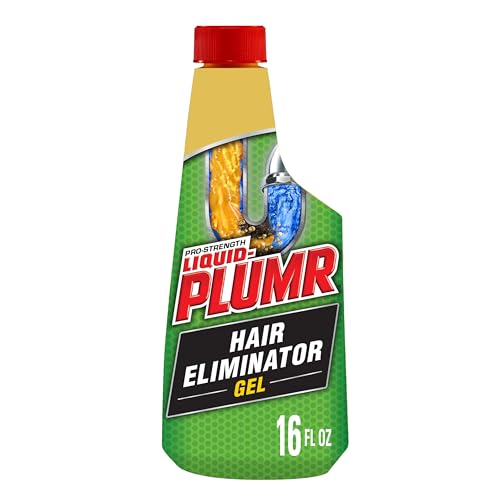
Harsh chemical drain cleaners can react unpredictably with other products and may damage certain materials over time. Many bathroom “cleaners” rely on strong alkalines or acids designed to dissolve organic or mineral matter. If you’ve previously used a different product, or if residue remains inside the pipe, chemical compatibility becomes a real concern. Also, chemicals can temporarily clear the surface of a clog while leaving a deeper mass intact—so you think it’s “fixed,” then backups return.
Mechanical options (snaking, agitation) are often safer for plumbing systems when used correctly, and they reduce reliance on repeated chemical treatments. A properly used auger or snake doesn’t rely on dissolving everything; it physically removes or breaks up the obstruction so water flow resumes. For many bathroom clogs, that translates to fewer “mystery re-blocks” weeks later.
One more plumbing reality: most bathroom lavatories and many fixtures use smaller branch sizes than kitchen or main lines, so aggressive actions can be counterproductive. For example, lavatory branch connections are commonly 1-1/4 inches under common plumbing standards. (2021 International Plumbing Code) Smaller lines can be more vulnerable to compacted debris that needs targeted removal.
What can go wrong (and how to avoid it)
DIY can fail—and sometimes make the situation worse—when the underlying cause isn’t in the trap area. The most common problems are escalation, re-blocking elsewhere, and vent-related slowdowns that only a diagnostic approach can resolve.
Using chemicals repeatedly after prior treatments can worsen the situation or create hazardous conditions—stop and reassess if the clog keeps returning. If your drain briefly improves and then backs up again, you may be seeing “surface clearing,” not real removal. At that point, mechanical clearing or professional service is typically the more reliable path.
Expect DIY to fail if the issue is in the main line, involves a larger obstruction, or relates to venting—forcing it can cause backups elsewhere. Red flags include:
– Multiple fixtures acting up at the same time (sink + shower)
– Gurgling sounds when other drains run
– Slow emptying that worsens progressively, not intermittently
For venting issues, chemicals and short snakes won’t correct airflow. Venting problems often require inspection to confirm blockages or incorrect installation—things that can’t be “tunneled through” safely.
From a practical standpoint, we also see another pattern: homeowners keep repeating the same DIY method (often chemicals first), which can compress residue deeper and reduce the chance that a later snake will fully extract the original mass. In 2026, the smartest adjustment is to change tactics when results plateau.
Verdict: which is better for you?
Professional bathroom drain cleaning is the better option when clogs are recurring, water backs up, multiple fixtures are affected, or you’ve already tried basic DIY steps without success. DIY is the smarter first move for small, localized slow-drains—especially if you can reach the trap/drain opening and you’re comfortable using tools carefully. Skip DIY and call a pro sooner if you’re dealing with standing water, persistent backups after treatment, signs of damage/leaks, or you suspect the clog is deeper than the typical bathroom trap.
Here’s the decision logic in plain terms:
– If it’s just slow and you can see progress after removing hair/scum near the drain: DIY is reasonable.
– If it’s backing up, spreading to other fixtures, or returning quickly: professional drain cleaning is usually the faster, safer fix.
Also be honest about downtime. DIY may “work” on paper, but if it requires repeated attempts, multiple chemical treatments, or disassembly you’re not fully confident doing, the time cost can erase the savings.
- DIY pros
- Lower immediate cost, fast response, and direct removal if the P-trap area is accessible.
- DIY cons
- Limited reach, higher risk of escalation (especially with chemicals), and weak results when venting or deeper blockages are involved.
- Professional drain cleaning pros
- Tool access for deeper clogs, diagnostics before clearing, and safer clearance strategies that reduce repeat backups.
- Professional drain cleaning cons
- Higher upfront service cost and scheduling time; if the cause is behavioral (hair/soap habits), you may still need prevention.
Quick checklist: DIY first or call a pro?
– DIY is a good fit if:
– The drain is only slow (not fully blocked)
– The clog seems isolated to one fixture
– You can access the drain/trap area without disassembling major plumbing
– Call a pro if:
– Water backs up or overflows
– More than one bathroom fixture drains poorly
– The clog returns quickly after cleaning attempts
– You suspect buildup deeper in the line or a non-clog cause (e.g., venting)
Frequently Asked Questions
What are the main benefits of professional bathroom drain cleaning compared to DIY?
Professional bathroom drain cleaning uses advanced tools like hydro-jetting and high-resolution inspection cameras to locate the clog source and clear it effectively. This reduces repeat clogs caused by partial DIY cleaning, and it helps prevent pipe damage from using harsh chemicals or incorrect plunging techniques. Technicians can also recommend preventive steps tailored to your specific plumbing system and drain type.
How do you know when DIY drain cleaning isn’t enough for a clogged bathroom drain?
If you’ve tried plunging, using store-bought drain cleaners, or snaking and the water still drains slowly or backs up, it’s usually time to call a pro. Persistent issues—especially recurring clogs, gurgling sounds, multiple fixtures draining poorly, or foul odors that don’t improve—often indicate a deeper blockage in the main line. A professional can diagnose whether the problem is hair buildup, soap scum, mineral deposits, or a damaged pipe.
Why is DIY drain cleaner risky for bathroom drains and plumbing pipes?
Many chemical drain cleaners are corrosive and can worsen existing pipe issues, especially in older plumbing or certain pipe materials. They may only dissolve surface buildup while leaving sludge deeper in the bathroom drain, leading to faster re-clogging. If the clog is caused by hair or grease, chemicals are often ineffective compared to mechanical removal. Professional bathroom drain cleaning avoids unnecessary chemical exposure and uses safer, more targeted methods.
Which is better for long-term prevention: professional drain cleaning or DIY maintenance?
For long-term prevention, professional drain cleaning is often more effective because it can remove accumulated debris thoroughly and address underlying buildup patterns. While DIY maintenance—like using strainers, periodic boiling water for grease-free buildup, or routine snaking—helps, it usually can’t reach the full extent of deposits inside bathroom drain pipes. A technician can also spot early warning signs such as slow-draining sections, offsets, or early corrosion before they turn into major clogs.
Best practices: Should you schedule a drain cleaning service or try to fix the clog yourself first?
If the clog is minor and isolated—like a tub or sink draining slowly after a small hair buildup—DIY steps such as a drain strainer and gentle mechanical cleaning may be enough. Choose professional drain cleaning when symptoms are severe (standing water, repeated backups, multiple drains affected) or when you suspect a deeper blockage or partial obstruction. When in doubt, a quick inspection from a licensed plumber can determine the best approach and help you avoid costly repairs from DIY mistakes.
📅 Last Updated: November 03, 2026 | Topic: Professional Bathroom Drain Cleaning vs DIY: Which Is Better? | Content verified for accuracy and freshness.
References
- https://pubmed.ncbi.nlm.nih.gov/?term=drain+cleaner+caustic+injury
- https://pubmed.ncbi.nlm.nih.gov/?term=chemical+drain+cleaner+poisoning
- Checking your browser – reCAPTCHA
- MedlinePlus – Health Information from the National Library of Medicine
- Drain cleaner
- Plumber's snake
- Chemical burn
- https://scholar.google.com/scholar?q=professional+bathroom+drain+cleaning+vs+DIY Google Scholar
- https://scholar.google.com/scholar?q=chemical+drain+cleaner+injury+caustic+burn Google Scholar
- https://scholar.google.com/scholar?q=mechanical+vs+chemical+drain+cleaning+efficacy Google Scholar
