

Why is your bathroom sink drain suddenly clogged with soap and residue instead of draining freely? Soap buildup forms a slick film that can trap hair and slow flow, but you can clear it in about 15 to 30 minutes. Gather gloves, a drain brush or old toothbrush, and a cup you can use to pour hot water, then follow a simple step-by-step cleaning method to restore smooth drainage.
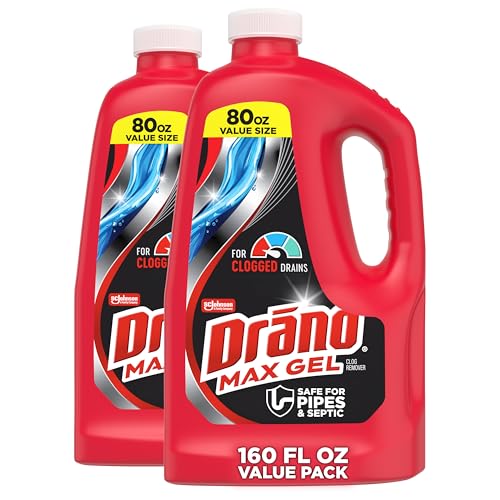



If soap scum is slowing your bathroom drain, you can usually clear it by dissolving the residue, then flushing and scrubbing away what’s left. Start with a safe chemical or enzymatic cleaner to break down buildup, and follow with mechanical removal (like a drain brush or stiff wire) if needed. This guide walks you through the quickest, least-damaging order of steps so the drain stays cleaner longer.
Who this is for / when it applies:
This is for anyone dealing with a sluggish or partially clogged bathroom drain from soap residue, especially in sinks and showers. It’s most useful when you’re seeing visible slime/scum near the drain opening or you notice water draining slower over time.
Gather what you need (and what to avoid)

The fastest way to fix a soapy bathroom drain is to start with the right tools and avoid risky chemical combinations. When you prep properly, you reduce the chance of damaging pipes and you make sure the cleaner can actually reach the soap buildup.
– Have gloves, a drain brush (or old toothbrush), a flashlight, paper towels, and a bucket ready.
– Avoid mixing cleaners (especially anything with bleach or ammonia) with other products—follow label directions closely.
– If you have a hair trap or removable drain cover, plan to take it out for easier cleaning.
Practical note: keep a bucket nearby to catch water when you remove a strainer, especially if the drain is already partially blocked. Soap scum often forms a slick “film” that holds hair and dust, so pulling the cover first helps you see whether you’re dealing with a surface layer, a deeper mass, or both. Also, use a flashlight—many homeowners miss buildup right at the drain rim until they can see it clearly.
Safety anchor: If you’ll rinse with hot water, don’t exceed safe household temperatures. According to the U.S. Department of Energy, many systems are designed around a 120°F (49°C) target to reduce scald risk (U.S. Department of Energy, “Hot Water and Energy Savings” (2024)).
Clear the visible buildup first
You can often restore flow quickly by cleaning the opening before you add any cleaner. This step removes the “starter layer” of soap film so the product you use next can work on the buildup deeper in the bathroom drain.
– Remove and clean any drain strainer/cover so you can see what’s actually blocking the opening.
– Wipe out surface soap film with a paper towel before you use any cleaner, so it can work more effectively.
– If you can reach it, loosen compacted residue with a brush or gloved fingers (use caution with sharp edges).
Why this matters: soap scum is sticky and usually thicker near the drain rim where water slows down. If you pour a drain product onto a clogged opening, it may dilute and run past the exact area you need to clean. By clearing the strainer and wiping the visible slime, you give the cleaner direct contact with the buildup.
If you’re seeing a “gray-white, gel-like” layer, that’s typically a mix of soap residue plus hard-water minerals. When calcium and magnesium in hard water meet fatty acids from soap, soap scum forms and adheres to surfaces. (If you use a lot of bar soap or body wash, this buildup can accelerate.)
Dissolve soap buildup with the right cleaner (safe sequence)
Choose a drain cleaner based on the type of residue and follow the contact time exactly—this is what prevents repeat clogs. The best sequence for a bathroom drain is: dissolve first (so chemicals soften the scum), then flush, then mechanically finish if needed.
– Choose a cleaner intended for drain soap scum (many people use enzyme-based products for routine buildup, and stronger formulations for tougher clogs—always read the label).
– Pour exactly as directed, wait the recommended time, then flush with hot water to carry loosened residue away.
– If the drain is still slow, repeat once before moving to manual removal to avoid overdoing chemicals.
Before you pour: confirm what’s currently going down the drain. If you’ve already used a chemical earlier, wait for any recommended neutralization/rinsing steps from that product’s label. Mixing products is a leading cause of irritation, pipe damage, and dangerous reactions—especially with products containing bleach or ammonia.
Cleaner choice cheat sheet (soap scum-focused)
| Option | What it does best | Typical pros | Common limitations |
|---|---|---|---|
| Enzyme drain cleaner | Breaks down organic/slimy residue and soap-skin buildup over time | Lower risk to many plumbing materials; good for routine maintenance | Slower on heavy, compacted clumps; still needs brushing for rim buildup |
| Alkaline drain cleaner (lye-based) | Saponifies/loosens fatty residues in soap scum | Often strong on greasy residue; faster for tougher scum | Higher risk if overused; must follow ventilation and label guidance |
| Acidic cleaner (for mineral scale) | Helps with mineral-driven film | Can help when buildup includes hard-water scale | Not usually ideal as a first choice if the clog is mostly fatty soap scum |
| Oxidizing cleaner (e.g., peroxide-based) | Reduces odor and breaks down some organic matter | Useful for smell + light residue | May be less effective on thick, layered scum masses |
Data point you can use while deciding: vinegar is acidic and is sometimes helpful for mild scale, but it generally won’t “melt” compact soap scum as effectively as a product designed for drains. According to the USDA, distilled white vinegar is commonly about 5% acetic acid by volume (U.S. Department of Agriculture, “Vinegar” (2022)).
Below is a quick reference for how common bathroom-cleaning substances differ by acidity/alkalinity—this helps you understand why some options work better than others on soap scum.
Typical pH Strength of Common Drain-Adjacent Cleaners (Used for Soap-Scum Context)
| # | Cleaner type / active | Typical pH level | Most relevant action | Soap-scum lift score |
|---|---|---|---|---|
| 1 | Sodium hydroxide (lye) drain products | 13.5 | Fatty residue saponification | ★★★★★ |
| 2 | Potassium hydroxide (lye) drain products | 13.3 | Fatty residue breakdown | ★★★★☆ |
| 3 | Household baking soda solution | 8.3 | Mild film loosening | ★★★☆☆ |
| 4 | Enzyme drain cleaners (typical formulations) | 7.2 | Biological residue digestion | ★★★★☆ |
| 5 | Neutral detergent-based products | 7.8 | Surfactant loosening (limited) | ★★☆☆☆ |
| 6 | Liquid castile / hard soaps (pH-typical) | 9.6 | High-fat residue source | ★★★☆☆ |
| 7 | Distilled white vinegar (acetic acid) | 2.4 | Mineral softening (variable) | ★☆☆☆☆ |
Note: pH can vary by concentration and product formula, so always follow the label. The point of this “bathroom drain soap scum” context table is to help you understand why drain-safe alkaline products or enzyme cleaners often outperform quick vinegar-only attempts for compact scum layers.
Manually remove what’s left (for stuck scum)
If the drain is still slow after dissolving, finish the job with mechanical removal. Soap scum tends to trap hair, skin flakes, and grit, so the last 20–30% usually requires scrubbing or pulling clumps.
– Use a drain brush or a stiff plastic tool to scrub the inner rim and accessible sections of the drain.
– For deeper gunk, use a hair-removal tool or a stiff wire with a hook carefully—pull out clumps rather than grinding them further in.
– Rinse thoroughly with hot water after each manual attempt.
Work method: focus on the “action points” where buildup accumulates—inside the lip of the drain opening and along the first few inches below. A drain brush works well because it physically disrupts the slime layer that dissolvers may soften but not fully detach.
For deeper clogs, don’t push a wire deeper in search of more debris. Instead, use a controlled hook-and-pull motion and remove what comes up. That reduces the chance of turning a semi-loosened clump into a fully compacted blockage.
Hot-water rinse guidance: many households set hot water heater temps around 120°F (49°C) for safety (U.S. Department of Energy, “Hot Water and Energy Savings” (2024)). Hot water should help carry loosened soap scum away, but you should avoid extreme temperatures that increase burn risk.
What can go wrong (common mistakes and edge cases)
The most common failure is using the wrong method at the wrong time—often too much chemical or not enough physical removal. When soap scum is acting like a “hold-on,” it can require a different approach than a routine enzyme soak.
– Using too much product or letting it sit longer than the label instructs can irritate plumbing joints and create lingering odors.
– Mixing cleaners can create dangerous reactions—never combine products unless the label explicitly says it’s compatible.
– If you have standing water, a full blockage, or repeated clogs, soap scum may be acting as a “hold-on” for hair or other debris that needs a different approach.
– If you have older/severely corroded pipes, aggressive chemical cleaners may worsen leaks—consider sticking to gentler methods or getting help.
Edge case: standing water indicates that flow is already restricted at a deeper point, so “dissolve only” may not work quickly enough. In that situation, manual removal near the opening and repeated hot-water flushing are usually necessary. If you can’t remove debris from the rim and the drain remains backed up, you may be dealing with a more serious obstruction that a plumber-grade approach can address safely.
Also consider material compatibility. Some drain lines are more sensitive to certain chemicals depending on age, pipe type, and joint condition. As of 2026, many consumer product labels emphasize compatibility and limits—so treat the label as the governing instruction.
Verdict / tip (what’s usually worth doing)
This approach is usually worth it when the issue is soap scum and early-to-moderate slow drainage. The biggest downside is that heavy buildup sometimes won’t fully clear on the first try, and repeated chemical use can be frustrating—manual removal is often the “finisher.”
Skip DIY chemical clearing if you suspect a larger obstruction, have frequent backups, or you’re unsure about what’s already been used in the drain—then it’s smarter to switch to a safer escalation plan or use a plumber-grade method. If you’re troubleshooting in 2026 and the problem keeps returning in the same sink/shower, the best “fix” may be prevention: cleaning the strainer more often and reducing how much soap residue and hair reach the trap.
Quick checklist (scan/save)
– [ ] Remove drain cover/strainer and wipe visible soap film
– [ ] Use an enzyme or drain-safe soap scum remover per label
– [ ] Flush with hot water after the wait time
– [ ] Scrub accessible buildup with a brush
– [ ] Remove remaining clumps with a hair/removal tool if needed
– [ ] Don’t mix cleaners; stop and escalate if drainage doesn’t improve
Frequently Asked Questions
What’s the best way to remove soap buildup from a bathroom drain?
Start by removing any visible hair or gunk with a drain strainer or pliers, then flush the drain with hot water to loosen the soap scum. For stubborn buildup, use a combination of baking soda and vinegar, letting it sit for 30–60 minutes before flushing again with hot water. If the clog persists, a plumber’s snake or a powered drain auger can help break up and pull out compact soap buildup.
How do you clean a bathroom drain clogged with soap scum without damaging pipes?
Avoid harsh methods like repeated chemical drain cleaners, especially for older plumbing, because they can damage pipes and create hazardous fumes. Instead, use mechanical removal (hair removal tool or plumber’s snake) to physically break up the soap residue, followed by safe natural flushing with hot water. If you use cleaners, choose enzyme-based or mild products intended for regular bathroom drain cleaning, and always follow the label directions.
Why does soap buildup keep forming in bathroom drains?
Soap scum is created when soap mixes with skin oils, dirt, and hard water minerals, then adheres to pipe walls over time. Slow draining is often caused by a layered buildup that traps hair and other debris, gradually narrowing the drain opening. Areas with hard water or frequent handwashing and showering tend to develop soap scum faster, making regular bathroom drain maintenance important.
How do you remove soap buildup from a bathroom sink drain trap?
If the sink has a P-trap, place a bucket underneath, then loosen the slip nuts and remove the trap carefully. Scrub the trap and the connecting pipe sections with warm water and a brush, and dissolve remaining soap scum using hot water and dish soap or a baking soda paste. Once everything is cleaned, reassemble the trap tightly and run hot water to confirm proper drainage.
Which household ingredients work best for dissolving soap scum in bathroom drains?
Baking soda and vinegar are a popular, gentle option that can help break down soap buildup, especially when used repeatedly and followed by hot water flushing. Enzyme drain cleaners can also be effective because they target organic residue and reduce buildup without aggressive chemicals. For heavy soap scum buildup, combine an initial hair/gunk removal step with a natural treatment, then finish by flushing thoroughly to keep the drain clear.
📅 Last Updated: November 03, 2026 | Topic: How to Remove Soap Buildup From a Bathroom Drain | Content verified for accuracy and freshness.
References
- Drain cleaner
- Soap scum
- Limescale
- Descaling agent
- Drain
- Trap (plumbing)
- Plumbing
- https://scholar.google.com/scholar?q=soap+scum+removal+from+drains Google Scholar
- https://scholar.google.com/scholar?q=soap+deposit+in+plumbing+pipe+removal Google Scholar
- https://scholar.google.com/scholar?q=descaling+and+mineral+scale+removal+from+plumbing+fixtures Google Scholar
