

A pumice stone’s abrasive surface can scuff glossy bathroom tiles if you scrub too firmly. So the straight answer is: you can clean some grout stains with pumice, but it is risky on glazed tile finishes. The key issue is abrasion, which can permanently dull or scratch the surface, so test first and use the gentlest approach that still removes the stain.



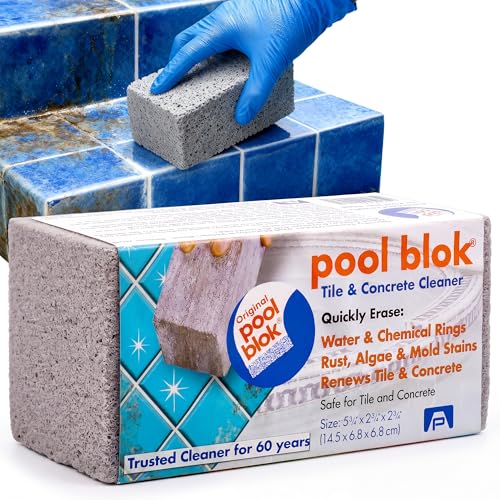
Yes—you can clean bathroom tiles with a pumice stone, but only if you use it gently and only on the right surfaces. Experts generally caution that pumice is abrasive, so it can dull or scratch certain finishes, especially natural stone or unglazed tile. This guide walks you through when it’s appropriate, how to do it safely, and when to choose another method. If your bathroom has stubborn soap scum, grime buildup, hard-water spots, or surface stains, pumice can help—but the “right” answer depends on what your tile is (glazed ceramic/porcelain vs. natural stone) and how delicate the finish is.
If you manage bathrooms for a home, rental, or commercial facility, this matters because bathroom tile coatings and grout vary widely in how they respond to abrasion. In 2026, more homeowners and cleaning teams are using “mechanical” spot methods alongside chemical cleaners, so choosing the least-damaging option is part of responsible maintenance—not just aesthetics.
When a Pumice Stone Works on Bathroom Tiles

Yes—pumice is often effective when the problem is bonded surface residue and you can keep the action light and controlled. The best results come from treating pumice as a targeted spot tool, not a full-surface scrubber.
– Pumice is best for surface-level gunk and stubborn spots where grime has bonded to the finish.
– It can be more effective on certain stains than non-scrub cleaners, because it physically lifts buildup.
– It’s typically approached as a “test-and-go” tool, not a universal tile scrubber.
From a material-compatibility perspective, the core issue is hardness. Pumice is a volcanic rock used for abrasive cleaning; on the Mohs hardness scale it rates roughly 6–7, while many common natural stones (like calcite-based marble and limestone) sit around 3. According to the U.S. Geological Survey (USGS) (accessed 2026), pumice is about 6–7 Mohs (2026), and calcite is about 3 Mohs (2026). That hardness gap is exactly why pumice can remove deposits on harder, sealed surfaces—and why it can etch or dull softer, porous stone.
How to Use a Pumice Stone Safely (Step-by-Step)
Yes—pumice can be used safely when you control three variables: water, pressure, and contact time. If you change any of those, the risk of dulling or scratching rises quickly.
– Keep everything wet: wet the tile and the pumice so you’re rubbing with a slurry, not dry grinding.
– Use light pressure and small circles; if you see scuffing, stop and reassess.
– After scrubbing, rinse thoroughly and follow up with a gentle cleaner to remove loosened residue.
Here’s a practical, low-damage workflow that aligns with risk-based maintenance practices (similar to an ISO 31000-style risk assessment approach: identify the hazard—abrasion—then reduce exposure with controls).
1. Identify the surface first (fast check): Glazed ceramic/porcelain usually feels smooth and has a consistent coating. Natural stone often has a more “open” look and may scuff sooner.
2. Dampen both sides: Run warm water over the spot, then wet the pumice. You want a visible slurry—dry pumice increases friction dramatically.
3. Start off with a test patch: Choose a hidden area (behind a toilet base, inside a shower corner). Scrub for a short interval (keep it brief and watch for changes).
4. Scrub in small circles with light pressure: Let the abrasive do minimal work. If the finish turns hazy or you see color transfer, stop.
5. Rinse and verify before you continue: Rinse thoroughly—loosely held grit can spread and create new scuffs if you keep going.
6. Follow with a gentle cleaner: This removes residue that the pumice may have dislodged so it doesn’t redeposit.
In 2026, many teams also double-check grout and caulk condition during rinse-off. If grout is already cracked or worn, abrasive contact can accelerate surface degradation even when tile itself looks “fine.”
What Experts Say by Tile Type (Key Limits)
Yes—pumice can be workable on some tile types, but experts draw clear lines based on surface hardness and finish sensitivity. The same technique that lifts soap scum on glazed porcelain can permanently dull natural stone or unglazed coatings.
– Glazed ceramic or porcelain: often workable with light, controlled pressure, but pumice can still leave dull marks if you scrub aggressively.
– Grout: pumice may help on grout and texture, yet it can also remove surface coloring or wear down older, weaker grout—go slowly.
– Natural stone (marble, travertine, limestone) and unsealed/soft finishes: experts typically recommend avoiding pumice because abrasives can permanently etch or change the surface.
– If you have a “coated” or highly polished look, treat it as delicate and test first in a hidden area.
Hardness and surface structure explain most expert guidance. Pumice is porous (it’s light and full of tiny voids), and that structure helps it “cut” and lift deposits, but it also means it doesn’t behave like a mild scrubber. According to Encyclopaedia Britannica (accessed 2026), pumice is a highly porous volcanic rock with very low density in many cases (2026). That “high-contact, abrasive lifting” is useful on many sealed finishes—but on softer minerals, it can create a permanent change in sheen.
Quick compatibility comparison: pumice vs safer cleaning methods
| Method | Strength | Main limitation |
|---|---|---|
| Pumice stone | Physical lift of bonded residue on many sealed surfaces | Can scratch/dull finishes; higher risk on natural stone |
| Microfiber + neutral cleaner | Low risk for routine maintenance and haze removal | Slower for hardened soap scum and mineral spots |
| Non-abrasive gel remover (bathroom-safe) | Better chemical action for hard-water/mineral deposits | May require dwell time; can be ineffective on purely oily scum |
If you’re working in a commercial setting (schools, gyms, hospitality), tile type and finish often vary by zone. A compatibility check—first-pass cleaning with the least aggressive method, then escalate only if needed—is the most defensible approach.
What Can Go Go Wrong (Common Mistakes and Edge Cases)
Yes—most pumice-related damage comes from going too aggressive or using it in the wrong condition. Even when pumice “works,” it may create a new surface issue that looks worse over time.
– Scratching or dulling: the most common issue when pressure is too high or the tile finish is sensitive.
– Using it dry: dry scrubbing turns pumice into sandpaper and increases the risk of permanent marks.
– Trying to treat everything: pumice may not solve deeper issues (like persistent staining caused by penetration, damaged grout, or ongoing water contamination).
– Wrong surface assumptions: if you’re unsure whether your tiles are natural stone, don’t risk it—choose a gentler cleaner first.
Pros/cons decision snapshot
– Use pumice when: deposits are localized, the surface is likely sealed (glazed ceramic/porcelain), and you can do a quick test patch.
– Avoid pumice when: the tile is likely natural stone (marble, limestone, travertine), the finish is already hazy/scuff-prone, or grout is crumbling.
Edge cases deserve attention because bathrooms fail in patterns, not in isolated moments:
– Hazy marks that don’t rinse away: This often indicates finish alteration, not residue—stop.
– Only grout looks worse: Pumice may have removed surface grout coloring or worn down older grout edges.
– Persistent “stain” after cleaning: That can mean penetration (the contaminant is deeper than the surface). In those cases, abrasion won’t correct the root cause.
Verdict: Should You Use a Pumice Stone Anyway?
Yes—use a pumice stone only as a gentle, wet, test-patch method for stubborn spots on sealed bathroom tile. If you’re dealing with natural stone or delicate coatings, skip pumice and choose a non-abrasive or stone-safe approach.
A pumice stone can be a good option for stubborn bathroom tile spots when used wet, with light pressure, and after a quick test patch. The downside is real: it can scratch or permanently dull finishes, especially on natural stone or delicate tile surfaces. Skip pumice if you have natural stone tiles, unsealed/aged surfaces you can’t easily replace, or if you’ve noticed the tile already scuffs easily—use a non-abrasive cleaner or a specialized stone-safe approach instead.
Bottom line for 2026 maintenance planning
If your goal is consistent appearance and fewer rework costs, pumice belongs in the “last step” category—used briefly, controlled, and verified after rinsing. That’s especially true in high-turnover environments where tile and grout age faster.
Abrasive Hardness vs Natural Stone Scratch Risk (Calcite ~Mohs 3)
| # | Abrasive medium | Mohs hardness (approx.) | Where it shows up | Safety for calcite stone |
|---|---|---|---|---|
| 1 | Baking soda (sodium bicarbonate) | 2.5–3 | Mild scrubbing pastes | ★★★★☆ |
| 2 | Pumice stone | 6–7 | Spot removal for hard spots | ★★☆☆☆ |
| 3 | Soda-lime glass (typical) | ~5.5 | Glass scrapers, grit in some pads | ★★☆☆☆ |
| 4 | Feldspar (common mineral) | ~6 | Abrasive compounds, polishing powders | ★★☆☆☆ |
| 5 | Quartz (sand) | ~7 | Loose grit, sandpaper, some scouring pads | ★☆☆☆☆ |
| 6 | Corundum (aluminum oxide) | ~9 | Abrasive grains, heavy-duty sanding | ★☆☆☆☆ |
| 7 | Silicon carbide | 9–9.5 | Cutting/polishing abrasives | ★☆☆☆☆ |
Quick Scan Checklist (Save This)
| Task | Do | Stop if you see… |
|---|---|---|
| Prep | Wet tile + pumice | Dry grinding or heavy “dragging” |
| Pressure | Light, controlled circles | Dull patches, scratches, or color changes |
| Testing | Test in a hidden area first | Scuffing that won’t rinse off |
| Rinsing | Rinse thoroughly after | Residue that spreads under pressure |
| Aftercare | Use gentle cleaner and wipe dry | Persistent marks suggesting deeper damage |
Frequently Asked Questions
Can you clean bathroom tiles with a pumice stone safely?
Yes, a pumice stone can be used to clean bathroom tile surfaces, especially for tough grime, soap scum, and rust stains on harder materials. Experts caution that it should be used gently because pumice is abrasive and can dull glossy ceramic glaze or damage softer tile finishes. Always test a small, hidden area first and avoid pressing hard or scrubbing for long periods in one spot.
How do you use a pumice stone on bathroom tiles without scratching them?
Wet both the tile and the pumice stone first, then apply light pressure and use slow, controlled strokes. Keep the surface lubricated to reduce friction, and stop frequently to check progress rather than repeatedly grinding. For best results, pair gentle pumice cleaning with an appropriate cleaner afterward (like a mild degreaser) to remove residue.
Why do pumice stones work well on bathroom soap scum and grout discoloration?
Pumice stones have a porous, abrasive structure that lifts built-up deposits from tile and grout surfaces. This action is effective on mineral-based film and stubborn stains where a standard bathroom tile cleaner may not fully penetrate. However, results depend on the type of tile and the severity of staining—sealed grout and certain stains may require specialized grout cleaning products.
Which bathroom tile types can be cleaned with a pumice stone (and which should you avoid)?
Pumice is generally safer for glazed ceramic, porcelain, and many non-sensitive stone tiles when used lightly and tested first. Experts recommend avoiding pumice on natural stones like marble, travertine, limestone, or on unglazed/soft finishes because abrasion can etch or permanently dull the surface. If you’re unsure, consult the tile manufacturer’s care instructions before using any abrasive tool.
What is the best way to remove rust stains or hard-water spots using a pumice stone?
For rust or hard-water spots, soak the area, then gently scrub with the pumice while keeping the surface wet to prevent damage. After you lift the stain, rinse thoroughly and consider following with a bathroom-safe descaler or rust remover appropriate for your tile type. Avoid mixing chemicals during or after pumice scrubbing, and ensure good ventilation when using stain-removing products.
📅 Last Updated: November 08, 2026 | Topic: Can You Clean Bathroom Tiles With a Pumice Stone? What Experts Say | Content verified for accuracy and freshness.
References
- Pumice
- Abrasive
- https://www.britannica.com/science/pumice
- https://www.cdc.gov/hygiene/cleaning/index.html
- https://www.epa.gov/coronavirus/disinfectants-coronavirus-covid-19
- https://pubmed.ncbi.nlm.nih.gov/?term=abrasive+wear+ceramic+surface
- https://pubmed.ncbi.nlm.nih.gov/?term=surface+abrasion+cleaning+glazed+ceramic+tile
- https://scholar.google.com/scholar?q=can+you+clean+bathroom+tiles+with+pumice+stone Google Scholar
- https://scholar.google.com/scholar?q=pumice+stone+abrasive+ceramic+tile+surface+damage Google Scholar
- https://scholar.google.com/scholar?q=grout+cleaning+abrasive+cleaners+pumice Google Scholar
