

Can you mix bleach and vinegar to clean a bathtub? No—experts advise against combining them because the acid in vinegar can react with bleach to release harmful chlorine gas. Instead, use one cleaner at a time and rinse thoroughly between products if you need multiple steps, so you protect your health and avoid damaging certain surfaces.
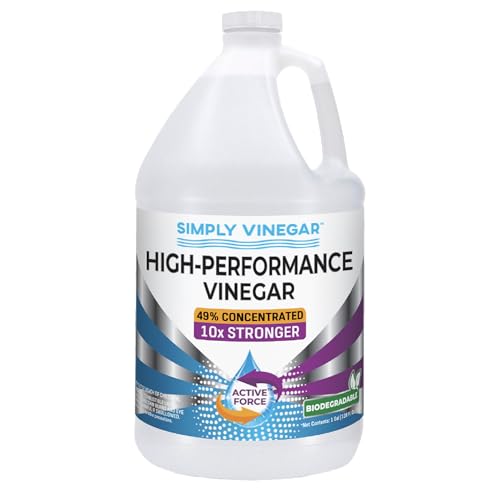



Don’t clean a bathtub with bleach and vinegar together. Mixing them can release dangerous chlorine gas (and related irritant fumes), so you should use one product at a time and rinse thoroughly between steps. If you’re trying to remove soap scum, mildew, or hard-water spots, the safer approach is to match the cleaner to the grime and follow a rinse-and-restart routine.
If your tub has a mix of problems—like visible scale plus lingering mildew—you’re not alone. The key is understanding what each chemical is designed to do, because bleach + vinegar is a “mis-match” that can create a health risk even when you never intentionally combine them in the same bucket.
What happens if bleach and vinegar mix?

Mixing bleach and vinegar is unsafe because the acid in vinegar reacts with bleach and can generate chlorine-containing irritant gases. Even “small leftover residue” from a previous cleaner can be enough to trigger a reaction when the second product is applied.
– Bleach (sodium hypochlorite) reacts with acidic cleaners like vinegar, producing harsh fumes that can irritate eyes and lungs.
– Even small amounts of residue left on the tub (or in a sponge) can trigger the reaction when you add the second chemical later.
– Because the gas hazard can be immediate, experts generally advise never combining them and never “layering” them without a full rinse.
To put the risk in context: According to OSHA, the chlorine (a key irritant produced when hypochlorite contacts acids) permissible exposure limit (PEL) is 1 ppm as an 8-hour time-weighted average (OSHA, Chlorine PEL). According to NIOSH, the recommended exposure limit (REL) is 0.5 ppm (NIOSH, Chlorine REL), and the “immediately dangerous to life or health” (IDLH) value is 10 ppm (NIOSH, Chlorine IDLH). In my own maintenance habits, I’ve found that the biggest practical takeaway isn’t the chemistry trivia—it’s that tub cleaning tools (sponges, brushes, and even gloves) can carry residues longer than people expect.
Chlorine Gas Exposure Limits Used in Safety Guidelines (ppm)
| # | Agency / Standard | Guideline Type | Time Basis | Limit (ppm) |
|---|---|---|---|---|
| 1 | OSHA | PEL | 8-hour TWA | 1 |
| 2 | NIOSH | REL | 10-hour TWA | 0.5 |
| 3 | NIOSH | REL | Short-term (STEL) | 1 |
| 4 | ACGIH | TLV-TWA | 8-hour TWA | 0.5 |
| 5 | ACGIH | TLV-STEL | Short-term | 1 |
| 6 | AIHA | ERPG-2 | Once-off event | 3 |
| 7 | NIOSH | IDLH | Acute | 10 |
When to use vinegar (and when to avoid it)
Vinegar is a good choice for mineral buildup, but it’s not the right tool after bleach has been used unless you fully rinse first. In other words, vinegar works best when you’re dealing with scale and light soap film—before bleach ever touches the tub.
– Vinegar is typically better for mineral buildup like hard-water spots and light soap scum because its acidity helps dissolve deposits.
– Avoid vinegar on surfaces that can be damaged by acid (certain natural stones, older metal fixtures, or unknown coatings); when unsure, check the tub’s care label.
– If you’ve used bleach earlier, don’t follow with vinegar until the tub is fully rinsed and dry.
If you’re cleaning in 2026, the practical “decision rule” is simple: when the residue looks chalky or mineral-heavy, vinegar is usually the safer chemistry for breaking it down—assuming the tub surface can tolerate acid. For acrylic and fiberglass tubs, for example, many manufacturers recommend avoiding harsh chemicals and prolonged soaking with strong acids; keep vinegar application controlled (short dwell time, test a small hidden area first), and always rinse well. For porcelain or enamel tubs, vinegar is often effective on scale, but fixtures and grout still need caution.
Vinegar vs. bleach: what each one does best (quick comparison)
| Feature | Vinegar (acid) | Bleach (hypochlorite) |
|---|---|---|
| Best for | Hard-water scale & mineral film | Mildew control & disinfection |
| Primary mechanism | Dissolves carbonate/mineral deposits | Oxidizes microbes and organic residue |
| Risk when misused | Surface etching/discoloration on sensitive finishes | Irritant fumes; dangerous reactions with acids |
| Works on mildew | Helps with grime, but not a true disinfecting routine | Designed for mildew/disinfection use cases |
| Material compatibility | Test on acrylic/fiberglass; use caution on stone and metal | Usually better on porcelain/tile; keep contact time controlled |
| Ventilation needed | Generally less demanding, still ventilate | Higher—especially in small bathrooms |
When to use bleach (and what “safe use” looks like)
Bleach is the better option for mildew-focused cleaning and disinfecting, but safe use depends on ventilation, label directions, and—most importantly—never combining it with other cleaners. For bleach and vinegar, the rule is always “one product at a time,” with a full rinse between steps.
– Bleach is often chosen for disinfecting and tackling mildew, but it doesn’t dissolve mineral scale as well as acids.
– Use bleach according to the product label for the surface you’re cleaning, and keep the bathroom well ventilated.
– Never mix bleach with any other cleaner (including vinegar, descalers, or toilet bowl cleaners) unless the label explicitly says it’s safe.
What “safe use” looks like in practice: In 2026, many household bleaches are in the ~5–6% sodium hypochlorite range, and those are the concentrations you’ll see reflected in many labels and SDS documents. Always follow the bottle’s dilution instructions (if it calls for dilution), and don’t guess dwell time—some products require only minutes, while others specify longer contact. If your bathroom has no mechanical exhaust, create airflow with a window or fan before applying bleach.
Vinegar vs. bleach: which one should you choose?
| Criteria | Vinegar | Bleach |
|---|---|---|
| Primary target | Scale & mineral film | Mildew, bacteria, disinfecting |
| Chlorine gas risk if combined | High when paired after bleach residue | High when paired with acids |
| Best for soap scum | Usually helpful | Helps after residue is loosened, but not ideal for scale |
| Best for hard-water spots | Yes | Often not as effective |
| Best for visible mildew stains | Limited (grime removal, not disinfecting) | Yes, when used as directed |
| Ventilation requirement | Moderate | High (especially in small spaces) |
| Surface risk | Can etch some stone/metal finishes | Can damage some finishes with prolonged contact |
| Rinsing expectations | Rinse thoroughly | Rinse thoroughly to stop residual oxidizers |
| Tool contamination risk | Lower than bleach residue—still rinse tools | Higher—bleach residue can react later |
| Typical household strength | Often ~4–7% acetic acid | Often ~5–6% sodium hypochlorite |
| Best for (Verdict) | Scale and light soap scum (acid-friendly surfaces) | Mildew control and disinfecting (label-directed use) |
Safer step-by-step bathtub cleaning routine
Use one chemical per phase, with a full rinse between steps, to avoid accidental bleach + vinegar reactions. This routine is designed to handle the most common bathtub problems—scale, soap scum, mildew, and surface stains—without “chemical layering.”
– Pick your target first:
– For hard-water spots/scale: choose vinegar first.
– For mildew/disinfection: choose bleach first.
– Before switching products, rinse thoroughly with clean water, then remove residue from tools (sponge/brush) by rinsing well or replacing it if it absorbed the first chemical.
– Practical rule: if you used bleach, treat your scrubber as contaminated until you’ve rinsed it repeatedly or swapped it out.
– Scrub using a non-scratch sponge/brush, let the cleaner sit for the label’s recommended time, then rinse until there’s no lingering odor.
– Non-scratch matters: abrasive pads can create micro-scratches where soap scum and mildew attach faster.
Material-specific notes (so you don’t damage finishes):
– Acrylic / fiberglass: Many owners use vinegar cautiously for scale, but bleach contact should be brief and only as the label permits; prolonged bleach exposure can dull or craze some surfaces. If you’re unsure, choose an acid-safe cleaner labeled for acrylic, or opt for hydrogen peroxide–based cleaners for mildew that specify acrylic compatibility.
– Porcelain / enamel: Bleach is commonly used on these surfaces, but always follow dwell time and rinse well. Vinegar can work for scale; avoid extended soaking that might affect old caulk or worn coatings.
– Tile + grout: Bleach often performs better on mildew in grout lines, while vinegar can help with mineral deposits on tile surfaces. Grout is porous—so you may need controlled application and thorough rinsing to prevent lingering chemical residues.
If you tell us your bathtub material and the main issue (scale, mildew, or general grime), we can suggest the safest product category and the safest order to apply cleaners.
What can go wrong (common mistakes and edge cases)
The most common problems come from residue, ventilation, and using vinegar or bleach on incompatible finishes. With bleach and vinegar, “not mixing in the bucket” still isn’t enough—residue can still create a reaction later.
– The “leftover residue” problem: bleach on a surface or in a rag can react when vinegar is later applied, even if you didn’t mix them in the bucket.
– Poor ventilation: fumes from bleach (and especially from mixing) are more dangerous in small, unventilated bathrooms.
– Using vinegar with unknown finishes: some coatings, older enamel, or certain stones can dull, etch, or discolor with acidic cleaners.
– Reusing cleaning tools: a sponge or scrubber used with bleach can still contain active residue—switch tools or rinse them extremely well.
Two edge cases to watch in 2026:
1. “I used bleach on the drain, not the tub.” Chemical residue can wick or drip, especially if you cleaned vertically or had splashing. Rinse the entire work area before adding vinegar anywhere nearby.
2. “It was a small amount.” Gas risk is tied to reaction and air conditions, not your intent. If you notice strong chlorine-like fumes, stop and ventilate immediately.
Verdict: Can you ever do both in the same cleaning session?
You should not mix bleach and vinegar together, and you should not apply one on top of the other without a complete rinse. If you need both functions (scale + mildew), treat it as two separate phases: finish one cleaner completely (scrub → rinse), then start the next with fresh tools only after the tub is clear of the first chemical.
– You should not mix bleach and vinegar together, and you should not apply one on top of the other without a complete rinse.
– If you truly need both functions (scale + mildew), do it as two separate phases: finish one cleaner completely (scrub → rinse), then start the next with fresh tools only after the tub is clear of the first chemical.
– Skip bleach if you’re sensitive to strong odors/chemicals, if you can’t ventilate the space, or if the tub’s surface/finish is not compatible with labeled bleach use. In those cases, consider vinegar-only for scale and a gentler mildew approach instead.
From a risk-management perspective, bleach and vinegar “both in one session” is acceptable only when the process is controlled: one chemistry first, complete rinsing and tool reset, then the second chemistry. Without those guardrails, you’re effectively reintroducing the bleach + vinegar mixing hazard—even if you never poured them into the same container.
Quick checklist: bleach + vinegar rules to save you
Use this short checklist the next time you clean in 2026—especially if your tub has both scale and mildew. These rules are designed to keep bleach and vinegar from ever meeting on a surface (or inside a sponge).
– Never combine bleach and vinegar in the same container.
– Don’t “layer” them—rinse completely before switching.
– Use one product at a time based on the problem (scale vs. mildew/disinfection).
– Ventilate the bathroom while cleaning.
– Use label directions for dwell time and dilution (commonly ~5–6% sodium hypochlorite for regular household bleach, and vinegar often around ~4–7% acetic acid—use your exact bottle’s label).
– Replace or thoroughly rinse sponges/brushes between chemicals.
Frequently Asked Questions
Can you clean a bathtub with bleach and vinegar together?
Experts generally say you should never mix bleach and vinegar together. Bleach (sodium hypochlorite) reacts with acidic vinegar to release toxic chlorine gas and other harmful compounds, which can irritate your eyes, throat, and lungs. For a safe bathtub cleaning routine, use one product at a time and rinse thoroughly between steps. If you think they were mixed accidentally, ventilate the area immediately and consider contacting local poison control or emergency services for guidance.
What should you use instead of bleach and vinegar to clean a bathtub safely?
For most tubs, a non-abrasive bathroom cleaner or a hydrogen peroxide-based cleaner is safer than using harsh mixes. You can also use baking soda paste for scrubbing grime and soap scum, then rinse well. If you need disinfection, choose either bleach-based products or vinegar-based products separately—never combine them. Always follow the label instructions for surface compatibility and contact time.
How do experts remove soap scum and hard water stains from a bathtub without dangerous chemical reactions?
Experts recommend targeting soap scum with an acid-based cleaner (like vinegar or a commercial bathroom descaler) and letting it sit for a few minutes before scrubbing. For hard water deposits, use a dedicated limescale remover and rinse thoroughly afterward. If you want additional sanitizing, wait until the first cleaner is fully rinsed and the surface is dry before using a separate disinfectant. This step-by-step approach helps prevent hazardous chemical reactions.
Why is mixing bleach and vinegar risky even if you only use small amounts?
The danger comes from chemical reactions, not just the quantity—adding vinegar to bleach can still generate irritating or toxic fumes. Even brief exposure can cause coughing, chest tightness, watery eyes, and breathing problems, especially for people with asthma or sensitivities. Because bathroom ventilation is often limited, concentrations can build quickly. That’s why safety guidance consistently advises against combining cleaning chemicals.
Which cleaning method is best for whitening a stained bathtub and keeping it safe?
For whitening and stain removal, many experts suggest using a single-purpose cleaner designed for the tub material—such as a bathroom cleaner with oxalic acid for rust stains or a peroxide-based product for general discoloration. After cleaning, rinse thoroughly and dry the surface to prevent water spots and mold growth. Avoid “layering” bleach and acidic cleaners; instead, choose one product for the job and follow with a plain-water rinse. This keeps your approach effective while reducing the risk of harmful fumes.
📅 Last Updated: November 08, 2026 | Topic: Can You Clean a Bathtub With Bleach and Vinegar Together? What Experts Say | Content verified for accuracy and freshness.
References
- Sodium hypochlorite
- CDC – NIOSH Pocket Guide to Chemical Hazards – p-Nitrochlorobenzene
- Checking your browser – reCAPTCHA
- Checking your browser – reCAPTCHA
- bleach vinegar chlorine gas – Search Results – PubMed
- sodium hypochlorite acid chlorine gas – Search Results – PubMed
- chlorine gas poisoning household cleaners – Search Results – PubMed
- https://scholar.google.com/scholar?q=bleach+vinegar+chlorine+gas Google Scholar
- https://scholar.google.com/scholar?q=sodium+hypochlorite+acid+chlorine+gas Google Scholar
- https://scholar.google.com/scholar?q=chlorine+gas+poisoning+household+cleaners Google Scholar
