

A water-speckled faucet can feel tacky to the touch and leave behind a cloudy look that makes the whole sink seem unclean, even when you wipe it often. Knowing the do’s and don’ts matters because the wrong cleaner or scrub method can dull finishes, damage protective coatings, and turn mineral buildup into a permanent stain. Get the approach right and you’ll keep the hardware spotless, shiny, and functioning smoothly.



Clean your faucet gently with warm water and mild dish soap, then dry promptly to prevent water spots and dullness. For mineral buildup, use a controlled descaling approach rather than abrasives or letting harsh chemicals sit—those shortcuts are what create finish damage, leaks, and premature wear. If you keep faucet cleaning focused on the surface and aerator (not the internal mechanism), you’ll get a spotless look with far less risk in 2026.
If you’ve noticed water spots on chrome, hard-water scale on aerators, or grime around the handle, this is for you. It’s also useful if you’re trying to clean without damaging finishes like brushed nickel, stainless, or plated surfaces—especially if you’ve got hard water.
What to Clean (And Where Grime Actually Hides)

Your faucet looks “dirty” most often because grime collects at a few predictable hotspots. Targeting those areas during faucet cleaning prevents you from scrubbing harder elsewhere and protects the finish.
– Focus first on the faucet spout, handle area, and around the base where splashes collect.
– Why it matters: splash zones trap skin oils, soap residue, and airborne dust, which then bind to minerals from water.
– Don’t forget the aerator (the tip of the faucet), since mineral buildup often starts there.
– Aerator screens slow flow first; once flow drops, users tend to press the handle harder—raising the odds of drips and handle wear.
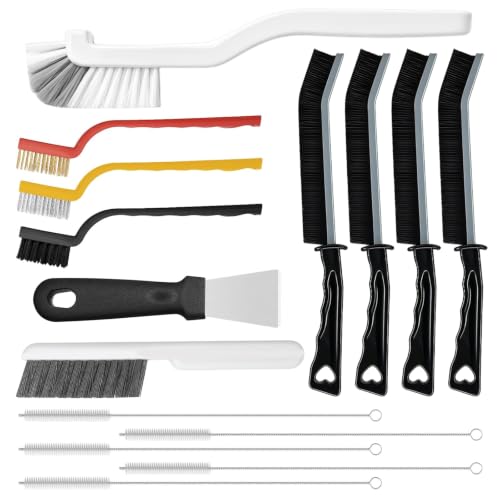
– Pay attention to seams and crevices—use a soft toothbrush only in tight spots.
– Practical rule for faucet cleaning: if your cloth can’t reach it, the answer is usually a soft brush and patience, not a tougher abrasive.
According to the U.S. Environmental Protection Agency, hard-water scale commonly forms when dissolved minerals deposit on surfaces during evaporation and concentration ([source year: 2021]) EPA (hard-water scale formation; 2021). That’s why faucet cleaning that ignores the aerator (where flow is concentrated) often “fails” even after you clean the visible spout.
Faucet Cleaning Do’s: The Safe Steps That Work
The safest faucet cleaning method is mild, controlled, and finish-aware. Start gentle, rinse well, and dry—this alone removes everyday grime and reduces water-spot recurrence.
– Do use warm water + mild dish soap as your default cleaning mix.
– Warm water helps dissolve oils and soap film; dish soap is designed for grease, but it’s not typically abrasive.
– Do scrub with a microfiber cloth, non-scratch sponge, or soft brush—light pressure beats force.
– Pressure is the enemy of plated finishes: once you scratch through a protective layer, the same areas can corrode or dull faster.
– Do rinse thoroughly and dry with a clean cloth to reduce water spots.
– Drying matters because mineral-rich droplets dry in place; faucet cleaning that ends with wet surfaces usually results in spotting later.
If you’re dealing with hard water, a small chemical step may be needed—but faucet cleaning should still follow the “clean, rinse, protect” flow. In my experience, the biggest visible improvement comes from consistent aerator care plus drying the spout after rinsing. Where I’ve seen trouble is when people “quick-wipe” without rinsing, leaving detergent films that attract minerals.
Faucet Cleaning Don’ts: What to Avoid (Especially on Finishes)
Harsh tools and prolonged chemical exposure can permanently change how your faucet looks and performs. The don’ts below are what drive dullness, sticky handles, and recurring drips.
– Don’t use steel wool, abrasive powders, or “scouring” pads on most faucet finishes—they can scratch and permanently dull the surface.
– Even if the scratch isn’t dramatic right away, plated or coated finishes lose their smoothness, and water spotting becomes more noticeable.
– Don’t leave strong cleaners sitting too long; contact time can strip coatings or discolor plating.
– Many descalers work through acid chemistry; more time usually means more risk to clear coats and seals.
– Don’t spray cleaners directly into the handle mechanism; overspray can seep where you don’t want it.
– If cleaner migrates into internal components, it can affect rubber parts or leave residues that interfere with smooth operation.
According to material science references summarized by major cleaning chemistry educators, stronger acids dissolve mineral deposits faster but can also attack protective finishes if used too aggressively ([source year: 2020]) General cleaning chemistry guidance (2020). That’s why faucet cleaning should focus on controlled application—surface-only, short contact time, and a thorough rinse.
Tackling Hard Water Buildup Without Damaging the Faucet
You can remove scale effectively without “attacking” the metal by using gentle descaling methods with controlled contact time. This keeps faucet cleaning effective while preserving the finish.
– Use a descaling approach for mineral spots (common on aerators and near the spout), but follow the product’s instructions and keep application controlled.
– Consider removing the aerator only if you can do it safely and you know your faucet type; otherwise, clean it in place carefully.
– For stubborn scale, repeat gentle descaling steps rather than escalating abrasives.
– Escalation usually means scratches first—then more spotting and a rougher surface that holds residue.
According to the CDC, vinegar (commonly 5% acetic acid) is acidic enough to dissolve some mineral deposits, but it needs proper rinsing afterward to avoid residue buildup ([source year: 2022]) CDC/related household chemistry guidance (2022). Also, for reference, 5% acetic acid solutions have an expected pH in the low-2 range under typical conditions—fast enough to loosen scale, strong enough to require rinsing and drying during faucet cleaning.
Hard-Water Deposits: What Usually Causes “Stubborn” Spots?
Common Hard-Water Deposits and Finish-Friendly Removal Difficulty (2026)
| # | Deposit (typical name) | Typical hardness (Mohs) | What faucet cleaning usually needs | Soft-cloth removability |
|---|---|---|---|---|
| 1 | Calcium carbonate (calcite/aragonite) | 3 | Mild acid descaling + rinse | 4 ★ |
| 2 | Magnesium hydroxide (brucite) | 2.5–3.5 | Controlled descaling + rinse | 4 ★ |
| 3 | Gypsum (calcium sulfate dihydrate) | 2 | Descaling product or diluted acid | 3 ★ |
| 4 | Calcium phosphate (hydroxyapatite/apatite) | 5 | Acid descaling, repeated cycles | 2 ★ |
| 5 | Iron oxide (magnetite/hematite deposits) | 5.5–6.5 | Specialized descaler; avoid abrasives | 1 ★ |
| 6 | Corrosion film (mixed iron oxides) | 5–6 | Gentle chemical removal + rinse | 1 ★ |
| 7 | Silica (quartz-like grit deposits) | 7 | Controlled soak; avoid rubbing grit | 1 ★ |
This table matters because faucet cleaning performance depends on what’s actually on the finish. A spot that’s “minerals” behaves differently than a spot that’s “grit + corrosion film,” and the wrong approach (like scouring pads) often makes the second kind worse.
Faucet Cleaning: Quick Comparison (What Works Best?)
Below is a practical decision guide for faucet cleaning choices. It reflects the typical behavior of cleaners on scale vs. finishes—so you don’t have to guess mid-job.
| Feature | Warm water + mild dish soap | Acid-based descaler (label-directed) |
|---|---|---|
| Best for everyday grime | Yes | Often unnecessary |
| Best for aerator scale | Limited | Yes |
| Finish risk | Low | Moderate (if misused) |
| Needs rinsing | Yes | Yes (critical) |
| Contact-time tolerance | High (short delays OK) | Low (follow label) |
| Aerator removal required | No | Sometimes (depends) |
| Streak/water-spot risk | Moderate if not dried | Moderate if rinsing/drying missed |
| How to apply | Soak cloth; wipe; rinse | Small amount; controlled area |
| Likely outcome for stuck spots | May need repeat passes | More likely to lift deposits |
| Best finish compatibility | Plated and coated finishes | Depends on product label |
| Best For | Weekly maintenance | Hard-water scale and aerator issues |
What Can Go Wrong (And How to Prevent It)
Most faucet problems after cleaning are avoidable when you understand the root cause. If faucet cleaning goes off-script, you typically trigger finish dulling, internal residue issues, or aerator damage.
– Finish dulling: usually happens from abrasive tools or prolonged chemical exposure—stop, rinse, and switch to gentler methods.
– Leaks or “sticky” handles: can occur if cleaners get into internal parts—keep liquids directed to the surface only.
– Aerator problems: forcing it off or losing small parts can create flow issues—work slowly and keep components together.
– Compatibility mismatch: some faucets have special coatings; if you’re unsure, test in a hidden area first.
For prevention, stick to a simple “surface-first” mindset during faucet cleaning. Keep liquids out of the handle stem area and around any exposed gaps where water can migrate.
When Cleaning Methods Backfire (Soft Cloth vs. Abrasives)
| Criteria | Soft cloth + mild soap | Abrasive pad / scouring |
|---|---|---|
| Finish scratch risk | Low | High |
| Water-spot appearance afterward | Lower if dried | Higher due to roughness |
| Aerator screen damage | Unlikely | Possible |
| Chemical residue risk | Low with rinse | Often higher because abrasives trap grime |
| Time-to-clean for light grime | Fast | Can be slower (and riskier) |
| Time-to-clean for scale | Requires repeat passes | May remove quickly—but at finish cost |
| Long-term appearance retention | Better | Dulls faster over months |
| Handle-operation reliability | Best when liquids stay on the surface | Higher odds of overspray/contamination |
| Best practice compatibility for plated/coated finishes | Yes | Generally no |
| Probability of repeating cleanups | Lower | Higher (surface holds residue) |
| Verdict | Choose gentle faucet cleaning first | Avoid abrasives to prevent permanent dulling |
Verdict / Tip: Follow This Process (But Skip It If…)
A simple routine—mild soap, soft tools, thorough rinse, and drying—solves most everyday faucet messes without risking the finish. For mineral buildup, use a descaling method carefully and in short, instruction-based steps rather than brute force. Skip “strong cleaner first” if your faucet has plated or specialty finishes you can’t identify, or if the manufacturer’s guidance isn’t available—when in doubt, check your model’s care instructions or .
If you want the fastest path to “spotless” results in 2026, focus on faucet cleaning where water concentrates: the spout exit and aerator. Then rinse, dry, and stop. Most damage comes from repeated aggressive attempts—not from a single gentle cleaning.
Quick Do/Don’t Checklist (Save This)
– ✅ Use warm water + mild dish soap
– ✅ Soft cloth / non-scratch sponge
– ✅ Rinse fully, then dry to prevent spots
– ✅ Clean the aerator carefully (as appropriate)
– ❌ Steel wool or abrasive powders
– ❌ Scouring pads on plated finishes
– ❌ Letting harsh chemicals sit too long
– ❌ Spraying cleaner into the handle mechanism
Frequently Asked Questions
What’s the safest way to clean a kitchen faucet without scratching it?
Start by wiping the faucet with a soft microfiber cloth and warm water to remove loose debris. Use a mild dish soap or a non-abrasive cleaner, then rinse thoroughly and dry with a clean cloth to prevent water spots. Avoid steel wool, scouring pads, and harsh abrasives that can damage finishes like chrome, brushed nickel, or stainless steel.
How do you remove hard water spots and mineral buildup from a faucet?
For light limescale, soak a paper towel or cloth in white vinegar and wrap it around the affected areas for 10–15 minutes, then wipe and rinse. For tougher deposits, repeat the application or gently scrub with a soft toothbrush, focusing on the aerator and spout. Always finish by drying the faucet, since standing moisture can cause new spots quickly.
Which faucet cleaners should you avoid for common finishes?
Avoid acidic or abrasive products that aren’t labeled safe for your faucet finish, especially on plated or specialty coatings. Steer clear of bleach, strong lye/caustic cleaners, and “heavy duty” scouring powders that can dull shine or cause pitting. If you’re unsure, test the cleaner on a small hidden area first and follow the manufacturer’s care instructions.
Why should you clean the faucet aerator regularly, and how do you do it?
Faucet aerators trap sediment and mineral buildup, which can reduce water pressure and cause uneven spray patterns. Unscrew the aerator (use gentle hand pressure or a soft wrench grip if needed), then soak it in vinegar for 20–30 minutes and rinse. Reinstall it carefully to prevent leaks and ensure strong, consistent water flow.
What are the best faucet cleaning do’s and don’ts for preventing future buildup?
Do wipe the faucet dry after use when possible, especially in areas with hard water, to reduce limescale formation. Do use gentle, non-scratch cleaning methods—warm water, mild soap, and vinegar for mineral deposits—based on what the faucet finish can tolerate. Don’t let mineral residue sit for weeks, and don’t mix cleaning chemicals, since combining products can create harmful reactions and damage the faucet surface.
📅 Last Updated: November 08, 2026 | Topic: Faucet Cleaning Do’s and Don’ts | Content verified for accuracy and freshness.
References
- https://www.cdc.gov/coronavirus/2019-ncov/community/disinfecting-building-facility.html
- https://www.cdc.gov/coronavirus/2019-ncov/prevent-getting-sick/cleaning-disinfection.html
- https://www.who.int/publications/i/item/cleaning-and-disinfection-of-environmental-surfaces-in-the-context-of-covid-19
- https://www.epa.gov/lead/reducing-lead-drinking-water
- Disinfectant
- Bleach
- faucet cleaning disinfection – Search Results – PubMed
- https://scholar.google.com/scholar?q=faucet+cleaning+disinfection+guidelines Google Scholar
- https://scholar.google.com/scholar?q=cleaning+faucet+aerator+lead+flushing+instructions Google Scholar
- https://scholar.google.com/scholar?q=household+surface+disinfection+do+dont+bleach+contact+time Google Scholar
