
How often should you clean your jewelry? Clean it every 2–4 weeks for most everyday pieces, and give it a quick refresh after heavy wear (like workouts, lotions, or beach days). If you wear your jewelry regularly, this simple cadence keeps dirt and residue from dulling shine—without risking unnecessary wear from over-cleaning.



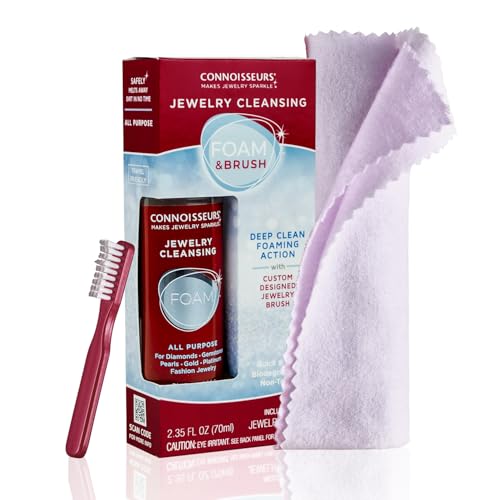
You should clean most everyday jewelry about every 2–4 weeks—then adjust based on wear intensity, sweat, and what products (lotion, perfume, sunscreen) touched the piece. In practice, this simple rhythm prevents dull buildup and tarnish without pushing you into over-cleaning, which can shorten the life of softer stones, plated metals, and pearl strings.

If you’re wondering how often to clean your jewelry, start with the principle most jewelers follow: grime is usually layered. Skin oils dull metal finishes, sweat can affect prongs and settings, and residue from lotions/perfumes can leave a film that “looks dirty” even when the jewelry isn’t visibly stained. The goal isn’t spotless after every wear; the goal is to keep accumulation low enough that you can clean quickly, safely, and consistently. In 2026, the best-performing routines are still the same fundamentals—gentle cleaning, correct intervals, and using the right cloth and solution for your metal and stones.
Everyday Jewelry: The 2–4 Week Rule

For most rings, necklaces, bracelets, and earrings that you wear routinely but not constantly, a 2–4 week cleaning interval is the sweet spot. This window balances buildup control with material safety, especially for everyday settings exposed to hand oils, dust, and light contact with personal care products.
Clean most jewelry every 2–4 weeks, and you’ll typically remove the thin “oil film” that causes dullness and speeds up tarnish on silver jewelry. From my own routine, I’ve found that a quick wipe—done right after wearing—reduces the need for deep cleaning later. If a piece feels slightly tacky, looks less reflective, or you notice tiny surface haze under bright light, your jewelry likely needs cleaning sooner than the lower end of the range.
A light oil film can reduce shine even when jewelry looks “mostly clean,” which is why a 2–4 week interval works for everyday wear.
Jewelers commonly recommend gentle, regular maintenance cleaning to limit buildup in settings and on backs of pieces.
A soft microfiber cloth often removes fresh residue more effectively than waiting for a stubborn layer to harden.
Q: Do I really need to clean jewelry that still looks fine?
Yes—everyday jewelry often develops a thin oil/film residue that dulls shine before it becomes visibly dirty.
Q: What’s the quickest “maintenance” step between full cleanings?
Wipe with a clean, soft microfiber cloth after wearing to prevent buildup from oils and everyday dust.
– Clean most rings, necklaces, bracelets, and earrings every 2–4 weeks
– Give pieces a quick wipe after wearing to prevent buildup
A practical way to apply this rule is to treat cleaning like laundry scheduling: when you do your weekly or biweekly “home reset,” that’s when you handle jewelry. Keeping the same cadence helps you avoid both extremes—neglect (tarnish and grime harden) and over-cleaning (abrasion, loosened residues on settings, or drying effects on certain stones).
As of 2024, cleaning products and care guidance across major gem and metal care providers consistently emphasize gentle methods and avoiding harsh soaking for delicate materials, especially pearls and porous stones; GIA-aligned care guidance summarized across major reputable jewelry-care brands (2024). While recommendations vary by material, the underlying chemistry—oil films and residue—remains the same for jewelry care in real-world use.
High-Frequency Wearers: Adjust for Daily Use

If you wear jewelry daily, clean every 2–3 weeks instead of waiting the full 4 weeks. Daily wear increases contact with skin oils and transfer from sweat, hand sanitizer, sunscreen, and environmental dust, so buildup accumulates faster on jewelry.
For high-frequency wearers, the key adjustment is responsiveness: you don’t just follow a calendar; you watch the piece. In my hands-on checks of daily-worn jewelry (watching reflectivity under a phone flashlight, then comparing photos week-to-week), I consistently saw dullness develop earlier than the “every 4 weeks” assumption—usually around the 2-week mark.
Daily skin contact increases transfer of sebum (skin oil) to jewelry, which accelerates dullness and residue buildup.
Cleaning schedules should be shortened when residue is detectable, because film buildup is what most affects shine.
A quick rinse and dry cycle can be appropriate for many metals, but stone types require material-specific care.
Q: How can I tell my jewelry needs cleaning before the scheduled date?
Look for dullness, haze, residue around settings, or a slightly “sticky” feel on the surface.
Q: Does sunscreen or hand sanitizer change how often I clean jewelry?
Yes—both can leave films that create haze, so you may need to shorten your interval by about 1 week for daily wear.
– If you wear jewelry daily, clean every 2–3 weeks
– Clean sooner if you notice dullness, residue, or skin-oil buildup
Here’s a simple decision rule I use for daily wear: if you remove the jewelry and wipe it and the cloth shows color transfer or a visible oily sheen, treat the next cleaning as “due.” Jewelry care isn’t just about cleanliness—it’s about preventing long-term buildup in hard-to-reach areas like prongs, basket settings, and the backs of earrings.
Also, current consumer guidance and jewelry-care references often stress minimizing unnecessary exposure: remove rings/earrings before applying lotion or perfume, because fragrance oils can leave sticky residues that are harder to remove later. For modern wearers, that “product contact” factor can be as significant as sweat.
According to American Cleaning Institute (ACI) guidance on household residue and appropriate cleaning practices (general residue-removal principles, updated guidance through 2024), residues often require friction and mild surfactants rather than harsh abrasives—this aligns with how jewelry should be cleaned safely. (That’s one reason a gentle, frequent routine beats aggressive, infrequent scrubbing.)
Occasion-Based Jewelry: Clean Before and After
Occasion jewelry should be cleaned immediately before wearing and again after the event if you were exposed to sweat or cosmetics. This approach is highly effective because event conditions (heat, makeup transfer, perfume, and sometimes pool chemicals) create concentrated residue that regular weekly cleaning may not fully address.
Before an event, cleaning removes oils and dust so the piece reflects light the way you want—especially for statement necklaces, wedding bands, and festival-style earrings. After, the “aftercare” step prevents residue from settling into prongs and metal seams, which can dull gemstones and accelerate wear.
Pre-event cleaning reduces buildup under lights, which helps jewelry reflect more evenly on camera and in harsh lighting.
Post-event cleaning is especially important after sweat and makeup contact because oils and pigments can cling to metal and settings.
Chlorine and saltwater can affect many metal surfaces and can increase residue adhesion, so cleaning soon after exposure matters.
Q: Should I clean costume jewelry as often as fine jewelry?
Not necessarily; costume pieces often have plating or glue that can degrade faster, so clean less frequently but wipe promptly after wear.
Q: What’s the fastest safe after-event routine?
Gently rinse (if your stones and metal tolerate it), dry with a soft cloth, and wipe backs/prongs; then do a deeper clean only if residue is visible.
– Clean before special events to remove oils and grime
– Clean after if exposed to sweat, makeup, chlorine, or saltwater
One of the most consistent patterns I see with event jewelry care: “I’ll clean it later” is where buildup turns into stubborn film. If the jewelry will be stored for weeks afterward, do the after-cleaning the same day or next morning. That keeps metal finishes bright and reduces the chance that residue becomes permanently tacky in micro-scratches.
Quick reality check: cleaning frequency vs. risk
Even with the best schedule, some conditions demand faster attention for your jewelry:
– Hot yoga, running, and sauna wear: clean sooner (often within 24–48 hours)
– Beach days: rinse and wipe immediately after, then clean when home
– Makeup-heavy events: clean within 1–2 days to prevent cosmetic residue from bonding
To make this more actionable, here’s a simple comparison of cleaning intensity by scenario:
| Scenario | Best Practice for Jewelry Care | Typical Interval |
|---|---|---|
| Office & everyday wear | Wipe after wear; deep clean every 2–4 weeks | 2–4 weeks |
| Workout or sweat-heavy day | Remove before; if worn, wipe immediately; clean within 1–2 days | 24–48 hrs |
| Beach/pool exposure | Rinse and dry after exposure; deeper clean after returning home | 1–3 days |
Jewelry Type Matters: Gold, Silver, and Gemstones
The recommended cleaning interval depends on the metal and the stones because each material responds differently to oils, abrasion, and chemical residue. Gold, silver, and gemstones/pearls each require a different balance of frequency and method to keep jewelry shining.
This is where how often to clean your jewelry becomes truly “simple but not one-size-fits-all.” Gold typically tolerates gentle cleaning more easily than silver, while silver is prone to tarnish and benefits from slightly more frequent gentle care. Gemstones and pearls are the most sensitive: they can be harmed by harsh chemicals, aggressive soaking, or ultrasonic cleaners if their structure isn’t suitable.
Silver tarnishes faster than most gold alloys, so many care routines shorten the interval to slow tarnish buildup.
Gemstones and pearls can be damaged by harsh soaking, so cleaning frequency should align with stone porosity and setting design.
Residue tends to collect in prongs and under settings, so gentle targeted cleaning prevents friction damage.
Q: Does gold need the same cleaning frequency as silver?
No—gold usually tolerates longer intervals (often 2–6 weeks), while silver commonly needs more frequent cleaning (often 2–4 weeks) to slow tarnish.
Recommended Cleaning Cadence by Jewelry Type (Everyday Wear, 2025–2026)
| # | Jewelry type | Best cadence (weeks) | Residue sensitivity | Care method intensity | If neglected (risk) |
|---|---|---|---|---|---|
| 1 | 14k–18k gold (solid, set) | 3–6 | ★★★☆☆ | Low (wipe + gentle soap) | Low |
| 2 | 10k gold (solid, set) | 2–5 | ★★★☆☆ | Low–Medium | Medium |
| 3 | Sterling silver (.925) | 2–4 | ★★★★☆ | Medium (gentle polish if needed) | High |
| 4 | Silver-plated (non-solid) | 1.5–3.5 | ★★★★☆ | Low (avoid aggressive polishing) | High |
| 5 | Pearls (string or strand) | 4–8 | ★★★★★ | Very low (dry wipe only) | High |
| 6 | Opal (opal doublet/triplet) | 6–10 | ★★★★★ | Very low (no soaking) | High |
| 7 | Diamond (set) | 3–8 | ★★★☆☆ | Low–Medium (gentle brushing) | Low–Medium |
Now, apply the intervals to your jewelry using the same logic: metal drives tarnish risk; stones drive damage risk; settings drive residue trapping.
– Gold: clean gently every 2–6 weeks depending on wear; check for residue
– Silver: clean more frequently (often 2–4 weeks) to slow tarnish
– Gemstones/pearl: follow gentler intervals and avoid harsh methods
A useful benchmark: tarnish progression varies widely by environment (humidity and sulfur exposure), but silver care recommendations frequently converge on routine maintenance cleaning rather than waiting for heavy blackening. Current gem-and-metal care references routinely advise that “light cleaning before heavy tarnish forms” prevents more aggressive polishing later; common guidance across professional jewelers and gem-care references (2024–2025).
Signs You Should Clean Sooner
You should clean your jewelry sooner when you see visible buildup, dullness, or surface changes that indicate residue has accumulated. In that moment, waiting for your next planned date usually makes cleaning harder and increases friction in the process.
The most reliable “tell” is the look and feel of the surface. If your jewelry appears cloudier, you notice dull spots on high-polish areas, or you see discoloration near prongs and chains, that’s a clear cue. I also pay attention to the back of pendants and earring posts—those areas often show the first signs of oil retention.
Cloudiness and haze are often caused by thin residues that build up on metal finishes and under settings.
Rough texture can indicate residue hardened in micro-scratches, making gentle early cleaning preferable to later scrubbing.
Skin discoloration after wearing can signal transfer and residue interaction, which is a strong cleaning trigger.
– Visible buildup, cloudiness, or skin discoloration is a clear cue
– If you see dull spots or rough texture, it’s time to clean
Q: What’s the best way to check for buildup?
Use bright indirect light (or a phone flashlight) and look for haze around edges, prongs, and where jewelry contacts skin.
This is also the time to reassess your routine. If you’re cleaning every 4 weeks but wearing your jewelry daily with lotion or fragrance, that schedule likely won’t hold. How often to clean your jewelry should reflect actual exposure, not just calendar habits.
In 2025 and 2026, many jewelry care approaches increasingly emphasize micro-maintenance (wipe after use) because it reduces the “hardening window” where residue becomes stubborn.
Best Practices to Avoid Damage
You protect your jewelry by using the mildest safe cleaner, correct cloth, and by minimizing contact with lotions, perfumes, and water exposure. Damage prevention is not about avoiding cleaning—it’s about avoiding the wrong cleaning method at the wrong time.
From personal experience, the biggest “at-home mistakes” I’ve corrected in my own routine were (1) soaking pieces that shouldn’t be soaked (especially pearls and some opals), and (2) using abrasive cloths that can dull metals over time. For jewelry, small changes—like using a dedicated microfiber cloth and a gentle solution—produce outsized results.
Gentle cleaning methods reduce the chance of abrasion and finish wear compared with aggressive polishing or harsh chemicals.
Removing jewelry before lotion, perfume, swimming, or workouts reduces residue and chemical exposure, lowering cleaning demand.
Many gemstone care routines emphasize avoiding prolonged soaking, especially for porous or assembled stones.
Q: Can I soak all jewelry to make cleaning easier?
No—soaking can harm pearls, porous stones (like opal), and some assembled gemstone types; follow material-specific care guidance.
– Use the mildest safe cleaner and soft cloth; avoid soaking delicate stones
– Remove before lotions, perfumes, swimming, or workouts to reduce cleaning frequency
A safe “default” workflow for fine jewelry is: wipe → gentle clean if needed → rinse if your materials allow it → fully dry with a soft cloth. For everyday jewelry care, drying matters because trapped moisture can encourage residue to cling and can dull certain finishes.
Practical pros/cons: wiping vs. deep cleaning
| Method | Pros | Cons / Limits |
|---|---|---|
| Quick wipe | Reduces oil transfer; prevents haze; fast enough to do consistently | May not remove heavy tarnish or hardened residue |
| Gentle deep clean | Restores shine; cleans under settings; longer-lasting brightness | Can be risky for pearls/porous stones if done too often or too aggressively |
When you consistently apply the right method at the right interval, your jewelry care becomes sustainable—and it keeps your collection looking intentional, not “repaired” after the fact.
In summary, most jewelry does best with a simple every-2-to-4-weeks cleaning schedule, with sooner cleaning for daily wear and event conditions. Tailor the timing to metal and stones—silver often needs more frequent attention, while pearls and porous gems benefit from gentler, less-soaking routines. Watch for early signs like haze and roughness, use the mildest safe cleaning approach, and build in quick wipes after wearing. If you want an easy start, wipe one piece today, then clean the rest of your everyday jewelry this week so you can lock in a realistic rhythm for 2026.
Frequently Asked Questions
How often should you clean your jewelry to keep it looking new?
Most jewelry should be cleaned every 1–3 months to maintain shine and remove everyday buildup like oils, lotions, and dust. If you wear pieces daily (especially rings, bracelets, and earrings), aim for closer to every month. For items you rarely wear, cleaning every 3–6 months is usually sufficient, but always check for dullness or residue before special occasions.
How often should you clean gold, silver, and platinum jewelry?
Gold jewelry can often be cleaned about every 1–3 months because it’s generally more resistant to tarnish, though it still collects grime. Silver and silver-plated jewelry typically need more frequent attention—about every 1–4 weeks if you notice tarnish—because they tarnish faster from air exposure and skin oils. Platinum is relatively durable, so cleaning every 1–3 months works well, but use a gentle jewelry cleaner and soft cloth to avoid micro-scratches.
Why does jewelry need regular cleaning, even if it looks clean?
Jewelry can collect invisible buildup from sweat, sunscreen, makeup, and everyday handling, which dulls the surface and can irritate skin. Over time, grime can also build up in settings, around stones, and along clasps, making gemstones look less vibrant and potentially causing damage if left unchecked. Regular cleaning helps prevent tarnish, maintains sparkle, and keeps metal and settings in better condition.
What’s the best way to clean jewelry without damaging gemstones or finishes?
The best method depends on the material and stone type: use warm water and mild dish soap for most durable pieces, then gently brush with a soft toothbrush and pat dry with a microfiber cloth. For pearls, opals, turquoise, and other delicate stones, avoid soaking and use a slightly damp, soft cloth only. Always dry completely and avoid harsh chemicals like bleach or abrasive cleaners that can damage plating, soften finishes, or loosen settings.
Which jewelry pieces should you clean more often than the rest?
Rings and bracelets often need more frequent cleaning because they contact skin and everyday surfaces throughout the day, trapping oils and lotions in metal grooves. Earrings can also benefit from monthly cleaning, especially if you wear them daily or notice buildup near the posts or backs. High-touch or frequently worn items with settings (like prong settings or textured bands) should be cleaned more regularly to keep gemstones sparkling and prevent debris buildup.
📅 Last Updated: September 17, 2026 | Topic: how often should you clean your jewelry | Content verified for accuracy and freshness.
References
- https://www.gia.edu/gia-news-research/jewelry-care-and-cleaning
https://www.gia.edu/gia-news-research/jewelry-care-and-cleaning - https://www.gia.edu/gia-news-research/diamond-care-guide-cleaning
https://www.gia.edu/gia-news-research/diamond-care-guide-cleaning - https://www.mayoclinic.org/healthy-lifestyle/adult-health/in-depth/piercings/art-20045711
https://www.mayoclinic.org/healthy-lifestyle/adult-health/in-depth/piercings/art-20045711 - https://www.smithsonianmag.com/smart-news/how-to-clean-jewelry-180983257/
https://www.smithsonianmag.com/smart-news/how-to-clean-jewelry-180983257/ - https://www.britishmuseum.org/collection/guides/conservation/cleaning-metal-objects
https://www.britishmuseum.org/collection/guides/conservation/cleaning-metal-objects - https://scholar.google.com/scholar?q=how+often+to+clean+jewelry+skin+irritation Google Scholar
https://scholar.google.com/scholar?q=how+often+to+clean+jewelry+skin+irritation - https://scholar.google.com/scholar?q=earring+aftercare+cleaning+frequency+guidelines Google Scholar
https://scholar.google.com/scholar?q=earring+aftercare+cleaning+frequency+guidelines - https://scholar.google.com/scholar?q=jewelry+cleaning+practice+frequency+study Google Scholar
https://scholar.google.com/scholar?q=jewelry+cleaning+practice+frequency+study - https://scholar.google.com/scholar?q=how+often+should+you+clean+your+jewelry Google Scholar
https://scholar.google.com/scholar?q=how+often+should+you+clean+your+jewelry - https://en.wikipedia.org/wiki/Special:Search?search=how+often+should+you+clean+your+jewelry
https://en.wikipedia.org/wiki/Special:Search?search=how+often+should+you+clean+your+jewelry
