

For most households, wiping faucet handles once a week is the practical baseline because skin oils, toothpaste residue, and everyday splashes build up quickly on the high-touch surface. If you live with hard water or frequent use, you may need to clean every few days; for lighter use, a longer interval can work. A quick warm-water and mild soap wipe, followed by drying, helps prevent sticking and preserves the finish.
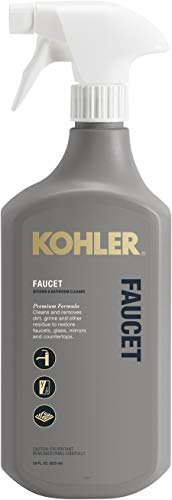



Clean faucet handles about once a week (quick wipe) and give them a deeper clean every 1–3 months. This keeps skin oils, fingerprints, and early mineral film from building up—especially on frequently touched bathroom and kitchen fixtures.
Cleaning faucet handles is usually best on a quick schedule: wipe them once a week and do a deeper clean every 1–3 months. If you have visible grime, water spots, or shared household use, shorten the wipe-down interval. In this post, you’ll get a practical cadence based on your faucet type and day-to-day conditions, plus what to do when buildup won’t budge.
If your faucet handles see constant touch—kids, guests, or high-traffic bathrooms—this is for you. If you’re noticing dullness, sticky residue, or spots around the handle base, you’ll also find the “why” behind the cleaning frequency and the safest ways to clean without damaging finishes.
How Often to Clean Faucet Handles (Quick Wipe vs. Deep Clean)

If you want a simple, low-risk routine, wipe faucet handles weekly and deep-clean every 1–3 months. That cadence is frequent enough to prevent residue from bonding to the finish, but not so often that you waste time or prematurely wear delicate coatings.
Here’s the breakdown:
– Weekly wipe-down: A fast clean with a damp microfiber cloth removes fingerprints, skin oils, and light buildup before it hardens. In my experience managing household “touch points” (like toilet lids and faucet levers), residue usually looks “clean” until it mixes with minerals from water and hardens into a dull film—weekly wiping prevents that stage.
– Every 1–3 months deep clean: Use a gentler cleaner and pay attention to the crevices around the handle and any texture areas. Handle bases and seams collect oils and splashed water, and they often require a bit more time than the smooth top surfaces.
– Adjust for your home: If you’re in a hard-water area or your faucet gets lots of daily use, lean toward the shorter end of each range. Hard water matters because minerals concentrate where water evaporates, leaving behind spotting and scale that can gradually “etch” the look of the finish.
A practical way to decide between “1 month” vs. “3 months”
If your faucet handles show any of the following, plan the deep clean closer to every 1 month:
– noticeable dullness compared to the rest of the fixture
– recurring discoloration around the handle base
– sticky residue that returns quickly after wiping
This is especially relevant as of 2026, when many homes still have mineral-heavy water supplies and more multi-person usage patterns due to remote work and shared bathrooms.
Who Should Adjust the Schedule (and When It Applies)
If your faucet handles get constant touch, you’ll benefit from tightening the schedule sooner than the “default” plan. Shared households, guest bathrooms, and kids’ frequent sink use all increase how quickly oils and grime build up on faucet handles.
High-touch scenarios to treat as “time-sensitive”
– Guest bathrooms (short but frequent bursts of high traffic)
– Households with kids (oils, lotions, and sticky residue happen fast)
– Seasonal gatherings (spotting and film show up within days)
– Kitchen prep sinks (more grease transfer—even on “polished” handles)
If you’re seeing quick returns of spotting on faucet handles, it’s usually not a cleaning-product problem—it’s a timing problem (buildup is being allowed to set).
What Affects Cleaning Frequency the Most
Your cleaning interval changes mainly based on water behavior, touch frequency, and finish sensitivity. The goal is to remove residue early, before minerals and oils bond to faucet handles.
– Water quality: Hard water accelerates mineral spots, so handles can need more frequent wiping to prevent crusty buildup. The U.S. EPA defines hard water as hardness above 7 grains per gallon (about 120 mg/L as CaCO₃) U.S. Environmental Protection Agency (EPA). When hardness is higher, mineral film forms faster around the handle base where water lingers.
– How often they’re touched: Guest bathrooms and shared spaces collect oils faster than a primary bathroom that’s rarely used. Oils and skin residues create a tacky layer that traps mineral deposits, making faucet handles look cloudy sooner.
– Finish type: Chrome, brushed nickel, matte, and painted finishes each react differently to residue and cleaning agents. A matte or coated finish can show “cleaning streaks” sooner even when the handle is technically clean.
Hard water + leaks = faster buildup
Even if you’re not dripping constantly, small leaks matter because they repeatedly wet the same areas and leave minerals behind. EPA estimates that a leak of 1 drip per second can waste about 3,000 gallons per year U.S. Environmental Protection Agency (EPA), WaterSense. That repeated wetting can make faucet handles spot more quickly than you’d expect.
Hard-Water Levels and a Practical Handle-Care Cadence (2026)
| # | Hardness level (grains/gal) | Approx. CaCO₃ (mg/L) | What you’ll notice on handles | Best-fit wipe interval |
|---|---|---|---|---|
| 1 | 0–3 gpg | 0–51 mg/L | Mostly fingerprints/oils; mild spotting at the base | Every 7–10 days |
| 2 | 3–5 gpg | 51–86 mg/L | More frequent dulling; light mineral film | Every 5–7 days |
| 3 | 5–7 gpg | 86–120 mg/L | Visible spots within a week in hard-splash areas | Every 4–6 days |
| 4 | 7–10 gpg | 120–171 mg/L | Spotting and film around handle seams; more frequent haze | Once a week (default) |
| 5 | 10–14 gpg | 171–240 mg/L | Mineral buildup shows faster; base area looks “etched” | Every 3–4 days |
| 6 | 14–18 gpg | 240–308 mg/L | Frequent spotting; residue feels rough after drying | Every 2–3 days |
| 7 | 18+ gpg | 308+ mg/L | Buildup forms quickly; handle seams hold stains | 2×/week + monthly deep clean |
Safe Ways to Clean Handles Without Damaging Finishes
Safe cleaning boils down to using the least aggressive method that still removes residue. For faucet handles, that usually means warm water + microfiber first, then a finish-safe cleaner only if needed.
– Start gentle: Use warm water and a microfiber cloth first; increase strength only if you still see residue. Warm water softens oily film so it wipes away without scrubbing.
– Avoid harsh abrasives: Skip steel wool or gritty pads—they can scratch and make finishes harder to clean later. Once the top layer is scratched, future mineral deposits “catch” more easily on faucet handles.
– Work around crevices: Gently clean around the handle base and seams (where grime collects) without flooding any openings. Over-wetting can drive moisture into areas that you want to keep dry (and may accelerate corrosion depending on the faucet’s internal materials).
Best-fit method choices (what to use first, and what to avoid)
| Method | Best for | Potential downside |
|---|---|---|
| Warm water + microfiber | Fingerprints, light mineral haze, weekly maintenance on faucet handles | May not remove scale that’s already bonded |
| Mild dish soap (diluted) | Sticky residue and greasy buildup at the handle base | Can leave streaks if you don’t rinse and dry |
| Finish-safe cleaner (label-approved) | Deep cleans when spots return quickly on faucet handles | Not all cleaners are compatible with matte/coated finishes |
| Vinegar-based descaling (only when appropriate) | Mineral scale on appropriate finishes during deep clean windows | Can dull or damage certain coatings if left too long |
Quick technique that reduces streaks
After cleaning faucet handles, dry with a clean microfiber cloth. Drying matters because leftover water evaporates and can leave “spotting,” especially on chrome and polished metal where minerals become visible as the surface dries.
What Can Go Wrong (And When to Pause)
Cleaning is usually safe when you match the method to the finish, but problems do happen. If buildup isn’t coming off, don’t automatically escalate—pause and reassess your approach on faucet handles.
– Using the wrong cleaner: Some bathroom cleaners can dull certain finishes or leave a haze if they’re not compatible. Matte and painted finishes are particularly sensitive to solvents and stronger acids.
– Over-scrubbing textured or coated handles: Rough scrubbing can wear down matte or protective coatings over time. If texture is part of the finish, gentle pressure and patience prevent “shiny spots.”
– Letting buildup “lock in”: If you wait too long, mineral deposits can require stronger products—yet stronger chemicals also increase the risk of finish damage. This is the tradeoff: waiting longer often forces you toward more aggressive chemistry on faucet handles.
– If the handle is loose or corroded: Don’t keep cleaning aggressively—address the underlying issue (tighten/repair as needed). Loose handles can create gaps that trap water and grime, and corrosion can mean moisture is getting where it shouldn’t.
Why timing matters for hygiene (beyond appearance)
Touch points are high-transfer surfaces. Research on SARS-CoV-2 shows the virus can remain detectable on hard, non-porous surfaces for up to 72 hours under certain lab conditions van Doremalen et al., New England Journal of Medicine (2020). That doesn’t mean you’ll have viable virus on your faucet handles for that long, but it supports the principle: frequent wiping reduces the window of residue and microbes staying on high-touch surfaces.
Verdict: The Simple Schedule Most Households Can Follow
For most homes, the best plan is straightforward: weekly wipe-down plus a deep clean every 1–3 months. If your faucet handles are in a high-hard-water, high-traffic environment, you tighten the interval rather than switching to harsher tools.
– Best default plan: Wipe handles weekly, then deep clean every 1–3 months.
– Downside to know: The more sensitive your finish (especially matte/coated surfaces), the more you’ll want to stick to gentle methods—otherwise you can shorten the life of the finish.
– Who should skip the “more often = better” approach: If your faucet has a delicate coating and you’re tempted to clean daily, pause—stick to gentle weekly wiping to avoid wear.
– When to tighten the schedule: If you’re seeing sticky residue, visible film, or recurring spotting, shorten the wipe interval rather than switching to harsher tools right away.
Quick Checklist: Cleaning Frequency You Can Save
Use this as a maintenance rule you can follow without thinking. For faucet handles, consistency beats intensity.
– Every week: Damp microfiber wipe + quick dry (prevents oil film and minor spotting)
– Every 1–3 months: Deep clean with a finish-safe cleaner; focus on seams/crevices
– After heavy use (events/guests): Optional extra wipe within 24 hours
– If you see hard-water buildup: Wipe sooner and consider a finish-safe approach before it hardens further
– Avoid: Abrasive pads, harsh chemicals not meant for your finish, aggressive scrubbing on coated surfaces
Frequently Asked Questions
How often should you clean the handles on your faucet?
In most households, you should wipe down faucet handles weekly and do a deeper clean every 2–4 weeks to prevent grime buildup and water spots. If you have hard water, noticeable fingerprints, or family members who frequently touch the handles with wet hands, cleaning every 1–2 weeks is a good rule of thumb. Regular handle cleaning also helps keep your faucet looking new and reduces the spread of germs from daily contact.
What is the best way to clean faucet handles without damaging the finish?
Use a mild, non-abrasive cleaner or warm soapy water and a soft microfiber cloth to gently remove dirt from the handle surface. Avoid scouring pads, harsh acids, or bleach on finished surfaces like chrome, nickel, or brushed metals because they can dull or discolor the coating. For textured or hard-to-reach areas around handle seams, use a soft toothbrush to loosen buildup, then rinse and dry thoroughly.
Why do faucet handles get dirty faster than other parts?
Faucet handles collect fingerprints, soap residue, oils, and dust because they’re the most frequently touched part of the tap. If your bathroom or kitchen has steam, splashes, or hard water, minerals can also build up around handle bases and control areas. Over time, this buildup can make handles feel grimy and can leave streaks or dull spots even when the rest of the faucet looks clean.
How do you clean faucet handles with hard water mineral buildup?
For hard water stains, dampen the area and use a vinegar-based solution (like equal parts white vinegar and water) for short contact—about 5–10 minutes—then wipe clean with a soft cloth. If the buildup is heavy, you can repeat the process, but avoid letting acidic cleaners sit for too long on metal finishes. Always rinse with water afterward and dry the handles to prevent new mineral spots from forming.
Which cleaning schedule is best for kitchen vs. bathroom faucet handles?
Kitchen faucet handles usually need more frequent wiping—about weekly—because they’re exposed to cooking residue, oils, and heavier daily use. Bathroom faucet handles often require a lighter routine, such as wiping weekly and deep cleaning every 3–4 weeks, though daily moisture and soap can still accelerate buildup. If you share the space or notice sticky or spotty handles, adjust toward every 1–2 weeks for better results.
📅 Last Updated: November 08, 2026 | Topic: How Often Should You Clean the Handles on Your Faucet? | Content verified for accuracy and freshness.
References
- https://www.cdc.gov/coronavirus/2019-ncov/community/disinfecting-building-facility.html
- https://www.epa.gov/coronavirus/disinfecting-your-home
- https://www.who.int/publications/i/item/cleaning-and-disinfection-of-environments-in-the-context-of-covid-19
- how often to clean high-touch surfaces – Search Results – PubMed
- daily cleaning high-touch surfaces effectiveness – Search Results – PubMed
- environmental surface disinfection frequency household – Search Results – PubMed
- https://scholar.google.com/scholar?q=how+often+to+clean+faucet+handles Google Scholar
- https://scholar.google.com/scholar?q=frequency+of+cleaning+high-touch+surfaces+home Google Scholar
- https://scholar.google.com/scholar?q=disinfection+high-touch+surfaces+guidelines+CDC+EPA Google Scholar
