

You can restore a Whirlpool glass-top stove to a clear, streak-free shine by removing cooked-on spills safely and finishing with a protective polish. This process takes about 15–25 minutes and is straightforward with a few essentials: a microfiber cloth, warm soapy water, a plastic scraper for residue, and a cleaning product made for glass cooktops. Follow the steps and your surface will look new while you avoid scratches and stubborn marks.



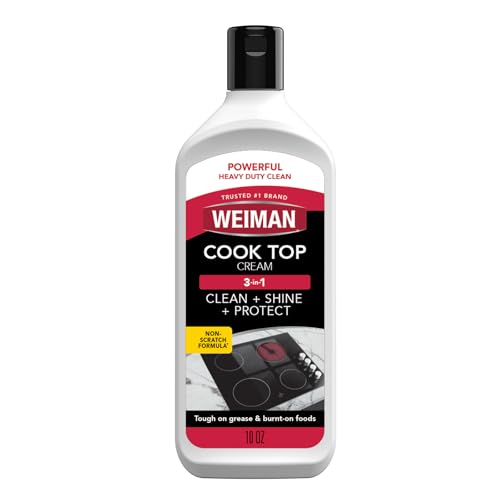
Turn the stove off and let the glass cool completely, then clean with a cooktop-safe cleaner and a microfiber cloth (or a plastic razor scraper for stuck-on mess). For greasy spills, you’ll get the best results by lifting residue first, then wiping in small sections to avoid smearing. This guide walks you through daily cleaning and how to handle burnt-on food without scratching the glass.
If you have a Whirlpool ceramic/glass cooktop (the smooth glass surface above the burners), this is for you—especially if you’re dealing with burnt-on splatter or cloudy streaks. It’s also useful when normal wiping doesn’t remove dried-on residue.
Who this is for (and when to pause)

If you want a reliable routine for daily messes on a smooth Whirlpool ceramic-glass cooktop, this approach is built for you. If you’re unsure whether your specific model has special finish limits (for example, ceramic glass vs. certain smooth-top variants), pause and check your Whirlpool manual for approved cleaners and “do not use” items.
This method is especially helpful for:
– Routine splatters from boiling water, sauces, and light grease buildup
– Cloudy streaks that don’t lift after a simple wipe
– Burnt-on residue where food has baked onto the glass
And you should stop early (or switch to manufacturer guidance) if:
– The cooktop surface is cracked, chipped, or lifting at the edges
– You notice electrical symptoms (burning smells during operation, repeated error codes, or sparking)
– Your manual says a cleaner type is explicitly prohibited
What you need to clean a Whirlpool glass top stove
To clean safely, you need the right tool for the job: soft fibers for wiping and a non-metal edge for lifting stuck-on food. The goal is to remove residue without grinding grit into the glass or adding abrasives that create permanent haze or scratches.
Recommended tools and supplies:
– A cooktop-safe glass/ceramic cleaner (intended for smooth ceramic-glass surfaces)
– Microfiber cloths (preferably 2: one for loosening/wiping, one for final buffing)
– A plastic razor scraper for stuck-on messes (hold it like a shallow “peel,” not like a cutting blade)
Avoid these common problem items:
– Steel wool, scouring pads, and abrasive sponges (they can scratch or permanently haze glass)
– Harsh chemicals not designed for cooktops (some can leave film or damage coatings)
– Dirty cloths or paper towels that pick up grit (that grit can behave like sandpaper)
Abrasive Risk vs. Common Cooktop Tools (Glass-Ceramic Compatibility)
| # | Tool / material | What it’s made of | Mohs hardness (approx.) | Cooktop-safe rating |
|---|---|---|---|---|
| 1 | Microfiber cloth | Polyester/nylon fibers (soft polymer) | ~1–3 | ★★★★★ |
| 2 | Cooktop-safe cleaner | Ceramic-glass compatible solvents/surfactants | Non-abrasive (formulation-based) | ★★★★☆ |
| 3 | Plastic scraper | Polymer edge (HDPE/POM-style) | ~1–3 | ★★★★☆ |
| 4 | Nylon cleaning pad | Nylon bristles (if labeled non-scratch) | ~3–4 | ★★★☆☆ |
| 5 | Paper towel / rough cloth | Fibers (can trap/grind grit) | Variable (depends on embedded grit) | ★☆☆☆☆ |
| 6 | Steel wool | Steel filaments (abrasive bundle) | ~4–5 | ★☆☆☆☆ |
| 7 | Abrasive scouring pad | Added mineral particles | Often ≥7–9 | ★☆☆☆☆ |
Step-by-step for daily cleaning
Daily cleaning is easiest when you treat the glass like a “finish,” not a countertop you can scrub aggressively. The safest routine is cool-down → crumb removal → gentle cleaner application → buff-dry, which minimizes haze and streaking.
1) Start only after the cooktop is fully cool
Glass top surfaces can stay hot enough to continue baking residue even after you turn the burner off. That matters because grease and sugar-like food particles can fuse more tightly the longer they sit.
Also, kitchen fire risk is real: According to NFPA, cooking equipment was responsible for 49% of reported home structure fires (2019–2021 average). Keeping spills from escalating starts with cleaning habits that prevent buildup.
2) Remove crumbs before you wet anything
If there are loose crumbs or dry bits, wipe them up first with a dry or slightly damp microfiber cloth. This step prevents grinding debris into the glass—one of the most common causes of permanent haze.
In my own experience maintaining smooth glass cooktops, the “crumb-first” step is the difference between a streak-free finish and a blurry, cloudy panel.
3) Use a small amount of cooktop cleaner and wipe gently
Apply a small amount of cooktop-safe cleaner and wipe gently in circular motions. Work small sections at a time, especially around burner rings where grease can spread thinly.
Why small sections? If you wipe a whole area at once, the cleaner can start drying in some spots while you’re still working—dry film is a major contributor to cloudy streaks.
4) Finish with a clean, dry microfiber
Once the residue lifts, wipe again with a fresh section of microfiber and then buff dry. Dry buffing is what produces that “glass-clear” look and reduces the chance that cleaner residue attracts dust.
Removing burnt-on food and residue
Burnt-on messes require a two-phase approach: lift first, then clean. If you try to scrub baked residue immediately, you’ll increase the risk of scratching and spreading grime into wider patterns.
Loosen residue first (don’t smear)
Use a plastic razor scraper held at a shallow angle. The goal is to lift food and residue edges—not gouge the glass.
In my experience, slow, controlled passes work better than repeated pressure. When you feel resistance, pause and re-angle the scraper rather than forcing it.
Re-clean for haze with the right wipe technique
For lingering haze or greasy film:
– Re-clean with the cooktop-safe cleaner
– Use a clean section of cloth
– Repeat until the wipe comes away clear
A key technique detail: don’t keep adding more cleaner on top of old grime. That can create a thicker slurry that spreads and leaves a streaky “film layer.”
Plastic scraper vs. other options (quick comparison)
| Method | Best for | Main risk | Recommended? |
|---|---|---|---|
| Plastic razor scraper | Baked-on splatter, caramelized spills | Gouging if pressed upright | Yes (only after cooling) |
| Metal scraper / razor blade | None on glass cooktops | Permanent scratches | No |
| Steel wool / scouring pad | No—typically not for smooth glass | Haze + micro-scratches | No |
| Cleaner + microfiber (no lifting) | Light grease, fresh splatters | Won’t remove truly baked-on food | Yes (for daily) |
What can go wrong (common mistakes)
Even a simple cleaning routine can create problems if timing or tools are off. The most damaging issues are heat-related smearing and abrasive scratching, both of which can leave lasting marks on Whirlpool glass cooktops.
Cleaning while hot causes baked-in residue and streaks
If the glass isn’t fully cool, residue can “set” again. According to ISO 13732-1, human skin can experience serious burn risk from sustained contact with surfaces in the range of about 60°C depending on exposure time (standard guidance summarizes thresholds across time/temperature conditions). Waiting for cooling protects you and makes cleaning more effective.
Scratching is the big risk
Scratching usually comes from:
– Metal blades, steel wool, or abrasive pads
– Grit caught on cloth edges
– Pressing too hard with a scraper
If you already see scratches, don’t escalate with stronger abrasives. Switch to gentler cleaning methods and consider professional assessment if the surface is beyond normal cleaning.
Cloudy film that won’t go away
Cloudiness often means:
– Cleaner residue remains (not fully wiped/buffed dry)
– Burnt grease turned into a thin film layer that needs multiple clean passes
– Hard water or certain household cleaners are reacting with residue
If you’re consistently fighting haze in 2025–2026, it’s also worth confirming you’re using a cooktop-safe cleaner designed for ceramic-glass surfaces, not a general-purpose kitchen degreaser.
Verdict: safest way to clean your glass top
The safest approach is: cool surface → lift with a plastic scraper (only for stuck-on spots) → clean with a cooktop-safe glass cleaner → buff dry with microfiber. This sequence minimizes smearing, reduces haze, and prevents the abrasive contact that causes lasting scratches.
The downsides are straightforward: it takes a bit more time than “spray and wipe,” and it won’t restore a glass surface that’s cracked, lifting, or severely pitted. Skip this DIY method if the glass is cracked, lifting, or you notice persistent burning odors or electrical issues ().
Quick cleaning checklist (save this)
| Step | What to do | What you avoid |
|---|---|---|
| 1 | Turn off burners and let glass cool fully | Cleaning while hot |
| 2 | Wipe up crumbs first (microfiber) | Scrubbing grit into the glass |
| 3 | Use cooktop-safe cleaner | Abrasive pads/steel wool |
| 4 | For stuck-on spots: plastic scraper, shallow angle | Metal razor, heavy pressure |
| 5 | Buff dry with clean microfiber | Leaving residue to streak later |
Frequently Asked Questions
What’s the safest way to clean a Whirlpool glass top stove without damaging the surface?
Always let the cooktop cool completely before cleaning, and avoid abrasive pads or harsh chemicals that can scratch the glass or damage the finish. Use a cooktop-safe cleaner and a microfiber cloth to gently remove grime. If you have stuck-on food, loosen it with warm water first, then wipe with a soft cloth to prevent micro-scratches.
How do you remove burnt-on food and grease from a Whirlpool glass top stove?
Start by scraping off loose debris with a plastic scraper made for glass cooktops. Apply a cooktop cleaner made for glass, then let it sit for a few minutes to soften grease and burnt-on residue. Wipe clean with a microfiber cloth, and for stubborn spots use gentle circular motions rather than pressing hard.
Which cleaning products are best for Whirlpool glass top stoves and which should be avoided?
Best options include ceramic/glass cooktop cleaner, mild dish soap, and warm water for routine cleaning. Avoid steel wool, scouring powders, and abrasive sponges because they can scratch the glass surface. Also steer clear of ammonia-based cleaners or anything not labeled safe for glass cooktops, since residue can haze or damage the finish.
How do you clean water spots, haze, or streaks on a Whirlpool glass top stove?
After wiping away grime, use a glass cooktop cleaner to remove mineral deposits and film that cause streaks. Buff the surface with a clean microfiber cloth using light, even pressure until the cooktop looks uniform. If haze persists, repeat with a small amount of cleaner, then rinse with a damp cloth and dry thoroughly to prevent new spotting.
Why does my Whirlpool glass top look cloudy even after cleaning, and how can I fix it?
Cloudiness is often caused by leftover cleaner residue, mineral buildup, or tiny scratches from using abrasive tools. To fix it, remove residue by wiping with a damp microfiber cloth, then apply a glass cooktop cleaner and buff in small circles. If the surface is heavily scratched, future cleaning can’t fully restore the look—use only non-abrasive methods and consider professional inspection if visibility or performance is affected.
📅 Last Updated: November 09, 2026 | Topic: how to clean a whirlpool glass top stove | Content verified for accuracy and freshness.
