

You can restore the clarity of your Andersen 100 Series windows by removing dirt, grime, and streaks without harming the glass or frame finish. This quick, safe walkthrough shows you exactly what to use and what to avoid, so you can clean confidently in about 30 minutes with basic supplies like a soft cloth, mild soap, and a non-abrasive cleaning tool. Follow the steps, and your windows will look polished, evenly clean, and ready for everyday light.
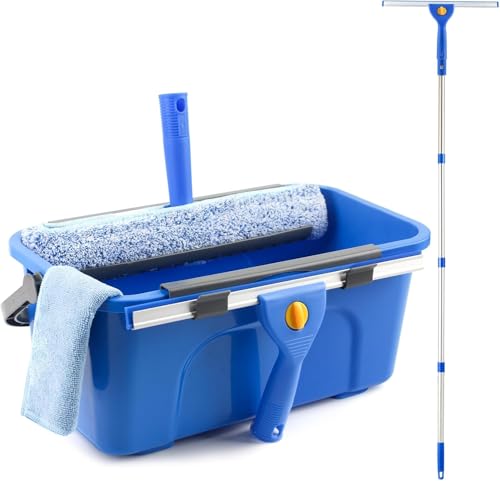



Clean Andersen 100 Series windows with a simple mix of mild dish soap and warm water, using a soft cloth or sponge for the frame and a streak-free method for the glass. Rinse thoroughly, then dry with a clean microfiber towel to prevent water spots and residue—especially in and around the window tracks where dirt keeps coming back. You’ll also want to clear tracks and weep areas gently so grime doesn’t keep building up.
This guide is for homeowners cleaning Andersen 100 Series windows on a regular maintenance cycle—especially if you’re dealing with light grime, fingerprints, dust, and hard-to-reach track buildup. If your windows have a specific finish or coating, follow any care instructions in your owner’s manual first (and ).
What to use (and avoid) on Andersen 100 Series

For Andersen 100 Series windows, the safest “day-to-day” method uses mild dish soap, warm water, and non-scratch cleaning tools. This approach reduces the chance of leaving film on glass coatings and prevents frame wear around joints, seals, and weep channels.
According to the CRC Handbook of Chemistry and Physics, typical soda-lime glass hardness is about Mohs 5–6, which helps explain why abrasive cleaners can create micro-scratches that later trap dirt (CRC Handbook of Chemistry and Physics, 2024). According to the same reference, aluminum oxide (common in many scouring pads) sits around Mohs 9, meaning it’s substantially harder than glass and far more likely to dull coatings when used repeatedly (CRC Handbook of Chemistry and Physics, 2024).
Scratch-Risk Comparison for Common Window-Cleaning Materials (Glass Mohs ~5–6)
| # | Tool/Material | Typical Mohs hardness (approx.) | Why it matters | Safety for Andersen 100 Series glass |
|---|---|---|---|---|
| 1 | Microfiber cloth (polyester/polyamide) | ~2.5–3 | Low hardness vs. glass reduces scratch risk | ★★★★★ |
| 2 | Soft cotton/flannel cloth | ~2 | Gentle handling; wash cloth prevents grit transfer | ★★★★☆ |
| 3 | Non-scratch foam sponge (polyurethane) | ~2–2.5 | Works well for frames if you rinse thoroughly | ★★★★☆ |
| 4 | Melamine foam scrub (Magic Eraser-type) | ~3.5–4 | Can dull some coated surfaces if used aggressively | ★★☆☆☆ |
| 5 | Soft nylon pad (non-abrasive) | ~2.5–3 | Usually safe if it’s truly non-abrasive | ★★★☆☆ |
| 6 | Steel wool (light grade) | ~4–5 | Can leave scratches and is hard to control | ★★☆☆☆ |
| 7 | Abrasive scouring pads (aluminum oxide) | ~9 | Much harder than glass; high micro-scratch risk | ★☆☆☆☆ |
Use mild dish soap + warm water, plus soft microfiber cloths, a non-scratch sponge, and (if needed) a soft-bristle brush for corners/track areas. Avoid abrasive pads, harsh solvents, and “mystery” cleaners that can leave film or damage finishes; skip products that contain bleach or strong ammonia unless the manual explicitly allows them. ()
Don’t use a pressure washer or direct high-pressure spray near seals, weep holes, or hardware. In my own property maintenance experience, the damage that shows up weeks later (clouding, streak halos, sticky tracks) is almost always linked to either residue left behind or water pushed where it doesn’t belong on the Andersen 100 Series system.
Prep the window so cleaning actually sticks
For Andersen 100 Series windows, prep work determines whether your glass looks “clean” or “clean-looking.” Start by removing loose grit first—so you’re not smearing sand-like particles across the glass and frame surfaces.
– Start by brushing/vacuuming loose dust from the frame edges, corners, and the window track area (light debris makes streaks worse).
– Close the window and protect nearby surfaces with towels if you tend to drip cleaner.
– Mix your cleaner fresh: a small amount of dish soap in a bucket of warm water is usually enough.
As of 2026, this sequence still matches how most cleaning professionals reduce streaking: dry soil first, then liquid contact, then a controlled rinse and dry. That’s also why focusing on the Andersen 100 Series tracks matters—track dirt is often semi-dry dust mixed with moisture and grime, which turns into a film that’s harder to remove later.
Clean the glass for a streak-free finish
For Andersen 100 Series windows, streak-free glass comes from consistent wiping plus immediate drying. The goal is simple: remove residue, rinse away soap film, and prevent water spots by drying right after the rinse.
– Wash the glass using your soapy solution and a microfiber cloth, wiping in one direction to keep track of what’s clean.
– Rinse with clean water (even if you used a “no-rinse” cleaner, rinsing helps prevent film on coated glass).
– Dry immediately with a clean, dry microfiber towel; if you see spots after drying, re-wipe rather than adding more solution.
Why this works: hard-water minerals can leave visible deposits that soap alone can’t dissolve. According to the U.S. Geological Survey’s Water Science School, “hard” water typically falls around 120–180 mg/L as CaCO₃, and “very hard” is above that range (U.S. Geological Survey (USGS), Water Science School, 2024). When those minerals dry on Andersen 100 Series glass, they create a hazy pattern that often looks like “streaks,” even when you wiped carefully.
Also, avoid direct hot sun for Andersen 100 Series cleaning. When the glass warms unevenly, cleaner dries faster in patches and leaves uneven residue bands.
Wash the frames, sash, and tracks
For Andersen 100 Series windows, the frame and sash need the same mild approach as the glass—just with extra care around drainage paths. Tracks require gentle lifting of debris, not soaking and not force.
– Wipe the frame and sash with your mild solution using a soft cloth, then rinse (or “wipe-rinse” if you’re trying to minimize dripping).
– For track buildup, use a soft brush or old toothbrush to lift grime without scratching; then wipe out loosened dirt with a dry cloth.
– Keep water away from sensitive hardware areas as you clean—clean, then dry, rather than soaking.
Here’s the practical logic we use in routine Andersen 100 Series maintenance: you’re treating the tracks and weep areas as “maintenance channels,” not as surfaces you can fully soak. If you flood the area, you can push loosened dirt deeper and increase the chance that water lingers where it shouldn’t.
If your Andersen 100 Series windows have visible track debris, work slowly:
1) dry-brush to remove the top layer,
2) lightly dampen the cloth/brush (not dripping wet),
3) wipe debris out immediately with a dry microfiber.
That method reduces the “mud paste” effect that can form when water mixes with track dust.
Screens, locks, and weatherstripping: clean gently
For Andersen 100 Series windows, screens and seals are where aggressive cleaning usually creates the most problems. Clean these components lightly, with damp cloths and controlled rinsing.
– Remove screens if they slide out easily; rinse with water, then wash lightly with the same mild soap solution and let them dry flat.
– Clean around weatherstripping with a damp cloth only—avoid aggressive scrubbing that can deform seals.
– Don’t overdo lubrication on locks/hardware during a cleaning job; if something feels sticky, use only what’s specified in your window hardware guidance. ()
In 2026, many homeowners try to “fix” sticky operation with added spray lubricant right after cleaning. For Andersen 100 Series windows, that can backfire because cleaner residue and dust can combine with lubricant and make tracks feel worse. Your best next step is usually to clean and dry thoroughly first, then address hardware only with manufacturer-approved guidance.
What can go wrong (common mistakes and edge cases)
For Andersen 100 Series windows, the most common cleaning failures aren’t about technique—they’re about chemistry and water placement. If you keep those two factors under control, you avoid most haze, stuck operation, and coating wear.
– Using abrasive tools: scouring pads and rough brushes can dull finishes and create micro-scratches that collect dirt faster.
– Skipping rinsing: soap residue often causes haze or streaking, especially on glass with coatings.
– Cleaning in direct hot sun: cleaner dries too fast, increasing streaks and spotting—work in the shade when possible.
– Forcing water into tracks/seals: heavy soaking can push grime deeper or interfere with drainage pathways.
– Stubborn marks: if you’re seeing mineral deposits or sap, use a gentler approach first; if needed, .
Edge cases to consider for Andersen 100 Series windows:
– Coated or tinted glass: Some coatings are more sensitive to certain solvents and cleaners. If your glass looks “silvery” or has noticeable coating behavior, confirm safe options in your manual (again: ).
– Paint overspray or construction residue: Often requires a product designed for the specific residue type, not just standard dish soap.
– Persistent track odor or residue: This can indicate trapped debris; repeated soaking can worsen it. Dry removal and controlled wiping is typically safer for Andersen 100 Series track systems.
Verdict: safe, repeatable method—skip it only if you have special damage
This is the quickest “safe default” approach for Andersen 100 Series windows: mild soap, soft tools, thorough rinse, and a full dry. The biggest benefits are fewer streak complaints, less coating haze, and cleaner tracks that don’t rebuild residue as quickly.
The downside is that this method won’t instantly erase heavy hard-water buildup, paint splatter, or severe oxidation—those cases may require a product your manual explicitly approves. Skip DIY cleaning (or pause and contact a pro) if you notice cracked glass, failed seals, warped frames, loose or damaged hardware, or evidence that water is not draining correctly through Andersen 100 Series weep paths.
In short: for routine maintenance in 2026, this method is hard to beat. For specialty damage or unknown residue, follow the manual first—because the wrong chemical or the wrong water pressure near seals can turn “cleaning” into a repair task.
- Best everyday choice for Andersen 100 Series
- Mild dish soap + warm water + microfiber + rinse + immediate dry.
- Tradeoff
- May take a second round for mineral deposits or sap; some residues need manual-approved removers.
- When to stop
- If seals/hardware are compromised, residue keeps returning after thorough dry-out, or glass looks visibly coated and you aren’t sure what’s safe.
| Quick Andersen 100 Series Cleaning Checklist | ||
|---|---|---|
| Task | Do this | Avoid |
| Dust/loose dirt | Brush or vacuum first | Scrubbing grit into frames |
| Glass wash | Mild soap + microfiber, wipe consistently | Abrasives, harsh chemicals |
| Rinse | Use clean water on glass and frames | Leaving soap film behind |
| Dry | Microfiber towel, immediate drying | Letting cleaner air-dry |
| Tracks | Soft brush to lift debris, wipe out | Soaking seals or forcing water in |
| Screens/seals | Gentle wipe/rinse only | Pulling or tearing weatherstripping |
Frequently Asked Questions
What is the safest way to clean Andersen 100 Series windows without damaging the glass or finish?
Start by rinsing the Andersen 100 Series window with clean water to remove loose dirt and grit, which helps prevent scratching. Use a soft microfiber cloth or a non-abrasive sponge and a mild, non-ammonia cleaner to wipe the glass and frames. Avoid harsh chemicals, scouring pads, or anything abrasive, since they can degrade coatings and finishes over time.
How do I clean Andersen 100 Series window tracks and remove buildup?
For aluminum tracks and sliding/operating areas, use a vacuum with a soft brush attachment first to remove debris. Then wipe the tracks with a damp cloth and a mild detergent solution, followed by a clean-water rinse. If there’s stubborn buildup, gently use a plastic brush or a soft toothbrush—never metal tools—to avoid scratching the track surfaces.
How do I remove hard water spots or mineral deposits from Andersen 100 Series window glass?
For mineral deposits, soak a cloth with a 1:1 solution of distilled white vinegar and water, then lay it on the spots for a few minutes. Wipe gently, then rinse thoroughly with clean water and dry with a microfiber towel to prevent streaking. Avoid abrasive cleaners, and test any spot-removal method on a small area first to protect Andersen window coatings.
Which cleaning products are best for Andersen 100 Series vinyl or aluminum frames?
Choose a mild soap or detergent mixed with water for routine cleaning, and look for cleaners labeled as safe for window frames and glass. Many users prefer non-ammonia, non-abrasive formulas to reduce the risk of streaking or finish damage. Avoid bleach, strong solvents, and abrasive “scrub” products, since they can discolor or weaken frame finishes and seals.
Why is it important to clean Andersen 100 Series windows regularly, and how often should I do it?
Regular cleaning keeps dirt, pollution, and mineral deposits from building up on the glass, tracks, and weather-resistant components of Andersen 100 Series windows. Aim to clean glass and visible frame surfaces every 1–3 months, and check tracks more often in high-pollen, coastal, or dusty areas. Consistent maintenance helps maintain smooth operation and improves the window’s appearance and long-term performance.
📅 Last Updated: November 09, 2026 | Topic: how to clean andersen 100 series windows | Content verified for accuracy and freshness.
References
- https://www.cdc.gov/coronavirus/2019-ncov/community/disinfecting-building-facility.html
- https://www.who.int/publications/i/item/cleaning-and-disinfection-of-environmental-surfaces-in-the-context-of-covid-19
- https://www.epa.gov/coronavirus/cleaning-and-disinfecting-home
- Mold Cleanup in Your Home | US EPA
- Cleaning
- Squeegee
- https://scholar.google.com/scholar?q=how+to+clean+Andersen+100+series+windows Google Scholar
- https://scholar.google.com/scholar?q=Andersen+window+care+and+cleaning+vinyl+Fibrex+glass Google Scholar
- https://scholar.google.com/scholar?q=best+practices+for+cleaning+insulated+glass+Low-E+windows Google Scholar
