

You can safely clean bird droppings from patios, walkways, gutters, and outdoor furniture so the area is ready to use again without spreading germs or damaging surfaces. This step-by-step approach takes about 15–30 minutes per small spot, and you will know exactly what to wear, what tools to use, and how to disinfect correctly based on the material you’re cleaning. Start now, and you’ll finish with a cleaner, safer home environment and peace of mind.



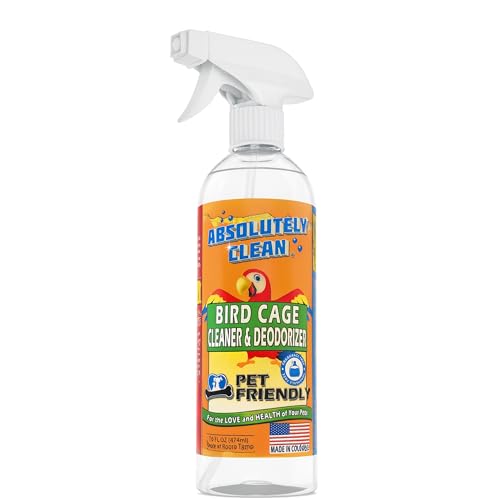
Clean bird droppings safely by protecting yourself first, keeping the mess damp while you work, and using an appropriate disinfectant—without dry sweeping or pressure washing that can spread contamination. Cleaning bird droppings safely usually means using the right protective gear first, then soaking the area with a disinfecting cleaner (or water + cleaner) to prevent dust, and finally wiping or scraping carefully. In many cases, quick cleanup is easy—but you’ll want to avoid dry sweeping and high-pressure sprays that can aerosolize particles. This guide walks you through practical, low-risk steps for floors, patios, and other common spots.
If you’re dealing with droppings under a bird feeder, on a balcony, near vents, or around outdoor furniture, these methods are for you. It’s especially useful if you want a cleaner area without spreading contamination to other parts of your home or yard.
What to Do First: Safety Prep Before Cleaning

Before you touch bird droppings, make the area safer by reducing inhalation and contact risk. The biggest mistake people make is starting with a dry wipe or broom, which can turn residue into airborne particles (aerosolization) and increase exposure.
– Wear disposable gloves and a properly fitted respirator (at least an N95-style mask) if there’s more than a light amount.
– Ventilate the area and keep people and pets away while you clean. If it’s outdoors, consider how wind will carry dust back toward doors and windows.
– Avoid dry wiping or dry sweeping—aim to keep materials damp while you work.
– Tie back long hair and remove jewelry so you don’t snag gloves or trap contamination at cuffs.
– If the cleanup is near HVAC returns, consider additional protection (and possibly a pro) because disturbed material can travel into airflow pathways.
Gather Supplies and Choose the Right Cleaner
Choose tools and a disinfectant that match your surface so you remove residue without damaging finishes. For safety, treat the process like “clean first, disinfect second” unless the label specifies combined cleaning/disinfecting.
– Use a general household cleaner or a disinfectant safe for the surface type (follow the label directions).
– For porous surfaces (like rough stone or unsealed wood), plan for gentle cleaning and possible repeat passes rather than aggressive scrubbing—porous materials can hold stains and microbes.
– Have paper towels, a scraper (for hard surfaces), and a sealable trash bag ready before you start.
– If you need eye protection, use tightly fitting safety glasses or goggles to reduce splash risk from cleaners.
– Use disposable items whenever possible (paper towels instead of cloth rags that you’d have to launder after).
Bird Dropping Cleanup Controls: Key Safety Specs (Home & Outdoor)
| # | Cleanup control | What it addresses | Measurable spec / requirement | Containment rating |
|---|---|---|---|---|
| 1 | NIOSH-approved N95 respirator | Reduces inhalation of fine airborne particles during cleanup | Filters ≥95% of particles at 0.3 µm | ★★★★★ |
| 2 | Disposable nitrile or latex gloves | Prevents direct skin contact with droppings and cleaner residues | Single-use, replaced if torn or heavily soiled | ★★★★☆ |
| 3 | Eye protection (safety glasses/goggles) | Reduces splash exposure from wetting and disinfectants | Tightly fitting coverage; no gapped side openings | ★★★★☆ |
| 4 | Hand hygiene after cleanup | Prevents transfer from hands to face or kitchen items | Wash with soap and water for 20 seconds | ★★★★★ |
| 5 | Bleach solution example (if using bleach) | Disinfects after visible soil is removed | 1 cup bleach per 1 gallon of water (CDC mold guidance ratio) | ★★★★☆ |
| 6 | Seal waste immediately | Keeps contaminated materials from spilling during disposal | Use a sealable bag; tie off before leaving the area | ★★★★☆ |
| 7 | Keep the area damp during removal | Reduces dust generation while you wipe/scrape | Mist/wet lightly; avoid creating splatter | ★★★★★ |
Step-by-Step: How to Remove Bird Droppings Without Spreading Them
You can usually remove bird droppings safely by dampening first, then wiping or scraping while the material stays wet, and disinfecting according to label directions. This approach minimizes airborne spread and reduces residue that can attract more birds to the same spot.
– Lightly wet the droppings and surrounding area, then let the cleaner/dampening sit briefly as directed by the product label.
– If you’re using a disinfectant, “contact time” (the time the surface stays visibly wet) is what makes it effective—labels specify this for a reason.
– Wipe or scrape carefully using towels; fold towels inward so contamination stays contained.
– Rinse the area if the cleaner requires it, then repeat until there’s no visible residue.
– Bag all used materials immediately and seal them. Don’t carry open trash bags through the house.
– Wash hands thoroughly after removing gloves.
Practical note for 2026: I see many people underestimate how quickly residue can dry. If you notice the area turning dry during cleanup, lightly re-wet—staying damp is often the difference between controlled cleanup and accidental spread.
Different Surfaces, Different Techniques
Match the cleanup method to the surface so you remove droppings effectively without damaging finishes. The key difference is whether the area is non-porous (easy to wipe) or porous (harder to fully de-stain and disinfect).
– Hard non-porous surfaces (tile, sealed concrete, metal): wet → clean → wipe/rinse is usually straightforward.
– Painted or delicate surfaces: use gentle cleaning and test in a small hidden spot first to avoid dulling or finish damage.
– Porous areas (unfinished wood, some stone): expect more difficulty removing stains; you may need multiple cleanings.
Here’s a quick method contrast you can use when deciding what not to do:
| Method | Pros | Cons / Risk |
|---|---|---|
| Wipe with damp towels + disinfectant | Controls dust; good for patios, sealed floors, furniture bases | Requires time for contact time; may need repeat passes on grout |
| Dry sweeping / dry brushing | Fast-looking, minimal water use | Spreads particles into the air—avoid |
| High-pressure washing | Removes surface material quickly in some cases | Can aerosolize contamination and push it deeper into cracks |
If you’re cleaning under a bird feeder or on a balcony: small, repeated cleanups are often safer than “wait until it’s bad.” Accumulations take longer, dry out faster, and increase the odds of disturbing hidden residue.
What Can Go Wrong (Common Mistakes and Edge Cases)
Most problems come from exposure—either by spreading particles or by using the wrong tools on the wrong location. If cleanup happens near airflow paths or involves large accumulations, DIY may become a risk rather than a quick fix.
– Dry sweeping or brushing can spread particles into the air—skip it.
– Using high-pressure washers on droppings can aerosolize contamination and spread it farther.
– If droppings are on/near HVAC intakes, large nesting areas, or heavy accumulations, DIY may be risky—consider professional help.
– Mixing cleaners incorrectly is another hazard. Some disinfectants shouldn’t be combined with other products; if you’re unsure, use one product at a time and rinse per label guidance.
– Porous-stain disappointment: even after proper disinfection, discoloration may remain on rough stone or wood fibers because organic staining can penetrate beyond the surface.
On the health side, bird droppings can be associated with pathogens, and disturbance can matter. For example, inhaling contaminated dust can increase risk for respiratory illness; Histoplasma exposure is a known concern with bird/bat droppings in some environments (especially where material accumulates and dries). If you’re dealing with heavy, dusty material, treat it as higher risk and plan accordingly.
As of 2026, the practical takeaway remains the same: avoid actions that dry, blast, or fragment residue.
Verdict: The Most Reliable Way (and When to Skip DIY)
For most small to moderate messes on hard surfaces, the safest approach is simple: protect yourself, keep everything damp, clean with an appropriate cleaner/disinfectant, and bag waste immediately. Skip DIY if you have heavy buildup, extensive nesting material, serious health risk factors (immunocompromised individuals, severe asthma), or if the droppings are in a hard-to-access area like inside ducts—.
A reliable workflow is: prep (PPE + ventilation) → dampen → clean → disinfect with label contact time → wipe/rinse → sealed disposal → handwashing. This reduces both contamination spread and accidental exposure.
Two quick safety data points to keep in mind: according to NIOSH, N95 respirators filter at least 95% of particles at 0.3 µm, which is why they’re commonly used for particle protection. Also, according to CDC, washing hands with soap and water for 20 seconds is a key step after glove removal.
If you’re unsure how much risk is in your specific setup (for example, a vent intake, repeated nesting, or a large “dropping zone”), professional teams can use controlled containment and approved disinfectant protocols. In 2026, that kind of escalation is still the most prudent choice when access and containment are the issue.
Quick Checklist: Bird Dropping Cleanup
– ☐ Put on gloves + a well-fitting respirator
– ☐ Keep the area damp (no dry sweeping)
– ☐ Apply cleaner/disinfectant per label instructions
– ☐ Wipe/scrape gently; fold towels inward
– ☐ Bag waste immediately and seal
– ☐ Rinse/clean the area if the label says to
– ☐ Wash hands thoroughly after removing gloves
Frequently Asked Questions
What is the safest way to clean bird droppings from outdoor surfaces?
Start by protecting yourself with gloves and a mask, and if possible, lightly mist the area with water to reduce dust. After letting it sit briefly, gently scrape off the dried droppings using a plastic scraper or soft brush, then clean the spot with warm soapy water or an appropriate cleaner. Rinse thoroughly and dry the area, especially on stone, concrete, or painted surfaces to prevent streaking.
How do I clean bird droppings off car paint without damaging the finish?
Clean bird droppings as soon as possible because dried waste can etch paint and clear coats. Rinse the area first, then use a bug-and-tar remover or a gentle car-safe pre-wash, followed by a soft microfiber wash mitt and car shampoo. Avoid abrasive pads and harsh solvents, and always rinse well after treatment to prevent spotting or residue.
Why should I disinfect the area after removing bird droppings?
Bird droppings can contain germs and pathogens, so proper disinfection helps reduce health risks—especially on frequently touched areas like balconies, railings, and patios. After you remove droppings, apply a suitable disinfectant according to the label directions, ensuring adequate contact time. This is particularly important for cleanup after large accumulations or on surfaces that may become aerosolized during dry scraping.
Which household cleaner works best for removing bird droppings from tiles, windows, and stone?
For most hard surfaces, warm soapy water is a good first step because it loosens organic residue without damaging finishes. If stains remain, a diluted vinegar solution or an enzymatic cleaner can help break down the residue, but test on a small hidden area first. Avoid mixing chemicals (especially bleach with other cleaners) and use a glass-safe cleaner for windows to prevent streaks.
Best practices for cleaning bird droppings from roofs, gutters, and vents?
Use a low-dust method: lightly mist before touching, wear gloves and a respirator, and scrape gently to avoid spreading contamination. Work in small sections, remove debris carefully, and then wash with an appropriate cleaner designed for exterior surfaces, rinsing thoroughly after. For large build-ups, roof access, or heavily soiled areas, hiring professional bird droppings removal can be safer and more effective.
📅 Last Updated: November 09, 2026 | Topic: how to clean bird droppings | Content verified for accuracy and freshness.
References
- https://www.cdc.gov/fungal/diseases/histoplasmosis/index.html
- The page you’re looking for isn’t available | NIAID: National Institute of Allergy and Infectious…
- Whipple's disease – Diagnosis and treatment – Mayo Clinic
- Histoplasmosis
- Guano
- https://pubmed.ncbi.nlm.nih.gov/?term=histoplasmosis+prevention+cleaning+bird+bat+droppings
- https://pubmed.ncbi.nlm.nih.gov/?term=occupational+histoplasmosis+bird+bat+droppings+cleanup
- https://scholar.google.com/scholar?q=how+to+clean+bird+droppings+histoplasmosis+N95 Google Scholar
- https://scholar.google.com/scholar?q=decontamination+bird+droppings+disinfection+respiratory+protection Google Scholar
- https://scholar.google.com/scholar?q=bird+and+bat+droppings+cleanup+guidance+safe+cleaning+procedures Google Scholar
