

Dirty, algae-coated bird baths can spread bacteria to the very birds you want to attract. Most people scrub too aggressively or use leftover household cleaners, leaving residue that can harm birds and other wildlife. With simple supplies—rubber gloves, a dedicated brush, and a bird-safe disinfecting method like diluted bleach or vinegar—you’ll be able to rinse, disinfect, and refill in about 20 minutes, with minimal hassle.



Clean your bird bath safely by scrubbing away dirt with hot soapy water, then disinfecting with a label-approved cleaner (or properly diluted unscented bleach) and rinsing until there’s no residue or strong odor. Wear gloves, keep chemicals off the water birds will drink from, and let the basin fully cool before refilling. This guide walks you through the steps and the common mistakes that can harm birds.
If you keep a bird bath for backyard birds—or you’re trying to keep algae and grime from building up—this is for you. It’s especially useful if you’ve seen cloudy water, slimy film, or residue along the edges.
Gather the right supplies (and protect yourself)

Have the right tools ready before you start, because a safe bird bath clean depends on both correct chemistry and good handling. As of 2026, the safest approach is to scrub first with soap, then disinfect only in a way that matches the product label and protects birds from contact with wet chemicals.
– Use food-safe gloves and, if you’re using stronger cleaners, eye protection and good airflow. Even when a disinfectant is “bird-safe” after drying, many still irritate eyes and respiratory passages during use.
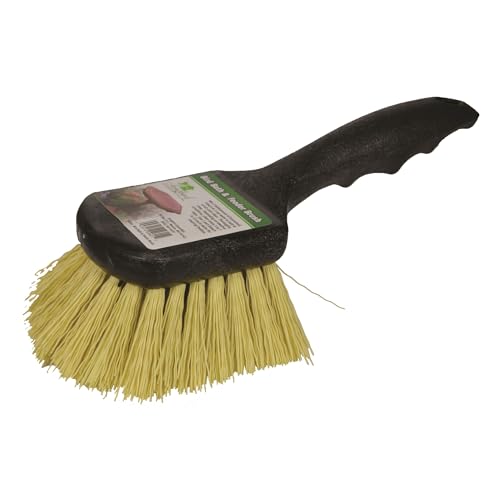
– Get a dedicated scrub brush/sponge (not your kitchen sponge), a bucket, and clean water for rinsing. A dedicated brush prevents cross-contamination between the bird bath and household surfaces.
– Choose a disinfectant you can use on hard, non-porous surfaces—always follow the label instructions for dilution and contact time. Labels matter because disinfectants are registered for specific surfaces, germs, and required “wet time” (the contact time needed to work).
A quick reality check about disinfectants
Disinfectants don’t all behave the same way. Many label-approved outdoor cleaners rely on a specific dilution and a specific contact time to achieve results. For bird bath safety, you’re not only trying to “kill germs”—you’re also trying to avoid chemical residue that birds can ingest from water.
Empty, scrub, and remove debris first
Start with mechanical cleaning—empty and scrub the bird bath thoroughly—because disinfectants work best after visible grime is removed. In my experience coordinating safe outdoor cleaning routines, the biggest failure point is trying to disinfect over slimy biofilm, which can shield microorganisms.
– Pour out old water, then scrub all surfaces (bottom, rim, and textured areas) to lift grime and biofilm. Biofilm is that slippery, living layer that makes bird bath water look cloudy and resists easy rinsing.
– Rinse thoroughly with clean water before disinfecting so you don’t “lock in” dirt. Soap and loosened debris can also neutralize some disinfectants, reducing effectiveness.
– If there’s heavy mineral buildup, you can clean with a stain/scale remover appropriate for the material—then rinse again well. Mineral scale (from hard water) can create a rough surface where algae clings faster.
What “good scrubbing” looks like
For a bird bath, “clean” doesn’t just mean “no visible dirt.” After scrubbing and rinsing, the basin should feel smooth (not slick), and the water should look clear when it first refills. If you still see a film line along the rim, disinfecting won’t fully solve the underlying residue.
Disinfect safely (without harming the birds)
Disinfect only after the bird bath has been scrubbed and rinsed, and follow label directions exactly. This two-step approach is the safest way to reduce germs without leaving behind chemical traces birds could drink from later.
– Apply your disinfectant according to the label, including the required contact time on surfaces. Contact time is the period the surface must remain wet for the disinfectant to work as intended.
– Use properly diluted bleach only if you follow the exact dilution and instructions on the product you have (use and ). Unscented, plain household bleach is typically used for chlorine-based disinfection, but only the label dilution that matches your bottle strength is reliable.
– Never mix cleaners (especially bleach with acids like vinegar or “scale removers”)—stick to one product at a time. Mixing can generate irritating or toxic fumes and can also create ineffective solutions.
Bleach vs. label-approved bird-bath cleaners (pros/cons)
When choosing a disinfecting route for a bird bath, the label-approved option and diluted bleach both can work—your priority is safe use and thorough rinsing.
Using a label-approved cleaner
– Pros: Often designed for specific surfaces; clearer instructions on dilution and wet time; easier to match to the environment (outdoor, hard surfaces).
– Cons: Can be more expensive; still requires careful rinsing; “bird-safe” claims vary by product and still depend on directions.
Using properly diluted unscented bleach
– Pros: Widely available; effective against many common microbes when diluted correctly and given proper wet time.
– Cons: Any mistake in dilution or timing can leave residue; stronger odors/fumes; not compatible with mixing and not a substitute for scrubbing.
How much bleach to use (a practical reference)
According to the Centers for Disease Control and Prevention (CDC), a common household hard-surface disinfection approach is mixing 1/3 cup of bleach per 1 gallon of water when using standard bleach strengths (you must still confirm your bottle’s concentration and follow its label). (CDC, 2024) If your bird bath disinfecting instructions differ, the label on your specific product should govern—especially for outdoor and wildlife-adjacent use.
Bleach-to-Water Mixing Guide (CDC-style ratio for hard-surface disinfection)
| # | Batch size (water) | Water | Bleach (1/3 cup per 1 gal) | Total mixture volume |
|---|---|---|---|---|
| 1 | 1/4 gallon batch | 32 fl oz | 1 tbsp + 1 tsp | ≈0.27 gal |
| 2 | 1/3 gallon batch | 43 fl oz | 1.5 tbsp | ≈0.34 gal |
| 3 | 1/2 gallon batch | 64 fl oz | 1/4 cup | ≈0.51 gal |
| 4 | 2/3 gallon batch | 85 fl oz | 2/9 cup (≈2 tbsp + 2 tsp) | ≈0.67 gal |
| 5 | 3/4 gallon batch | 96 fl oz | 1/2 cup | ≈0.76 gal |
| 6 | 1 gallon batch | 128 fl oz | 1/3 cup | ≈1.01 gal |
| 7 | 2 gallon batch | 256 fl oz | 2/3 cup | ≈2.02 gal |
Notes for bird bath owners: this table reflects a widely used ratio reference, but your bird bath disinfecting outcome is determined by your specific bleach concentration and your product label. Always prioritize label instructions over any general mixing chart.
Rinse, dry, and refill the bird bath correctly
Rinse until the bird bath is chemically clean, then refill only when the basin is fully cool and safe. This step is where “clean” becomes “safe,” because residual disinfectant or disinfectant odor can linger even when the surface looks dry.
– Rinse until you can’t smell disinfectant and there’s no slick residue left on the basin. Odor is a practical indicator, but residue can sometimes be invisible—so rinse thoroughly, especially along the rim.
– Let the bird bath cool down fully before refilling, especially if you’re using hot water during cleaning. Temperature stress can discourage birds from using the bath right away, and it also prevents sudden steam/chemical fumes.
– For ongoing safety, clean on a regular schedule (more often when it’s hot or algae grows quickly): .
A realistic cleaning cadence (2026 guidance)
Warm weather speeds up algae formation and bacterial growth. As of 2026, many backyard caretakers end up cleaning more frequently during summer heat waves because the same bird bath can go from clear to slimy much faster when temperatures rise and sunlight is strong.
What can go wrong (common safety mistakes)
Mistakes usually come from skipping steps or not treating labels as the “operating instructions” for your disinfectant. If you want a consistently safe bird bath, avoid these pitfalls because they can either leave germs behind or create chemical exposure.
– Using the wrong strength (too concentrated) or not following contact time can leave harmful residue—or fail to disinfect properly. If the surface dries too soon, the disinfectant may not have had time to work.
– Skipping the rinse step can leave chemical traces birds may ingest. Birds are constantly sampling water with beaks and feet; residues that seem “minor” to people matter to them.
– Cleaning too close to refill can expose birds to fumes or wet chemical surfaces—wait until everything is rinsed and ready. In practice, we treat birds like the last “user” of the basin—after you’re done and the environment is safe.
Edge cases to plan for
If your bird bath has a porous liner, decorative stone, or painted surfaces, the “hard, non-porous” disinfecting rules may not apply. In that case, focus on scrubbing and confirm with the cleaner’s label whether it’s appropriate for the material—otherwise, you risk damaging finishes or trapping chemicals in small pores.
Verdict: a safe, practical approach (and who should skip this)
This method is the safest routine for most households: scrub first, disinfect only per label directions, and rinse until there’s no odor or residue. The downside is it takes time—especially if you notice frequent algae and need to reset the basin often.
If you need a “no-touch” option, or if you can’t fully rinse and dry between uses, consider postponing refilling or keeping birds away until the basin is safe.
Skip this approach if: you can’t follow the disinfectant label directions closely, you’re using products with unclear ingredients, or you have strong sensitivities to fumes and can’t ventilate.
Quick checklist (save this):
| Step | What to do | Safety check |
|---|---|---|
| 1 | Empty the bath completely | No birds drinking during cleaning |
| 2 | Scrub with hot soapy water | Remove slimy film and grime |
| 3 | Rinse | Water is clear before disinfecting |
| 4 | Disinfect per label | No mixing of chemicals |
| 5 | Rinse thoroughly | No odor/residue remains |
| 6 | Refill only after cooling/drying | Fresh, safe water for birds |
Frequently Asked Questions
How do I clean a bird bath safely without harming the birds?
Remove any standing water and scrub the bird bath with a dedicated brush using hot water and a mild, unscented cleaner if needed. Avoid bleach or strong chemicals, and never leave residue—rinse thoroughly until the water runs clear. Let the bird bath fully air-dry and refill with fresh water before birds use it again.
What’s the safest way to remove algae and mineral buildup from a bird bath?
For algae, use a stiff brush and a gentle scrub while the surface is wet, then rinse well. If mineral deposits are present, use a bird-safe descaler or a vinegar solution (check the product label for surface compatibility), scrub lightly, and rinse repeatedly. After cleaning, refill with fresh water and monitor for any strong odor before returning it to regular use.
Which cleaning products are safest for bird baths?
The safest options are mild, unscented cleaners labeled as safe for outdoor use and food-contact-safe materials, or simple vinegar solutions for mineral stains. If you choose a commercial algae remover, only use products specifically formulated for bird baths or wildlife, and follow the label exactly. Do not use ammonia, chlorine bleach, or aerosol disinfectants, since chemical residue can harm birds.
Why should I clean my bird bath regularly, and how often should I do it?
Regular bird bath cleaning prevents algae growth, reduces harmful bacteria, and keeps the water looking fresh for birds. Aim to empty, scrub, and rinse at least once a week, and more often in hot weather or during heavy algae seasons. During extreme heat, consider changing the water every day while still doing a full scrub weekly.
What’s the best method to clean and disinfect a bird bath after contamination?
Start by removing all water, scrubbing all surfaces, and rinsing thoroughly to remove organic matter. For disinfection, use a bird-safe disinfectant recommended for wildlife areas—or skip harsh disinfectants and rely on thorough cleaning plus frequent water changes if you don’t see heavy contamination. After any disinfection step, rinse until there’s no chemical smell, refill with fresh water, and place the bath where birds can access it safely.
📅 Last Updated: November 09, 2026 | Topic: how to clean bird baths safely | Content verified for accuracy and freshness.
References
- https://www.cdc.gov/hygiene/cleaning/index.html
- https://www.cdc.gov/fungal/histoplasmosis/prevention.html
- https://www.epa.gov/coronavirus/clean-and-disinfect
- https://www.who.int/news-room/questions-and-answers/item/household-water-treatment-and-safe-storage
- Bird bath
- https://pubmed.ncbi.nlm.nih.gov/?term=disinfection+bleach+water+biofilm+efficacy
- https://pubmed.ncbi.nlm.nih.gov/?term=salmonella+birds+disinfection+cleaning+guidelines
- https://scholar.google.com/scholar?q=how+to+clean+bird+bath+safely Google Scholar
- https://scholar.google.com/scholar?q=bird+bath+disinfection+bleach+dilution+public+health Google Scholar
- https://scholar.google.com/scholar?q=bird+droppings+cleanup+disinfection+health+risk Google Scholar

[…] scraper, detergent, and a suitable disinfectant. Start by loosening the mess safely, then clean and rinse thoroughly so the surface is fresh and ready to […]
[…] bird poop off decking safely, remove the waste gently, then wash the area with a mild cleaner and rinse thoroughly to prevent staining or damage. Most cleanups take about 10–20 minutes once the right supplies are […]