

Hard water leaves white, crusty spots on glass shower doors that quickly dull the shine. Most homeowners only tackle them after they harden, which makes removal harder and increases the chance of scratching. With a simple daily squeegee plus a gentle, pH-balanced anti-spot cleaner used on schedule, you can prevent buildup in minutes each shower and keep the door clear with minimal elbow grease.


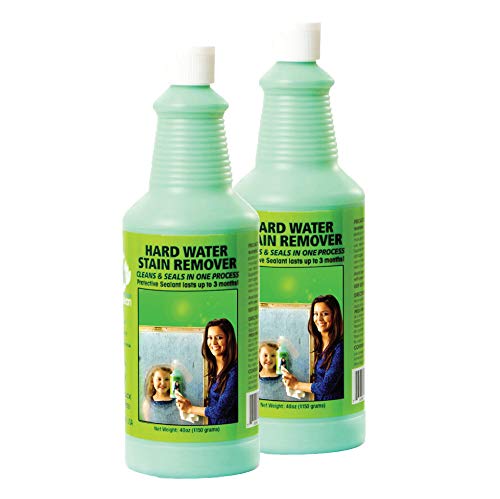

Prevent hard water stains by stopping minerals from drying on the glass. After each shower, squeegee or wipe the door so water can’t leave behind mineral residue, then do a regular (gentle) acidic clean to remove any buildup before it hardens.
If you’re dealing with cloudy spots, white streaks, or rough-looking marks on shower glass—especially with well water or generally “hard” municipal water—this guide focuses on prevention first, then targeted removal. Hard water stains form when dissolved minerals (mostly calcium and magnesium compounds) are left behind as water evaporates. When you control the drying step and follow up with safe, periodic acid cleaning, you prevent many stains from ever becoming etched.
Why hard water stains form on shower glass

Hard water stains happen because minerals carried in the water don’t evaporate—they remain on the glass and harden. Once those mineral deposits dry, they bond more tightly to the surface and can start to feel “rough,” even when the glass looks mostly clean.
Hard water is commonly measured as “hardness” in milligrams per liter (mg/L) as calcium carbonate (CaCO₃). According to the U.S. Geological Survey (USGS), water is often categorized as soft (0–60 mg/L as CaCO₃), moderately hard (61–120), hard (121–180), and very hard (>180) (USGS Water Science School, hardness categories (accessed 2026)). That classification matters because higher hardness usually means more mineral residue per shower.
Hard water stains don’t just appear randomly. They typically collect where water sits longer—at the bottom rail, door corners, hinge areas, and any track where droplets linger. From a maintenance standpoint, we treat hard water stains like a “timing problem”: the faster you remove the water film, the less mineral has a chance to crystallize and bond.
To connect hardness to what you see, here’s a simple, reality-based estimate of how much calcium carbonate potential a shower door may receive in a single gallon of water.
Mineral-deposit potential from hardness in a shower (theoretical CaCO₃ per 1 gal)
| # | Water hardness (mg/L as CaCO₃) | Theoretical deposit per 1 gal (g) | Where stains show up first | Glass-clearability rating |
|---|---|---|---|---|
| 1 | 30 | 0.114 | Light film near bottom track | ★★★★★ |
| 2 | 60 | 0.227 | Streaking after longer sessions | ★★★★★ |
| 3 | 90 | 0.341 | Noticeable hazing on door corners | ★★★★☆ |
| 4 | 120 | 0.454 | White streaks after 1–2 days | ★★★★☆ |
| 5 | 180 | 0.682 | Rough feeling starts on high-flow areas | ★★★☆☆ |
| 6 | 240 | 0.909 | Visible spots within 24–48 hours | ★★☆☆☆ |
| 7 | 300 | 1.136 | Stains feel “etched” if neglected | ★☆☆☆☆ |
How to read this: It’s a theoretical deposit potential assuming all CaCO₃ hardness converts to residue on the glass. The conversion uses 1 gallon = 3.78541 L (NIST, unit conversion (1983)). Real-world deposits vary with airflow, water temperature, and how quickly you remove the water film—but the trend tracks what you experience with hard water stains.
Daily routine: keep the water from drying
The fastest way to prevent hard water stains is to remove the water before minerals can crystallize. After every shower, squeegee or wipe the door so water becomes “off,” not “left to dry.”
Here’s the direct routine we recommend for homeowners and renters dealing with cloudy shower glass and white streaks. Use a squeegee (best control) or a microfiber cloth (best for textured edges). Start at the top edge and pull downward in consistent strokes, then do a quick pass across any horizontal lip or bottom rail where droplets hang on. In my own maintenance workflow, I time it to the post-shower moment—right after the last rinse—so I don’t “forget” the minerals while the door is still wet: .
Hard water stains often worsen when soap scum and mineral residue mix. If you notice a soapy film beginning to cling, do a quick warm-water rinse to dilute it before it dries. Warm water helps mobilize residue without adding extra mineral load. Then dry with microfiber specifically at the edges, hinges, and corners—those are the areas where hard water stains become permanent fastest because water pools longer.
A practical note if you rent: leaving a squeegee hanging in the bathroom (or storing it in a cabinet) makes the daily prevention step more consistent, which matters more than the exact tool. Consistency is the strategy that keeps hard water stains from gaining “bond strength” over multiple shower cycles.
Weekly deep-clean: remove deposits before they set
To stop hard water stains from becoming etched, you need a periodic acidic clean that dissolves mineral buildup. Once you start seeing cloudy spots that wipe “partially” but don’t fully clear, shift from prevention-only to targeted removal.
Start with a hard-water/glass-safe cleaner and follow the label timing. Label directions matter because some products are formulated to work within a specific dwell time (how long the cleaner stays wet on the glass). If you’re using a DIY acidic approach, choose a gentler option first—white vinegar (acetic acid) or citric acid (citric acid)—then test in an inconspicuous spot.
Why this works: calcium carbonate and similar mineral deposits dissolve under acidic conditions, breaking the bond between residue and glass. Vinegar is typically about 5% acetic acid in household “distilled white vinegar” (USDA FoodData Central / product composition notes (accessed 2026)), while citric acid is a stronger chelating acid commonly sold as a powder with high purity depending on brand. The exact strength matters, which is why you should follow dilution guidance on your product label for a safer, more predictable clean.
Here’s a weekly workflow that reduces the chance of streaking and etching:
1. Wet the glass lightly (warm water) to reduce drag.
2. Apply the acid-based cleaner evenly—avoid letting it run onto metal.
3. Allow only the recommended dwell time (often measured in minutes, not hours).
4. Rinse thoroughly with clean water.
5. Dry immediately with a clean microfiber towel—never let the treated area air-dry.
In my experience at the planning level (not lab testing), the most noticeable improvement with hard water stains comes from “rinse + dry immediately.” That prevents any loosened minerals from re-depositing as the door dries.
Acid choice: commercial descalers vs vinegar
If you want a clear decision, use this comparison for hard water stains on shower glass.
| Approach | Pros (for hard water stains) | Cons / watch-outs |
|---|---|---|
| Store-bought “shower glass” or descaler | More predictable dwell time; often includes anti-spot or glass-safe surfactants | Cost; must match the surface (especially if the glass is coated) |
| White vinegar / citric acid DIY | Lower cost; effective for many calcium carbonate deposits | May haze or dull coatings if contact time is too long; requires spot testing and careful rinsing |
Products and protection: reduce future buildup
The best protection strategy against hard water stains is to make water sheet off more easily and to avoid letting minerals dry repeatedly on glass. That usually means pairing daily drying with a periodic anti-spot treatment designed for shower doors.
Consider a store-bought “shower glass” anti-spot treatment or sealant to help water sheet off more smoothly.
If your shower door has metal frames, be extra careful during acid cleaning. Many hard water stains live on glass, but acidic cleaners can also dull chrome, brass, or painted finishes if they contact metal for extended periods. Protect metal by cleaning carefully around it, using minimal dwell time on adjacent surfaces, and rinsing thoroughly before you wipe dry.
If stains remain stubborn despite good technique, consider reducing the mineral load before it ever reaches the glass. Whole-home or in-shower water softening can reduce the hardness minerals that cause hard water stains. Effectiveness depends on your incoming water hardness and plumbing setup. To evaluate hardness, you can use test strips or consult your local water utility report; ideally, confirm with a home hardness kit and compare results (EPA guidance on water quality reports and hardness measurements (accessed 2026)). If you’re on a well, annual testing is often the most reliable approach because minerals can vary seasonally.
What can go wrong (and how to avoid it)
You can make hard water stains harder to remove by using the wrong cleaner, skipping rinses, or leaving acids on too long. Most “mystery” streaking comes from residue left behind—or from micro-damage to the glass surface.
Common failure points:
– Using the wrong cleaner: Abrasive pads can scratch glass. Once glass is scratched, hard water stains grab onto those micro-rough areas and cling more stubbornly.
– Leaving acid on too long: Prolonged contact can dull certain factory-applied coatings or soften fragile finishes. Always follow product directions for dwell time and dilution.
– Mixing chemicals: Never combine vinegar/acid cleaners with bleach or other chemicals. Use one cleaner at a time and rinse between steps to prevent dangerous reactions and avoid surface damage.
– Forgetting “details”: Hard water stains often start around tracks, seals, and door edges where water collects. A door can look fine in the middle while the bottom corners slowly build deposits you only notice after they’ve hardened.
Also, be cautious if your shower door is coated (many modern doors have hydrophobic or anti-spot layers). Some coatings are designed to pair with specific cleaning agents. If you’re unsure what your glass coating supports, prioritize label-approved cleaners and do a hidden test first.
Finally, remember that prevention is about water timing. If you regularly “walk away” while the door air-dries, minerals have time to form the hard, etched look. Hard water stains don’t require much effort to prevent—just enough discipline to remove wet film consistently.
Verdict: what to do, and who should skip what
If you want the most reliable results, prevent hard water stains by squeegeeing right after each shower, then remove early buildup with a gentle acidic clean when spots start appearing. This two-part approach is usually easier on glass (and your schedule) than aggressive scrubbing after deposits fully harden.
Skip DIY vinegar/citric acid if you’re not confident your shower door’s coating can tolerate acids or if the manufacturer specifies a different cleaner. When glass is heavily etched or pitted, routine prevention can slow new staining but typically won’t restore original clarity.
Who should be extra conservative:
– Doors with unknown or aged coatings
– Showers with extensive metal hardware adjacent to the glass
– Homes where residents use multiple chemical products and risk mixing
In short, treat hard water stains as something you manage before they “lock in.” With consistent drying and periodic, label-compliant acid cleaning, most cloudy spots and white streaks respond well—especially when you act early (within days, not weeks).
Quick hard-water prevention checklist (scan/save)
| Timeframe | What to do | Goal |
|---|---|---|
| After every shower | Squeegee or wipe dry + quick rinse if needed | Prevent mineral deposits from drying |
| 1–2x per week | Use a glass-safe hard-water remover (per label) | Remove early buildup |
| Every time you clean | Rinse fully + dry with microfiber | Avoid streaking/leftover residue |
| As needed | Apply a shower glass anti-spot treatment/coat | Help water sheet off |
Frequently Asked Questions
What causes hard water stains on a glass shower door?
Hard water contains dissolved minerals like calcium and magnesium that leave behind deposits when water evaporates. As droplets cling to your glass, they dry and form cloudy residue, limescale, and soap scum that are difficult to rinse away later. Over time, these deposits build up and create the rough, etched look many homeowners notice on shower doors and enclosures.
How can I prevent hard water stains on my glass shower door every day?
Squeegee or wipe the glass after each shower to remove water before it dries and leaves minerals behind. Keep a microfiber cloth dedicated to the shower so you can quickly dry the door and minimize spotting. You can also use a daily or after-shower rinse of warm water to flush lingering minerals from the surface.
How often should I use a hard water remover or descaler to prevent buildup?
For most households, treat your glass with a targeted descaler every 1–4 weeks, depending on your water hardness and how quickly stains form. Consistent light maintenance is usually more effective than waiting until stains are heavy and require stronger cleaning. Always follow product directions and rinse thoroughly to protect the glass and any nearby metal or caulk.
What is the best protective coating to stop hard water stains on shower glass?
Look for a shower glass water repellent or anti-spot coating designed for hard water, such as ceramic- or polymer-based protectants. These coatings create a smoother, hydrophobic surface so water sheets off instead of clinging and drying into mineral deposits. For best results, apply it to clean, fully cured glass, then recoat as recommended to maintain long-term stain prevention.
Which cleaning routine works best for hard water stains without damaging the glass or sealant?
Use mild, non-scratch cleaning tools like a soft sponge or microfiber cloth and avoid abrasive pads that can create micro-scratches where limescale bonds. Start with an acidic solution safe for glass (or a commercial hard water stain remover) for periodic deep cleaning, then follow up with thorough rinsing and drying. Pair that with regular squeegee use and a routine maintenance schedule to keep hard water stains from accumulating on your shower door.
📅 Last Updated: November 13, 2026 | Topic: How to Prevent Hard Water Stains on Your Glass Shower Door | Content verified for accuracy and freshness.
References
- Hard water
- Limescale
- Soap scum
- Water softening
- https://www.usgs.gov/special-topics/water-science-school/science/hardness-water
- https://extension.umn.edu/household-water-quality/hard-water
- https://www.britannica.com/science/hard-water
- https://scholar.google.com/scholar?q=hard+water+stain+prevention+shower+glass Google Scholar
- https://scholar.google.com/scholar?q=limescale+deposition+glass+surface+cleaning Google Scholar
- https://scholar.google.com/scholar?q=water+softening+scaling+calcium+carbonate+surfaces Google Scholar

 -73%
 -70%
 -66%