

After every session, a billiards cue can collect chalk dust, skin oils, and grime that dull the finish and make the shaft feel less consistent. It can be stressful to handle an equipment investment when you are not sure which cleaning steps are safe. With the right supplies and a careful, step-by-step process, you can refresh the cue in about 15–20 minutes and keep it ready for better contact.
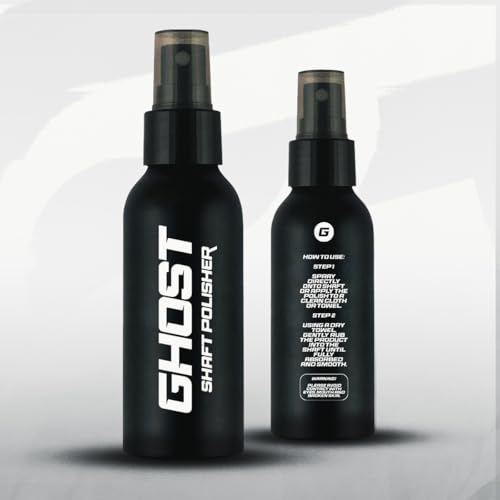



Clean your cue stick by wiping chalk off first, then cleaning the shaft, tip, and butt with the gentlest method that removes grime—without soaking any wood or wrap. If you keep the process consistent (quick wipe after play + deeper cleaning when needed), your cue will stay cleaner, hit more predictably, and last longer—this guide lays out the safe order of operations and what to avoid.
If you’re cleaning a wood cue (shaft + butt), a leather tip, and any wrapped sections, this is for you—especially if you’ve noticed sticky chalk buildup, grime near the ferrule, or your cue doesn’t feel as smooth as it used to. If your cue maker has special care instructions, follow those first.
Gather supplies and prep your workspace

You’ll get the safest results by using the right soft tools and limiting moisture to only what’s needed. The goal is to remove chalky residue and skin oils without triggering wood swelling or wrap damage.
– Use soft microfiber cloths, a soft brush (or clean cue-brush), and mild soap or a cue-safe cleaner (use what your cue maker recommends—see ).
– Avoid harsh solvents, soaking bowls, and anything abrasive that can dull finishes or alter the shaft’s feel.
– Give yourself a dry, well-ventilated area so you can fully dry parts before reassembly/storage.
– Work in sections: shaft first, then tip, then butt/ferrule—this helps you control where moisture is allowed to go.
– If you keep indoor humidity stable, a cue stick is less likely to “feel different” between sessions. According to the American Institute for Conservation (AIC), many wooden collection environments aim for about 45–55% relative humidity. American Institute for Conservation, environmental guidance (45–55% RH). (You don’t need museum conditions—just avoid extremes.)
Cue Stick Cleaning Cadence by Play Frequency (Practical Care Targets)
| # | Player profile | Sessions/week | Deep clean cadence | Buildup risk |
|---|---|---|---|---|
| 1 | Casual practice (mostly warm-up) | 1–2 | Every 6–8 weeks | ★★★★☆ |
| 2 | League nights (consistent) | 2–3 | Every 4–6 weeks | ★★★☆☆ |
| 3 | Frequent players (small group) | 3–4 | Every 3–4 weeks | ★★★☆☆ |
| 4 | Tournament preparation (high volume) | 5+ | Every 2–3 weeks | ★★☆☆☆ |
| 5 | Accidental “sticky cue” pattern | 2–4 | 2-week spot cleans + monthly deep clean | ★☆☆☆☆ |
| 6 | Dry environment (low humidity) | 1–3 | Every 6 weeks (still wipe after each session) | ★★★☆☆ |
| 7 | Humid rooms / basements | 1–3 | Every 4–5 weeks (extra focus on drying) | ★★☆☆☆ |
Clean the cue shaft (where chalk builds up)
You’ll keep the shaft feeling smooth by starting dry and using only minimal moisture if residue remains. This order matters because the shaft finish is only as stable as the moisture you let sit on the wood.
– Start dry: gently wipe the shaft with a dry microfiber cloth to remove surface chalk and dust.
– For residue, use a slightly damp cloth with mild soap (or the specific cue cleaner you’re using), then immediately wipe with a clean, dry cloth.
– Don’t flood the shaft or leave moisture sitting—wood can swell with moisture exposure, and finishes can cloud or lose uniformity if they stay wet.
– Know the “why”: wood dimensional movement is tied to moisture content. According to the USDA Forest Service Wood Handbook, “fiber saturation” occurs at roughly 30% moisture content—below that point, moisture changes directly affect swelling/shrinkage. USDA Forest Service, Wood Handbook (fiber saturation point ~30% moisture content).
Practically, that means even smaller, repeated moisture exposure can change how the cue stick feels at the grip and near the joint.
– If your shaft has grooves, rings, or textured patterns, use your soft brush lightly to lift chalk before any damp wipe.
Clean the cue tip (don’t overdo it)
You’ll protect cue performance by brushing off chalk and only refreshing the hitting surface when it truly needs it. Over-cleaning the tip can reduce consistency by removing too much material or flattening the contact patch.
– Brush off chalk with a soft brush so you’re only removing the top layer of buildup, not sanding aggressively.
– Lightly clean/refresh the hitting surface only as needed using a tip tool (or a cue-tip scuffer)—stop as soon as it looks clean.
– Let the cue dry naturally if it ever got humid or slightly wet; avoid heaters or direct sun.
– If you use multiple types of tip chalk (or chalk brand styles), you may notice buildup behaves differently. Some chalk leaves a heavier film that demands a careful repeat of “dry brush → minimal damp wipe only if needed → dry.”
Quick comparison: what works best for tip buildup?
Here’s a simple way to choose methods for cue tips without changing how the tip plays.
| Method | Best for | Potential downside |
|---|---|---|
| Dry brush | Chalk dust on the surface | Won’t remove sticky, embedded residue |
| Tip scuffer (light) | Buildup that won’t brush off | Too much scuffing changes the contact surface |
| Moist wipe (only if needed) | Rare cases of tackiness | Moisture can soften materials if left wet |
Clean the cue butt and ferrule area
You’ll prevent grime-driven roughness by cleaning the butt and ferrule gently and drying immediately after. The ferrule and seam areas trap chalk residue and skin oils, so this is where “slow but safe” cleaning pays off.
– Wipe the butt with a damp (not wet) cloth using mild soap, then follow with a dry cloth to prevent moisture from lingering.
– Pay attention to the ferrule and seam areas where grime collects—use a soft cloth and gentle motions.
– If your cue has a wrap (leather, linen, rubber), use the appropriate wrap-cleaning method——so you don’t strip or discolor it.
– For grips, avoid soaking around the wrap seam. Cue stick wraps can hold discoloring grime in their pores, and moisture can spread it further before it dries.
– If you play in sweaty conditions or use a lot of chalk, plan to clean the ferrule area more often than the rest of the cue stick—this is usually where “sticky chalk buildup” starts to affect feel.
What can go wrong when cleaning a cue stick
You can avoid most cue stick problems by not using harsh chemicals, not soaking wood or wraps, and not over-aggressively abrading the tip or shaft. These errors often show up later as cloudy finish, rough feel, or inconsistent hit.
– Using the wrong chemicals: alcohol/solvents and abrasive cleaners can damage finishes, soften some wraps, or leave a slick residue that changes how the cue stick feels.
– Soaking or “letting it sit”: extra moisture is the fastest way to cause swelling, warping risk, or finish cloudiness.
– Over-sanding the shaft or tip: removing too much material changes performance and may require professional correction.
– Cleaning out of order: if you wet the shaft, then brush a dirty tip, residue can migrate back toward the joint area. Keep the cue stick workflow controlled.
– Ignoring drying time: if the cue stick is still damp at storage, you’re essentially giving wood and wraps a prolonged moisture bath—store only after everything is fully dry.
– Misreading “mild”: even “mild” cleaners can be unsuitable for certain finishes. If your cue maker specifies a particular product, that instruction should override general advice.
Verdict: safe routine + quick checklist (and who should skip)
If you want the safest, most consistent results, do a two-step routine: dry wipe often, deep clean occasionally, and always dry everything fully. The downside is that this approach is “slow but safe”—it won’t instantly erase heavy staining like a strong solvent might, so stubborn grime may take more than one careful session.
Skip or get professional help if your cue has a specialty finish, aged materials, or you’re unsure what cleaner is compatible with your exact model (follow if available). If you see cracking, lifting finish, or seam separation, cleaning alone won’t fix the underlying issue—stop and consult a cue repair specialist.
| Task | Do this | Avoid this |
|---|---|---|
| After play | Dry microfiber wipe | Wet-soaking |
| Shaft deep clean | Slightly damp cloth → dry buff | Harsh solvents/abrasives |
| Tip refresh | Brush + light scuffer only as needed | Aggressive sanding |
| Butt/ferrule | Gentle wipe → fully dry | Leaving moisture in seams |
| Storage | Store after fully dry | Storing while damp |
Frequently Asked Questions
How do I clean a cue stick after every game?
Start by wiping the shaft with a clean, dry microfiber cloth to remove chalk dust and skin oils. If the cue feels tacky, lightly dampen the cloth with a small amount of cue-safe cleaner and wipe in straight lines from the joint to the tip. Finish by drying completely so moisture doesn’t soak into the wood. Store the cue in a case to reduce future dirt buildup.
What’s the best way to clean a billiards cue shaft without damaging the finish?
Use a microfiber cloth and a cue-specific cleaner or a very mild, alcohol-free cleaner designed for billiards cues. Avoid harsh solvents, abrasive pads, or soaking the cue, because these can strip the finish and affect the cue’s playability. For heavier grime, gently wipe multiple times rather than scrubbing aggressively. Let the shaft dry fully before returning it to your cue case.
Why should I clean the cue tip, and how do I do it safely?
Cleaning the cue tip helps maintain consistent contact and reduces chalk that can harden and interfere with cue performance. Use a cue tip pick to remove embedded chalk from the sides and top, then lightly brush with a soft tip brush. If the tip is glazed, lightly sand with fine cue tip sandpaper, using minimal pressure and only as needed. After cleaning, check the tip shape and let it dry fully before playing.
Which products are safe for cleaning a pool cue—what should I avoid?
Look for cue-cleaner sprays made specifically for billiards cues, along with microfiber cloths, a soft cue tip brush, and a cue tip pick. Avoid acetone, nail polish remover, bleach, oil-based cleaners, and anything that can damage the shaft finish or swell the wood. Also avoid using household cleaners on the shaft, since they may leave residue that affects grip and shot consistency. When in doubt, test a small, hidden area first.
How can I remove stubborn chalk buildup from a cue stick shaft?
Begin with dry wiping using a microfiber cloth to loosen surface chalk dust. If buildup remains, use a cue-safe cleaner applied to the cloth (not directly to the shaft) and wipe gently, then dry immediately. For persistent residues, repeat in small steps rather than using strong chemicals. Keep your cue case closed between sessions and wipe after play to prevent chalk from hardening over time.
📅 Last Updated: November 14, 2026 | Topic: how to clean cue stick | Content verified for accuracy and freshness.
References
- Cue stick
- https://www.cdc.gov/coronavirus/2019-ncov/community/disinfecting-building-facility.html
- https://www.who.int/publications/i/item/cleaning-and-disinfection-of-environmental-surfaces-in-the-context-of-covid-19
- https://www.epa.gov/coronavirus/cleaning-and-disinfecting
- https://www.epa.gov/coronavirus/disinfectants-coronavirus-covid-19
- Disinfectant
- Cleaning
- https://scholar.google.com/scholar?q=pool+cue+cleaning+maintenance Google Scholar
- https://scholar.google.com/scholar?q=cue+stick+tip+cleaning+and+disinfection Google Scholar
- https://scholar.google.com/scholar?q=billiard+cue+disinfection+fomite+control Google Scholar
