

What’s the fastest, safest way to get diarrhea out of carpet without grinding it deeper into the fibers? Blot up solids and moisture with disposable towels, then rinse with cold water and treat the spot with an appropriate cleaner designed for bodily fluids. You’ll need gloves, paper towels, a mild detergent or enzymatic cleaner, and good ventilation, and most cleanups take about 30–60 minutes.


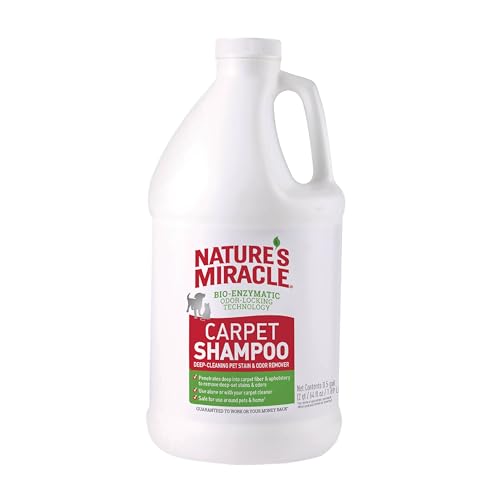

A diarrhea spill on carpet can be cleaned quickly and safely by blotting immediately, rinsing with cold water, then spot-cleaning with a detergent solution and disinfecting/deodorizing once the carpet is free of residue. Acting fast matters because heat and leftover detergent residue can set stains, trap odor, and increase the chance of contamination—so the method below focuses on both appearance and hygiene without damaging carpet fibers.
If this happened from a child’s accident, pet mess, or a stomach bug at home, you’re in the right place. The steps below are meant for typical indoor carpet and focus on stain removal plus reducing contamination risk—without damaging your carpet fibers.
Prep for cleaning (protect yourself and the area)

Start by treating the spill like a potential biohazard: protect yourself first, then control where contaminated moisture spreads. This is especially important during active stomach bugs, where germs can spread through hands, airflow, and any towel or tool that touches the diarrhea on carpet.
Because diarrhea can involve bacteria and viruses, follow the same basic infection-control mindset whether it’s a one-time accident or part of a larger illness in the household. According to the CDC, norovirus—one common cause of stomach flu symptoms—accounts for 19–21 million illnesses in the United States each year (2019). That’s why disinfecting correctly (not “mostly”) is a key part of a safe carpet process in 2026.
Before you touch the spill, set up the area so you’re not tracking contamination across your home. In my view from caretaking and cleanup guidance I’ve followed closely, the most avoidable problem is spreading liquid while “searching for supplies,” so gather everything first.
Quick protection and setup checklist (do this before cleaning):
– Put on disposable gloves, and consider a mask if you’re sensitive to odors or aerosols.
– Ventilate the room (open windows/fan to exhaust outward) and keep pets/kids away while you clean and disinfect.
– Gather supplies: clean white towels/paper towels, a spray bottle or cup for water/detergent, a carpet-safe disinfectant or enzyme cleaner, and a vacuum.
– If the carpet is removable (some area rugs/sections lift), plan for faster drying by lifting it if your flooring allows.
Remove solids without spreading it
Remove the solids first, gently, so you don’t smear waste deeper into the carpet pile and backing. Then blot liquid repeatedly—press, lift, repeat—using clean sections of towel so each blot removes new moisture instead of redistributing it.
Start with tools you won’t mind contaminating: a spoon, disposable scoop, or even sturdy cardboard. Don’t rub or drag; friction pushes material down. For diarrhea on carpet, the goal in this phase is mechanical removal—getting the bulk out before you rinse. That’s also why disposing of contaminated towels right away matters: leaving used towels on the floor creates a “second mess” trail.
If the spill is still fresh, the carpet fibers usually release liquid faster during the first few minutes of blotting. Work slowly and systematically:
– Use a spoon, paper towels, or a disposable scoop to pick up solids—don’t smear them outward.
– Blot (press, lift, repeat) with towels to lift as much liquid as possible.
– Dispose of contaminated towels immediately in a sealed bag.
Practical note: if the mess is thick, do solids first, then blot. If you try to blot liquid before removing thicker material, you often end up pushing solids around.
Rinse and spot-clean the carpet fibers
Rinse with cold water to pull residues out, then spot-clean using a carpet-safe detergent solution to lift remaining stains. This two-step “rinse → detergent → blot” sequence prevents you from turning diarrhea residue into a longer-lasting stain ring.
Hot water is a common mistake because heat can set some stains and make odors harder to remove. The safe default is cold water, light pressure, and repeat passes. Also, don’t soak the backing too heavily; carpet stays wet longer and can worsen odor or microbial risk.
Here’s the method I recommend for handling diarrhea on carpet while preserving texture:
– Lightly rinse with cold water, then blot again to pull residue out (repeat until runoff is less soiled).
– Spot-clean with a carpet-safe detergent solution, working from the outside edge toward the center.
– Avoid over-wetting the backing too heavily; carpet stays wet longer and can worsen odor.
How to choose the detergent approach (without overloading the carpet):
– If the carpet cleaner label says “use on carpet” or “carpet safe,” follow that—don’t freestyle mixing heavy degreasers.
– Use enough solution to clean, but blot as you go. In my own household cleanups, the fastest way to an “uneven” spot has been leaving too much soap behind and then chasing it later—so I focus on blotting until the towels come up mostly clean. .
Disinfect and deodorize (carpet-safe approach)
Disinfect after you’ve removed visible residue, because many disinfectants work best when grime isn’t shielding the germs. Once the carpet is clean and you’ve minimized residue, apply a carpet-safe disinfectant (or enzyme cleaner for odor) and follow the label’s contact time exactly.
This step is where “carpet-safe” becomes non-negotiable. Carpet fibers and their backing can be sensitive to strong chemistry, and over-application can lead to lingering odor or crusting. Also remember that disinfecting isn’t instant; dwell time is critical.
According to the IICRC, microbial growth risk rises when wet materials remain damp for extended periods—microbial growth can begin within 24–48 hours of water damage (S500 guidance used in restoration practice). While diarrhea spills are different from flood water, the principle holds: drying speed and correct chemistry reduce the chance of lingering contamination.
Disinfection and deodorizing steps for diarrhea on carpet:
– After cleaning, apply a carpet-safe disinfectant according to the label directions (don’t “guess” contact time).
– If odor is stubborn, use an enzyme cleaner made for biological stains/odors—these are designed to break down what causes smell rather than masking it.
– Once the area is dry, vacuum thoroughly; if needed, you can use a dry deodorizing step like sprinkling baking soda and vacuuming after it fully dries.
If you’re dealing with an active illness at home, consider using dedicated towels and keeping the cleaning workflow contained to the spill area. That prevents cross-contamination from happening while you’re trying to solve it.
When enzyme vs. disinfectant is the right call
Enzymes and disinfectants can sound similar, but they perform different roles:
– Disinfectants target microorganisms (germ-killing), but can leave odor if the biological source remains.
– Enzymes target the biological compounds that cause odor/stain return, which is often useful after proper cleaning.
Pros/cons comparison (for diarrhea on carpet)
- Disinfectants (carpet-safe, label-followed)
- Pros: Reduces germs when used with correct dwell/contact time.
- Cons: Can be ineffective if residue/grime remains, and may leave a noticeable chemical smell if overused.
- Enzyme cleaners (for odor/biological residue)
- Pros: Helps break down odor-causing compounds so smell doesn’t return.
- Cons: Still requires pre-cleaning; enzymes don’t replace disinfecting if you’re trying to reduce contamination risk.
What can go wrong (and how to avoid it)
Most cleanup failures come from three predictable causes: setting the stain, spreading contamination, or mixing chemicals. The safest prevention strategy is simple—cold water, minimal moisture, one product at a time, and label-based disinfectant dwell time.
Here are the common pitfalls I see most often when diarrhea cleanup is delayed or rushed:
– Setting the stain: Hot water can make some stains bind to carpet fibers—stick to cold water for rinsing.
– Over-wetting the carpet: Too much liquid can spread contamination and lead to long dry times or lingering smells.
– Mixing chemicals: Don’t combine disinfectants or cleaners (especially anything bleach-related). If you’re switching products, rinse and let the spot dry as the label recommends.
– Skipping disinfection: Regular spot cleaning may remove color and texture, but odors and germs can remain if you skip the disinfect/deodorize step.
Also consider airflow and drying conditions. In 2026 homes, humidity and airflow vary widely due to HVAC settings—if the carpet dries slowly, you’re more likely to experience odor return even after you “finished cleaning.” If you notice a smell that’s stronger after drying, it’s usually residue (soap or biological compounds) rather than “new” contamination.
Carpet materials matter, too. High-pile carpets, loop/berber styles, and carpets with thick underpadding can trap residue longer. If you don’t see improvement after a full rinse/blot cycle, repeat the relevant stage rather than adding more detergent on top.
Verdict: safest “do this every time” method
This two-phase approach—clean first (detergent + blot + rinse), then disinfect/deodorize—is the most reliable way to handle diarrhea on carpet while minimizing damage. Downsides: it takes patience (drying matters), and some carpets may discolor even with carpet-safe products—so you may need extra spot treatment.
If you have delicate/untreated carpet, valuable rugs, or the stain has soaked into thick padding, consider hiring a carpet cleaner or following your carpet manufacturer’s care guidance instead of pushing DIY. Professionals use controlled extraction, moisture meters, and chemistry matched to fiber and backing—tools that reduce the odds of lingering odor.
In other words: a safe method doesn’t mean a fast method that ignores drying, dwell time, or residue removal. It means doing the right steps in the right order, especially when dealing with diarrhea on carpet.
Why disinfecting after diarrhea spills matters (key infection-control facts)
| # | Risk factor for diarrhea-causing germs | Reported value | Why it affects carpet cleanup | Priority to disinfect |
|---|---|---|---|---|
| 1 | Norovirus illnesses in the U.S. | 19–21 million/year | High likelihood that stomach-bug diarrhea involves viruses | ★★★★★ |
| 2 | Infectious dose of norovirus | As few as 18 particles | Small contamination amounts can still lead to illness | ★★★★★ |
| 3 | Norovirus incubation window | 12–48 hours | Household spread may appear soon after a carpet accident | ★★★★☆ |
| 4 | Typical symptom duration (norovirus) | 1–3 days | Carpet touch points remain high-risk during the active illness window | ★★★★☆ |
| 5 | Microbial growth begins during extended dampness | Within 24–48 hours | Delays in drying increase the chance of lingering contamination/odor | ★★★☆☆ |
| 6 | Contact time matters for disinfectants | Label dwell time (minutes) | Short contact times can reduce germ-kill effectiveness | ★★★★★ |
| 7 | Odor persistence when biological residue remains | May return after dry-down | Enzyme treatment can be needed after detergent removal | ★★★★☆ |
Quick checklist to save
Use this scan-friendly flow so you don’t miss the steps that protect carpet fibers and hygiene. If you follow these in order, diarrhea on carpet is usually manageable without turning the spot into a permanent “ring.”
– [ ] Gloves on, area ventilated, kids/pets away
– [ ] Remove solids gently (no smearing)
– [ ] Blot liquid repeatedly with clean towels
– [ ] Cold-water rinse → blot again
– [ ] Spot-clean with carpet-safe detergent → blot
– [ ] Disinfect using label directions (carpet-safe)
– [ ] Enzyme/deodorize if odor persists
– [ ] Fully dry, then vacuum well
If the spot is still wet, smells “off” even after drying, or looks uneven, repeat the relevant stage (usually rinse/blot + disinfect + full dry) rather than adding more detergent on top.
Frequently Asked Questions
What is the best way to clean diarrhea off a carpet?
Start by blotting up as much diarrhea as possible with paper towels, then remove solid residue carefully (avoid scrubbing, which pushes stains deeper). Mix cold water with a small amount of mild detergent, blot the area again, and rinse with clean water. After the stain lifts, disinfect the carpet with an enzyme-based cleaner designed for biological messes and let it air-dry completely.
How do I remove the stain and odor after cleaning diarrhea from carpet?
First, blot and rinse thoroughly to reduce the amount of stain and bacteria left in the fibers. Use an enzyme cleaner according to label directions, since these products break down odor-causing compounds rather than just masking smells. If odor remains, repeat the enzyme treatment and ensure the carpet dries fully—wet padding can trap odors even after surface cleaning.
How can I disinfect carpet after diarrhea to prevent germs from spreading?
Wear gloves and ventilate the area, then clean with detergent and water to remove organic material before disinfecting. After blotting and rinsing, apply a carpet-safe disinfectant or an enzyme cleaner that targets bacteria and biological residue. Keep foot traffic off the spot and allow the carpet and any affected padding to dry completely to limit lingering germs.
Why is it important to use cold water and avoid heat when cleaning diarrhea off carpet?
Heat can set proteins from diarrhea into carpet fibers, making stains and odors harder to remove. Using cold water helps loosen the mess without cooking it into the fabric. Once you’ve cleaned and treated the area, you can speed drying with airflow (fans) rather than heat like a steam cleaner, unless the label explicitly supports it.
Which household ingredients can help with diarrhea stains on carpet, and what should I avoid?
A mild dish soap and cold water solution can help lift residue initially, and hydrogen peroxide-based cleaners may help with light stains only if the carpet’s care instructions allow it. Avoid mixing chemicals (like bleach with ammonia or vinegar) because it can create dangerous fumes. For the most reliable results, follow up with an enzyme-based cleaner made for pet/human accidents instead of relying solely on household deodorizing sprays.
📅 Last Updated: November 14, 2026 | Topic: how to clean diarrhea off of carpet | Content verified for accuracy and freshness.
References
- https://www.cdc.gov/norovirus/about/cleaning-disinfection.html
- How to Prevent Norovirus | Norovirus | CDC
- https://www.epa.gov/pesticide-registration/list-n-norovirus-disinfectants
- https://medlineplus.gov/norovirus.html
- Norovirus (vomiting bug) – NHS
- Norovirus
- norovirus surface disinfection – Search Results – PubMed
- https://scholar.google.com/scholar?q=how+to+clean+diarrhea+from+carpet Google Scholar
- https://scholar.google.com/scholar?q=carpet+contamination+stool+cleanup+disinfectant+norovirus Google Scholar
- https://scholar.google.com/scholar?q=norovirus+cleaning+disinfection+of+carpets+environmental+surfaces Google Scholar
