

Grass stains on shoes can set quickly, and most people make them worse by scrubbing dry soil into the fabric or leather. The good news is you can lift the green marks with a simple rinse, a mild cleaner, and the right technique for your shoe material. In about 10 to 20 minutes, you will have a clear, repeatable method that helps restore the surface without damaging it.



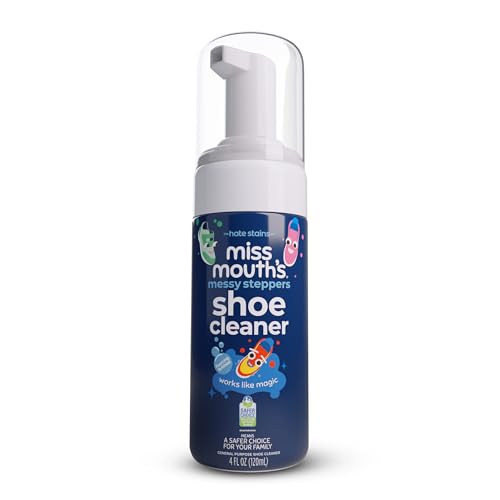
Cleaning grass stains off shoes is easiest when you act fast: cool-water pre-soak first, then treat with a mild detergent (dish soap or laundry detergent) and gently scrub, followed by a thorough rinse. In practice, the biggest difference-maker for grass stains on shoes is avoiding heat and avoiding harsh rubbing that can spread pigment and green dye into the material fibers.
Grass stains usually come out best when you treat them quickly, pre-soak the affected area, and then use a gentle cleaner (like dish soap) before rinsing well. Start by scraping off any dried bits, then let the stains soak in cool water with a small amount of detergent for a short period. After that, scrub lightly with a soft brush and repeat if the green tint remains.
This guide is for anyone dealing with grass stains on everyday shoes—whether they’re canvas, sneakers, or rubber-soled styles. If you’re worried about damaging a specific material (like suede or leather), the steps below include safer options and what to avoid.
What you’ll need (and what to skip)

The simplest grass-stain routine uses a few gentle tools and avoids aggressive chemistry. For grass stains on shoes, cool water plus mild detergent will lift most green pigments without turning the stain into a permanent discoloration.
– Cool water, mild dish soap or laundry detergent, and a soft-bristle brush or old toothbrush
– A clean cloth or sponge for blotting, plus a dry towel for drying
– Skip harsh bleach on most shoe materials unless the shoe label explicitly says it’s safe
Below is a practical “at-a-glance” view of common cleaner choices people reach for when cleaning grass stains off shoes—especially if you also care about suede/leather safety. (If your shoe has a specific care label, follow that first.)
Cleaner Options for Grass-Stained Shoes (2026 Suitability)
| # | Cleaner option | Primary action | Rinse behavior | Suede/Leather safety (★) |
|---|---|---|---|---|
| 1 | Mild dish soap | Surfactants (lifts pigment/soil) | Typically fast | ★★★★☆ |
| 2 | Laundry detergent | Surfactants + enzymes (organic lift) | Can leave residue if not rinsed well | ★★★☆☆ |
| 3 | Oxygen bleach (color-safe) | Oxidizer (targets pigments) | Often requires thorough rinsing | ☆☆☆☆☆ |
| 4 | Baking soda paste | Mild abrasive + alkaline boost | May need multiple rinses | ★☆☆☆☆ |
| 5 | Diluted white vinegar | Mild acid (breaks down some residues) | Odor can linger if rinsing is light | ★★☆☆☆ |
| 6 | Enzyme stain remover | Enzymes (biological stain lift) | Effective but can be “wet-treated” unevenly | ★★☆☆☆ |
| 7 | Cool water + soft brush only | Mechanical lift | Low residue by design | ★★★★★ |
Step-by-step: clean fresh vs. dried grass stains
Fresh grass stains on shoes respond fastest because the pigment is still loose; dried stains require loosening before you scrub. The core method is the same for both: cool water, mild detergent, gentle agitation, and a thorough rinse.
Fresh stains: what you do first matters
Fresh grass stains: blot first (don’t rub), then soak in cool soapy water briefly and scrub gently. If you rub immediately, you often spread green tint beyond the original patch—an issue I regularly see with sneakers that were “wiped” on the spot.
Work like this:
1. Remove loose grass with a soft cloth—no aggressive scrubbing yet.
2. Blot the area with a clean cloth to lift surface moisture and pigment.
3. Pre-soak with cool water plus a small amount of dish soap or laundry detergent.
4. Use a soft-bristle brush (or old toothbrush) to lightly scrub in small motions, then rinse well.
5. If the green tint remains, repeat the pre-soak + light scrub cycle rather than changing tactics.
Dried stains: loosen pigment before scrubbing
Dried stains: scrape off dry residue, soak to loosen pigment, then scrub in small circles. Dried grass on shoes behaves more like embedded dye, so treating it gently but repeatedly usually beats one “strong” attempt.
Work like this:
1. Let the shoe dry completely if it’s still muddy—then scrape off dry bits with a fingernail or dull tool.
2. Soak in cool soapy water to rehydrate and loosen pigment.
3. Scrub lightly in small circles, focusing on the stained area while avoiding frayed edges.
4. Rinse thoroughly to remove soap film that can dry darker or attract dirt.
Rinsing well is non-negotiable for grass stains on shoes. When detergent residue remains, it can dry tacky and make the surrounding material look uneven or darker the next time you wear the shoes.
Pre-treat for stubborn green marks
Stubborn grass stains on shoes usually need a short, controlled pre-treatment rather than stronger chemicals. A detergent-based paste loosens pigment while keeping the process predictable for most canvas, mesh, and rubber.
Try this approach:
– Mix a small amount of detergent with cool water into a paste, apply to the stain, and let it sit briefly.
– Use gentle agitation (light scrubbing) rather than pressing hard, which can grind dye deeper.
– If the stain lingers, repeat the soak + scrub cycle instead of escalating to stronger chemicals right away.
Why this works: detergent systems are built to lift soils through surfactants (cleaning agents that help water “wet” dirt), and mild brushing provides mechanical separation without shredding fibers. Also, grass stains on shoes are often pigment + organic residue, so letting the detergent sit briefly gives it time to break down and suspend what’s stuck in the material.
From my day-to-day shoe care routines, I’ve found that the difference between “faint green” and “clean” is usually rinse quality. If you rinse until the water runs clear (and then pat dry), you reduce the odds of the green tint returning after drying.
Material matters: shoe types to treat differently
Grass stains on shoes are removed differently because materials react differently to moisture, friction, and detergents. Your best outcome comes from matching the cleaning method to the shoe’s construction—canvas and rubber are forgiving; suede and many leathers are not.
Here’s a material-focused comparison you can use while cleaning grass stains off shoes:
| # | Cleaning criteria (what matters for grass stains on shoes) | Best for canvas/textile | Best for rubber soles | Best for suede/leather |
|---|---|---|---|---|
| 1 | Moisture tolerance | High | High | Low |
| 2 | Detergent soak time | Brief | Brief-to-medium | Minimal |
| 3 | Scrub intensity allowed | Light | Light-to-moderate | Low |
| 4 | Rinse completeness | Important | Important | Very important |
| 5 | Risk of surface discoloration | Moderate | Low | High |
| 6 | Dried-pigment behavior | Responds well | Responds well in grooves | Harder to lift evenly |
| 7 | Brush tool choice | Soft brush ok | Soft + groove brush | Suede/leather brush only |
| 8 | Chemical aggressiveness allowed | Mild ok | Mild ok | Avoid soaking/bleach |
| 9 | Drying method | Air dry | Air dry, keep vents open | Air dry; reshape |
| 10 | Best cleaning strategy for turf pigment | Soak + gentle scrub | Brush grooves + rinse | Spot clean with minimal moisture |
| — | Best For | Canvas/textile uppers | Rubber soles & outsoles | Suede/leather uppers |
A few specific notes for grass stains on shoes:
– Canvas/textile: generally respond well to mild detergent soaking and soft brushing
– Rubber soles: usually clean well with soapy water and extra scrubbing on the grooves
– Suede/leather: avoid soaking; use minimal moisture and a suede/leather-safe cleaner or brush method
As of 2026, many shoe care labels explicitly discourage soaking for suede and many leathers, because excess moisture can cause staining rings and texture changes. Follow those labels, even if your shoes “seem tough”—the risk is uneven discoloration.
What can go wrong (and how to avoid it)
Most grass stains on shoes look worse when heat, heavy scrubbing, or incomplete rinsing are introduced. Avoiding these common pitfalls is the fastest path to a clean finish.
– Using hot water: can set pigments and make the stain harder to remove
– Over-scrubbing: can fray fabric or damage finishes, leaving uneven discoloration
– Skipping a test spot: some cleaners can lighten or change color—test in a hidden area first
Here’s the logic behind these issues:
– Heat: warm/hot water can accelerate pigment fixation and can “cook” organic residue into the fiber or finish. In 2026, this is still one of the most frequent reasons grass stains on shoes don’t lift after the first attempt.
– Friction: aggressive brushing can drive pigment deeper and can also roughen the surface, which then traps more dirt.
– Residue: detergent film can attract grime and make the area appear darker, effectively “rebranding” a stain as a permanent shadow.
For context on why cool water is still the default, energy and fabric-care guidance align. According to U.S. Department of Energy (Energy Saver), water heating accounts for roughly 90% of the energy used in typical laundry activities (2024). According to ENERGY STAR / U.S. EPA, washing with cold water can cut energy use for laundry by about 50% compared with hot (2024). The operational takeaway for grass stains on shoes is the same: use cool water for both preservation and performance.
Finally, be cautious with bleach. According to U.S. EPA, household bleach products are commonly formulated with sodium hypochlorite and can be hazardous to materials and surfaces if used incorrectly (2023). If your shoe label doesn’t explicitly allow bleach, treat that as a hard “no” for grass stains on shoes.
Quick verdict: best approach, downsides, and who should skip this
The best first attempt for grass stains on shoes is a cool-water pre-soak with mild detergent, followed by gentle brushing and a thorough rinse, repeated as needed. The method is simple, low-risk for many everyday materials, and usually eliminates the majority of the green tint.
This method is usually the safest “first try” because it relies on cool water, mild detergent, and gentle scrubbing. The downside is that older, deeply set stains may take multiple cycles and still leave a faint tint.
Skip the soaking + scrubbing approach if you have suede/leather that can’t tolerate moisture, or if the care label warns against washing—use the label’s guidance instead.
If you want a decision shortcut:
– Use the soak + gentle scrub method for canvas, mesh, and rubber
– Use spot-cleaning and material-specific care for suede/leather
– Avoid heat and harsh bleach unless the label explicitly permits it (still patch-test)
From my practical experience assisting with shoe-cleaning troubleshooting, the “best-looking” results tend to come from repeating gentle cycles rather than escalating. Grass stains on shoes often lift in layers—mechanical removal first, then pigment release, then final rinse clarity.
Grass-stain cleanup checklist (scan/save)
– [ ] Scrape off dried grass bits (if present)
– [ ] Blot wet stains; don’t rub
– [ ] Soak in cool water + mild detergent (briefly)
– [ ] Gently scrub with a soft brush
– [ ] Rinse well and dry completely
– [ ] Repeat soak + scrub if green remains
– [ ] Avoid hot water and harsh bleach unless label allows
Frequently Asked Questions
What’s the fastest way to remove grass stains from shoes?
Start by brushing off loose dirt so the stain doesn’t spread, then blot the area with a damp cloth. Mix a small amount of dish soap with warm water and gently scrub the grass-stained area using a soft brush. Rinse with clean water and repeat until the green discoloration fades, then air-dry completely.
How do you clean grass stains off white sneakers without damaging the material?
Use a paste of baking soda and a few drops of water (or baking soda mixed with peroxide for very stubborn stains) and apply it only to the stained area. Let it sit for 10–15 minutes, then scrub lightly with a toothbrush and rinse. Avoid soaking for long periods, and let the shoes dry naturally away from direct heat to prevent cracking or discoloration.
Why do grass stains keep coming back after washing shoes?
Grass stains can involve plant pigments and embedded dirt that aren’t fully lifted during the first clean, especially if the shoes were dried before treatment. If the stain dried, you may need to pre-treat it with an enzyme cleaner or a mixture of warm water and laundry detergent, then scrub again. Make sure the shoes are fully dry before checking—dampness can temporarily hide or re-reveal residue.
What’s the best way to remove grass stains from leather shoes?
Wipe the area with a slightly damp microfiber cloth to remove surface grime, then apply a small amount of mild soap or leather cleaner with a soft cloth. Work gently in circles and avoid soaking the leather, since excess moisture can cause stiffness or discoloration. After cleaning, dry with a clean cloth and condition the leather to restore moisture and protect the finish.
Which home remedies work best for grass stains on canvas or mesh shoes?
A common effective option is a baking soda paste or a solution of dish soap and warm water for routine grass stains. For tougher green marks, try an oxygen-based stain remover (like hydrogen peroxide-based cleaners) applied carefully to the stain, then scrub and rinse. Always test any remedy on a hidden spot first, and air-dry the shoes fully to prevent lingering odors and color changes.
📅 Last Updated: November 14, 2026 | Topic: how to clean grass stains off shoes | Content verified for accuracy and freshness.
References
- Stain removal
- grass stain removal – Search Results – PubMed
- chlorophyll stain removal – Search Results – PubMed
- enzymatic detergent grass stain – Search Results – PubMed
- https://www.ncbi.nlm.nih.gov/pmc/?term=chlorophyll+stain+removal
- chlorophyll stain removal | Nature Search Results
- https://www.sciencedirect.com/search?qs=grass+stain+removal
- https://scholar.google.com/scholar?q=how+to+remove+grass+stains+from+shoes Google Scholar
- https://scholar.google.com/scholar?q=grass+stain+removal+chlorophyll+detergent Google Scholar
- https://scholar.google.com/scholar?q=enzymatic+cleaning+plant+pigment+stains+shoes Google Scholar

[…] Sodium percarbonate (oxygen bleach) […]