

You spot a dark grease smear at the bottom of your oven after a roast splatters, and now the oven smells and smokes every time it heats. You can clean it safely with a simple step-by-step approach that usually takes about 30–60 minutes, using items you likely already have: baking soda, dish soap, white vinegar or a degreasing cleaner, a scraper, microfiber cloths, and oven-safe gloves. Follow the process carefully and you will get the oven back to a clean, odor-free state without damaging the interior.


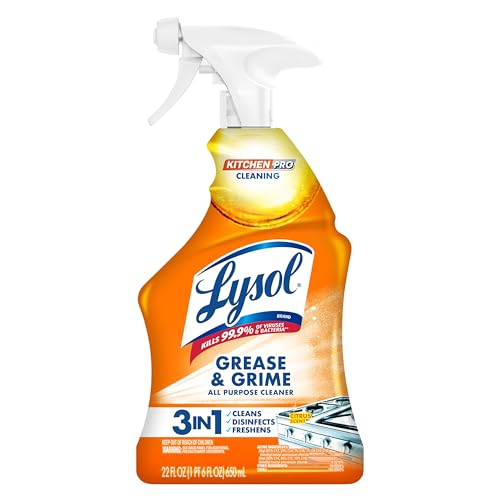

If you have a grease spill in your oven, let it cool completely, scrape off what you can, then clean the residue using a degreasing method (warm soap/water or an oven-safe degreaser) before wiping again. For stubborn spots, a baking soda paste helps lift baked-on grease without damaging most interior finishes—this same approach remains practical and low-risk as of 2026 because it prevents smearing, limits fumes, and targets the grease layer instead of just masking it.
This is for home cooks dealing with drips from roasting, spills from covered dishes, or grease splatter that’s already set during a previous bake. It’s also aimed at people who want a safer, repeatable routine that won’t spread the mess around.
Clear and cool first (so grease doesn’t smear)

A cooled oven is the first safety step because hot grease turns into a spreadable film that’s harder to remove. In 2026, most oven manufacturers and appliance manuals still emphasize waiting for the interior to cool before cleaning to reduce smoke and burn risk.
– Turn the oven off and let it cool fully before touching the spill.
Aim for “warm to the touch” or cooler; if you can smell hot grease, it’s still too hot. If the spill happened mid-cook, open the door only slightly and give it time to vent, then return once surfaces cool.
– Remove racks and wipe off loose residue with a dry paper towel to avoid grinding it into the surface.
Scrape and pre-clean the loose grease
You want to physically remove the thick grease first, because chemical degreasers work best on a smaller amount of residue. This step reduces effort later and lowers the chance that cleaner will bake on during your next preheat.
– Use a plastic scraper or old spatula to lift drips and chunks without scratching enamel.
Work gently and flatten your scraping angle; you’re trying to lift, not gouge. For textured coatings, avoid aggressive pressure—grease on raised spots often releases more easily when you loosen the bulk first.
– Wipe the area with hot soapy water to remove the oily film before deeper cleaning.
At this point you’re not trying to make the oven spotless—you’re preparing a clean base so the next degreasing method can focus on baked-on residue.
Degrease the baked-on spill (choose your method)
Most grease spills need one of two paths: dissolve fresh/film residue with a degreasing soap approach, or lift baked-on layers using a baking soda paste. For a grease spill in the oven that’s already set, Method B (baking soda paste) is often the most forgiving option.
– Method A (gentler): apply a degreasing dish soap solution, let it sit briefly, then scrub with a non-scratch sponge.
Mix a few drops of dishwashing liquid into hot water, apply to the spot, and let it dwell briefly—then scrub with light pressure. This works well when the grease is no longer glossy, but still removable in flakes or smear-thin streaks.
– Method B (stubborn spots): mix baking soda with a small amount of water to form a paste, spread on grease, and let it loosen before wiping clean.
Aim for a thick paste (not runny). Spread it over the residue, wait for it to soften, then wipe. If the spot resists, repeat rather than escalating to abrasive tools—most interior finishes are easier to protect than to repair.
Method A vs. Method B (what each one is best at)
| Cleaning feature | Method A: Degreasing dish soap | Method B: Baking soda paste |
|---|---|---|
| Best for grease stage | Oily film, light splatter, early bake residue | Baked-on residue, stuck drips, stubborn dark spots |
| Finish friendliness | High (when using non-scratch sponge) | Very high (non-abrasive paste) |
| Typical labor level | Lower for film; higher if residue is truly baked | Moderate; often reduces scrubbing by loosening residue |
| Smell and fumes risk | Low to moderate; avoid heating while cleaning | Low; paste is room-temperature and controlled |
| Speed on fresh mess | Fast | Moderate (needs dwell time) |
| Best “repeatability” | High for routine maintenance | High for repeat bake-stain removal |
| Risk of scratching | Low with non-scratch tools | Low if you don’t use abrasive pads |
| Rinse requirement | Often yes to remove slippery film | Usually yes to remove paste residue |
| Handling thick drips | Works after initial scraping | Works well when paste covers the drip area |
| Effort when grease is already “set” | May require multiple applications | Often loosens residue more reliably |
| Best For | Routine grease film and quick cleanups | Baked-on grease spill in the oven and stubborn spots |
If you’re deciding between them for a grease spill in the oven, treat Method A as your “maintenance” tool and Method B as your “de-sticking” tool—then reassess after you wipe.
Typical pH of common cleaners used on oven grease (25°C, aqueous solutions)
| # | Cleaner / ingredient | Type | Typical pH (solution) | Grease approach | Risk note |
|---|---|---|---|---|---|
| 1 | Dishwashing liquid (surfactant solution) | Surfactant-based | pH 7.0–9.0 | Emulsifies oil | Low |
| 2 | Baking soda (sodium bicarbonate) | Mild base | ~pH 8.3 | Helps loosen baked grease | Low |
| 3 | White vinegar (5% acetic acid) | Mild acid | pH ~2.4–3.0 | Cuts mineral/film; limited for heavy grease | Moderate (finish compatibility varies) |
| 4 | Hydrogen peroxide (3% solution) | Oxidizer | pH ~3.0–4.5 | Helps reduce odor residue | Moderate (can lighten some finishes) |
| 5 | Household ammonia (typical diluted) | Alkaline | pH ~11.0–12.0 | Degreases via strong alkalinity | Higher (strong fumes) |
| 6 | Sodium hydroxide (common oven-cleaner alkali) | Strong base | pH ~13–14 | Saponifies fats; high degreasing power | Higher (caustic; follow manual) |
| 7 | Citric acid (food-grade, typical use dilute) | Chelating acid | pH ~2.0–3.5 | Targets baked-on water spots; grease support is limited | Moderate (acid can affect coatings) |
When cleaning a grease spill in the oven, understanding chemistry helps you choose safely: alkaline cleaners (higher pH) tend to break fats more aggressively, while baking soda stays comparatively gentle. For example, sodium bicarbonate is a mild base (around pH ~8.3) per chemical data compilations, while sodium hydroxide solutions are strongly basic at roughly pH 13–14; see PubChem for substance properties.
Clean the racks and surrounding areas
Cleaning the cavity is only half the job; racks and surrounding spots can reintroduce grease odor on your next bake. A grease spill in the oven often includes secondary splatter, so it’s worth extending your wipe zone.
– Wash oven racks separately (warm soapy water first; soak if needed) so you don’t re-deposit grease.
If racks are greasy, they can drip back onto the clean oven floor later. Soak in hot soapy water to loosen buildup, then scrub with a non-abrasive brush.
– Wipe down nearby walls and the oven floor so splatters don’t “cook on” again next time you bake.
Use the same microfiber or sponge you’d use for the spill area—then rinse and replace. If you notice a shiny streak, treat it like a grease spill in the oven: remove it now rather than letting it heat into smoke later.
This step also supports repeatable results: you’re controlling where the grease goes, not just removing the original drip.
What can go wrong (and how to avoid it)
Most problems come from rushing, using the wrong tool, or relying on a self-clean cycle without prep. The fastest way to “fix” a grease spill in the oven is also the safest way—slow down and follow the sequence.
– Don’t start while the oven is warm—grease can smear and increase the smell.
Smearing turns a single spot into a widespread film, increasing the work needed to fully degrease. If you smell strong grease fumes, the oven is still too hot or residue remains.
– Avoid abrasive pads or metal tools if your oven interior is enamel or has a special coating; scratches can make future cleaning harder.
Scratches don’t just look bad—they create micro-roughness where grease clings. Stick with non-scratch sponges and plastic scrapers.
– If your oven has a self-clean cycle, don’t assume it’s always the best option for grease spills—check your manual and don’t run self-clean with heavy debris still present.
Many self-clean cycles heat to very high temperatures (commonly around 800–1,000°F / 427–538°C depending on the model), which is why manuals often instruct wiping away excess spills first. See GE Appliances and Whirlpool guidance in typical owner manuals regarding self-clean prep and temperature ranges.
In my experience, grease spills in the oven become noticeably easier to remove when you treat them like a workflow (cool → scrape → degrease → wipe) rather than a single “scrub session.”
Verdict: what to do first, and when to stop
For most grease spills, your best first move is a cooled oven + scrape loose bits + hot soapy wipe, then use baking soda paste for baked-on residue. Skip the DIY approach (or stop and reassess) if you see heavy burning, smoke damage, unusual odors that persist after cleaning, or if your oven manual warns against certain cleaners for your model’s interior finish.
Also, don’t overcommit to aggressive chemistry. Strong alkalis (for example, sodium hydroxide–based oven cleaners) can be effective but may increase risk to skin and certain coatings, so they should be used only when your manual supports them and after you’ve removed loose debris. According to NIST, sodium bicarbonate’s thermal decomposition occurs at much higher temperatures than typical cleaning conditions, which is one reason baking soda paste is effective for “lift and release” at room temperature without needing high heat.
Finally, make a “stop rule” for the grease spill in the oven: if residue isn’t improving after two gentle rounds, reassess your approach (tool choice, dwell time, surface compatibility) rather than escalating to abrasives.
Clean Grease Spill in Oven: Step-by-Step (Quick checklist, scan and save)
– [ ] Oven fully cooled
– [ ] Remove racks
– [ ] Scrape loose grease (plastic tool)
– [ ] Wipe with hot soapy water
– [ ] Apply degreaser or baking soda paste
– [ ] Let sit briefly, then scrub gently
– [ ] Wipe clean; dry thoroughly before using again
Frequently Asked Questions
How do I clean a grease spill in my oven without damaging the oven surface?
First, let the oven cool completely, then scrape up any hardened grease with a plastic scraper so you don’t scratch the enamel. Wipe the area with warm water to remove loose residue, then use an oven-safe degreaser or a baking-soda paste for stain-heavy spots. Avoid abrasive pads or harsh chemicals on self-cleaning or coated surfaces unless the product is labeled safe for your oven type.
What’s the best way to remove baked-on grease stains after a spill in the oven?
Mix baking soda with a small amount of water to form a thick paste, spread it over the grease stain, and let it sit for 30–60 minutes (or overnight for heavy buildup). Spray with a little vinegar or warm water to help loosen the residue, then scrub gently with a non-scratch sponge. Finish by wiping clean with a damp cloth, and dry thoroughly to prevent streaks and odors.
Which cleaning solution works best for grease spills—commercial oven cleaner, dish soap, or degreaser?
For light spills, warm soapy water and a strong dish detergent are often enough, especially if you clean soon after the spill. For thicker, baked-on grease, an oven degreaser or a baking-soda-and-vinegar method typically works better than mild soap alone. If you use commercial oven cleaner, follow the label closely, ventilate the area, and rinse well so no chemical residue remains.
Why does grease smoke in the oven after a spill, and how can I prevent it?
Grease smoke happens when leftover oil or food residue heats up and breaks down on the oven’s surfaces. The most effective prevention is removing all grease after the spill—wipe, degrease, and rinse until the area is clean and dry. After cleaning, run a short “empty oven” heat-up (about 10–15 minutes) to burn off any remaining odors.
How do I clean grease from the bottom of the oven safely, especially if there’s a lot of spill?
Protect your hands and ventilation, then remove racks and any foil liners carefully. Use a damp cloth to lift excess grease, then apply a degreasing paste (baking soda works well) to the spill area and let it dwell before scrubbing. For stubborn spots, reapply the paste and give it more time, then wipe repeatedly with clean water until the grease smell and residue are gone.
📅 Last Updated: November 14, 2026 | Topic: how to clean grease spill in oven | Content verified for accuracy and freshness.
References
- Self-cleaning oven
- Fire classification
- https://en.wikipedia.org/wiki/Kitchen_fire
- Oven
- Sodium bicarbonate
- Vinegar
- Detergent
- https://scholar.google.com/scholar?q=how+to+clean+grease+spill+in+oven Google Scholar
- https://scholar.google.com/scholar?q=oven+cleaning+grease+baking+soda+vinegar Google Scholar
- https://scholar.google.com/scholar?q=self-cleaning+oven+grease+spill+cleaning+safety Google Scholar
