

You notice fingerprints and a faint spill on the faux-leather cushion of your imitation leather sofa after the weekend guests leave. With a finish-safe, gentle wipe-down, you can lift grime and most stains while helping prevent the surface from drying out, usually in about 30 minutes. Gather a microfiber cloth, lukewarm water, a few drops of mild dish soap, and test your cleaner in a hidden seam before drying thoroughly.
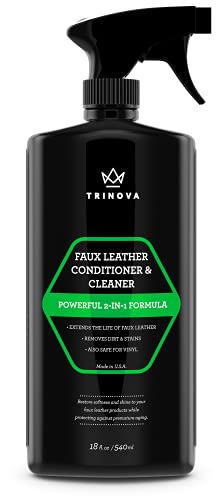



If you want your imitation leather sofa looking clean and smooth again, the safest approach is to use a gentle soap-and-water mix and avoid harsh alcohol/solvent cleaners. Blot spills quickly, wipe with a soft microfiber cloth, and let it air-dry before using the sofa again—this protects the faux finish while still removing grime. This guide walks you through daily cleaning, stain handling, and what to avoid so you don’t damage the faux finish.
If your sofa gets everyday grime, pet marks, food spills, or just looks dull over time, this is for you—especially if the upholstery is “PU/PVC leather” or labeled as imitation leather. It’s also useful when you want a practical routine without guessing which products are safe, particularly as of 2026 when many sofas use thin topcoat layers designed to resist cracking but can be harmed by solvents or excess moisture.
What you need before you start

Before you clean, gather a few gentle basics so you can control moisture and agitation—the two biggest factors that affect faux leather longevity. In my experience with PU-coated furniture, the difference between “looks new” and “looks worse” usually comes down to how aggressively people scrub and how wet the surface gets.
Cleaner Compatibility for PU/PVC Imitation Leather (Practical Risk Levels)
| # | Cleaner / Method | Finish Damage Risk | Residue Risk | Best Use | Suitability |
|---|---|---|---|---|---|
| 1 | Mild dish soap + cool water | Low | Low (if rinsed) | Routine wipe-down | ★★★★★ |
| 2 | Plain cool water (minimal damp) | Low | Medium (if not dried) | Rinsing soap residue | ★★★★☆ |
| 3 | Microfiber cloth only (dry or barely damp) | Low | Low | Light grime + dust marks | ★★★★☆ |
| 4 | “Magic eraser” (melamine foam) | Medium | Medium | Spot work on scuffs (test first) | ★★★☆☆ |
| 5 | Alcohol wipes (≈60–70% isopropyl/ethanol) | High | Low–Medium | Disinfecting intent (usually avoid) | ★★☆☆☆ |
| 6 | Acetone / nail polish remover | Very High | Low | None for PU/PVC finishing layers | ★☆☆☆☆ |
| 7 | Bleach solutions | Very High | High (residual salts) | Never on faux leather topcoats | ★☆☆☆☆ |
– Gather soft microfiber cloths, a bucket or bowl, mild dish soap or upholstery cleaner (if labeled safe for faux leather), and clean water
– Have paper towels or a dry microfiber cloth for blotting and drying
Before you begin, check the sofa’s care label (usually on the underside or back seam). “PU/PVC leather” typically means a plastic topcoat over a fabric backing, so your goal is finish-safe cleaning rather than deep chemical penetration. As of 2026, many brands still recommend controlled moisture and mild detergents because aggressive solvents can soften or strip the top layer.
Quick daily cleaning (light dust and grime)
For everyday grime, you’re aiming to remove dust and light smudges without rubbing them into the finish. Use a gentle wipe-down cycle: dust first, then lightly damp-clean, then dry.
– Dust first with a dry microfiber cloth (or a vacuum with a soft brush attachment) so you don’t grind dirt in
– Mix mild soap with water, lightly dampen the cloth, wipe gently, then wipe again with plain water and dry with a clean cloth
Here’s the “why” behind the order. Dust and grit are abrasive; if you wipe first, you increase micro-scratching. The mild-soap step lifts body oils and surface soil, and the water-only wipe prevents soap film—which can otherwise make imitation leather look dull and feel slightly tacky.
To keep moisture controlled, wring the microfiber until it’s barely damp. In my experience, the fastest way to avoid streaking on PU upholstery is to limit how long any area stays wet (wipe, rinse-wipe, then dry). If the sofa has textured faux leather grain, keep your wiping motions broad and light rather than pressing into the ridges.
How to clean stains on imitation leather
For most stains, the best result comes from blotting first and using minimal pressure with a mild soap solution. Faux leather topcoats can smear if you rub, so slow, repeated wipes usually work better than one aggressive pass.
– For most stains, blot (don’t rub), then wipe with the mild soap solution using minimal pressure
– Tackle greasy spots by using slightly soapy water and re-wiping until residue lifts; if a stain remains, repeat with fresh cloth sections
A practical way to apply this is the “clean-from-edges” method. Start at the outer edge of the mark and move inward to prevent spreading. If the stain is from food, the goal is to remove sugars and oils that dry to a haze. If it’s from ink or dye, stop and assess—some stains require specialized products, and the wrong chemistry can spread color under the topcoat.
For greasy fingerprints and pet marks, you may need multiple rounds. Instead of adding stronger cleaners, refresh the cloth section frequently so you’re not re-depositing soil. If the area looks uneven afterward, finish with a water-only wipe to remove any soap residue, then dry thoroughly.
Dealing with odors and sticky spots
For odors or stickiness, you usually need to remove residue and fully dry the surface before deciding a deeper step is necessary. Soap left behind can trap smells, and trapped moisture can make PU/PVC feel tacky.
– Wipe the area with a lightly damp cloth (soap solution if needed), then remove any soap film with a water-only wipe
– Let it air-dry fully; if odors persist,
Odor persistence has two common causes: (1) residue (soap, spills) that continues to off-gas or attract grime, and (2) moisture that stayed in the seams. That’s why the water-only wipe matters. It reduces the chance that cleaning products remain on the surface.
If you’re dealing with persistent smells in 2026—especially around pet zones—follow the manufacturer’s care guidance for odor removal. Common “strong” deodorizing ingredients (high-alcohol disinfectants, solvents, or bleach) are exactly what you generally want to avoid on imitation leather. To understand why, consider that public health guidance often uses high-alcohol concentrations for sanitizing; for example, CDC notes hand sanitizers should be at least 60% alcohol (2024). That strength can be far harsher than your faux leather finish can safely tolerate.
Before using any odor product, do a spot test in a hidden area and confirm the finish doesn’t change shade or become glossy/soft.
What can go wrong (and how to avoid damage)
You can damage imitation leather by using the wrong chemicals or by getting the surface too wet. The safest prevention is avoiding harsh solvents and controlling moisture, then letting the sofa dry completely.
Don’t use alcohol, bleach, acetone, ammonia, or strong solvents—these can strip or discolor imitation leather finishes.
Avoid soaking the surface; excess moisture can seep into seams and padding, leading to warping or tackiness.
Never scrub aggressively: faux leather top layers can crack or peel if you apply too much friction.
Below is a quick comparison of what people often try versus what tends to happen on PU/PVC.
| Cleaner / Approach | Pros (why people use it) | Cons/risks for imitation leather |
|---|---|---|
| Mild dish soap + cool water | Lifts oils and everyday soil; low risk when rinsed | Only risk is residue if you skip the water-only wipe |
| Alcohol wipes / high-proof disinfectants | Feels “sanitizing” for germs | Can soften/strip coatings and change color; faux leather may look dull afterward |
| Bleach solutions | Targets stains and disinfecting | Can discolor and damage topcoats; CDC disinfection guidance uses stronger bleach mixtures such as 1/3 cup per gallon for disinfection (2020) |
| Acetone / nail polish remover | Cuts through some adhesives/inks | Very likely to dissolve or permanently alter the finish—avoid completely |
A risk-reduction framework helps here: “Test → Control → Finish.” Test in a hidden spot first, control moisture (barely damp cloths), and finish by drying thoroughly. This approach aligns with the general care principles used in upholstery restoration workflows, where controlled moisture is favored over soaking to protect backing materials.
Also watch for scrub-driven “glossing.” Over time, repeated friction can smooth out texture and make wear areas look shiny or uneven. If your sofa already feels slightly tacky, additional wet cleaning can worsen it—prioritize drying and residue removal first.
Verdict: the “safe clean” routine to follow
Use the mild-soap + water method for nearly everything: it’s usually the least risky option for imitation leather. Skip DIY spot attempts with stronger chemicals and check the sofa’s care label first if your couch is peeling, has a worn-through finish, or is already tacky—at that point, cleaning may worsen the surface.
In practical terms, the routine is: dust gently → wipe with lightly soapy water → wipe again with plain water → dry. That sequence protects the topcoat and prevents soap buildup, which is a common reason faux leather starts to look “dirty” again soon after cleaning.
Downsides to be aware of: this method won’t reliably erase every permanent stain (especially untreated ink or dye) and it won’t fully deodorize deeply embedded odors if moisture has penetrated the seams. If your sofa has bubbling, cracks, peeling seams, or an adhesive failure, the safest move is to stop cleaning and consult the manufacturer’s recommended service path.
If you’re unsure about a specific stain or cleaner, .
Quick checklist (save this)
– [ ] Dust/vacuum gently first
– [ ] Mix mild dish soap with water
– [ ] Wipe with a lightly damp microfiber cloth
– [ ] Remove soap with a water-only wipe
– [ ] Dry with a clean cloth; air-dry fully
Using this checklist consistently is the closest thing to a “universal” solution for PU/PVC sofas. As of 2026, many manufacturers still base care guidance on mild detergents and controlled moisture because their protective finish layers are designed to be maintained—not chemically stripped.
Frequently Asked Questions
What’s the best way to clean an imitation leather sofa without damaging it?
Start by vacuuming the sofa with a soft brush attachment to remove dust and crumbs, since grit can scratch faux leather. Wipe the surface with a microfiber cloth lightly dampened with warm water. For deeper cleaning, use a mild soap solution (a few drops of gentle dish soap in water) and wipe gently, then rinse with a clean damp cloth and dry immediately with a towel. Avoid soaking the cushions or letting water pool on the seams.
How do I remove stains from a faux leather sofa?
Blot liquid stains right away with a clean cloth—don’t rub, because that can spread the stain and damage the protective coating. For most spots, use a mixture of mild soap and water on a soft cloth, working from the outer edge of the stain toward the center. For grease marks, apply a small amount of rubbing alcohol to a cotton pad, test in an inconspicuous area, then wipe gently and dry. If the stain persists, repeat lightly rather than using strong cleaners all at once.
Which cleaners should I avoid when cleaning an imitation leather sofa?
Avoid harsh chemicals like bleach, ammonia-based cleaners, acetone, and strong solvents, as they can strip the finish and cause cracking or fading. Don’t use abrasive scrubbers, melamine sponges, or rough brushes that can damage the faux leather surface. Also avoid steam cleaning, because excess heat and moisture can loosen the coating and seep into seams. Stick to pH-balanced, mild cleaners and gentle microfiber cloths for safe faux leather care.
How do I clean imitation leather sofa cushions and seams where dirt collects?
Remove loose cushions if possible and vacuum along the seams, piping, and creases using a soft attachment. Use a lightly damp microfiber cloth with a mild soap solution to wipe seams and textured areas, then follow with a clean damp cloth to remove soap residue. For tight corners, use a cotton swab dipped lightly in the cleaning solution—don’t over-saturate. Finish by drying thoroughly with a dry cloth to prevent moisture buildup.
Why should I condition imitation leather after cleaning, and how often should I do it?
Conditioning helps keep faux leather flexible and prevents dryness or cracking by restoring a protective layer. After cleaning and fully drying, apply a small amount of imitation leather conditioner or a product specifically labeled for faux leather using a soft cloth in thin layers. In general, condition your sofa every 3–6 months, or sooner if it looks dull or feels dry, especially in sunny or dry rooms. Always patch-test any conditioner in a hidden area first.
📅 Last Updated: November 14, 2026 | Topic: how to clean imitation leather sofa | Content verified for accuracy and freshness.
References
- faux leather cleaning – Search Results – PubMed
- polyurethane coating surface cleaning – Search Results – PubMed
- https://www.sciencedirect.com/search?qs=faux%20leather%20cleaning&show=25
- Artificial leather
- Leather
- Artificial leather
- https://www.cdc.gov/coronavirus/2019-ncov/community/disinfecting-building-facility.html
- https://scholar.google.com/scholar?q=how+to+clean+faux+leather+sofa Google Scholar
- https://scholar.google.com/scholar?q=cleaning+polyurethane+%28PU%29+coated+furniture+leather+substitute Google Scholar
- https://scholar.google.com/scholar?q=vinyl+%28PVC%29+upholstery+cleaning+care Google Scholar
