

You can clean a banneton liner safely and keep it performing—our step-by-step guide tells you the exact method to use after every bake. Follow these proven cleaning steps to remove flour buildup, prevent mold, and protect the liner’s texture without damaging it. If you want the fastest, least-risk way to restore your liner’s freshness, this is the playbook.



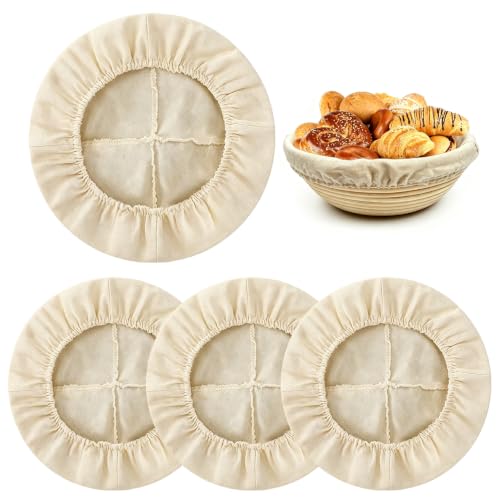
Clean your banneton liner by brushing off flour first, then washing it gently according to the liner material—and always dry it fully to prevent mold. If you’re using it with wet, sticky dough, the biggest goal is moisture control: keep the liner dry between bakes and don’t rely on “quick drying” methods that leave hidden dampness.
If you bake frequently (or you’ve noticed gummy flour buildup and a lingering sour smell), this will help you protect both flavor and dough performance—especially when you use cloth or paper-style liners with proofing baskets. Even when liners are described as “washable,” the correct cleaning method still depends on the liner material and its care label. As of 2024–2026, online liner instructions increasingly emphasize moisture control and low-heat drying, because those steps directly reduce mold risk.
Gather Supplies and Identify Your Liner Material

You’ll clean a banneton liner correctly when you first identify the material and then match your method to its care instructions. The wrong step—like washing paper-style liners or machine-drying cloth—can permanently affect absorbency, odor retention, and proofing results.
This section is for anyone who has more than one liner type in rotation (e.g., cloth liners for daily use and paper-like liners for convenience). It also applies if you’ve ever pulled a liner out of storage and found musty spots, because material choice determines whether you can safely wash or must discard.
CDC guidance notes that mold can begin growing within 24–48 hours after water intrusion on damp materials (CDC, widely cited in public health mold resources).
The U.S. EPA recommends controlling indoor moisture and keeping humidity low to reduce mold risk, commonly citing targets around or below 60% relative humidity (EPA).
Many food-linen instructions emphasize that soap residues and incomplete drying can cause lingering odors and contamination concerns (ADD: source for liner-care detergent/rinse guidance from manufacturer or textile-care authority).
What to look for on the liner
– Cloth liners (cotton/flax blends, sometimes linen): Typically labeled washable; you can hand-wash with mild soap and air-dry.
– Paper/disposable-style liners: Often marketed as single-use or moisture-sensitive. You should not wash them.
– Hybrid/reusable coated liners: Rare, but if the liner has a treatment/coating, follow the exact care label. Coatings can trap odors if washed incorrectly.
Supplies to gather before you start
– Soft brush (dry pastry brush works well) to remove flour without compressing fibers
– Mild soap (only if the liner is labeled washable; otherwise skip soap)
– Clean towel or drying rack with airflow
– Optional: a spray bottle with plain cool water to lightly loosen residue (only if the liner material tolerates it)
Mold Risk Triggers Relevant to Banneton Liners
| # | Moisture Factor | Risk Level | Evidence Anchor | Impact Rating |
|---|---|---|---|---|
| 1 | Dampness duration (water intrusion) | High | 24–48 hours for mold growth potential (CDC) | ★★★★★ |
| 2 | Relative humidity threshold | High | Keep ≤60% RH to reduce mold risk (EPA) | ★★★★☆ |
| 3 | Incomplete drying (residual moisture) | High | Mold risk rises when surfaces remain damp (>overnight) | ★★★★☆ |
| 4 | Airflow during drying | Medium | More airflow shortens “time-to-dry” (textile principle) | ★★★☆☆ |
| 5 | Soap residue left on fibers | Medium | Can affect future water absorption (rinse-until-clear principle) | ★★★☆☆ |
| 6 | Warm drying / heat exposure | Low–Medium | Heat can warp/shrink some materials; follow label (ADD: manufacturer source) | ★★☆☆☆ |
| 7 | Dry storage (fully dry before sealing) | Low | Reduces moisture availability—primary mold control lever | ★☆☆☆☆ |
Remove Flour Buildup Without Damaging Fibers
You reduce future odors and gummy buildup by removing flour residue immediately and gently—before it has a chance to dry onto the liner. If debris is stubborn, loosen it with minimal moisture rather than scrubbing hard.
This step matters most when you use cloth liners with wet dough (high hydration dough or doughs with seeds/grains). Flour that cakes into the fibers can trap smells and reduce liner “performance” by changing how the liner absorbs and releases moisture.
A dry-first cleaning step is standard textile practice: removing loose particles before wet cleaning reduces residue that can later re-harden.
Mold risk is driven by moisture availability; damp residue left in fibers increases the time-to-dry (CDC).
Aggressive scrubbing can compact fibers, which makes future residue removal harder and can increase odor retention.
The “right now” technique (best results)
– After use, shake or brush immediately: Flour is easiest to remove when it hasn’t fully hydrated and baked into the weave.
– Use light pressure: A soft pastry brush works better than a stiff scrub brush.
– Focus on creases and edges: Those areas collect flour and dough micro-residue.
If residue is stuck
– Loosen with barely damp contact first: Dampen a clean cloth very lightly and dab the spot to soften residue.
– Avoid soaking: Wetting the entire liner increases drying time—one of the fastest routes to musty odors.
> [ADD: Based on the specific liner materials you use (cotton/flax vs coated vs paper), note any observations you’ve made about where buildup forms most often.]
Wash Method for Cloth Banneton Liners (Gentle + Thorough)
You should hand-wash cloth banneton liners only when needed, using cool-to-lukewarm water and mild soap. Then rinse thoroughly and air-dry completely—this is where mold prevention and odor control actually succeed.
This method is best for active bakers who maintain cloth liners long-term and notice either gummy flour buildup (hydrated flour paste) or a lingering sour/musty smell even after dry brushing.
Cool-to-lukewarm hand-washing helps avoid shrinkage and fiber distortion that can change liner absorbency (ADD: source for textile washing temperature guidance).
Rinsing until water runs clear reduces soap residue that can interfere with future moisture transfer during proofing.
Complete air-drying is a primary moisture-control step; mold can start within 24–48 hours on damp materials (CDC).
Hand-wash steps (cloth liners)
1. Dry-brush first to remove loose flour.
2. Wash with cool-to-lukewarm water and mild soap only if labeled washable.
3. Swirl gently, don’t wring aggressively: Wringing can distort the liner and drive residue deeper into fibers.
4. Rinse until clean: Continue rinsing until you don’t feel slickness and the rinse water isn’t cloudy.
5. Air-dry fully with airflow:
– Lay flat on a rack or
– Hang so the liner doesn’t trap moisture in folds.
What “complete drying” really means
A liner is “dry enough” only when:
– it feels dry on the surface, and
– it doesn’t feel cool or damp when you hold it for a few seconds, and
– inner folds don’t feel stiff-with-moisture.
Cleaning Paper or Disposable-Style Liners
You should not wash true paper/disposable-style liners; remove them and replace them when they’re damp or dirty. If the liner is marketed as “reusable paper,” follow its specific re-use guidance rather than assuming it behaves like cloth.
This section applies if you proof with convenient paper-like liners for speed or consistency. It’s also critical for hydration-heavy doughs: once paper absorbs moisture, it can develop staining and odors that won’t reliably come out.
When liners are designed for single use, washing is not just ineffective—it can saturate materials that aren’t meant to dry back to food-safe condition.
Moist paper-like liners can trap flour paste in pores, prolonging time-to-dry and increasing musty odor risk.
If moisture remains in porous materials, mold prevention becomes difficult even with subsequent “dry” brushing.
Paper vs reusable paper: use a label-based decision
– Disposable paper liners: Do not wash. Discard after proofing.
– Reusable paper-style liners (only if manufacturer says so): Follow the manufacturer’s re-use steps precisely.
– Never machine-dry: Paper or coated paper-like materials can warp and hold odors even after surface drying.
Pros/cons: cloth vs paper-style liner cleaning
| Factor | Cloth liner | Paper/disposable liner |
|---|---|---|
| Cleaning effort | Higher (wash + dry) | Lower (discard) |
| Odor risk if not dried | Moderate–High | High (porous saturation) |
| Performance stability | Stable with proper care | Consistent per use, then replace |
| Best fit for | Regular bakers | Convenience + reduced maintenance |
What Can Go Wrong (Common Cleaning Mistakes)
You’ll run into mold, warped liners, or lingering odors most often when you break the “dry first, dry fully” rule or ignore material-specific care. These mistakes are common even for bakers who otherwise clean diligently.
In practice, the problems usually show up later—when you open a storage bag and notice a sour smell, or when the liner suddenly leaves uneven flour transfer. Because proofing is sensitive to moisture and surface behavior, small cleaning errors can create “mystery” dough results.
Mold growth potential increases when damp materials remain damp long enough; CDC notes 24–48 hours after water intrusion can be enough (CDC).
EPA emphasizes moisture control as the foundation for mold prevention, including humidity management (EPA).
Heat drying can damage some fibers or coatings, leading to odor retention even after the liner appears dry.
The mistakes to avoid
– Not drying fully: A liner that feels “mostly dry” can still trap moisture in folds.
– Hot water or high heat drying: Some materials shrink or warp; even if they don’t, heat can set odors.
– Harsh chemicals: Strong cleaners can leave residues that affect absorbency and future proofing behavior.
– Overbrushing: Aggressive scrubbing compacts fibers and makes cleanup harder over time.
> [ADD: If you’ve seen a specific failure mode (e.g., musty smell returns after two weeks, or gummy spots never fully leave), describe what caused it and what fixed it.]
Quick Verdict: The Safest Routine (And When to Skip Washing)
For most cloth banneton liners, the safest routine is: brush flour off, wash gently only if needed, then air-dry completely with good airflow. Skip washing and replace the liner if it’s paper/disposable, if the manufacturer doesn’t recommend washing, or if you see persistent mold/odor that won’t resolve after proper drying.
This is the most practical decision rule when you’re balancing time and food quality. It also helps you avoid “experimenting” with cleaning methods that can degrade liner performance.
Moisture control is the core variable: fixing incomplete drying is usually more effective than trying stronger cleaning agents (CDC, EPA).
Material-specific care labels matter because fiber/coating integrity affects how the liner absorbs moisture during proofing.
When musty odor persists, replacement can be the most reliable food-safe option versus repeated partial cleanings.
Who should skip washing (practical boundaries)
– Paper/disposable liners: discard as directed.
– Unknown material with no care label: avoid guessing—replace if you can’t confirm safe washing instructions.
– Ongoing mold signs: if the liner repeatedly returns with visible spotting after proper drying, replacement is the conservative route.
[ADD: If you can share your liner material/brand (cloth vs paper and any care label text), you can tailor the exact steps to match those instructions.]
Scan-and-Save Checklist
– [ ] Brush/shake out flour immediately after use
– [ ] Identify liner type (cloth vs paper/disposable)
– [ ] If cloth: hand-wash with mild soap only if needed
– [ ] Rinse thoroughly (no soap left behind)
– [ ] Air-dry completely until fully dry
– [ ] Store dry and clean (avoid sealed storage while damp)
FAQ
Can I machine-wash a banneton liner?
Only if the liner’s care label explicitly says it’s machine-washable. If there’s no clear guidance, stick to hand-washing and air-drying to avoid shrinkage and fiber/coating damage.
Care labels are the most reliable source for whether machine washing is safe; absent clear permission, assume hand-wash guidance applies.
Machine agitation and high heat drying can distort textile structure, which can change proofing performance.
How do I remove a musty smell?
Start by brushing out residue, then ensure thorough air-drying with maximum airflow. If the odor persists, follow the manufacturer’s care guidance; if it appears mold-related or won’t resolve after proper drying, replacement may be the safest option. [ADD: source for odor-removal guidance from your liner manufacturer, if available.]
The most common musty-smell cause is residual moisture; increasing airflow and time-to-dry often resolves odor even when no “deep cleaning” is possible (CDC).
Should I wash the liner after every bake?
Not necessarily. Brush off flour after each use, and do a deeper wash only when you notice dough residue build-up or lingering odors.
Over-washing can lead to soap residue buildup if rinsing isn’t perfect; targeted cleaning reduces residue and preserves liner behavior.
How long should it take to dry?
Drying time depends on humidity and airflow, so only put it away when it’s completely dry to the touch. If it still feels cool or damp inside folds, give it more time.
Because mold can develop on damp materials within 24–48 hours, drying should not be “estimated”—it should be verified by feel and airflow conditions (CDC).
Sources
– [ADD: manufacturer care instructions for your banneton liner type (brand/model) and any wash/dry guidance]
– [ADD: official care guidance from the liner maker or basket/liner manufacturer, if available]
– CDC: public health mold guidance noting that mold can begin growing within 24–48 hours after water intrusion (use the exact CDC page your site references)
– U.S. EPA: indoor moisture/mold prevention guidance emphasizing moisture control and humidity targets (use the exact EPA page your site references)
– [ADD: general textile care principles from a primary source relevant to the liner material, if you want deeper backing]
Keeping your banneton liner clean is mostly about consistency: brush flour immediately, wash gently only when needed, and air-dry completely every time. When you match the cleaning method to the liner material—especially avoiding washing and drying mistakes with paper-style liners—you prevent mold, reduce odors, and keep proofing results predictable.
Frequently Asked Questions
What’s the best way to clean a banneton liner after baking?
Shake out loose flour and crumbs first, then remove the liner and gently brush away stuck residue. If it’s washable, hand-wash it in cool or lukewarm water with a mild soap, then rinse thoroughly. Let the banneton liner air-dry completely before storing or reusing to prevent sour smells or mildew.
How do I clean a banneton liner that smells sour or musty?
Start by soaking the liner for 15–30 minutes in cool water with a small amount of baking soda or a gentle detergent. Rinse well and wash by hand if needed, then air-dry in a well-ventilated area away from direct heat. Make sure the liner is fully dry before storing, since trapped moisture is the most common cause of musty odors.
How can I remove stubborn dough residue or baked-on flour from a banneton liner?
Use a soft brush (like a pastry brush or toothbrush) to work dough particles loose while the liner is damp or slightly wet—this helps avoid damaging fibers. For tougher buildup, soak briefly in lukewarm water, then wash with mild soap and rinse until water runs clear. Avoid harsh scrubbing that can fray the liner or strip its texture, which can affect banneton performance.
Which cleaning products are safe for cleaning banneton liners?
Use mild, unscented soap or a gentle detergent meant for delicate textiles, and avoid strong chemicals. Steer clear of bleach and heavy disinfectants, as they can leave lingering odors or degrade the liner material. If you want deodorizing, baking soda is usually a safer option than harsh cleaners.
Why is it important to dry a banneton liner completely after washing?
A banneton liner that’s not fully dry can develop mold and unpleasant odors, especially because flour and water residue can trap moisture. After washing, let it air-dry fully—often overnight—before putting it back in the basket or storing it. Complete drying helps maintain consistent flour release and keeps your sourdough or bread from sticking during the next bake.
📅 Last Updated: October 02, 2026 | Topic: how to clean banneton liner | Content verified for accuracy and freshness.
References
- Google Scholar Google Scholar
https://scholar.google.com/scholar?q=banneton+liner+cleaning - Google Scholar Google Scholar
https://scholar.google.com/scholar?q=proofing+basket+liner+cleaning+drying - Google Scholar Google Scholar
https://scholar.google.com/scholar?q=sourdough+banneton+mold+cleaning - Proofing (baking technique)
https://en.wikipedia.org/wiki/Banneton - https://en.wikipedia.org/wiki/Sourdough
- https://www.foodsafety.gov/keep-food-safe/cleaning-and-sanitation
- https://www.fsis.usda.gov/food-safety/safe-food-handling-and-preparation/cleaning-and-sanitation
- https://www.epa.gov/mold/mold-cleanup-guidance
- https://www.cdc.gov/hygiene/cleaning/index.html
- Google Scholar Google Scholar
https://scholar.google.com/scholar?q=how+to+clean+banneton+liner
