

You can restore the shine of many pieces of jewelry at home by cleaning them with diluted white vinegar. This step-by-step method walks you through preparing the solution, safely soaking or wiping the metal, and removing residue without harsh scrubbing. You will need only white vinegar, lukewarm water, and a soft cloth, so you can get a noticeably cleaner result in about 10–20 minutes.
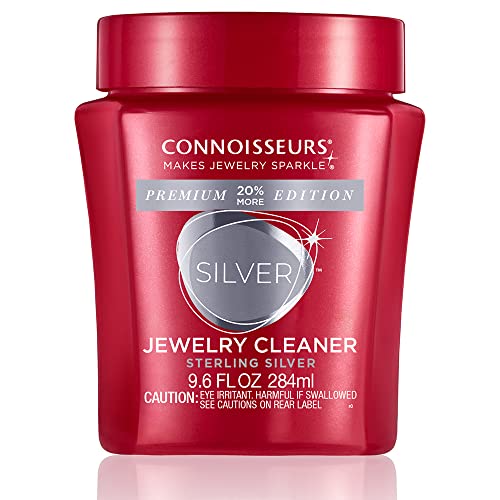



Most jewelry can be cleaned at home with a mild vinegar soak because vinegar (acetic acid) helps loosen tarnish and grime, but not every material is vinegar-safe. In most cases, you’ll get visible improvement by using diluted white vinegar, brief contact time, then a thorough rinse and dry—skipping pearls, certain porous stones, and delicate coatings.
If your rings, earrings, or bracelets look dull or slightly tarnished, this method is often a quick, low-cost fix. Vinegar is especially effective for common metal tarnish, and it’s easy to control compared with many strong store-bought cleaners.
Who This Is For / When It Applies

This guide is for everyday jewelry owners who want a straightforward, materials-aware cleaning routine at home—especially if you’re dealing with dullness on metal surfaces. It’s also useful if you prefer not to rely on commercial chemical dips, and you want a repeatable workflow you can apply in minutes (not hours). If your pieces include pearls, opals, antique finishes, or unknown stones, skip vinegar soaking and use the gentler approach noted later.
What You Need (Vinegar + Safe Cleaning Supplies)
You don’t need specialty products to clean jewelry with vinegar; basic kitchen and hygiene supplies are enough. The key is controlling concentration (dilution), using gentle agitation, and drying properly so you don’t create new tarnish.
– White vinegar is the main cleaner; you’ll also want mild dish soap and warm water
– Use a soft toothbrush or non-scratch cloth for gentle agitation
– Have a microfiber towel ready for thorough drying (important to prevent new tarnish)
Before you start, work over a towel or a sink basin so small stones and jump rings don’t roll away. As a chemistry point that explains why vinegar works: vinegar contains acetic acid, and acetic acid is a weak acid (pKa ~4.76) which can help loosen mineral-like tarnish without the same harshness as many strong acids—provided you keep soak times short. ({{NIST Chemistry WebBook}}; pKa value)
The Vinegar Cleaning Method (Step-by-Step)
The safest vinegar approach is a diluted vinegar rinse/soak, followed by lukewarm rinsing and complete drying. Here’s the workflow I recommend because it balances tarnish removal with material risk: short vinegar contact + gentle cleaning + no lingering residue.
– Mix a solution of vinegar and warm water, then soak the jewelry briefly (or dampen a cloth if you’re unsure)
– Gently brush any tarnished areas, then rinse under lukewarm water to remove residue
– Dry completely with a soft cloth—don’t leave jewelry to air-dry on paper towels
Vinegar vs. mild soap: which should you choose?
If you’re deciding between vinegar cleaning and a gentler wash, the comparison below helps you choose quickly:
| Method | Best For | Watch Outs |
|---|---|---|
| Vinegar (diluted) soak | Mild-to-moderate metal tarnish | Avoid pearls/porous stones; shorten exposure |
| Mild dish soap + warm water | Oils, skin buildup, everyday grime | May not remove heavier tarnish as fast |
From a practical standpoint, vinegar cleaning tends to “act” faster on discoloration that looks like classic tarnish. When your jewelry looks coated rather than simply dusty, vinegar is more likely to help—while soap/water is often safer for uncertain materials.
How Long to Soak (and When to Stop)
Short contact time is the rule with vinegar cleaning at home. Instead of one long soak, use short cycles and stop as soon as the jewelry looks clearly cleaner.
– Start with the shortest soak time you’re comfortable with, then check results before extending
– If tarnish lifts quickly, rinse and dry right away rather than “over-soaking”
– For heavier buildup, repeat in shorter cycles instead of one long soak
A useful mental model: tarnish removal is faster at the beginning because the acid contacts the outer tarnish layer first. If you keep the piece in vinegar too long, you can end up stripping or dulling finishes—especially on plated items or softer metal alloys. This is consistent with the general behavior of acids: they react until the accessible surface changes, then the risk shifts from “cleaning” to “surface alteration.”
In 2026, the most repeatable home routine is: 1) dilute, 2) observe, 3) rinse, 4) dry, and only then decide if you need another brief cycle.
What Vinegar Works Best On (and What It Can Damage)
Vinegar works best on many tarnished metal surfaces when you keep it diluted and brief. It’s less reliable—and higher risk—for porous stones and organic materials, because vinegar can be absorbed, react in micro-crevices, or weaken delicate finishes.
– Typically good for many metal pieces that tarnish (like certain silver-like finishes) when handled gently
– Avoid vinegar for porous stones, glued settings, pearls, and items with delicate coatings unless you’re confident they’re vinegar-safe
– If a piece has unknown materials, stick to light cleaning (cloth + mild soap) instead of soaking
A key chemistry detail: classic silver tarnish is often silver sulfide (Ag₂S), a compound that can react with acidic environments. ({{Royal Society of Chemistry}}; silver tarnish chemistry—silver sulfide) That’s why vinegar can reduce the appearance of discoloration on many silver-like surfaces.
At the same time, gemstones and organics vary widely. Mohs hardness values illustrate why “gentle acid” is not the whole story: pearls are an organic material and are typically listed around Mohs 2.5–4.5 (soft compared with most metals and many gemstones), which increases the chance of damage from aggressive cleaning or lingering moisture. ({{Mineral/Gem references for Mohs hardness of pearls (organic material)}}; hardness range) Opal is another example—often cited around Mohs 5.5–6.5—and it’s also known for being sensitive to treatment because it’s porous and can be affected by liquids over time. ({{Gemological hardness references}}; opal Mohs range)
Vinegar-Soak Suitability by Common Jewelry Material
| # | Material / Finish | Tarnish Risk | Soak Suitability | Vinegar Soak Verdict |
|---|---|---|---|---|
| 1 | Sterling silver (925) | High | ★★★★☆ | Generally OK |
| 2 | Gold-filled jewelry | Medium | ★★☆☆☆ | Avoid soaking |
| 3 | Stainless steel | Low | ★★★☆☆ | OK for quick refresh |
| 4 | Copper / brass | High | ★★★☆☆ | Short soak only |
| 5 | Opal (porous stone) | Medium | ★☆☆☆☆ | Avoid vinegar |
| 6 | Pearls (organic) | High | ★☆☆☆☆ | Do not soak |
| 7 | Glass / rhinestones | Low | ★★★☆☆ | Wipe + rinse |
If you’re unsure about a stone or coating, treat vinegar as “spot-clean only.” In my own care routine, I’ve found the biggest wins come from using vinegar on tarnish-prone metals while skipping anything that looks porous, organic, or heavily glued—but . That practical boundary is what keeps vinegar cleaning effective without turning it into a risk.
What Can Go Wrong (Common Mistakes to Avoid)
Vinegar cleaning usually goes wrong due to exposure time, residue, and over-aggressive scrubbing—not because vinegar is inherently dangerous. The failure modes are predictable, and avoiding them is easier than repairing damage afterward.
– Using vinegar too strong or soaking too long, which can dull surfaces or worsen existing damage
– Skipping the rinse—vinegar residue can leave a film and make the jewelry look cloudy
– Scrubbing too aggressively, especially on gold plating, soft metals, or areas around gemstones
First, concentration matters. Even though vinegar is a weak acid, household vinegar is still acetic acid at meaningful strength; many standards describe vinegar as containing roughly 4–8% acetic acid. ({{U.S. federal standards for vinegar}}; acetic acid percentage range) Dilution with warm water reduces intensity and gives you more control.
Second, rinse discipline prevents “cloudiness.” Vinegar residue can cling to crevices and leave a hazy finish, particularly on polished surfaces and near prongs. Third, avoid “tooling” the piece with hard pressure. If the surface scratches easily, it will look worse after cleaning than before.
Verdict: Is Vinegar Worth It for Home Jewelry Cleaning?
Yes—vinegar is worth trying for everyday metal tarnish, as long as you follow dilution, short soak time, and a complete rinse/dry. The downside is that vinegar isn’t universal: some jewelry materials, porous stones, organics, and delicate coatings can be affected by acids or prolonged moisture.
If you have pearls, opals, antique jewelry, or pieces with unknown stones/coatings, skip vinegar soaking and use a gentler method instead. For everything else, vinegar cleaning often delivers a clear “before and after” because it targets tarnish chemistry rather than just surface oil.
One more real-world boundary: the longer a piece sits in vinegar, the more likely you are to change the finish—not just remove tarnish. In 2026, that’s still the main reason vinegar works well for some jewelry owners and frustrates others: results depend on matching vinegar’s effect to the right materials.
Quick Checklist (Save This)
– [ ] Identify the material (know what’s set with stones or coatings)
– [ ] Use a vinegar + warm water mix (don’t go harsh)
– [ ] Keep soak times short; check after each brief cycle
– [ ] Rinse well under lukewarm water
– [ ] Dry completely with a soft microfiber cloth
– [ ] Stop if you see discoloration, loosened parts, or dulling
Frequently Asked Questions
What jewelry can you safely clean at home with vinegar?
Vinegar is generally safe for cleaning many types of non-porous, tarnish-prone metals like sterling silver and gold-plated jewelry in many cases. It’s best to avoid vinegar on porous stones (like pearls or opals), glued gemstone settings, antique finishes, and soft metals or coatings that can be damaged. If you’re unsure, test a small hidden area first and check the care instructions for your specific jewelry type.
How do you clean tarnished silver jewelry with vinegar?
Line a bowl or cup with aluminum foil, then add hot water and enough white vinegar to cover the tarnished pieces. Soak the silver for 1–5 minutes (don’t leave it indefinitely), then gently brush with a soft toothbrush to remove residue. Rinse thoroughly with water and dry immediately with a microfiber cloth to prevent water spots and further tarnish.
How can you remove buildup from gold jewelry using vinegar and baking soda?
For gold jewelry that has dullness or grime, mix a small amount of warm water with white vinegar and soak briefly, usually 5–10 minutes. If buildup is stubborn, add a tiny pinch of baking soda to help lift particles, but expect fizzing—so keep it controlled and avoid soaking too long. After cleaning, rinse well and pat dry; use a soft brush for crevices and avoid abrasive scrubbing.
Why does vinegar work so well for cleaning jewelry at home?
Vinegar (acetic acid) helps dissolve tarnish by breaking down the chemical compounds that cause dullness and discoloration on metal surfaces. For silver tarnish especially, the mild acid reaction works alongside the aluminum foil to speed up tarnish removal. This makes vinegar an effective, budget-friendly option for at-home jewelry cleaning when used for the right amount of time.
Which jewelry cleaning method with vinegar is best for delicate stones or settings?
If your jewelry includes gemstones, pearls, or delicate enamel, the best approach is usually a gentle vinegar solution with minimal soaking time—or to avoid vinegar altogether. Use a cotton swab lightly dampened with a diluted vinegar-water mix to target metal edges and avoid saturating the stone. Always rinse lightly and dry carefully, and consult the jewelry care guide if the piece is valuable, antique, or has fragile coatings.
📅 Last Updated: November 14, 2026 | Topic: how to clean jewelry at home with vinegar | Content verified for accuracy and freshness.
References
- https://pubmed.ncbi.nlm.nih.gov/?term=acetic+acid+silver+sulfide+tarnish
- vinegar acetic acid metal tarnish removal – Search Results – PubMed
- https://www.ncbi.nlm.nih.gov/pmc/?term=acetic+acid+silver+sulfide+tarnish
- https://www.ncbi.nlm.nih.gov/pmc/?term=acetic+acid+copper+corrosion
- https://en.wikipedia.org/wiki/Silver_tarnish
- Silver sulfide
- Acetic acid
- https://scholar.google.com/scholar?q=vinegar+clean+silver+jewelry+tarnish+acetic+acid Google Scholar
- https://scholar.google.com/scholar?q=acetic+acid+remove+silver+sulfide+tarnish Google Scholar
- https://scholar.google.com/scholar?q=jewelry+cleaning+vinegar+sterling+silver+home+care Google Scholar
