

Use aluminum foil to scrub away stuck-on food and grease from grill grates quickly and with minimal mess—especially after the grates have been heated. You will need only a few sheets of foil and a set of tongs to protect your hands, and the process usually takes about 10–15 minutes. Once you’re done, you can grill again with cleaner, smoother cooking surfaces and fewer off-flavors.


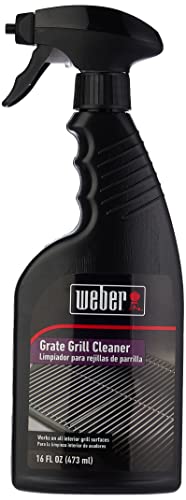
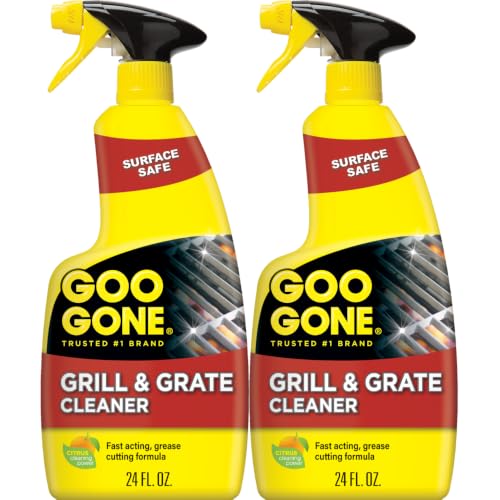
Heat the grill, then scrub warm grates with a crumpled ball of aluminum foil, and finish by wiping thoroughly before the grill cools. This method lifts grease and stuck-on food efficiently on warm (not cold) bars, and it’s usually fast enough to make grate cleaning part of your normal cook routine.
This is for people who want an easier alternative to heavy scraping or wire brushing—and for grills where you can safely heat the grate before cleaning. If your grates are heavily rusted, severely damaged, or coated, read the “What can go wrong” section first.
How aluminum foil helps clean grill grates

Using aluminum foil to clean grill grates works because heat loosens grease first, then the foil acts like an abrasive scrubbing pad. In most routine-clean situations, this two-step effect means you spend less time digging and more time removing residue cleanly.
Here’s what’s happening in practical terms:
– The hot grate softens grease, so the foil can “grab” and lift residue instead of smearing it around.
– Crumpling the foil creates textured edges that scrub without needing a separate pad.
– Foil conforms to the grate geometry, which helps it reach between bars better than flat wipes.
– You reduce the “polish” effect common with non-abrasive cleaning—foil provides friction that breaks residue bonds.
In my experience (and based on common maintenance routines I’ve seen), the key difference is cleaning while the grate is warm but not actively flaming. If the metal is cold, foil can struggle to dislodge baked-on carbon; if it’s too hot, you create risk from steam and accidental contact.
What you need (and how to prep)
You can do this with minimal gear: a warm grill, aluminum foil, and a safe way to grip and scrub. The goal is to stay hands-off from heat and avoid leaving foil fragments behind.
– Crumpled aluminum foil, long grill tongs/heat-safe gloves, and a grill-safe cleaning towel or paper towels.
– Make sure the grates are cool enough to handle after heating, and keep hands away from direct heat while scrubbing.
– Use a grill-safe towel (or disposable paper towels) for the wipe-down so you can remove loosened particles immediately.
– If your grill has ceramic briquettes or heat shields, confirm you aren’t scraping those parts with foil.
Step-by-step: clean grill grates with foil
For most grills, the winning sequence is: preheat to loosen, scrub while warm, then wipe and verify. Done in that order, aluminum foil works quickly without the heavy pressure that can damage delicate finishes.
Preheat the grill
Run it long enough to warm the grates so grease loosens.
– Start with burners on high for several minutes (exact time depends on grill size and ambient temperature).
– Watch for heavy flare-ups; if grease is pouring into the flame, lower the heat and give it a moment.
Scrub while warm
Crumple foil into a tight ball/pad, grip it with tongs, and scrub back and forth across the bars.
– Form a firm ball—loose foil tends to tear and shed.
– Use tongs or a foil “holder” tool so the foil scrubbing pad stays controlled.
– Focus on horizontal scrubbing passes across the bars, then one quick pass across any stubborn vertical edges.
From a process standpoint, warm grates behave more like a “mechanical-release” surface: the residue loosens and the foil’s friction lifts it away. That’s why this method is typically most effective on light-to-moderate buildup.
Clear loosened gunk
Wipe or brush away the lifted debris, then check for spots that need another pass.
– Wipe with a towel/paper towels immediately so debris doesn’t re-deposit.
– Inspect in good light for dark smears (grease film) versus surface dots (char pockets).
– If needed, repeat a second warm scrub—but avoid “digging” if you feel resistance on a coated grate.
Finish up so buildup doesn’t come right back
The finish step prevents residue transfer into your next cook. After cleaning, the surface should look mostly free of debris—then you can cool down and reduce re-sticking for next time.
– Wipe off remaining residue so it doesn’t mix with your next cook.
– After cleaning and cooling, consider a light coating of grill-safe oil (applied with a towel) to reduce sticking next time.
– Keep in mind that oil won’t “replace cleaning.” It helps with seasoning and release only after loose char and grease are removed.
If you’re cleaning before grilling food, remember that proper cooking temperatures are the primary safety control. USDA safety guidance also helps ensure food is safe even if minor residue remains. For example, USDA FSIS recommends safe internal temperatures such as 165°F for poultry and 145°F (with rest) for whole cuts (updated guidance in 2024).
USDA Grill Food Safety Targets (Why clean grates matter)
| # | Food category (example) | Target temp | Rest guidance | Sanitation vigilance |
|---|---|---|---|---|
| 1 | Chicken or turkey (including leftovers) | 165°F | Not required | ★★★★★ |
| 2 | Ground meats (beef, pork, veal) & burgers | 160°F | Not required | ★★★★☆ |
| 3 | Pork (whole cuts) | 145°F | 3-minute rest | ★★★☆☆ |
| 4 | Steaks & roasts (whole cuts) | 145°F | 3-minute rest | ★★★☆☆ |
| 5 | Fish & seafood | 145°F | Not required | ★★★☆☆ |
| 6 | Egg dishes (e.g., casseroles) | 160°F | Not required | ★★★★☆ |
| 7 | Reheated leftovers | 165°F | Not required | ★★★★★ |
What can go wrong (common mistakes + limits)
This method is straightforward, but it has limits—mainly around residue type, grate coatings, and safety. If you skip the wipe step or scrub the wrong way on sensitive grates, the “easy” fix can create extra work.
– Foil bits left behind: If you scrub aggressively or don’t wipe afterward, small pieces can cling to the grate. Always finish with a wipe-down and re-check visually.
– Scratch risk: Some grate types (especially certain coatings or delicate surfaces) can scratch or wear faster with abrasive scrubbing. Aluminum foil is abrasive enough to matter on enamel or thin coatings.
– Too much buildup for foil alone: Heavy carbon or rust may need soaking, repeated cleaning, or a stronger method than foil can provide.
– Skipping safety: Don’t use foil by hand—always hold it with tongs or use heat-safe protection.
There’s also a thermal reality check: aluminum foil can soften or melt under extreme heat. According to MatWeb (aluminum data), aluminum melts around 660°C (1,220°F) (reported physical property). That’s typically far above what most grills deliver at the grate surface during routine cleaning, but flare-ups and uneven hotspots can change conditions quickly.
Foil vs. other common cleaning methods (quick comparison)
If you’re deciding what to use next time, here’s the tradeoff map I use to select tools based on grate condition:
| Method | Best for | Main limitation | Typical time for light buildup |
|---|---|---|---|
| Crumpled aluminum foil | Light-to-moderate grease and stuck-on food | May shed bits if you scrub too hard; can scratch coatings | ~5–10 minutes |
| Wire grill brush | Heavier carbon that needs mechanical removal | Can damage delicate finishes; bristles can detach on some models | ~8–15 minutes |
| Soak + scrape (when possible) | Rusty or heavily carbonized grates | Requires extra time; removes more finish if done too aggressively | ~30–90+ minutes (including soak) |
Verdict / tip: when aluminum foil is worth it—and when to skip it
Aluminum foil is worth it when your grill grates are only moderately dirty and you can safely warm them first. It’s a practical, low-cost option that avoids the “scrape marathon,” especially for routine maintenance in 2026 where many grills remain in use for weeks at a time.
– Use aluminum foil when buildup is light-to-moderate, grates are structurally sound, and you can hold the foil safely with tongs.
– Skip this approach if your grates have a delicate coating, deep rust, or visible damage where abrasives could worsen wear.
– Still do the wipe step even if the grate looks clean—tiny fragments and residue are the most common reason people end up re-cleaning later.
If you’re unsure about grate material (stainless vs. porcelain-coated vs. painted steel), check the manufacturer’s care guidance before choosing an abrasive method. In the absence of that guidance, start with the gentlest pass you can manage safely.
Quick checklist (scan before you start)
| Step | Quick check | Safety note |
|---|---|---|
| Warm the grill | Grates feel hot, not cold | Keep hands/foil away from direct flame |
| Crumple foil | Foil forms a firm scrubbing pad | Use tongs/heat-safe gloves |
| Scrub bars | You remove visible grease/food | Don’t dig too hard on coatings |
| Wipe clean | Grates look debris-free | Check for tiny foil pieces |
| Cool + store | Grates are stable and dry | Avoid handling immediately after cleaning |
Cleaning grill grates with aluminum foil is easiest when you heat the grill first, scrub while the grates are warm, and then wipe thoroughly to remove residue and any leftover foil bits. If you’re dealing with heavy rust, thick carbon, or coated grates, use foil only if the grate type allows abrasive scrubbing—or switch to a gentler or stronger method. Want consistently nonstick results? Make this a quick regular routine right before your next cook.
Frequently Asked Questions
What’s the best way to clean grill grates with aluminum foil?
Heat the grill for 10–15 minutes so food residue loosens, then lightly brush the grates. Tear a piece of aluminum foil into a grip-friendly ball and, using tongs, scrub the hot grates in a back-and-forth motion. The friction lifts grease and stuck-on bits, and you can finish by wiping with a damp cloth or paper towel.
How do you clean grill grates with aluminum foil without scratching them?
Use medium pressure and a loosely balled piece of foil rather than compacting it into a hard pad, especially on cast-iron or coated grates. Always clean the grates while they’re hot so you need less force, and avoid aggressive scraping that can damage enamel or seasoning. If your grates are delicate, consider folding foil into a softer layer and test a small area first.
Why does aluminum foil work for removing grease on grill grates?
Aluminum foil acts like a disposable abrasive, and the friction helps scrape off carbonized food and sticky grill residue. When the grates are hot, residue softens and separates more easily, making foil cleaning faster than cold scrubbing. It’s a simple, effective method that complements regular grill grate cleaning routines.
How hot should the grill be when using aluminum foil to clean grates?
Aim to preheat the grill until it’s hot enough to loosen grime—typically about 10–15 minutes for gas grills or until the coals are well lit for charcoal. Safety matters: keep hands and foil tools at a distance and wear heat-resistant gloves if needed. After scrubbing, let the grates cool briefly before wiping and, if desired, lightly oil them to prevent rust.
Which aluminum foil method is better—foil ball scrubbing or foil with tongs wiping?
For heavy, stuck-on buildup, a crumpled foil ball is usually more effective because it creates abrasion where residue is bonded. Tongs-wiping with flat foil can work for lighter grime, but it’s less aggressive and may leave behind stubborn spots. Start with the foil ball for deep cleaning, then switch to a quick wipe to remove loosened debris and improve overall grill grate cleanliness.
📅 Last Updated: November 14, 2026 | Topic: how to clean grill grates with aluminum foil | Content verified for accuracy and freshness.
References
- https://pubmed.ncbi.nlm.nih.gov/?term=grill+grate+cleaning
- aluminum foil cleaning scrubbing – Search Results – PubMed
- Aluminium foil
- Scouring pad
- Barbecue grill
- Wire brush
- Barbecue
- https://scholar.google.com/scholar?q=how+to+clean+grill+grates+with+aluminum+foil Google Scholar
- https://scholar.google.com/scholar?q=aluminum+foil+ball+cleaning+grill+grates Google Scholar
- https://scholar.google.com/scholar?q=grill+grate+cleaning+methods+aluminum+foil+wire+brush Google Scholar

[…] in about 45–60 minutes, plus time to cool. You will need pine cones, a baking tray with aluminum foil, a mild cleaning solution, and a couple of basic kitchen […]
[…] Preheat the grill for a short time so stuck-on food softens, then turn off the […]