

Clean polished marble floors by using pH-neutral cleaner, soft microfiber mops, and immediate blot-drying so the surface stays glossy instead of dulling. With the right products and a careful, rinse-free approach when possible, you can refresh the look in about 15–30 minutes for a typical room. You’ll need a pH-neutral marble cleaner, warm water (not hot), two microfiber pads, and a clean towel for quick dry-up.


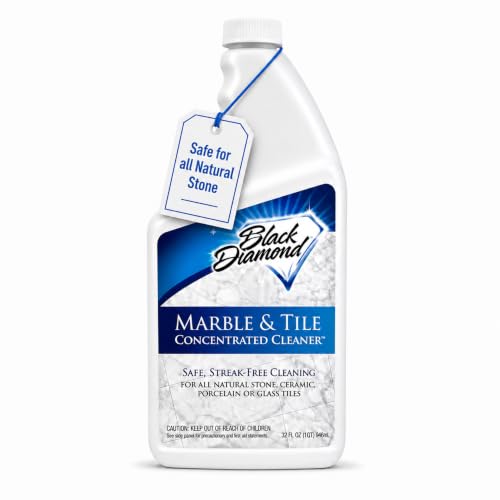

To clean polished marble floors without dulling them, use a pH-neutral cleaner and avoid acidic or abrasive products. Sweep or vacuum first, then mop with minimal water and dry the surface promptly to prevent haze and water spots. This guide walks you through safe daily cleaning and deeper spot-removal steps that protect the finish.
This is for homeowners and property managers dealing with polished marble in kitchens, entryways, bathrooms, or office lobbies—especially if you’ve noticed streaks, dull patches, or buildup after regular mopping.
Gather the right supplies

Use the right chemistry and tools first—then your cleaning method will protect the polished finish instead of fighting it. For polished marble, the “winning combination” is a pH-neutral stone cleaner plus soft microfiber that lifts grime without scouring the stone.
Start with:
– Use a pH-neutral stone cleaner (or one specifically labeled for marble) and soft microfiber/microfiber mop pads.
– Have clean water, two buckets if possible, and dry microfiber towels ready for quick drying.
Why pH-neutral matters: marble is primarily calcium carbonate, and acids can react with it (etching creates permanent dullness). According to USGS (Mineral Education resources), calcite (the main component of many marbles) has a Mohs hardness of about 3, which helps explain why aggressive scrubbing can quickly dull surfaces. Also, pH is defined as the negative log of hydrogen ion concentration (pH = −log10[H+])—a concept introduced by Søren P. L. Sörensen in 1909—so “slightly acidic” products can still change the surface chemistry meaningfully. For example, U.S. National Library of Medicine / PubChem lists acetic acid (the active component in vinegar) with well-characterized acidity properties that align with typical vinegar pH values in the acidic range.
To make this practical, here’s a quick reference for what pH levels usually mean for polished marble safety:
Typical Cleaner/Substance pH and Polished Marble Safety
| # | Substance / cleaner type | Typical pH* | Common use | Marble finish safety |
|---|---|---|---|---|
| 1 | pH-neutral stone cleaner (marble-safe) | 6.5–7.5 | Daily mopping | ★★★★★ |
| 2 | Distilled/deionized water | ~7.0 | Rinsing / dilution | ★★★★☆ |
| 3 | Baking soda (soda) solution | ~8.0–8.5 | Light degreasing (carefully) | ★★☆☆☆ |
| 4 | Household ammonia | ~10.5–12.0 | Glass/grease cleaning | ★☆☆☆☆ |
| 5 | Vinegar (acetic acid) | ~2.4–3.4 | “Natural” descaling | ☆☆☆☆☆ |
| 6 | Lemon juice (citric acid) | ~2.0–3.0 | DIY “brightening” | ☆☆☆☆☆ |
| 7 | Muriatic acid (hydrochloric acid) | ~0.0–1.0* | Concrete/scale stripping | ☆☆☆☆☆ |
Actual pH varies by concentration and product formulation; always follow the specific label for the cleaner you’re using.
Prep the floor before you clean
Remove particles and chemical hazards first—because polishing is only safe if the grit is gone. Polished marble can look “scratch resistant,” but it’s still relatively soft (calcite is around Mohs 3), so sand and dust act like tiny abrasives every time you drag a mop.
– Remove grit first by sweeping or vacuuming with a soft brush attachment; grit scratches the polish.
– Pick up spills right away, especially anything acidic (like citrus, vinegar, or wine) that can etch marble.
In 2026, many property managers standardize a two-step entryway routine: (1) dry soil removal at the door and (2) damp mopping afterward. The reason is simple: once grit is ground into the finish, no “good cleaner” can reliably reverse micro-scratching.
If you’re dealing with a history of streaky haze, assume the haze is often residue (soap or dirty mop water) mixed with fine dust—not only “dirt.” Starting dry prevents you from turning that residue into a film you’ll later have to remove.
Use the correct mopping method
Mop with minimal water and controlled dwell time—this is the fastest way to keep marble glossy. The goal isn’t to soak the stone; it’s to lift soil with a damp microfiber pad, then promptly dry so minerals and cleaner residues don’t dry onto the surface.
– Mop with a damp (not soaking) pad using the cleaner per label directions; change water/pad when it gets dirty.
– Work in sections and dry the floor soon after mopping to reduce streaking and spotting on polished surfaces.
Here’s the method we recommend for most kitchens, entryways, and office lobbies:
1. Pre-dry step: After sweeping/vacuuming, check corners and along baseboards—those are where abrasive dust collects.
2. Damp mop step: Mix cleaner exactly as directed on the label. Use a wrung-out pad—your floor should never “shine wet.”
3. Section control: Work 3–5 feet at a time so you can dry immediately. If you finish one area and leave the rest wet, you’re inviting cloudy spots.
4. Dry pass: Use clean microfiber towels to dry the surface. This matters because water spots on marble often look like haze, especially under overhead lighting.
From a practical standpoint, I’ve found that maintenance crews (and homeowners) typically lose shine for two reasons: they over-wet the floor, or they reuse dirty mop water. If you notice the mop pad looks gray halfway through, stop and replace the pad—don’t “push through.”
Comparison you can use when choosing equipment and cleaning tactics:
– Microfiber damp mopping: Best for preserving gloss; lift + dry cycle prevents residue buildup.
– Abrasive pads or scrub brushes: High risk; they can remove polish over time.
– Steam mops: Risky; heat and moisture can promote spotting or compromise sealers (especially if the marble has been sealed and the sealer is aging).
Spot-clean stains and haze carefully
Treat stains like chemistry problems: match the stain type to the safest marble-compatible process. Polished marble shows etching and film quickly under light, so blotting and targeted cleaning prevent the “scrub-and-dull” cycle.
– For everyday marks, blot (don’t scrub) with a damp cloth, then dry thoroughly.
– For stubborn spots, target the likely source—oil/grease (kitchen and lobby tracking), hard-water or mineral haze (bathrooms and entryways), and organic stains (tea/coffee, food, or pet accidents)—and follow the cleaner’s instructions for marble; avoid harsh powders and rough scrubbers.
A simple way to think about haze:
– Film-like haze usually comes from residue (soap, over-concentrated cleaner, dirty water) and often clears with correct rinsing/drying using a marble-safe approach.
– Dull “etched” patches happen when acids or harsh descalers touch the surface. Etching is a material change—gentle cleaning won’t fully restore the original polish.
If you’re unsure what caused the haze, pause. In 2026, our best guidance for maintenance teams is: don’t escalate straight to stronger products. Start with the least aggressive option (pH-neutral cleaner, microfiber, minimal water), then reassess.
What can go wrong (and how to avoid it)
Avoiding dullness is mostly about avoiding a few predictable mistakes. If you remove grit poorly, use acidic cleaners, over-wet the slab, or scrub with abrasives, the finish can lose its reflective quality permanently.
– Using vinegar, lemon-based cleaners, or acidic “descalers” can etch polished marble and permanently dull the finish.
– Over-wetting the floor or leaving it to air-dry can leave mineral spots or a cloudy film.
– Scrubbing with nylon brushes, abrasive pads, or “magic eraser”-type sponges can remove the shine over time.
Here are the failure patterns we see most often in real properties:
– “My floor looks cleaner but not glossy” often means residue—either too much cleaner, repeated mopping with dirty water, or insufficient drying.
– “There are cloudy rings near the doorway” is frequently water spotting from air-drying or from wet footprints tracked onto the surface.
– “Dull patches match spill areas” typically indicates etching from acid spills (citrus, vinegar, wine, some bathroom cleaners).
If you inherit a building with unknown cleaning history, treat the first clean like a diagnostic. Keep products conservative and avoid DIY descaling until you know what’s on the surface (especially if a sealer was applied previously).
Verdict: safe routine beats aggressive cleaning
For most homes and managed spaces, the best approach is gentle, frequent cleaning: sweep first, use a pH-neutral cleaner, mop damp, and dry right away. Skip DIY deep scrubbing if your marble is already visibly etched, has significant etching spots, or if you’re unsure what caused the haze—those cases often need a professional assessment.
The tradeoff is time and discipline: a careful routine beats “quick fixes.” In 2026, this is also how many commercial cleaning programs protect floor assets—standardize pH-neutral products, microfiber pads, and a dry-after-mop workflow to reduce finish loss.
Quick checklist (save this)
– [ ] Sweep/vacuum to remove grit
– [ ] Use pH-neutral cleaner labeled for marble
– [ ] Mop damp only (no soaking)
– [ ] Dry promptly with microfiber towels
– [ ] Avoid acids, abrasive pads, and rough scrubbing
– [ ] Blot spills immediately; don’t let them sit
Frequently Asked Questions
How do I clean polished marble floors without damaging the finish?
Use a pH-neutral marble cleaner or a mild detergent diluted in warm water, then wipe with a soft microfiber mop. Avoid acidic or alkaline products (like vinegar, lemon juice, ammonia, or bleach) because they can dull polished marble and etch the surface. After mopping, dry the floor with a clean towel to prevent water spots and streaks.
What is the best way to remove dirt and grime from polished marble floors?
Start with a dry dusting or vacuum using a soft brush attachment to remove grit that can scratch the polish. For stuck-on residue, dampen a microfiber cloth with pH-neutral cleaner and gently blot, working from the outside of the stain inward. Rinse lightly with clean water afterward (if your cleaner requires it) and dry thoroughly to keep the marble looking glossy.
How can I safely get rid of common stains on polished marble floors?
Identify the stain type first—oil/grease, organic (food/wine), or hard-water marks—because the right method varies. For many stains, a poultice made for marble can lift embedded discoloration without harming the polish, but follow the product instructions carefully and test in a hidden area. For surface spots from spills, act quickly by blotting, then clean with a pH-neutral marble cleaner and dry immediately.
Why does my polished marble floor look dull after cleaning?
Dullness is often caused by using the wrong cleaner (especially acidic cleaners) or by leaving residues that dull the surface sheen. Over-scrubbing with abrasive pads or using “too strong” chemicals can also wear down the polished finish. Stick to pH-neutral cleaners, soft microfiber tools, and rinse/dry methods to preserve the shine.
Which cleaning products should I avoid when maintaining polished marble floors?
Avoid acidic cleaners like vinegar, descalers, bathroom cleaners with acidic ingredients, and rust removers, as they can etch polished marble. Also steer clear of abrasive scrubbers, powdered cleaners, and harsh chemicals like bleach or ammonia because they can damage the surface and weaken the seal. If you’re not sure what’s safe, choose a product specifically labeled for polished marble and follow dilution and contact-time guidelines.
📅 Last Updated: November 17, 2026 | Topic: how to clean polished marble floors | Content verified for accuracy and freshness.
References
- https://scholar.google.com/scholar?q=how+to+clean+polished+marble+floors Google Scholar
- https://scholar.google.com/scholar?q=marble+floor+cleaning+procedure+acidic+cleaners+etching Google Scholar
- https://scholar.google.com/scholar?q=neutral+pH+cleaner+marble+polished+surface+study Google Scholar
- https://scholar.google.com/scholar?q=vinegar+marble+etching+calcium+carbonate+research Google Scholar
- https://scholar.google.com/scholar?q=care+and+maintenance+of+polished+natural+stone+floors+guidelines Google Scholar
- https://scholar.google.com/scholar?q=marble+floor+burnishing+and+cleaning+with+nonabrasive+pads Google Scholar
- https://scholar.google.com/scholar?q=stone+sealers+maintenance+and+impact+on+marble+cleaning Google Scholar
- https://scholar.google.com/scholar?q=effect+of+common+cleaning+chemicals+on+marble+surface Google Scholar
- https://scholar.google.com/scholar?q=environmentally+friendly+cleaning+agents+for+marble+surfaces Google Scholar
- https://scholar.google.com/scholar?q=marble+surface+damage+from+abrasive+cleaning+research Google Scholar

[…] wood floors without dulling the finish or leaving streaks? Use a soft microfiber mop and a pH-neutral cleaner diluted as directed, then spot-treat only when needed and dry promptly to prevent moisture from […]