

To clean your Sphynx cat’s ears safely, wipe the outer ear and the visible folds with a vet-approved ear cleaner and soft gauze or cotton pads. You can complete a careful session in about 5 minutes, and the process is usually straightforward with calm handling. Have the right cleaner, a few soft materials, and treats ready, and follow gentle motions—never insert anything deep into the ear canal.



Sphynx ears usually need gentle wipe-downs more often than you might expect—clean the visible outer folds using a vet-approved ear cleaner and soft gauze/cotton, without inserting anything deep into the canal. If you see pain, persistent redness, discharge, or a strong worsening odor, stop cleaning and contact your veterinarian first—repeated “cleaning through” can delay proper treatment.
Sphynx skin is hairless, so wax and oil can cling to the ear folds and build up faster than with many other cats. This guide shows you a safe method, what “normal” residue looks like, and how to recognize when the issue is more consistent with infection, mites, or dermatitis rather than routine cleanup—especially important as of 2026 when online advice can be overly aggressive.
If your Sphynx gets brown wax, oily buildup, or a stronger ear odor, this is for you. It’s also a good read if you’ve been unsure what tools to use or how to avoid accidentally pushing debris deeper.
Supplies and prep for cleaning sphynx ears

The simplest way to prevent injury is to prepare like you’re doing a quick, surface-level wipe—not an internal “scrub.” Start with vet-approved cleaner, soft materials for wiping, and a calm setup so you can stop immediately if your cat shows discomfort.
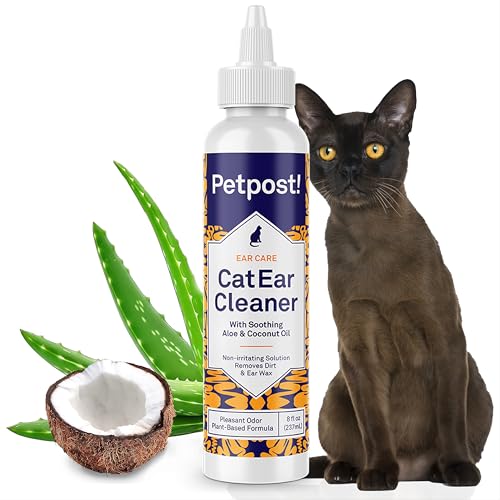
– Use a vet-approved ear cleaner (avoid alcohol/peroxide and random household substitutes). Alcohol and hydrogen peroxide can irritate sensitive ear skin and may worsen inflammation, especially in cats with compromised tissue.
– Plan for gentle handling: towel, soft gauze/cotton, and good lighting so you clean only what you can actually see.
– Have treats ready to reward calm behavior before you even start. In practice, this reduces struggling and lowers the risk of accidentally contacting the canal.
As background, feline ear disease is often multifactorial (wax + yeast + inflammation, or mites + secondary infection), so the goal of at-home cleaning is removal of loose debris from the outer areas—not “treating” everything by force.
Home Wipe-Down Safety by What You See (Sphynx Ears)
| # | What you notice | Best at-home action | Risk to clean at home | Next step |
|---|---|---|---|---|
| 1 | Small amount of light wax/residue in outer folds | Wipe visible outer folds only | ★ ★ ★ ★ ★ | Usually fine to clean |
| 2 | Dry, crumbly residue with no strong odor | Gentle wipe + stop if sensitive | ★ ★ ★ ★ ☆ | Try once; monitor |
| 3 | Oily film on folds (mild smell) | Short wipe; don’t overdo | ★ ★ ★ ☆ ☆ | Clean lightly, then reassess |
| 4 | Brown wax + noticeable odor | Wipe only outer visible debris | ★ ★ ☆ ☆ ☆ | Vet check if persists |
| 5 | Redness or swelling of outer ear skin | Stop cleaning; call vet | ★ ☆ ☆ ☆ ☆ | Vet first |
| 6 | Yellow/green discharge (wet crust or fluid) | No deep cleaning; schedule exam | ★ ☆ ☆ ☆ ☆ | Vet urgently |
| 7 | Frequent shaking/pawing + foul smell | Stop and get advice | ☆ ☆ ☆ ☆ ☆ | Vet guidance now |
Step-by-step how to clean sphynx ears
You can clean sphynx ears safely by focusing on the outer, visible parts and keeping sessions short. This approach reduces trauma and helps you avoid pushing wax deeper into the ear canal.
– Check first: Look for redness, swelling, discharge, or a bad smell—if you see these, cleaning may not be the right first step.
– Moisten, don’t force: Lightly dampen gauze/cotton with the cleaner, then wipe the outer ear folds and the visible ear entrance.
– Repeat carefully: Use fresh gauze as it picks up buildup; don’t insert anything deep into the ear canal.
– Finish with calm rewards: Keep it short, reward afterward, and let your cat settle.
What to do if you can’t clearly see the “mess”
If buildup sits behind an ear fold or you can’t visualize it, don’t “hunt” with cotton. Many cats have an ear canal that curves, and any blind insertion increases the risk of trauma—especially for hairless cats where skin changes can happen quickly.
In my own household workflow, I keep the goal to “outer wipe-down only,” and I stop at the first sign of flinching.
Why “outer only” matters for safety
Gentle wiping removes loose debris while minimizing contact with deeper structures. According to the Merck Veterinary Manual, ear disease can involve inflammation of the canal lining, meaning rough mechanical cleaning can worsen discomfort and slow healing (updated continuously online).
How to know what’s normal (and what isn’t)
You’ll usually be able to tell the difference by appearance and behavior: normal wax is minor and external, while abnormal signs include odor, discharge, and redness. If you see infection-like symptoms, cleaning becomes secondary to veterinary evaluation.
– Normal buildup often looks like waxy or dark residue in folds—especially in hairless cats.
– Not-normal signs include persistent head shaking, strong odor, discharge (especially yellow/green), or visible redness.
– If you’re unsure, . A quick exam can prevent repeated “cleaning through” an active problem.
Odor and oil: useful clues, not standalone diagnoses
Brown or oily residue can happen with normal ear secretions, diet-related skin changes, or environmental factors. However, a stronger smell plus irritation is a common pattern for yeast or bacterial overgrowth—problems that often require targeted treatment rather than extra wiping.
Also, ear mites (Otodectes cynotis) remain a frequent cause of ear irritation in cats. According to the Merck Veterinary Manual, Otodectes cynotis has a life cycle of about three weeks, which is one reason symptoms can persist or recur even if you clean once (updated continuously online).
How often to clean sphynx ears
You should set your cleaning frequency based on what your cat actually produces, not a fixed calendar. Many Sphynx owners clean on a routine schedule because wax can build up easily, but the right interval depends on odor, buildup speed, and skin sensitivity.
– Many Sphynx owners clean on a regular routine because wax can build up easily.
– Start by monitoring between cleanings and adjust based on how quickly residue returns.
– If you notice symptoms (odor, irritation, pain), don’t just increase cleaning—contact your vet to rule out infection or mites.
A practical monitoring method
To calibrate your routine in 2026, choose one consistent observation point (for example, every 3–7 days) and document:
– Ear fold appearance (light wax vs. dark brown residue)
– Odor strength (none/mild/noticeable)
– Comfort level during a gentle outer wipe (easy/uneasy/pain)
If your cat needs cleaning far more often than before, it’s often a sign of an underlying problem rather than “normal accumulation.”
What can go wrong (common mistakes and edge cases)
The biggest risks come from inserting materials too far, using irritating solutions, or continuing home care despite warning signs. When you correct those issues, at-home cleaning becomes much safer.
– Pushing debris deeper: Inserting cotton swabs/gauze into the ear canal can worsen irritation or compact wax.
– Using the wrong liquid: Some cleaners can sting or disrupt the ear environment—stick to vet-approved products.
– Ignoring warning signs: If there’s pain, bleeding, severe redness, or discharge, stop and get veterinary guidance instead of continuing at home.
– Over-cleaning: Frequent aggressive wiping can irritate the skin and make the ears produce even more buildup.
Pros and cons of DIY outer-ear cleaning
- Pros (when symptoms look mild)
- Removes loose external wax/oil, helps you observe changes sooner, and supports a consistent grooming routine without medication.
- Cons (when irritation is already present)
- You can aggravate inflamed canal lining, spread yeast/bacteria between areas, and delay the right treatment if the cause is infection or mites.
Edge cases worth extra caution
– Recent ear injury or unknown trauma: Don’t attempt deeper cleaning.
– New discharge after a “successful” wipe: This can indicate infection that cleaning hasn’t addressed.
– Multi-cat household with itching: Ear mites are contagious; veterinary diagnosis matters for everyone involved.
Verdict: when to clean at home—and when not to
Clean sphynx ears at home only when the issue looks like removable outer residue and your cat tolerates a gentle wipe. Skip DIY and call your vet when you see redness/swelling, pain, discharge, or a worsening foul smell—because that pattern often needs targeted treatment.
– Do it at home if your Sphynx is comfortable, the issue looks like removable outer wax, and the ear isn’t clearly inflamed or draining.
– Skip home cleaning and call your vet if you see redness/swelling, your cat seems painful, there’s discharge or a strong foul smell, or symptoms keep returning quickly.
– Downsides of DIY: you may irritate the ear if your technique is too forceful or if there’s an underlying infection that needs treatment.
If your cat repeatedly hates ear touch even during “outer only” wiping, that behavioral resistance itself is a safety signal. In 2026, the best next step is a short, clinic-based ear exam rather than escalating cleaning at home.
Frequently Asked Questions
What’s the safest way to clean Sphynx ears at home?
Start by using a veterinary-approved ear cleaner and only cleaning the visible outer ear. Gently hold your Sphynx’s head steady, then apply a small amount to a cotton ball or gauze—never push anything deep into the ear canal. Wipe away visible wax and debris, and stop if your cat seems painful, head-shaking, or overly sensitive. If there’s any strong odor, redness, or discharge, it’s better to contact your veterinarian before continuing.
How do I clean my Sphynx cat’s ears if they get waxy or oily?
Sphynx cats often produce more ear wax due to their skin’s oiliness and their distinct coat-less body type, so regular cleaning helps. Use a gentle ear-cleaning solution on cotton gauze to loosen and lift buildup, then wipe only what you can see near the entrance of the ear. For frequent buildup, increase consistency (for example, weekly at first) rather than scrubbing aggressively, which can irritate the ear. If the wax is dark, crumbly, or accompanied by odor, ask your vet about possible infection or ear mites.
Why do Sphynx ears need regular cleaning, and what are the signs of problems?
Regular cleaning helps remove excess ear wax and prevents irritation that can lead to inflammation or infection. Watch for common red flags like a foul smell, dark debris, wet or sticky discharge, redness, swelling, frequent scratching, and head shaking. If you notice any of these symptoms, don’t rely on home cleaning alone—ear infections and ear mites are common and require targeted treatment. A vet exam can confirm the cause and keep your Sphynx comfortable.
Best way to clean Sphynx ears with the least stress for my cat?
Choose a calm time when your Sphynx is relaxed, and gently introduce the ear-cleaning tools before you begin. Use small, steady motions and reward your cat with treats after each ear, keeping sessions short to reduce stress. If your cat resists, avoid forcing it; instead, pause and try again later or have a second person help keep your cat secure. Using proper ear-cleaning products and limiting cleaning to the visible area helps prevent pain and improves cooperation over time.
Which products should I use (and avoid) when cleaning Sphynx ears?
Use a cat-safe, vet-recommended ear cleaner designed for ear canals, and apply it with soft cotton balls or gauze—this helps control how much liquid and pressure you use. Avoid cotton swabs deep in the ear, hydrogen peroxide, alcohol, or harsh home remedies, which can irritate the skin and potentially worsen issues. If your Sphynx has a history of ear infections, your veterinarian may recommend a specific solution or medication, so follow their guidance for best results. When in doubt about what’s safe for your Sphynx, ask your vet which ear cleaner to buy.
📅 Last Updated: November 17, 2026 | Topic: how to clean sphynx ears | Content verified for accuracy and freshness.
References
- Sphynx cat
- Otitis externa
- Earwax
- cat otitis externa cerumen removal – Search Results – PubMed
- ear mites cats otologic cleaning – Search Results – PubMed
- https://scholar.google.com/scholar?q=cleaning+cat+ears+topical+ear+medications Google Scholar
- https://scholar.google.com/scholar?q=sphynx+cat+ear+cleaning Google Scholar
- https://scholar.google.com/scholar?q=hairless+cat+skin+grooming+ear+care Google Scholar

 -81%
 -73%
 -70%