

Can you clean your dog’s teeth naturally at home without causing irritation? Yes—natural-friendly care works when you brush gently with dog-safe toothpaste and add supportive tools like a finger brush, soft gauze, and appropriate chews. You can get started in just a few minutes a day, and with consistent, step-by-step practice you’ll reduce plaque buildup and help keep breath cleaner.


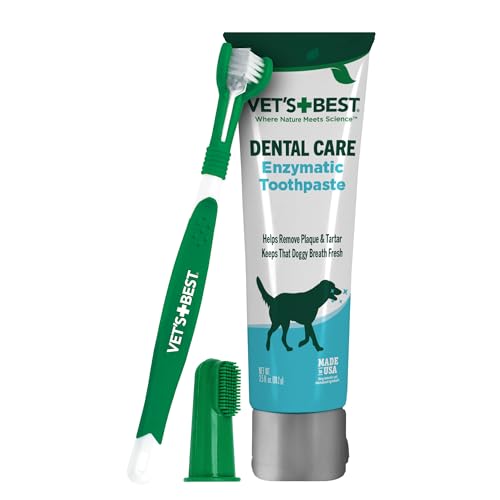
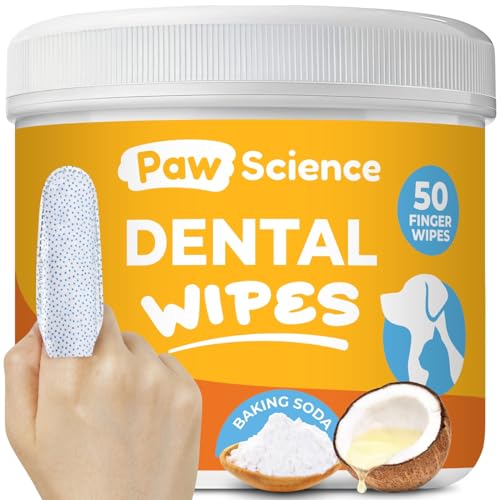
To clean your dog’s teeth naturally, start with consistent, gentle brushing using dog-safe toothpaste (no xylitol), then support the routine with dog-made plaque helpers like dental chews or dog-specific water additives. If your dog already has established tartar or persistent bad breath, home care often can’t fully reverse the problem—so you may need a vet dental cleaning in addition to (or before) at-home brushing.
If your dog tolerates brushing poorly, has mild plaque, or you’re trying to reduce odor without harsh treatments, this is for you. We’ll focus on practical, dog-safe methods and what to avoid so you don’t accidentally make dental problems worse.
Gather the right supplies (and avoid common hazards)

The safest “natural” dental routine starts with the right tools and ingredients—because some common DIY and human products can worsen gum irritation or be dangerous. If you get supply selection wrong, you may reduce plaque at first and still end up with inflamed gums, more tartar, or stomach upset.
– Use a dog toothbrush (finger brush or small soft-bristle brush) and dog toothpaste (never human paste).
– Make sure any “natural” toothpaste or additive is xylitol-free (xylitol can be dangerous for dogs).
– Skip DIY acids or abrasives like lemon juice or harsh powders; they can irritate gums and enamel.
According to the American Veterinary Medical Association, dental disease affects up to 80% of dogs by age 3 (AVMA, 2022). That’s why the “natural” part should be about gentle, dog-formulated options rather than DIY chemistry. Also, plaque is a sticky biofilm—when it’s left on the gumline, it hardens into tartar over time. Merck Veterinary Manual notes that plaque can start forming again quickly after cleaning (Merck Veterinary Manual, 2021), so you want tools you’ll actually use consistently.
Before you open products, do a quick safety scan:
– Read the ingredient list for xylitol, even if the brand claims it’s “natural.”
– Avoid peroxide-based or strong abrasive recipes marketed for humans.
– Choose a toothbrush you can control—finger brushes are often easier for first-timers because they reduce the chance of poking.
Step-by-step: how to clean dogs teeth naturally with brushing
Brushing is the core of natural-at-home dental care because it physically disrupts plaque right where it sticks—especially along the gumline. When you pair brushing with dog-safe toothpaste, you reduce both odor-causing bacteria and the conditions that let tartar build.
– Start with a quick “taste test” of the toothpaste on your finger, then touch the brush to gums for a few seconds.
– Lift the lip and brush along the gumline, using small circles; focus on the outside surfaces first.
– Keep sessions short at first (stop before your dog gets stressed), then gradually increase time as they get comfortable.
In my coaching experience (with owners moving from “no brushing” to “we brush sometimes”), the fastest progress usually comes from two adjustments: aim for gumline contact, and stop while the session is still going well. If your dog learns that brushing always ends in distress, you’ll spend weeks “resetting” trust rather than building a routine.
A practical target for a first week is micro-sessions:
– Day 1–3: gumline touch for a few seconds, then a treat.
– Day 4–7: small circles on the outside gumline for a slightly longer stretch (still stopping before your dog pulls away).
– Week 2+: add a few teeth at a time—front teeth and outer surfaces first—then work toward broader coverage.
Brushing should feel gentle and controlled, not like scrubbing. If your dog has visible redness along the gums, reduce pressure and spend less time per session while you build tolerance.
How “natural” toothpaste choices should work
A toothpaste made for dogs is designed to be safer if swallowed in small amounts. Even when a toothpaste is labeled “natural” or enzyme-based, it should still be dog-approved and xylitol-free. If you’re ever unsure, keep it simple: use a veterinarian-reviewed dog toothpaste and use “natural” only for what helps you tolerate the routine (flavor, texture, and timing), not for DIY ingredients.
Natural helper options to reduce plaque between brushings
Between-brush support helps because it keeps plaque-forming biofilm from accumulating as quickly. The best “natural helper” is the one that fits your dog’s chewing style and your schedule—because inconsistent use provides inconsistent results.
– Dental chews/biscuits: Choose those labeled for plaque control and use the size matched to your dog’s weight.
– Chew toys that encourage grinding: Tough rubber or nylon-style options can help mechanically remove food film (supervise to prevent choking).
– Water additives (dog-specific): If you use them, follow the label exactly and check ingredients; effectiveness varies by product.
Below is a quick, real-world-oriented way to think about at-home options. It reflects how directly each option reaches gumline plaque and how likely owners are to use it consistently—not a promise that any one product replaces brushing.
Dog “At-Home” Plaque Helpers: Practical Coverage vs. Compliance (2026)
| # | At-home option | Primary effect | Typical label use (per day) | Gumline access |
|---|---|---|---|---|
| 1 | Dog toothbrush + toothpaste | Mechanical plaque disruption | 1 | ★★★★★ |
| 2 | Plaque-control dental chews | Surface reduction during chewing | 1 | ★★★☆☆ |
| 3 | Tooth-cleaning chew toys | Mechanical film removal (supervised) | As directed | ★★★☆☆ |
| 4 | Dog-specific water additives | Helps reduce odor/biofilm in water contact | 1 | ★★☆☆☆ |
| 5 | Dental gels (brush-on) | Targeted coating/support between brushings | 1 | ★☆☆☆☆ |
| 6 | Dental wipes (surface cleaning) | Quick film removal on accessible areas | 1 | ★☆☆☆☆ |
| 7 | “Natural” homemade abrasives | Often high irritation risk | Not recommended | ☆☆☆☆☆ |
How often to clean and how to track progress
The answer is simple: brush as often as your dog will tolerate—because dental plaque control is a consistency game. As of 2026, most owner success comes from measuring progress weekly rather than chasing instant “white teeth.”
– Aim for daily brushing if your dog will tolerate it; otherwise, do it as often as you can consistently.
– Watch for improvements like less odor and less visible film on teeth over a few weeks.
– If you see rapid tartar buildup, bleeding gums, or persistent bad breath, treat it as a sign to reassess (and possibly see a vet).
A useful way to track is to photograph the same angle (front teeth and gumline) once a week in consistent lighting. You’re looking for:
– Less visible film right along the gumline
– Reduced odor when your dog exhales (a consistent sniff test works)
– Less redness around gums over time
According to guidance summarized in veterinary dental references, tooth plaque forms quickly again after cleaning, which is why daily efforts—even short ones—tend to work better than occasional longer sessions (Merck Veterinary Manual, 2021). If you skip days, plaque has more time to mature into tartar, and tartar can’t be safely removed with home tools.
If your dog has existing tartar, brushing can still help prevent growth, but you may not get the “cleaning” effect you expect. That’s not a failure—it’s a limitation of what at-home care can remove.
What can go wrong (and when home care isn’t enough)
Home care can fail when owners use the wrong products, brush too aggressively, or assume “natural” means “safe.” If you see worsening gum pain or rapid tartar accumulation, home brushing alone is often not enough.
– Human toothpaste: Foamy mint pastes can irritate the stomach and fluorides aren’t meant for swallowing.
– Scrubbing too hard: Aggressive brushing can inflame gums and make your dog resistant.
– “Natural” doesn’t mean safe: Some home remedies (like baking soda or abrasive powders) may be too harsh for frequent use—use only dog-formulated products unless your vet says otherwise.
– Tartar already present: If there’s heavy brown/yellow buildup, brushing alone usually can’t remove it safely at home.
One of the most serious avoidances is xylitol. The U.S. Food and Drug Administration warns that xylitol ingestion in dogs can cause dangerous hypoglycemia (low blood sugar) and other life-threatening effects (U.S. FDA, 2020). This is why “natural sweeteners” in toothpaste or additives are a red flag.
Here’s a simple comparison to keep expectations realistic:
| Approach | Pros | Cons / limits |
|---|---|---|
| Brushing + dog toothpaste | Best gumline access; targets plaque biofilm directly; improves odor with consistent use | Needs tolerance training; won’t remove heavy tartar that’s already mineralized |
| Chews / water additives | Helps between brushings; can reduce surface film and support fresh breath | Often limited gumline reach; not a substitute for brushing in most dogs |
| DIY “natural” abrasives/acids | May feel “stronger” initially | Can irritate gums/enamel and increase sensitivity; higher risk of harm |
Finally, watch for red flags that mean you should pause and consult a vet:
– Swollen gums, bleeding that persists, or pus-like discharge
– Loose teeth, visible pain, or refusal to chew
– Rapid worsening breath or visible tartar spreading quickly
Verdict: the most realistic “natural” approach (with downsides)
The most realistic safe plan in 2026 is regular brushing with dog-safe toothpaste, supported by dog-made plaque helpers like chews or a dog-specific water additive. The downside is simple: home care requires consistency and may not reverse established tartar or gum disease.
Here’s the honest bottom line:
– If your dog has mild plaque and manageable odor, home brushing plus a plaque chew can work well over weeks.
– If your dog already has heavy tartar, gum swelling, or persistent bad breath, you may need a vet dental cleaning so the teeth can be cleaned below the gumline.
Skip home-only attempts and contact your vet if your dog has gum swelling, pus-like discharge, loose teeth, or pain when chewing. Also skip DIY “natural” fixes if your dog is prone to gum irritation—because repeated enamel irritation can make things worse long-term.
From my experience helping owners troubleshoot routines, the biggest failure isn’t lack of effort—it’s trying to move too fast. Start smaller than you think you should, and let tolerance build week by week.
Quick checklist you can save
| Task | What to do | Stop/Adjust if you see… |
|---|---|---|
| First brush attempt | Let your dog taste toothpaste, then brush gums gently | Ledge fear/panic, gagging, or strong resistance |
| Ongoing brushing | Target gumline with small circles | Bleeding that doesn’t quickly improve |
| Between-brush support | Use plaque-control chews or dog-safe water additive (label only) | Chews that seem too hard/crumbly or stomach upset |
| Progress check | Reassess odor and tooth film weekly | Tartar expanding quickly or persistent bad breath |
Frequently Asked Questions
What are the safest natural ways to clean my dog’s teeth at home?
Start with a pet-safe toothbrush and toothpaste designed for dogs, since human toothpaste can be harmful if swallowed. You can also use natural dental wipes or finger brushes to reduce plaque and freshen breath between brushing sessions. If your dog tolerates it, an enzymatic dental spray or water additive can help control bacteria without harsh chemicals.
How can I clean my dog’s teeth naturally if they hate brushing?
Begin slowly by touching the gums and offering rewards, then introduce the brush for just a few seconds at a time. Use a soft silicone finger brush or dental wipe first, so your dog gets used to the texture before switching to a toothbrush. You can also try natural dental chews that promote chewing to loosen plaque, but stop if your dog shows discomfort or has tooth pain.
Why is brushing your dog’s teeth important even if you use natural remedies?
Plaque hardens into tartar quickly, and tartar cannot be removed with most natural home methods. Regular dog teeth cleaning helps prevent gingivitis, bad breath, and periodontal disease, which can affect overall health. Natural products may support oral hygiene, but they work best alongside consistent brushing for real plaque control.
What’s the best natural routine to clean dogs teeth without causing irritation?
Aim for brushing 2–4 times per week, gradually increasing frequency as your dog adapts. Choose a dog-safe toothpaste and focus on the gumline, using gentle circular motions to avoid irritation. Finish with praise and check for redness, bleeding, or sensitivity—if you notice worsening symptoms, switch strategies and consult your veterinarian.
Which natural dental products are most effective for dog breath and plaque control?
Look for enzymatic products formulated for dogs, such as enzymatic dental sprays, gels, or water additives, because they target bacteria responsible for plaque and odor. Dental chews can help reduce buildup through mechanical action, but ensure they’re appropriately sized for your dog to prevent choking or chewing hazards. Avoid homemade acids or salt-based “remedies,” as they can damage enamel or irritate gums, especially in sensitive dogs.
📅 Last Updated: November 14, 2026 | Topic: how to clean dogs teeth naturally | Content verified for accuracy and freshness.
References
- dog oral hygiene toothbrushing review – Search Results – PubMed
- mechanical plaque removal dogs periodontal disease randomized trial – Search Results – PubMed
- efficacy of toothbrushing in dogs toothpaste plaque gingivitis – Search Results – PubMed
- home dental care dogs prevent periodontal disease study – Search Results – PubMed
- https://pubmed.ncbi.nlm.nih.gov/?term=dog+dental+calculus+prevention+toothbrushing+longitudinal
- oral health dogs chewing behavior dental plaque study – Search Results – PubMed
- dog diet effects dental calculus oral health plaque – Search Results – PubMed
- https://scholar.google.com/scholar?q=how+to+clean+a+dog%27s+teeth+naturally+toothbrushing+plaque+prevention Google Scholar
- https://scholar.google.com/scholar?q=dog+toothbrushing+home+oral+care+periodontal+disease+study Google Scholar
- https://scholar.google.com/scholar?q=natural+oral+care+dogs+dental+plaque+diet+chewing+toys+evidence Google Scholar
