

Stainless steel tumbler lids and threaded caps often collect a slick film that makes drinks taste and smell unpleasant. Most people make it worse by scrubbing with abrasive pads or soaking parts that should stay dry. Use warm water, mild dish soap, a soft sponge, and a targeted deodorizing step when needed, and you can restore a clean, odor-free tumbler in about 10 minutes.



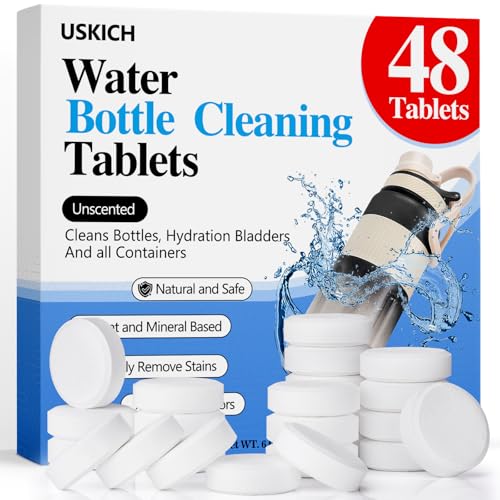
Clean a stainless steel tumbler by washing it with warm soapy water right after use, then using a targeted soak only when you’re dealing with odors, stains, or mineral cloudiness. For most everyday messes, a quick rinse plus mild detergent prevents residue buildup—while baking soda or vinegar-style soaks handle the specific problems that soap alone can’t fully solve.
If your stainless steel tumbler smells like coffee/tea, has cloudy mineral spots, or you’re dealing with stubborn drink residue, this guide is for you. It’s also a practical, low-risk routine to repeat without damaging the inside liner, lid seal, or straw parts—important because those components usually trap odor and moisture.
What to Do First (Quick Daily Clean)

A fast daily clean keeps a stainless steel tumbler from developing lingering tastes, sticky residue, and “set-in” stains. In other words: deal with the mess before it dries on the inside walls.
– Rinse immediately after use to prevent residue from drying.
– Wash with warm water and a small amount of dish soap; use a soft bottle brush for inside corners.
– Dry with the lid off (or open) to help stop odor buildup.
Why this works: Stainless steel stays relatively easy to clean because it forms a thin chromium-rich passive layer that resists corrosion, but residue doesn’t magically disappear once it dries. According to ASTM/industry descriptions of stainless steel composition, stainless steel is generally defined by having at least ~10.5% chromium, which supports that protective behavior (definitions vary by standard edition, but the threshold is widely used). (2019–2023 standard references) In daily use, soap removes oils and particulates; the real odor risk comes from trapped liquid in the lid gasket, straw channels, and small crevices.
Deep Clean for Stains and Cloudiness
If your stainless steel tumbler looks dull, stained, or “hazy,” you usually need a soak that addresses specific chemistry—grease vs. minerals. Use baking soda for general buildup and vinegar only when the issue is hard-water scale.
– For surface stains or “cloudy” mineral buildup, use a baking soda paste or baking soda-water soak, then scrub gently.
– If the issue looks like scale from hard water, a vinegar soak can help—follow up by rinsing thoroughly and drying.
– For stubborn spots, repeat the soak briefly rather than using harsh abrasives right away.
How to choose the right cleaner (quick decision):
Most “cloudiness” is either (1) mineral scale or (2) residue film. Mineral scale is common in harder water; according to the U.S. Environmental Protection Agency (EPA), water hardness is commonly categorized as soft (<60 mg/L as CaCO₃), moderately hard (60–120), hard (120–180), and very hard (>180) (2022). (U.S. EPA hardness guidance) If your home water tends toward hard, the cloudy look is more likely mineral deposits than leftover coffee oil.
Which agent does what? Here’s a practical comparison you can use on a stainless steel tumbler:
- Baking soda paste/soak
- Best for: odor-causing residue, light surface staining, and cloudy film that isn’t purely scale. Why: it’s mildly alkaline and helps lift grime without aggressive abrasion.
- Vinegar soak
- Best for: true mineral scale (lime/scale buildup) from hard water. Why: its acidity helps dissolve mineral deposits. Tradeoff: too-frequent soaking can stress seals and gaskets over time—especially on lids with elastomer components.
- Gentle scrubbing only
- Best for: maintaining the finish between deeper cleans. Why: it avoids scratching the stainless surface, which can make future residue harder to remove.
Cleaning Agents for Stainless Tumblers: Typical pH & Finish-Safety (2026)
| # | Cleaning agent | Typical pH (in-use) | Most effective problem | Finish-safety rating |
|---|---|---|---|---|
| 1 | Dish soap (neutral detergent) | ~7–9 | Everyday residue & light film | ★★★★☆ |
| 2 | Baking soda (sodium bicarbonate) | ~8.3 (aqueous) | Odors & general cloudy buildup | ★★★★★ |
| 3 | Oxygen cleaner (sodium percarbonate) | ~9–11 (solution) | Stains from beverage residue | ★★★★☆ |
| 4 | White vinegar (acetic acid ~5%) | ~2.4–3.0 | Hard-water scale | ★★★☆☆ |
| 5 | Citric acid (powder) | ~2–3 (typical kitchen strength) | Scale and light mineral haze | ★★★☆☆ |
| 6 | Hydrogen peroxide (3%) | ~4–5.5 | Light odor and spot deodorizing | ★★☆☆☆ |
| 7 | Abrasive pads / scouring powder | Varies (mechanical risk) | Avoid on stainless finish | ★☆☆☆☆ |
Notes: pH values are typical “in-use” ranges for common household forms; they can shift based on concentration and water chemistry. For a stainless steel tumbler, finish longevity is less about matching an exact pH and more about avoiding prolonged exposure and mechanical scratching.
How to Clean Odors (Coffee, Tea, and Sour Smells)
A stainless steel tumbler odor usually means residue is trapped in the lid area or has bonded to the interior film. The fastest fix is a normal wash followed by a dedicated soak targeting smells, then a thorough rinse and full dry.
– Wash normally first, then do a dedicated odor soak (commonly baking soda water works well for smells).
– Pay extra attention to the lid, gasket, straw, and any crevices where liquid traps.
– After soaking, scrub lightly and rinse until there’s no lingering scent.
Step-by-step odor plan (works well in 2026 routines):
1) Disassemble if possible: remove the lid pieces if your model supports it. Odors concentrate in the gasket and straw channels because those areas stay wet longer.
2) Soak choice: start with baking soda water. Baking soda’s mild alkalinity helps lift the film that holds onto coffee and tea compounds.
3) Time it, don’t marathon it: if the tumbler is badly sour, repeat a shorter soak rather than leaving aggressive solutions for hours.
4) Rinse until neutral-feeling: wipe a finger along the inside rim after rinsing—any slippery residue can re-cause odor.
5) Dry with airflow: lid off/open is essential; towel-drying alone often leaves moisture in seams.
If you want a single practical reminder: sour smells tend to be moisture + residue. As of 2026, the most reliable odor control still follows the same principle—remove residue, then eliminate trapped water.
Cleaning the Lid, Gasket, and Straw Parts
If your stainless steel tumbler still smells after cleaning the cup, the lid, gasket, and straw are usually the cause. Cleaning these components directly is the difference between “it smells better” and “it actually stays fresh.”
– Take the lid apart if it’s designed to be disassembled; clean small parts separately.
– Use a soft brush or cotton swab to reach gasket edges and straw channels.
– Dry completely before reassembling to reduce trapped moisture and odor.
What to watch for:
– Gasket folds: Even “food-safe” gaskets can trap oily residue and microfilm.
– Straw attachment points: These are often the first place sour smells return.
– Hidden crevices: If you can’t reach with a brush, a cotton swab and plenty of rinsing beats scraping.
Drying matters more than you think: A stainless tumbler lid often holds moisture even after you rinse, especially around the gasket. Leaving the lid open for a full dry cycle reduces microbial odor resurgence—especially when you use the tumbler daily.
What Can Go Wrong (Common Mistakes to Avoid)
The biggest risks with stainless steel tumbler cleaning are scratching the interior and overexposing non-metal parts (gaskets, liners, coatings). Avoid those mistakes and your tumbler’s “clean look” stays consistent.
– Don’t use steel wool, abrasive pads, or harsh cleaners that can scratch or dull the finish.
– Avoid leaving vinegar or strong solutions sitting too long without rinsing—mineral buildup may improve, but seals and coatings can be affected.
– Don’t assume “dishwasher safe” applies to every component; check the tumbler’s care instructions for lids/straps/gaskets.
Why these mistakes matter:
– Scratches create tiny grooves where residue sticks. Once that happens, coffee/tea staining comes back faster in the next cycle.
– Acidic soaks (like vinegar) dissolve scale but can also degrade elastomers over time if repeated too frequently or left too long.
– “Dishwasher safe” often refers to the body only. Lid gaskets and straw parts can warp, crack, or lose elasticity.
A practical mineral-science reminder for stainless steel tumbler care: hard water minerals become scale faster when water dries. If you live with harder water, rinsing immediately after use is not optional—it’s your first line of defense.
Verdict: Use This Routine—and Know When to Stop
The simplest, safest way to clean a stainless steel tumbler is warm soapy wash first, then targeted soaks only when stains, mineral cloudiness, or odors persist. This approach works because it matches the cleaning method to the problem—residue vs. scale vs. odor-trapping zones—without constantly stressing the lid seal.
Here’s why this method is the best balance for most users in 2026:
– Warm soapy water reliably handles everyday film and most beverage residue.
– Baking soda is a go-to for odor and general cloudiness that isn’t pure mineral scale.
– Vinegar (or citric acid) is best reserved for real hard-water buildup, followed by thorough rinsing and full drying.
Downsides to be honest about: soak-based methods take longer than a quick rinse, and frequent acid exposure can wear down gaskets or coatings on some lids. Also, if your stainless steel tumbler has a non-stainless liner, damaged seals, or manufacturer warnings against soaking, you should stop and follow the care label.
If you want a repeatable improvement loop, use a simple PDCA-style routine: Plan (choose soap vs. baking soda vs. vinegar), Do (clean and rinse thoroughly), Check (sniff for odor, look for haze), Adjust (shorten soaks or switch agents).
Skip vinegar or chemical soaks if your tumbler has non-stainless liners, damaged gaskets, or care instructions that explicitly warn against them—follow the manufacturer guidance first. If you’re unsure, start with the gentlest option (soap + soft brush) and only move to soaking when needed.
Stainless Steel Tumbler Cleaning Checklist (Quick Scan)
– [ ] Rinse right after drinking
– [ ] Wash with warm soapy water + soft brush
– [ ] Clean lid/gasket/straw separately
– [ ] Dry fully with lid off/open
– [ ] If cloudy/stained:
– [ ] If mineral scale:
– [ ] Avoid abrasives and harsh cleaners unless instructions allow
Frequently Asked Questions
How do I clean a stainless steel tumbler after drinking coffee or tea?
Rinse the tumbler right away with warm water to prevent stains and lingering odors. Use a bottle brush with warm, soapy water, then scrub the lid and the area around the straw opening or gasket if your tumbler has one. For stubborn coffee or tea stains, soak the tumbler for 30–60 minutes in a solution of warm water and baking soda, then rinse thoroughly. Dry completely to help prevent water spots and smells.
What’s the best way to deep clean a stainless steel tumbler with a bad odor?
Start by washing it with hot water and dish soap, making sure to reach the bottom and seams. If odors persist, soak the tumbler for 1–2 hours in a mixture of water and either baking soda or white vinegar (use vinegar only if the tumbler’s manufacturer doesn’t warn against it). After soaking, scrub again with a bottle brush, then rinse very well—especially around the lid and gasket. Let it air-dry fully to eliminate trapped moisture that causes lingering smells.
Which cleaner should I use for stainless steel tumblers—dish soap, vinegar, or baking soda?
For everyday cleaning, dish soap and warm water are usually the safest and most effective for removing residue. Vinegar works well for mineral buildup and light discoloration, but you should avoid it if your tumbler has components the manufacturer says to keep dry or sensitive coatings. Baking soda is great for neutralizing odors and lifting surface stains without harshness. When in doubt, check the care instructions that came with your specific stainless steel tumbler model.
How do I clean a stainless steel tumbler lid and gasket without damaging them?
Disassemble the lid if your tumbler allows it, so you can clean the gasket and internal parts properly. Wash each component with warm soapy water and use a small brush or cotton swab to scrub crevices where gunk collects. Rinse thoroughly and dry completely before reassembling to prevent mold or odor buildup. Avoid soaking electrical parts (for insulated models with electronics) or abrasive cleaners that can wear down rubber seals.
Why does my stainless steel tumbler get water spots, and how can I prevent them?
Water spots often form when minerals in hard water dry on the stainless steel surface. To prevent them, rinse after use, then dry the tumbler immediately with a soft microfiber cloth or towel. For existing spots, use a gentle stainless steel cleaner or a mild baking soda paste, then rinse and dry fully. Regular rinsing and quick drying are the easiest ways to keep your insulated stainless steel tumbler looking clean.
📅 Last Updated: November 17, 2026 | Topic: how to clean stainless steel tumbler | Content verified for accuracy and freshness.
References
- https://www.foodsafety.gov/food-safety-charts/sanitize-dishes
- https://www.epa.gov/coronavirus/cleaning-and-disinfecting
- Stainless steel
- https://www.hydroflask.com/pages/care-and-cleaning
- https://scholar.google.com/scholar?q=how+to+clean+stainless+steel+tumbler Google Scholar
- https://scholar.google.com/scholar?q=stainless+steel+cleaning+maintenance+food+contact+surfaces Google Scholar
- https://scholar.google.com/scholar?q=cleaning+and+safely+santizing+reusable+water+bottles+stainless+steel Google Scholar

 -73%
 -70%
 -66%