

A simple mahogany dining table cleaning checklist can help you remove dust, spills, and everyday grime without dulling the finish. You can complete the full routine in about 20–30 minutes, and it’s beginner-friendly as long as you use the right tools and avoid harsh cleaners. Gather a soft microfiber cloth, mild dish soap, distilled water, and a dedicated wood polish or conditioner, then follow the steps in order to protect the wood’s rich color.



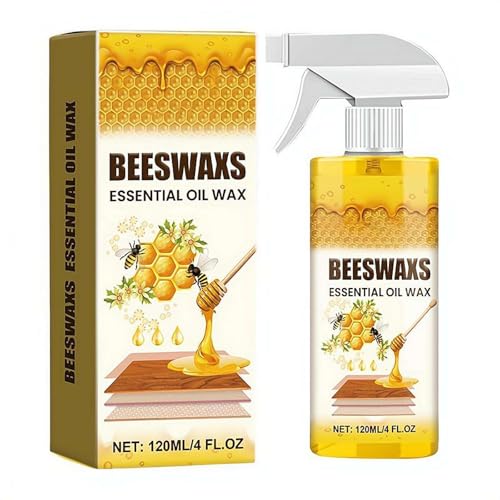
Clean your mahogany dining table by dusting first, then using a lightly damp wood-safe microfiber cloth—no soaking, and no harsh chemicals. This beginner-friendly checklist walks you through what to do (and what to skip) so the finish stays even and your table keeps its warm, rich tone.
If your table has a varnish/lacquer, oil finish, or wax finish, the approach is slightly different—this guide helps you choose the safest method. It’s best for anyone doing routine weekly cleaning or handling everyday spills without turning the process into a “refinish job.”
This is for first-timers and busy households: if you want to maintain a mahogany dining table’s sheen without guesswork, follow the steps below in order. It also works if you’re managing everyday wear—crumbs, dust, water spots, and sticky residues—while staying finish-safe.
Gather the right tools (before you start)

You’ll get the best results on a mahogany dining table when your tools prevent scratching and limit moisture. Start by assembling soft, finish-friendly items first; the cleaner’s safety matters, but technique and contact materials matter just as much.
Use these tools (they reduce risk):
– Soft microfiber cloth (or lint-free cloth): Microfiber lifts dust and residues without grinding them into the finish.
– Soft brush for grooves/carvings: A small, soft brush (like a natural bristle or gentle nylon detail brush) dislodges dust from legs, seams, and carved edges.
– Wood-safe cleaner that’s pH-neutral: Choose a cleaner designed for wood finishes rather than “all-purpose” degreasers.
– Distilled water if tap water leaves marks: Distilled water helps avoid mineral spotting on mahogany dining tables, especially in hard-water areas.
Skip these for a mahogany dining table:
– Abrasive pads (even “non-scratch” ones), steel wool, and gritty sponges.
– Strong solvents and caustic cleaners (ammonia, bleach, heavy degreasers).
– “More liquid” thinking—soaking is the fastest path to clouding and uneven dullness.
What “pH-neutral” means in practice
A pH-neutral cleaner typically targets the neutral zone (about pH 7), which helps reduce the chance of stripping or dulling common mahogany finishes. The goal isn’t to make every cleaner chemically harmless—it’s to minimize finish stress during routine care.
Cleaner Chemistry vs. Finish Risk for Mahogany (Beginner View)
| # | Cleaner type | Typical pH range | Finish-safe rating | Neutrality proximity |
|---|---|---|---|---|
| 1 | Distilled water (for light wipe only) | 5.5–7.0 | ★★★★☆ | 5.0 |
| 2 | pH-neutral wood cleaner | 6.0–8.0 | ★★★★★ | 5.0 |
| 3 | Mild dish soap solution | 7.0–9.0 | ★★★☆☆ | 3.5 |
| 4 | Vinegar (diluted acidic wipe) | 2.0–3.0 | ★☆☆☆☆ | 0.8 |
| 5 | Ammonia-based glass cleaner | 10.0–12.5 | ★☆☆☆☆ | 0.6 |
| 6 | Chlorine bleach solution | 11.0–13.5 | ☆☆☆☆☆ | 0.2 |
| 7 | Strong alkaline degreaser (TSP-type) | 12.0–14.0 | ★☆☆☆☆ | 0.3 |
Quick daily/weekly cleaning checklist
You keep a mahogany dining table looking consistent by doing three things every time: dust first, use minimal moisture, and dry immediately. This routine prevents grit from acting like sandpaper and helps avoid water rings and sheen changes.
Dust first: remove grit, don’t grind it in
Dust isn’t just “dirt”—it often includes fine sand-like particles that can dull the finish over time. For a mahogany dining table, wipe with the grain using a dry microfiber cloth. If your table has grooves, pedestal details, or carved legs, use a soft brush first and then follow with a cloth to pick up loosened dust.
In my experience maintaining wood furniture, the biggest quality difference comes from not skipping the dust step—especially on high-traffic dining surfaces where crumbs accumulate between cleanings.
Light clean: barely damp beats “wet”
For weekly cleaning, dampen your microfiber cloth with a wood-safe, pH-neutral cleaner or plain distilled water (if needed). Don’t pour cleaner onto the surface. Instead, wipe gently and evenly, working in overlapping strokes across sections so no area stays wet.
Dry immediately: prevent rings and blotches
After wiping, buff with a dry microfiber cloth right away. This step is what keeps water from evaporating in place (which can leave mineral deposits or finish clouding). If the finish looks slightly uneven after drying, stop there—don’t re-wet repeatedly. You can always do a targeted re-wipe once the surface is fully dry.
Deep clean (when it needs more than a wipe-down)
You should deep clean a mahogany dining table only when routine care isn’t removing visible residue. The safest method is still “minimal moisture,” but with extra passes using the mildest approach first.
Start mild, then step up only if necessary
Begin by re-wiping the surface with a barely damp microfiber cloth. If grime remains, use a small amount of a wood-safe cleaner designed for finished wood. Apply it to the cloth, not the table, and wipe in sections.
Work in sections so the finish never stays wet
Mahogany can be forgiving when treated gently, but finishes hate prolonged dampness. That matters because wood is hygroscopic (it absorbs and releases moisture). According to the U.S. Forest Products Laboratory’s Wood Handbook, wood behavior changes significantly as moisture content shifts, and fiber saturation occurs at roughly 30% moisture content—far beyond what a careful wipe-down delivers (U.S. Forest Products Laboratory, Wood Handbook (2010)). The risk on your table is the local effect of pooled moisture and uneven evaporation.
Dry fully and match the finish maintenance step
Once clean, dry completely with microfiber. If your table’s finish is designed for conditioning or polishing (common with some oil or wax systems), use only finish-compatible products. If your finish is sealed with varnish/lacquer, avoid over-conditioning—it can create sticky buildup or haze depending on formulation.
Spill cleanup without ruining the finish
You prevent lasting damage on a mahogany dining table by treating spills like an emergency: blot fast, don’t rub, and dry immediately. Rubbing spreads liquids and can drive residues into pores or under a finish layer.
Blot fast—lift, don’t spread
Use a clean cloth to blot. If you see a spill, stay calm and work from the outside edge toward the center. This technique limits how far the liquid travels across the mahogany dining table.
Use the gentlest method that works
If the spill mark remains, wipe with a lightly damp cloth (wood-safe cleaner on the cloth, if needed), then dry right away. Avoid scrubbing with pressure. On many mahogany dining table finishes, the “shiny vs dull” look you see later is often the result of uneven abrasion, not the original spill itself.
For sticky residue, test first
Sticky spots (syrup, soda, sugar) often need a slightly stronger clean than water alone. Use a very small amount of wood-safe cleaner and test in a hidden area first. If the finish looks unchanged after drying, continue carefully. If you see color lift, tackiness, or haze, stop and switch strategies for your finish type.
What can go wrong (and how to avoid it)
Most mahogany dining table damage comes from excess moisture, harsh chemicals, or aggressive scrubbing—not from ordinary cleaning. If you understand the failure modes, you’ll know exactly what to do differently next time.
– Too much moisture: Pooling water can cloud finishes and cause uneven dulling. As a reference point for why moisture swings matter, the Wood Handbook notes moisture equilibrium depends on environment; in indoor conditions, wood can settle around ~12% equilibrium moisture content at 70°F and 50% RH (U.S. Forest Products Laboratory, Wood Handbook (2010)).
– Wrong cleaner: Avoid ammonia, bleach, strong degreasers, and harsh solvents unless the finish is explicitly compatible.
– Over-scrubbing: Pressure and circular rubbing can create sheen differences. Those differences are hard to fix without refinishing because sheen depends on surface texture and finish integrity.
A quick pros/cons view: finish-safe cleaning approach
Use this when you’re deciding whether to “just use soap and water” or stick to a wood-safe method for your mahogany dining table.
- Stick to pH-neutral wood-safe cleaners + minimal moisture
-
- Pros: Lower risk of dulling, stripping, or haze; predictable routine.
- Cons: Might take an extra wipe pass for heavy residue (still safer than soaking).
- Use household cleaners for “tough grime”
-
- Pros: Can remove grease quickly.
- Cons: Higher chance of finish damage—especially on wax and oil systems; may require corrective refinishing.
Verdict: a simple, safe routine (and who should skip it)
This checklist is a solid default for beginners because it centers on low-risk actions: dust → minimal moisture → immediate drying, with wood-safe cleaning products. That approach reduces the two biggest failure drivers for a mahogany dining table: abrasion from grit and clouding from excess water.
However, skip “more cleaning” (and slow down your routine) if you see finish failure—flaking, peeling, widespread soft spots, or deep cracking. At that point, you may need a refinishing plan rather than incremental cleaning. If you’re unsure whether your mahogany table is waxed, oiled, or sealed,
Scan-and-save Mahogany Cleaning Checklist (Quick Table)
| Task | What to use | How to do it | Avoid |
|---|---|---|---|
| Dust | Dry microfiber/soft cloth | Wipe with the grain | Scrubbing grit |
| Routine clean | pH-neutral wood-safe cleaner (or damp cloth) | Slightly damp cloth, wipe in sections | Soaking, pouring liquid |
| Drying | Dry microfiber | Buff immediately | Leaving moisture to evaporate |
| Spills | Blotting cloth | Blot, then gentle wipe + dry | Rubbing while wet |
| Sticky residue | Minimal wood-safe cleaner | Test in hidden area first | Solvents/strong degreasers |
Frequently Asked Questions
What is the best way to clean a mahogany dining table without damaging the finish?
Start by dusting the surface with a soft microfiber cloth to remove crumbs and grit, which can cause scratches. Use a slightly damp cloth with mild, pH-neutral soap (or a dedicated wood cleaner) and wipe in the direction of the wood grain. Dry immediately with a clean cloth, since standing moisture can dull or stain mahogany. Avoid harsh chemicals, abrasive pads, and soaking the tabletop.
How do beginners follow a mahogany dining table cleaning checklist step-by-step?
Begin with a quick inspection for sticky spots, spills, or film, then dust thoroughly. Next, clean using gentle solutions: wipe with a damp cloth and mild soap, then rinse lightly with a clean water-dampened cloth if needed, and dry right away. For a maintenance step, apply a small amount of wood-safe polish or furniture conditioner after the table is completely dry, following the product directions. Finish by using coasters and placemats to reduce future buildup and recurring cleaning.
Why does mahogany furniture get dull or sticky after cleaning, and how can I prevent it?
Many dull or sticky finishes result from using too much cleaner, leaving residue, or using the wrong product (like all-purpose sprays or alcohol-based cleaners). To prevent this, use minimal cleaner, wipe evenly, and always dry the surface thoroughly. If residue builds up, do a careful “clean and reset” with a mild wood cleaner, then dry and lightly polish once the finish is back to normal. Consistent gentle care helps maintain the rich color of mahogany dining tables.
Which cleaning products are safest for a mahogany dining table—soap, polish, or oil?
Choose pH-neutral, wood-safe cleaners for everyday cleaning, and use polish or conditioner designed specifically for finished wood (not heavy oils meant for raw wood). Avoid abrasive cleaners, vinegar, ammonia, bleach, and degreasers unless the manufacturer explicitly approves them for your finish. If you’re unsure whether your table is varnished, lacquered, or oiled, test any product in a hidden area first. When in doubt, a microfiber cloth plus a mild cleaner is the safest baseline for mahogany dining table maintenance.
How should I remove common stains like water rings or food spills from a mahogany dining table?
For fresh spills, blot immediately with a dry cloth, then wipe with a damp microfiber cloth and mild soap, and dry right away. Water rings often improve by gently drying the area first and then using a wood-safe conditioner or polish; avoid aggressive scrubbing that can wear the finish. For tougher stains, use the least invasive approach—test a small amount of cleaner or conditioner in an inconspicuous spot before treating the full area. If the stain penetrated deeply, you may need refinishing, so consider contacting a professional wood restoration service.
📅 Last Updated: November 20, 2026 | Topic: Mahogany Dining Table Cleaning Checklist for Beginners | Content verified for accuracy and freshness.
References
- Mahogany
- Wood finishing
- Wood finishing
- Linseed oil
- https://cdc.gov/coronavirus/2019-ncov/community/disinfecting-building-facility.html
- https://www.epa.gov/coronavirus/how-clean-and-disinfect-your-home
- https://www.who.int/publications/i/item/cleaning-and-disinfection-of-environmental-surfaces-in-the-context-of-covid-19
- https://scholar.google.com/scholar?q=mahogany+wood+furniture+cleaning+care Google Scholar
- https://scholar.google.com/scholar?q=wood+furniture+cleaning+finish+care+oil+wax Google Scholar
- https://scholar.google.com/scholar?q=disinfecting+wood+surfaces+effective+cleaning+guidance Google Scholar
