

What’s the safest way to clean Silestone countertops and keep them looking like new? Use a pH-neutral cleaner and a soft microfiber cloth, working gently from the outside in—most routine cleanings take about 5 to 10 minutes. With the right supplies and by skipping abrasives and harsh acids, you can remove everyday marks without risking the surface.
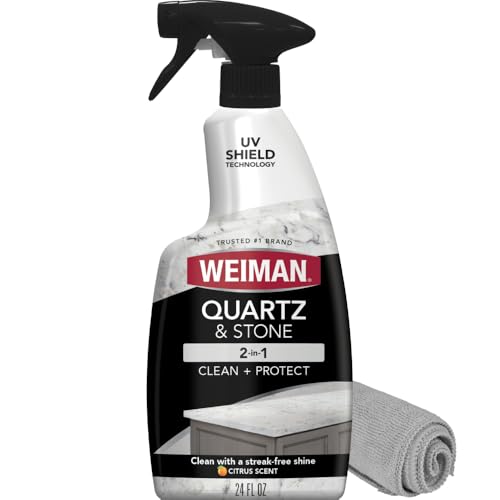



Silestone countertops clean best with warm water, a mild pH-neutral cleaner, and a soft microfiber cloth—skip anything acidic or abrasive. For everyday messes, spray lightly, wipe gently, then rinse and dry to prevent streaks and residue. Keep reading for the exact do’s/don’ts and what to do when stains or spills happen.
If you’re dealing with daily cooking splatters, hard-water marks, or occasional stains on Silestone (often used in kitchens and bathrooms), this guide is for you. It’s especially useful if you want to keep the surface looking polished without accidentally dulling it or worsening discoloration.
Start With the Right Cleaner (What’s Safe on Silestone)

The fastest way to avoid damaging Silestone is to use a cleaner designed for quartz/resin surfaces and to keep the chemistry mild. In practice, warm water plus a pH-neutral product (applied with a microfiber cloth) is the safest baseline for routine cleaning of Silestone countertops.
Before you start, use the label as your decision tool:
– Use a pH-neutral cleaner or mild soap with water; apply with a soft microfiber cloth.
– Avoid abrasive pads, powders, and harsh chemicals that can etch or dull the surface.
– If you’re unsure what you have is pH-neutral, check the label and look for directions for natural stone/quartz surfaces.
A key point with Silestone countertops is that “quartz” does not mean “immune” to chemical wear. Silestone is a quartz-based surface with a resin binder, so acids and rough scrubbing can change the surface finish over time—often showing up as haze, dull patches, or uneven sheen even when the countertop still looks clean.
Silestone-Care Chemistry: Cleaner Types vs. Quartz-Resin Surfaces
| # | Cleaner type (category) | Typical pH (approx.) | Best for | Silestone risk | Compatibility |
|---|---|---|---|---|---|
| 1 | Distilled/Deionized water | ~7.0 | Rinsing + light wipe-down | Minimal | ★★★★★ |
| 2 | pH-neutral dish soap (diluted) | ~7–9 | Everyday grease film | Low | ★★★★☆ |
| 3 | Commercial “quartz/stone-safe” cleaner | Formulated ~6–8 target | Full-surface cleaning | Low (when used as directed) | ★★★★☆ |
| 4 | Baking soda (paste, gentle) | ~8.3 (in water) | Light scrubbing needs (very sparingly) | Moderate (if used abrasively) | ★★★☆☆ |
| 5 | Ammonia-based glass cleaner | ~10–11 | Smudges (spot use) | Moderate (can be drying; rinse needed) | ★★☆☆☆ |
| 6 | Hydrogen peroxide (typical 3%) | ~3–4 (solution-dependent) | Disinfection (rare need on Silestone) | Moderate to High (test carefully) | ★☆☆☆☆ |
| 7 | Vinegar/citrus/rust removers | ~2–4 (acidic) | None for regular Silestone cleaning | High (etching risk) | ☆☆☆☆☆ |
How to Clean Silestone Day-to-Day (Step-by-Step)
Silestone day-to-day cleaning is straightforward: wipe, wash with warm water and pH-neutral cleaner, and dry immediately. This simple process prevents both residue buildup and water spotting—two of the most common reasons Silestone looks “less than new” after routine use.
Here’s the reliable method I recommend (and that I’ve seen work for many real kitchens and baths—especially where people initially try harsher cleaners):
– Wipe up spills first, then wash with warm water plus a small amount of mild cleaner.
– Use a damp cloth to remove residue, then rinse with clean water if your cleaner’s instructions recommend it.
– Dry with a microfiber cloth to reduce water spotting and streaks.
To make it practical, break it into micro-steps you can do in under 2–5 minutes:
1. Remove solids first: If you have crusted food or sugar, lift it gently with a plastic scraper (or a damp cloth) before wetting the area.
2. Clean lightly, don’t scrub: Silestone responds better to repeated gentle wipes than one aggressive pass with pressure.
3. Rinse only when needed: Some mild soaps leave surfactant residue. If your product instructions say to rinse, do it—especially around sinks and faucet edges.
4. Dry the surface: Microfiber drying is the finishing step that prevents haze and streaks, particularly with hard water.
According to the U.S. Environmental Protection Agency, hard water is often measured by mineral concentration (commonly reported as mg/L as calcium carbonate) and can form visible mineral deposits during drying EPA (hardness and mineral deposit guidance). In everyday kitchens, those deposits often look like faint rings or dull patches—so drying after cleaning is not just cosmetic; it’s protective.
As of 2025, most Silestone care guidance worldwide continues to emphasize pH-neutral cleaning and avoiding abrasive tools because Silestone’s polished appearance is surface-finish sensitive Cosentino, Silestone care and maintenance guidance (quartz surface cleaning).
Quick comparison: what to do vs. what to avoid
| Routine choice | Why it matters for Silestone | Pros | Cons |
|---|---|---|---|
| Warm water + pH-neutral cleaner | Matches quartz-resin chemistry; reduces haze | Safer long-term; works for grease film | Requires gentle wiping |
| “Power” scrubbing with abrasive cloths | Can create micro-scratches that dull shine | Can feel faster | Often leaves dull spots that are hard to reverse |
| Acidic “descalers” | Acid can etch the finish | Removes limescale quicker | Can permanently dull or unevenly change sheen |
Handling Stains and Tough Spots
Silestone stain removal works best when you move quickly and start with the mildest method that targets the stain. For most tough marks, prompt cleaning plus the correct approach beats aggressive scrubbing every time.
Use this stain-specific playbook:
– For food or grease: clean promptly with the mild cleaner method, repeating gentle wipes as needed.
– For stubborn marks: try a targeted approach with the mild cleaner first (no scrubbing pads).
– For discoloration from spills (like wine, juice, coffee): address it quickly and follow the cleaner’s stain directions; if you’re still seeing the mark, consider contacting the countertop installer/manufacturer guidance.
A practical “tough spot” workflow for Silestone countertops looks like this:
1. Blot, then clean: Don’t rub a fresh spill—blot it, then switch to gentle cleaning with warm water and a mild cleaner.
2. Let the cleaner dwell briefly (if instructions allow): Many pH-neutral cleaners need a short contact time. Follow the label rather than guessing.
3. Repeat, don’t grind: Two or three gentle passes are usually safer than one long session of pressure.
4. Avoid DIY acids for “stain chemistry”: Even if the stain seems mineral-like, acidic cleaners can attack the surface finish.
Why “fast + mild” matters: Household vinegar is typically around 4–6% acetic acid USDA FoodData Central (vinegar acetic acid content ranges). That acidity level is enough to create surface etching risks on stone-like finishes, especially when repeated.
If you’re dealing with a mark that looks like it’s “sunk” into the surface (not just sitting on top), cleaning alone may not fully restore the original sheen. In those cases, manufacturer-approved restoration guidance matters.
What Can Go Wrong (Common Mistakes to Avoid)
Silestone mistakes usually come from using the wrong chemistry or the wrong mechanical action. When people chase speed—especially with acidic products or abrasive tools—they often end up with permanent dull patches rather than a clean, uniform finish.
Avoid these common errors:
– Using acidic cleaners (vinegar, lemon-based cleaners, rust removers) can etch or damage the finish.
– Scrubbing with abrasive sponges, magic erasers, or powdered cleaners can leave dull spots or micro-scratches.
– Letting cleaner residue dry on the surface can cause haze or streaking—always wipe/rinse and dry.
Here’s what that “haze” typically looks like on Silestone countertops:
– A milky film after cleaning (often residue from soap, degreasers, or disinfectants)
– Uneven shine under angled light (micro-scratches from abrasives)
– Faint dull rings around the sink and faucet (hard-water deposits plus inconsistent drying)
From a homeowner-support perspective, the most preventable pattern I see is skipping the rinse/dry step. Even a correct pH-neutral cleaner can leave residue if it’s allowed to air-dry—especially in kitchens where steam and grease are present.
Also, be careful with “stain removers” that sound neutral but behave like acids in practice. Many rust removers, descalers, and “sparkle” bathroom sprays are designed for metals or tile grout, not resin-bonded quartz surfaces.
Verdict: Best Practice for Clean, Lasting Silestone
The best practice for Silestone countertops is simple: wipe spills quickly, clean with warm water and a mild pH-neutral product, rinse when appropriate, and dry with microfiber. This routine minimizes streaking, reduces residue buildup, and protects the surface finish without introducing chemical or mechanical damage.
That said, there are real limits. This approach won’t “undo” heavy etching from acidic exposure, and it may not fully fix discoloration if the mark has penetrated deeply or changed the surface finish. If you’re seeing cracking, deep etching, or persistent discoloration that doesn’t lift after gentle cleaning, skip DIY attempts and follow your countertop installer/manufacturer guidance—especially if warranty coverage may be affected.
In 2025-era kitchens and bathrooms, the most reliable path to long-term Silestone beauty is prevention: gentle cleaning habits today prevent the need for stronger (and riskier) treatments later Cosentino Silestone care and maintenance guidance.
Quick Checklist: Clean Silestone Without Damage
– ✅ Warm water + pH-neutral cleaner
– ✅ Soft microfiber cloth (no abrasives)
– ✅ Rinse (if cleaner instructions say to) and dry
– ❌ No acidic cleaners (vinegar/citrus/rust removers)
– ❌ No scrub pads/powders/abrasive sponges
– ❌ Don’t let residue air-dry on the surface
Frequently Asked Questions
What’s the best way to clean Silestone countertops daily?
For daily cleaning, wipe your Silestone surface with warm water and a soft microfiber cloth. If needed, use a pH-neutral stone cleaner or a gentle dish soap solution to remove everyday messes. Rinse with clean water and dry with a microfiber towel to prevent streaking and water spots. Avoid abrasive pads that can dull the finish over time.
How do I remove stains from Silestone countertops?
For most stains, start by blotting the area and then cleaning with a pH-neutral cleaner and soft cloth. For tougher discoloration, use a non-abrasive cleaner recommended for quartz surfaces and repeat as needed, rather than scrubbing aggressively. If the stain is oil-based, a mild degreaser designed for stone can help, followed by a thorough rinse and dry. To protect the surface, always test any cleaner in an inconspicuous spot first.
How do I clean dried or baked-on messes on Silestone?
Let the mess soften by placing a damp microfiber cloth on the area for several minutes before wiping. Then use warm water with a pH-neutral cleaner and gently loosen residue with a plastic scraper or non-scratch tool if necessary. Avoid metal blades or abrasive sponges that can scratch the countertop. Rinse thoroughly and dry to keep the Silestone looking smooth and uniform.
Why should I avoid harsh chemicals when cleaning Silestone countertops?
Silestone is a quartz surface, and strong chemicals can dull or damage the finish, especially acidic or abrasive products. Avoid cleaners containing bleach, ammonia, or strong acids unless the manufacturer specifically approves them for quartz. Also steer clear of scouring powders and harsh pads that can leave scratches. Using gentle, pH-neutral cleaners helps preserve the shine and long-term durability of your countertops.
Which cleaners are safe for Silestone countertops?
The safest option is a pH-neutral cleaner made for quartz or stone surfaces, used with a soft microfiber cloth. Mild dish soap diluted in warm water is often sufficient for routine cleaning. For disinfection, choose a cleaner that is safe for quartz and is non-acidic and non-abrasive, then rinse and dry after use. If you’re unsure, check the product label for quartz-safe guidance or confirm with your Silestone care instructions.
📅 Last Updated: November 23, 2026 | Topic: how do i clean silestone countertops | Content verified for accuracy and freshness.
References
- https://www.silestoneusa.com/care-and-maintenance/
- https://www.cosentino.com/us-en/silestone/care-and-maintenance/
- https://www.epa.gov/coronavirus/cleaning-and-disinfecting
- https://www.epa.gov/coronavirus/disinfecting-your-home
- https://www.cdc.gov/coronavirus/2019-ncov/community/disinfecting-building-facility.html
- https://www.cdc.gov/infectioncontrol/guidelines/environmental/index.html
- DSpace
- https://scholar.google.com/scholar?q=How+to+clean+Silestone+countertops Google Scholar
- https://scholar.google.com/scholar?q=Silestone+care+maintenance+cleaning+recommendations Google Scholar
- https://scholar.google.com/scholar?q=engineered+quartz+countertop+cleaning+recommendations Google Scholar

 -81%
 -73%
 -70%