

Concrete statues collect dust, grime, and weather stains that can make details look dull, and it is normal to feel annoyed when the usual wipe-down does not work. You can restore a cleaner surface in about 30 to 60 minutes with a soft-bristle brush, buckets of warm water, and a mild pH-neutral cleaner. We will walk you through safe rinsing, stain-targeting, and drying so the finish stays intact and looks its best.
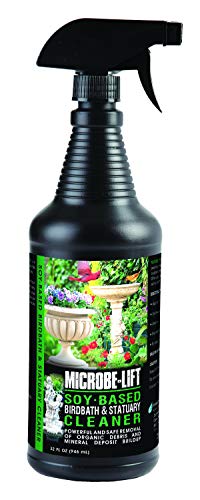

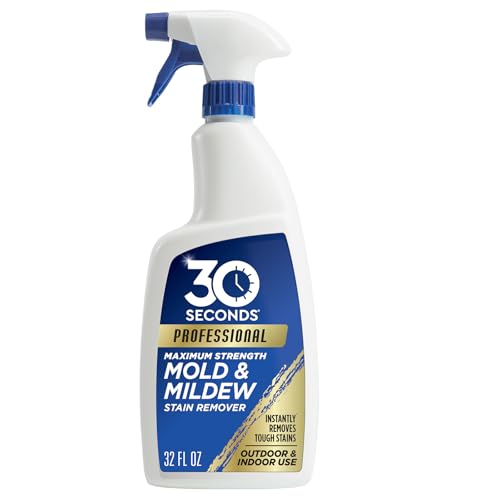

Concrete statues usually clean best with a gentle wash first, then targeted scrubbing for stains, and—if needed—a carefully controlled rinse of mild cleaner. Start by removing loose dirt and testing any cleaner in a hidden spot so you don’t damage the concrete surface or any finish. If the statue has weathered outdoors for years, that “lowest-risk first” sequence is often the difference between restoring the look and permanently dulling the surface.
If you’re dealing with weathered outdoor statues, indoor concrete ornaments with grime, or mineral buildup (like whitish deposits), this guide walks you through a safe, practical approach and what to watch for.
This is for homeowners, landscapers, and property managers who want concrete-safe cleaning steps they can repeat without turning maintenance into surface damage. It’s especially useful when you’re seeing mineral “efflorescence,” algae/moss staining, or oily smudges around raised details—areas where aggressive pressure or acids can cause lasting discoloration.
Gather Supplies and Identify the Stain

The fastest way to get a clean result without risk is to match your cleaner to the stain type. Start with basic tools for safe agitation, then decide whether you’re dealing with dirt, organic growth, grease, or mineral residue.
– Use a soft-bristle brush, bucket, clean water, mild dish soap or concrete-safe cleaner, and a garden hose or spray bottle.
– Figure out whether the problem is surface dirt, organic staining (green/brown), or white mineral residue before choosing your method.
– If the statue has any paint, sealant, or decorative finish, be extra cautious—some cleaners can strip or dull it.
Quick stain ID (so you pick the right approach):
– Surface dirt / dust: Typically dulls color evenly and wipes off with light pressure.
– Organic staining (green/brown): Often collects in shaded crevices and leaves a blotchy stain that returns if you don’t remove the biological film.
– Whitish deposits (efflorescence/mineral buildup): Looks powdery or crusty and usually comes from moisture moving through concrete and carrying dissolved minerals to the surface.
– Grease/oily marks: Leaves a slick feel or darker “greasy halo,” often near the base or where something touched the statue.
For chemical decisions, remember that concrete is alkaline. Fresh concrete commonly sits around pH 12–13. Portland Cement Association (2023). That matters because strong acids can neutralize the surface and change how minerals bind—especially on decorative pieces that may be sealed, painted, or trowel-finished.
Cleaner Types for Concrete Statues: Typical Use & Surface Safety
| # | Treatment | Main chemistry (category) | Typical working pH | Best for | Surface-safe score |
|---|---|---|---|---|---|
| 1 | Mild dish soap wash | Surfactants (detergent) | ~7–9 | Dust, light grime | 10 / 10 ★★★★★ |
| 2 | Oxygen bleach (non-chlorine) | Sodium percarbonate/peroxide system | ~9–10.5 | Organic discoloration | 8 / 10 ★★★★☆ |
| 3 | Enzyme cleaner | Protease/lipase (bio-based) | ~6–8 | Biofilm, mild stains | 7 / 10 ★★★★☆ |
| 4 | Concrete-safe degreaser | Surfactants + solvents (varies) | ~8–10 | Oily marks, footprints | 6 / 10 ★★★☆☆ |
| 5 | 3% hydrogen peroxide | Peroxide oxidizer | ~3–4 | Light organic staining | 5 / 10 ★★★☆☆ |
| 6 | Chlorine bleach (if allowed) | Sodium hypochlorite | ~11–13 | Persistent mildew | 3 / 10 ★★☆☆☆ |
| 7 | Acid-based descaler | Muriatic/phosphoric-type acids | ~1–2.5 | Hard mineral scale (use last) | 1 / 10 ★☆☆☆☆ |
Pre-Clean: Remove Loose Dirt Safely
The safest cleaning strategy is to start with a thorough rinse before adding any chemical. Loose grit acts like sandpaper—if you scrub it on day one, you can scratch micro-details and permanently dull the statue.
– Rinse thoroughly with low-to-moderate water pressure to wash away grit that can scratch the surface.
– Brush dry or slightly damp areas first, then rinse again to prevent grinding dirt into the concrete.
– Avoid pressure washing on high settings if you’re unsure—concrete can erode at the surface over time.
If you’re using a hose or spray bottle, think in terms of control, not force. In my own maintenance planning for outdoor hardscapes, the biggest “oops” I’ve seen isn’t chemistry—it’s people starting with high pressure before the surface is clean enough to judge what they’re actually removing.
Two practical habits help:
1. Rinse → brush → rinse. The first rinse removes loose particles; brushing dislodges remaining dry debris; the final rinse carries it away.
2. Keep the stream moving. Concentrating water in one spot can erode details faster than you expect, especially on sharp edges and worn corners.
Also, water management matters for property operations: pressure washers can use significant water. According to EPA WaterSense (2024), WaterSense-labeled pressure washers are limited to a flow rate of 2.5 gallons per minute or less, which is one reason “gentle rinse with a hose” can be the more responsible choice for routine cleaning.
Deep Clean: Scrub with Mild Cleaner
The best next step after rinsing is a mild soap-and-water scrub focused on stained sections. This method removes most grime without the risks of etching, discoloration, or finish stripping.
– Mix mild dish soap in water and apply to stained areas with a brush, working in small sections.
– Let the solution sit briefly (just long enough to loosen grime), then scrub and rinse.
– For tougher grime, use a concrete-safe cleaner per the label instructions and test first in an inconspicuous area.
Work in small zones so the cleaner doesn’t dry in place. In business terms, it’s the same principle as “control the dwell time”: you want enough contact to lift soil, but not long enough to create streaks or uneven lightening.
What I recommend (process order):
1. Pre-wet the area lightly (or use a spray bottle) so the concrete doesn’t instantly absorb concentrated cleaner.
2. Apply soap solution with a soft-bristle brush and scrub using circular or gentle back-and-forth motions.
3. Wait briefly, then rinse. If you see improvement but not full removal, repeat once rather than jumping to harsher chemicals.
If you do use a specialized cleaner, confirm it’s appropriate for concrete and compatible with any coating. A key caution: some “mildew removers” are formulated with chlorine or oxidizers that can change color, especially on porous surfaces or pre-sealed statues.
Handle Tough Spots (Moss, Mold, and Grease)
For tough spots, you need targeted chemistry and careful rinsing—not more pressure. The goal is to remove the cause (organic growth or oil) so the stain doesn’t come back as soon as the statue dries.
– For moss or organic growth, use a targeted cleaner appropriate for exterior growth and scrub gently; don’t keep re-wetting the same spot without cleaning.
– For grease or oily marks, use a degreaser labeled safe for concrete and follow directions closely.
– Always rinse well after treatment so residue doesn’t keep attracting dirt.
Moss and mold (organic staining)
Organic growth often forms a thin living film in shaded areas. According to CDC (2024), household bleach products commonly contain about 5–6% sodium hypochlorite; that concentration can be effective for sanitation but harsh for many decorative finishes and can contribute to uneven discoloration if you’re not rinsing and neutralizing properly afterward.
That’s why, in most situations, oxygen-based cleaners or dedicated exterior growth removers are the better first escalation before you consider chlorine bleach.
Grease and oily marks
Grease doesn’t respond to water alone because it repels moisture. A concrete-safe degreaser works because it breaks down oily films so you can scrub them away. Apply, respect the label dwell time, scrub gently, and rinse until the runoff looks clear.
Pros/cons comparison (fast decision support):
| Cleaning target | Best-first approach | Pros | Cons / risk |
|---|---|---|---|
| Surface dirt | Mild dish soap + brush | Lowest risk; easy repeat cleaning | Won’t remove deep mineral staining |
| Green/brown organic stains | Oxygen-based cleaner or exterior growth remover | Lifts biofilm; typically gentler than acids | May require repeat treatment in heavy shade |
| Oily marks | Concrete-safe degreaser | Targets fats/oils directly | Can leave streaks if not fully rinsed |
| Whitish mineral buildup | Controlled mineral removal (descale) only if needed | Can improve efflorescence/scaling | Higher risk of dulling; confirm finish is unsealed/compatible |
| Rust-like staining | Concrete-safe rust remover (per label) | Better match for iron stains | Some products are acidic—test first |
What Can Go Wrong (Common Mistakes and Limits)
Even with good products, the wrong technique can create new discoloration. Most cleaning failures come from skipping a spot test, using acids too aggressively, or applying water pressure that damages decorative edges.
– Skipping a spot test: some cleaners can lighten, etch, or leave uneven streaks on concrete.
– Using harsh chemicals or acids too aggressively: they can damage the concrete surface and worsen discoloration.
– Overusing high pressure: pressure washers can chip edges, roughen details, or accelerate wear.
– Cleaning too frequently: repeated scrubbing can gradually dull a statue’s surface finish.
– Sealed/painted statues: the “best” cleaner for bare concrete may remove coating—proceed cautiously or consider consulting the product/material guidance you have.
Two limits worth respecting:
1. Efflorescence isn’t always a “surface dirt” problem. If moisture is still migrating through the statue (from the base, planter water, or constant outdoor humidity), the whitish layer may return even after cleaning.
2. Sealed or painted statues aren’t “bare concrete.” If the statue has a coating you want to keep, the safest path is to use the gentlest method that achieves improvement and to avoid chemistry that can strip film finishes.
Verdict: A Safe Cleaning Order (and Who Should Skip It)
Start with rinsing and mild soap scrubbing, then move up only if stains remain. This approach is usually the lowest-risk way to clean concrete statues without turning cleaning into permanent damage.
Skip DIY cleaning (or get professional advice) if the statue is cracked/crumbly, heavily layered with paint/sealant you can’t identify, or you’re seeing structural deterioration—not just surface staining. In those cases, the “clean” you do today can become the “repair” you need tomorrow.
If you follow the sequence—rinse → gentle scrub → targeted treatment with appropriate products—you also preserve the statue’s visual texture. Keep in mind that concrete texture (especially on troweled or hand-finished surfaces) can look subtly different after strong chemicals, even if it seems “clean.”
Quick Checklist (Save This)
– [ ] Rinse to remove loose dirt (low-to-moderate pressure)
– [ ] Spot test cleaner in a hidden area
– [ ] Scrub with mild soap + water
– [ ] Rinse thoroughly after scrubbing
– [ ] Treat moss/mold/grease only with concrete-appropriate products
– [ ] Avoid harsh chemicals and high-pressure rinsing
– [ ] Let it dry fully before judging results
Frequently Asked Questions
What’s the best way to clean concrete statues without damaging the surface?
Start by dry brushing loose dirt and debris, then rinse with a garden hose on a low-to-medium setting to avoid driving grime deeper into the pores. Use a pH-neutral cleaner or a mild detergent solution first, applied with a soft-bristle brush and gentle scrubbing. Avoid harsh acids and high-pressure blasting, because concrete textures and paint or sealants can be damaged by aggressive cleaning.
How do I remove algae, mold, or mildew from an outdoor concrete statue?
For algae and mildew, use an appropriate outdoor cleaner such as a diluted oxygen bleach (not chlorine bleach for most finishes) and scrub the affected areas with a stiff-but-safe nylon brush. Let the solution dwell for 10–20 minutes so it can lift stains, then rinse thoroughly with clean water. Repeat only if needed, and always test a small inconspicuous area first to ensure the cleaner doesn’t discolor the concrete.
How do I clean concrete statues with stubborn stains like rust or hard water marks?
Identify the stain type before choosing a cleaner: rust often needs a dedicated rust remover designed for masonry, while hard water/mineral deposits respond to mineral-deposit removers made for stone and concrete. Apply the product according to the label, scrub lightly with a brush, and rinse well after the recommended dwell time. If you’re unsure, begin with the least aggressive option (mild detergent and water) and increase strength gradually to protect the concrete surface.
Which cleaning method should I use for painted or sealed concrete statues?
If the statue is painted or sealed, avoid abrasive pads, strong chemicals, and power washing that can lift coatings. Use mild soap and water with a soft brush, and if needed, a cleaner formulated to be safe for painted masonry. After cleaning, let the statue fully dry and consider re-sealing with a compatible masonry sealer to restore protection and make future concrete statue cleaning easier.
Why should I avoid pressure washers when cleaning concrete statues, and what should I do instead?
Pressure washers can erode the surface of concrete, break down sealants, and force dirt deeper into the pores, leading to faster re-soiling. Instead, use a garden hose rinse, then clean with a brush and appropriate masonry-safe cleaner for concrete statues. For textured details, rely on gentle scrubbing and careful rinsing so the statue’s carved features stay crisp.
📅 Last Updated: November 23, 2026 | Topic: how do i clean concrete statues | Content verified for accuracy and freshness.
References
- https://www.nps.gov/subjects/historicpreservation/upload/Preservation-Brief-1.pdf
- https://www.nps.gov/subjects/historicpreservation/upload/Preservation-Brief-6.pdf
- https://www.nps.gov/subjects/historicpreservation/upload/Preservation-Brief-15.pdf
- https://www.nps.gov/subjects/historicpreservation/upload/Preservation-Brief-2.pdf
- Mold | US EPA
- https://www.cdc.gov/mold/default.htm
- Mold – Overview | Occupational Safety and Health Administration
- https://scholar.google.com/scholar?q=cleaning+concrete+statues Google Scholar
- https://scholar.google.com/scholar?q=cleaning+historic+masonry+preservation+abrasive+methods Google Scholar
- https://scholar.google.com/scholar?q=cleaning+concrete+efflorescence+algae+mold+outdoor+surfaces Google Scholar
