

To clean a jute rug stain, you need to act gently and blot, not scrub, then use the right mild cleaner for the type of spill. With a few supplies—clean white cloths, cool water, a mild detergent (or a vinegar-water mix for some stains), and a fan or dry area—you can usually improve the stain in about 30–60 minutes. Follow the step-by-step process to lift residue without damaging the natural fibers.
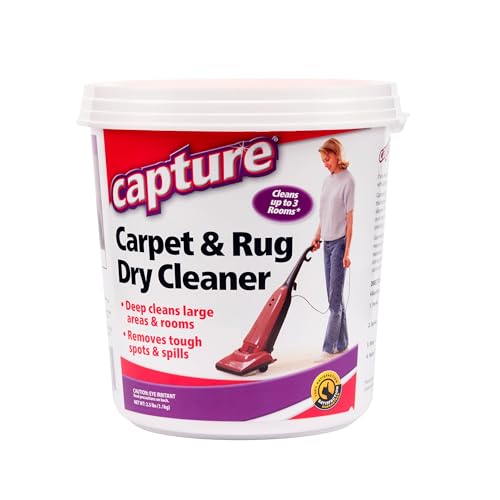


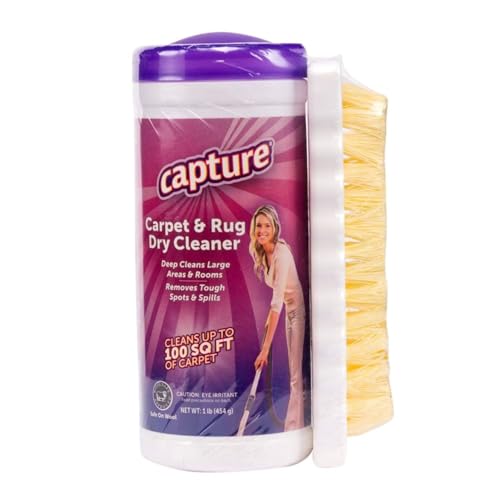
Blot up the stain first, then spot-clean with as little water as possible—jute doesn’t like soaking. Use a mild solution on a clean cloth, dab instead of rubbing, and dry the area thoroughly to prevent rings and lingering odor. This guide walks you through safe dry-first steps and what to do when the stain is already set.
If you’re dealing with a fresh spill or an older mark on a natural-fiber jute rug, the goal is the same: lift the stain without saturating the fibers or backing. These steps work best for everyday stains (food, dirt, muddy footprints), while some stain types may require stopping early and calling in help. As of 2026, this “dry-first + minimal moisture” approach remains the safest standard because jute can hold water and take time to release it fully.
Who This Is For (and When It Applies)

This is for anyone cleaning a jute rug in a home or office who wants practical, low-risk steps that reduce the chances of discoloration, stiff fibers, or moldy smell. It also applies to both small spots (like a drink ring) and larger tracking stains—especially when you’re trying to avoid replacing a rug due to damage from over-washing.
Act Fast: Blot First, Don’t Soak
Blotting immediately is the best way to prevent a jute rug stain from spreading deeper into the fibers. If you act in the first minutes, you can often remove a large portion of the stain before it migrates downward toward the backing.
– Use white paper towels or a clean white cloth to blot—press gently to pull moisture out.
– Avoid rubbing; jute fibers can fuzz and the stain can spread.
– If there’s solid debris (mud, crumbs), let it dry first, then scrape lightly before cleaning.
– Work from the outside edge toward the center so you don’t widen the stain footprint.
Why blotting works on jute: jute (a plant-based bast fiber) is more forgiving of gentle lift than of soaking, because too much water can carry stain pigments farther into the rug’s structure. As I’ve seen on real-life household jute rugs, even “just a little” rubbing tends to feather the area and makes later spot-cleaning harder.
Supplies to Clean a Jute Rug Stain Safely
The safest way to clean a jute rug stain is to use simple, mild tools and test first. You’re trying to control moisture and solution contact, not force-clean the stain.
– Gather white towels/paper towels, a spray bottle or small bowl, mild dish soap, and cool water.
– Use a soft-bristle brush (or an old toothbrush) for gentle fiber lift once the stain begins to release.
– Test your cleaner on an out-of-the-way corner first to check for color change.
– Have a fan or access to airflow ready before you start—drying is part of cleaning, not an afterthought.
Cleaner-suitability quick view (what usually stays “jute-friendly”)
Below is a practical reference for common household options and how cautious you should be. (Ratings are guidance only; always test a hidden spot first.)
Jute Rug Spot-Clean Options: Relative Fiber Risk (Practical Guidance)
| # | Cleaner option | Typical formulation | Main risk on jute | Compatibility |
|---|---|---|---|---|
| 1 | Cool water (damp-cloth method) | ~15–25°C guidance | Ring risk if moisture spreads | ★★★★★ |
| 2 | Mild dish soap + cool water | Few drops per cup | Residue if overused | ★★★★☆ |
| 3 | Baking soda (dry absorbent) | Powdered | Dust if not vacuumed fully | ★★★☆☆ |
| 4 | White vinegar (spot test only) | ~5% acetic acid | Acidity can affect natural fibers | ★☆☆☆☆ |
| 5 | Hydrogen peroxide (low concentration) | Commonly 3% | Can lighten dyes/causes uneven tone | ★★☆☆☆ |
| 6 | Oxygen bleach (powder/liquid) | Sodium percarbonate-based | Can alter color with dwell time | ★★☆☆☆ |
| 7 | Chlorine bleach | Sodium hypochlorite | High discoloration/wear risk | ★☆☆☆☆ |
Dry Cleaning Steps for Fresh Stains
Dry-first is the fastest way to reduce staining on a jute rug without spreading pigment. As of 2026, this is still the recommended workflow because it limits liquid contact and helps the stain release gradually.
– For wet spills: blot repeatedly until you’re not picking up color/moisture anymore.
– For dirt/mud: let it fully dry, scrape, then vacuum gently once loose particles are removed.
– For oily or tacky spots: apply a light amount of dry absorbent (like baking soda/cornstarch), leave briefly, then vacuum carefully—don’t scrub while it’s damp.
– If you can’t identify the stain type yet (kids + mixed spills are common), start with the same safe sequence: blot → dry/absorb → vacuum.
What “vacuum gently” actually means for jute
Use low suction and avoid aggressive edge attachments. Jute can snag and fuzz, and the backing (often jute cloth or latex compounds depending on construction) may pull if you yank or over-vacuum while fibers are still slightly damp.
Spot-Clean With Minimal Water for Set Stains
Minimal-water spot-cleaning gives you the best chance at lifting a set jute rug stain without creating a visible ring. The key is to dampen the cloth—never pour liquid onto the rug.
– Mix a small amount of mild dish soap with cool water (you want a gentle, not soapy-wet solution).
– Dampen a cloth (not the rug), dab the stained area, then blot; repeat until the cloth shows less transfer.
– Keep work localized—don’t pour cleaner onto the rug, and avoid saturating the backing.
A method that prevents “double damage”
Here’s the workflow that tends to work best on jute: controlled application → immediate blotting → reassess. If you see the stain transferring to your cloth, you’re close; if you see no transfer, stop spending time—overworking jute fibers can make the texture permanently uneven.
| Stage | What you do | Why it matters for jute |
|---|---|---|
| 1 | Dab the cloth lightly (cloth damp, not dripping) | Limits liquid travel into the rug |
| 2 | Blot, don’t scrub | Reduces fuzzing and pigment spread |
| 3 | Re-dampen the cloth as needed | Prevents smearing and residue buildup |
| 4 | Stop when transfer stops | Avoids widening the stain area |
When you should switch tactics early
If you’re treating a set stain and you’ve worked patiently without progress after a few localized cycles, that’s a signal to stop. With dye-heavy stains, ink-like stains, and many blood/biological stains, continued dab-and-blot attempts can lock the mark in place while still failing to remove it.
Drying & Removing Rings From Jute
Thorough drying is what prevents lingering odor and ring marks on a jute rug. If any moisture remains, jute can stiffen and develop a faint damp smell—even if the visible stain looks better.
– Blot again after spot-cleaning to remove any surface moisture.
– Dry with airflow: fan or open window, and keep it out of direct harsh sun/heat that can warp natural fibers.
– Once fully dry, lightly brush the fibers in one direction to restore texture and reduce “matting.”
– Don’t lift the rug or flip it repeatedly while it’s still damp; airflow works best when moisture can evaporate steadily.
Why odor is a moisture problem, not just a smell problem
Mold risk is tied to how long moisture stays. According to the U.S. Environmental Protection Agency, mold can begin growing on surfaces in as little as 24–48 hours after water exposure (EPA, Mold and Moisture Resources). That’s why drying speed matters for any jute rug spot that feels “cool” or damp underneath. As of 2026, indoor humidity guidance remains consistent: keeping indoor relative humidity below ~60% helps reduce mold support (CDC, Dampness and Mold).
What Can Go Wrong (and When to Stop)
Avoiding the wrong techniques prevents the two most common failures: permanent discoloration and mildew-like odor. When you notice any of the red flags below, it’s time to pause DIY and consider professional cleaning.
– Soaking causes problems: extra water can lead to stiff fibers, lingering smell, and potential mildew if it doesn’t dry fast.
– Harsh chemicals can discolor: bleach and aggressive cleaners can create permanent light/dark patches in natural fibers.
– Some stains aren’t DIY-friendly: dye-heavy spills, ink-like stains, or anything that leaves a stubborn “ghost” may need professional care—especially on older or valuable rugs.
Common mistakes that cost jute rugs their appearance
– Using a carpet shampooer or steam cleaner “because it’s safer than bleach.” Heat and moisture can drive stain deeper and create rings.
– Repeatedly scrubbing to “get it out.” On jute, scrubbing is how you end up with fuzz and a visible texture change.
– Waiting too long to address a wet spill. For moisture-related issues, faster drying protects more than any cleaner.
– Overusing “natural” acids like vinegar without testing. White vinegar is typically ~5% acetic acid, and its acidity can affect natural fibers or backing materials (Britannica, Vinegar).
A simple decision rule
If the stain is:
– Clearly dye/ink-based (bright color bleed, permanent marker behavior), or
– Biological (blood/pet urine with strong odor), or
– The rug is antique/handmade/delicate,
…then stop after your initial blot/dry steps and get professional advice. This isn’t about being cautious for its own sake—it’s because jute construction and dye behavior make some stains “risky to chase.”
Verdict + Quick Checklist
Use dry-first, then very light spot-cleaning with minimal water, then thorough drying—those three actions prevent most “stain + ring” problems on jute rugs. The downside is also real: jute can still develop a faint discoloration if moisture spread widely or if the stain is heavily dyed, ink-like, or deeply set.
Quick scan checklist (save this):
| Step | What to do |
|---|---|
| 1 | Blot immediately with white towels (no rubbing) |
| 2 | Let solids dry, scrape, then vacuum gently |
| 3 | Dry-absorb (if needed) → vacuum when dry |
| 4 | Spot-clean: damp cloth + mild dish soap mix |
| 5 | Dab/blot until transfer stops |
| 6 | Dry completely with airflow |
| 7 | Brush fibers once dry |
If you want the best odds of success in 2026, prioritize moisture control over aggressive cleaning. And if the stain doesn’t lighten after a few careful cycles, don’t keep escalating—jute rugs often “remember” the effort as much as the stain.
Frequently Asked Questions
How do I clean a coffee spill stain on a jute rug without damaging the fibers?
Blot the spill immediately with a clean, dry cloth to absorb as much liquid as possible—avoid rubbing, which can push stain deeper into the jute. Mix a small amount of mild dish soap with cool water, lightly dab the solution onto the stained area, then blot again with a dry towel. Rinse with a damp cloth sparingly (too much water can weaken natural fibers), and dry completely with airflow and a fan; do not use heat. Once dry, vacuum gently to lift any loosened residue.
What’s the best way to remove red wine stains from a jute rug?
Start by blotting excess wine and sprinkling a light layer of baking soda or cornstarch to help absorb remaining moisture. After 20–30 minutes, vacuum the powder carefully, then dab the area with a mixture of cold water and a few drops of mild detergent. If the stain persists, use a small amount of white vinegar diluted with water (test first in an inconspicuous spot) and blot until the color transfers to the cloth. Dry thoroughly to prevent water rings and lingering odors.
Which cleaning solution is safest for jute rugs—vinegar, detergent, or hydrogen peroxide?
For most jute rug stains, mild dish detergent diluted with cool water is the safest first choice because it’s gentle and easier to control. White vinegar diluted with water can help with some stains and odors, but it should be spot-tested and used sparingly to avoid altering the rug’s color. Hydrogen peroxide is more likely to lighten or discolor natural fibers, so it’s generally not the first option for jute; use it only if you’ve tested and the rug is colorfast. In all cases, use minimal moisture, blot often, and allow the rug to dry completely.
Why does a jute rug stain leave a dark mark, and how can I prevent it?
Jute is a natural fiber that can wick liquid and create a “tide mark” when the stained area dries at a different rate than the rest of the rug. The best prevention is quick blotting, minimal water use, and thorough drying with consistent airflow. If you notice a dark patch, lightly blot the area to remove excess moisture, then dry evenly—placing a fan nearby and rotating the rug can help. Avoid scrubbing, which can spread the stain and damage the rug texture.
How do I clean mud or pet urine stains on a jute rug effectively?
For mud, let it dry fully, then gently scrape off residue and vacuum; for remaining marks, dab with a solution of mild detergent in cool water and blot until the stain lifts. For pet urine, blot immediately, then dab with an enzyme cleaner designed for urine (use according to label instructions) to break down odor-causing compounds. Keep the area lightly damp (not soaked), blot frequently, and dry completely—use a fan to prevent lingering smell and discoloration. Always spot-test cleaners on an edge or hidden area first to protect the natural jute rug color.
📅 Last Updated: November 27, 2026 | Topic: how to clean a jute rug stain | Content verified for accuracy and freshness.
References
- Jute
- Stain removal
- Carpet
- https://www.britannica.com/topic/jute
- https://www.cdc.gov/cleaning/index.html
- https://www.epa.gov/coronavirus/cleaning-and-disinfecting-your-facility
- https://www.who.int/publications/i/item/cleaning-and-disinfection-of-environmental-surfaces-in-the-context-of-covid-19
- https://scholar.google.com/scholar?q=cleaning+jute+rug+stain Google Scholar
- https://scholar.google.com/scholar?q=jute+carpet+care+stain+removal Google Scholar
- https://scholar.google.com/scholar?q=natural+fiber+rug+stain+removal+jute+water+sensitivity Google Scholar

 -81%
 -73%
 -70%
[…] keep returning. You’ll be able to refresh the surface with a simple spot-clean routine that uses mild detergent, controlled moisture, and blotting, then allows a thorough dry in about an hour for most light […]