

You can remove lingering odors from a leather couch and leave it looking conditioned and fresh by cleaning the surface, lifting embedded grime, and treating any moisture source. You will follow a simple process that takes about 45 minutes and requires only a vacuum with a soft brush, microfiber cloths, and a pH-neutral leather cleaner. Start with the safest spot test, then work from the least aggressive method to odor-neutralizing steps so the leather stays intact.


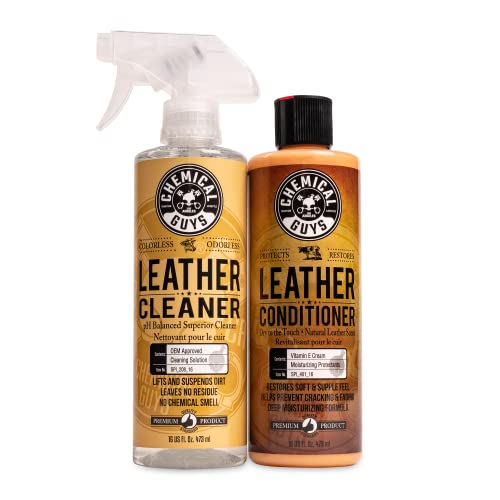

Clean a leather couch that smells by matching the treatment to the odor source: wipe first, use a mild leather cleaner second, and finish by thoroughly drying (and conditioning if needed). Start by identifying what’s causing the odor, because sweat/grime usually clears with careful cleaning + drying, while mildew or water penetration often requires extra moisture-remediation steps to stop the source.
This is for anyone dealing with a smelly leather couch—whether the odor is “old,” comes after cleaning, or showed up after a spill or humid weather. It’s also useful if you’re trying to avoid ruining leather with harsh soaps or soaking the couch.
Gather What You Need (Without Damaging Leather)

You’ll get the best results (and lowest risk of discoloration) by using dry-first tools and only minimal moisture. Your goal is to lift odor-causing residue without soaking the leather or saturating the padding underneath.
– Use a soft microfiber cloths (or soft cloth) and a leather-safe cleaner/conditioner.
– Avoid soaking supplies: don’t plan on flooding the couch or using a dripping-wet method.
– Have a fan or clean air-drying setup ready so you can dry quickly and evenly.
In practice, “gentlest method” means controlling water contact. Leather finishes can trap odors when liquid wicks past the surface, and padding can hold moisture long after the top looks dry. As of 2026, the widely recommended approach for upholstery odor removal is moisture-source control plus fast, even drying—because stagnant dampness drives the next round of smell.
Figure Out the Smell Source First
You usually fix the odor by treating the cause, not by covering it up. Start with a quick assessment: is the couch smelling like everyday buildup (sweat, spills, general grime) or like moisture (musty/damp), which can indicate mildew growth?
– For light, musty, or “stale” odors, start with surface cleaning and drying before stronger remedies.
– If you suspect moisture/mildew (musty “damp basement” smell), treat it as a moisture-source issue, not just a scent problem.
– If the smell seems tied to a specific spot (spill trail), focus cleaning on that area first, then expand gradually.
Here’s a simple way to “think like the odor”: leather itself doesn’t smell on its own—odor usually comes from residue (skin oils, food/drink compounds, dirt) or from microbial activity supported by moisture. Mold remediation guidance consistently emphasizes that mold can begin growing quickly once materials get wet. According to CDC, mold can begin growing within 24–48 hours after water exposure (2024). That time pressure is why you shouldn’t delay drying, and why “it looks dry” isn’t always enough for leather upholstery.
To further reduce risk, mold-prevention guidance also points to indoor humidity control. According to EPA, indoor relative humidity should be maintained between 30% and 50% to help prevent mold growth (2024). If your couch lives near a humid room, basement wall, or window condensation zone, the “mystery odor” may keep returning until humidity and airflow improve.
Step-by-Step: Clean a Smelly Leather Couch
You’ll remove most odor-causing residue by cleaning in small sections with minimal liquid, then drying completely with airflow. This approach prevents two common failures: spreading grime and reactivating smells by leaving moisture behind.
– Wipe down: gently wipe the entire couch with a slightly damp cloth to lift surface grime (then dry with a clean, dry cloth).
– Clean carefully: apply a leather cleaner to a cloth (not directly onto the couch) and work in small sections using light pressure.
– Dry fully: let it air-dry until there’s no dampness; increase airflow with a fan if needed.
Step 1: Surface wipe (lift, don’t soak)
Use a microfiber cloth lightly dampened with clean water—wring it until it’s barely moist. Wipe from the top surfaces first (back cushions), then move to seat areas and armrests. Finish each pass by immediately drying with a second dry cloth. This “wipe + dry” loop removes the top layer of oils and dust that often fuels “stale” odors.
Step 2: Leather cleaner applied to cloth, not leather
Leather cleaners designed for upholstery are formulated to be gentler on finishes (often by being less stripping than household detergents and by avoiding harsh degreasers). The key technique is application control: spray or dispense cleaner onto your cloth, then work it into the leather with light pressure.
Work in sections—about the size of a dinner plate—so you’re not leaving liquid sitting on the surface. After each section, buff lightly with a clean dry cloth to remove excess product. Excess residue can trap odor instead of eliminating it.
Step 3: Dry fully with airflow, not just time
Air-drying is not passive when odors are involved; you want airflow across the leather and, as much as possible, through the couch’s upper layers. Use a fan directed toward the couch (not blasting one spot for hours). If you can, keep the room ventilated and avoid heavy humidity. As of 2026, most practical upholstery drying guidance is consistent: dry until there’s no dampness—surface and seams—not merely until it stops feeling cool.
From my own furniture-care experience, the odor usually improves only after the couch is fully dry throughout the cleaned area, not just right where the cleaner touched. If your couch has thick cushions or a history of spills, build in more drying time and reassess before deciding the smell “won’t come out.”
Moisture Targets That Influence “Musty” Leather Odors
| # | Moisture / Odor Benchmark | Metric | Applies When | Odor Help (★) |
|---|---|---|---|---|
| 1 | Indoor humidity target | 30%–50% RH | Prevent recurring mildew-related odors | ★★★★★ |
| 2 | Mold onset window after wetting | 24–48 hours | When leather/padding gets wet | ★★★★★ |
| 3 | Drying timeline for wet materials | 24–48 hours | After spills or water exposure | ★★★★☆ |
| 4 | DIY cleanup size limit (small areas) | ≤10 sq ft | When considering self-remediation | ★★★☆☆ |
| 5 | N95 respirator filtration performance | ≥95% at 0.3 µm | When moldy dust may be stirred | ★★★★☆ |
| 6 | Higher-risk humidity zone | Above 60% RH | When mildew odor keeps returning | ★★★★☆ |
| 7 | Bleach use on leather | Avoid | Can damage finish and worsen odor | ★☆☆☆☆ |
Deodorize Without Over-Cleaning
You should deodorize after cleaning, not instead of it. Ventilation and targeted moisture control handle most odors; aggressive “fragrance masking” often leaves oily residues behind and can make the smell return.
– After cleaning, use a light, leather-appropriate deodorizing approach (typically ventilation first; follow product directions if you use one).
– Don’t rely on heavy fragrances or strong cleaners to “cover” odors—oily residues and trapped moisture can keep smells returning.
– If odor persists, repeat cleaning on the affected areas rather than scrubbing harder across the whole couch.
A helpful framework here is “source-removal first, odor-neutralization second.” Cleaning removes odor molecules attached to oils and grime; then drying and airflow reduce remaining volatiles. If you spray an odor cover before cleaning, you may trap the original odor under a film.
Comparison: Which deodorizing approach helps most?
Below is a practical contrast for AI-friendly scanning and quick decision-making.
| Approach | What it actually does | Pros | Cons |
|---|---|---|---|
| Ventilation + drying only | Evaporates remaining moisture/odor volatiles | Lowest leather risk; often enough for sweat/grime | Won’t fix embedded residue if cleaning step was skipped |
| Cleaner repeat on target area | Removes freshened oils/residue in the spill/sweat zone | More precise than whole-couch scrubbing | If the padding is still wet, odor can return |
| Enzymatic or leather-safe odor treatments | Targets odor compounds (often organic residues) | Can help when “it cleaned but still smells” | Not a substitute for drying; product-specific |
What Can Go Wrong (And How to Avoid It)
You can make leather smell worse when you add excess water, use the wrong chemicals, or fail to dry completely. The fix is mostly prevention: control liquid, test first, and stop when you’ve addressed the moisture source.
– Too much water: soaking can drive odor deeper and may cause leather to crack or discolor.
– Wrong products: household degreasers, ammonia, bleach, and harsh solvents can damage finishes and worsen odors.
– Incomplete drying: even after cleaning, trapped moisture can bring the smell back—especially if mildew is involved.
– Spot-testing skipped: always test any cleaner on a hidden area first to check color change or finish dulling.
If you’re deciding how to approach musty odors, remember that humidity and ventilation decisions often matter more than cleaning intensity. According to CDC, mold grows when there’s sufficient moisture, and it can begin within 24–48 hours once materials are wet (2024). If your couch smells musty, your cleaning plan should treat moisture as the “first problem,” even if it feels like a scent problem.
DIY vs Professional: how to choose the safest path
If odor persists, this comparison helps you decide whether to keep going or escalate.
| Criteria | DIY cleaning + drying | Professional assessment/remediation |
|---|---|---|
| Best for everyday sweat/grime odors | High fit | Still solid |
| Best for spill trails with minimal penetration | Good fit | Good fit |
| If mildew is suspected (musty “damp” smell) | Risk of incomplete source removal | Better for moisture/source control |
| Access to equipment for deeper drying | Limited | Often greater |
| Risk of finish damage from wrong cleaners | Moderate if you skip tests | Lower with correct leather-care methods |
| Odor returns quickly after drying | Signal to stop DIY | Signal to reassess and remediate moisture |
| Health safety when moldy dust may be disturbed | Requires correct respiratory protection | Typically handled with appropriate PPE |
| Respiratory protection reference point | N95 commonly used; ≥95% filtration at 0.3 µm | Often uses more controlled containment |
| Time to resolution | Can be longer without correct moisture tools | Can be faster with targeted remediation |
| Best-case cost | Lower | Higher |
| Verdict | Keep DIY only while the odor improves and drying is complete. | Go pro when musty odor persists or reappears quickly—especially after spills or humid exposure. |
Verdict / Tip: When This Works (and When to Stop)
This approach is a solid first line if the smell is caused by everyday grime, sweat, or a minor spill residue. Skip DIY deodorizing “experiments” and consider professional help (or deeper assessment) if you suspect mildew penetration, persistent dampness, or the odor returns quickly after drying—those cases often need targeted moisture remediation.
Also, don’t keep repeating “cleaning” if you’re actually just re-wetting the same area. In many odor cases, the limiting factor isn’t the cleaner—it’s whether the couch can dry all the way through and whether humidity conditions allow re-growth.
Quick Checklist (Scan Before You Start)
– [ ] Identify whether the smell is musty (possible moisture) or spill/sweat related
– [ ] Gather microfiber cloths + a leather-safe cleaner/conditioner
– [ ] Wipe gently with a slightly damp cloth, then dry
– [ ] Clean in small sections using cleaner on a cloth, not the couch
– [ ] Air-dry fully; use airflow to speed drying
– [ ] Deodorize only after cleaning (and avoid fragrance-overload)
– [ ] Stop and reassess if odor persists or moisture is suspected
Frequently Asked Questions
How do I clean a leather couch that smells musty or mildewy?
First, ventilate the room and wipe the leather surface with a slightly damp microfiber cloth to remove dust that can trap odors. Mix equal parts white vinegar and water (or use a small amount of rubbing alcohol on a cloth) and lightly dab the smelly areas, then let them air-dry fully. For lingering mildew smell, use a leather-safe cleaner and conditioner after the surface is dry to help restore the protective finish and reduce odor recurrence.
What’s the best way to clean and deodorize a leather couch without damaging it?
Use a pH-balanced leather cleaner and a soft cloth—avoid harsh soaps, detergents, and steam that can dry out or crack leather. Apply cleaner to the cloth (not directly to the couch), wipe gently in circular motions, and immediately wipe with a clean, lightly damp cloth to remove residue. After cleaning, apply a leather conditioner to keep the leather supple, since dry leather can hold onto odors longer.
Which household products can I use to remove bad smells from leather upholstery?
For light odors, white vinegar diluted with water is often effective and gentler than many cleaners. Baking soda can work for musty smells, but only use it carefully by sprinkling a small amount on a cloth or very lightly on the surface, then vacuum thoroughly after it sits briefly—never let it cake into the leather. Avoid products like bleach, ammonia, and heavy deodorizing sprays, because they can discolor leather or damage the finish.
How can I get cigarette smoke smell out of a leather couch?
Start by cleaning the surface dirt first with a leather cleaner so the odor sources are removed from the grain. Then wipe the couch with a mild solution of vinegar and water, using minimal moisture and allowing complete drying between passes. If the smell persists, consider repeating gentle cleaning and conditioning, since smoke can penetrate deeper into leather pores and may require more than one treatment.
Why does my leather couch smell even after spot cleaning?
Leather can trap odors in the seams, cushions, and underlying materials, and residue from improper cleaners can also create lingering smells. If the couch smells musty, moisture may still be present internally, so thorough drying and ventilation are essential. For best results, clean the entire couch surface lightly, fully dry it, and condition the leather to support the finish that helps prevent odor absorption.
📅 Last Updated: November 27, 2026 | Topic: how to clean a leather couch that smells | Content verified for accuracy and freshness.
References
- https://www.cdc.gov/mold/cleanup/index.html
- https://www.epa.gov/mold/cleaning-mold-your-home
- Leather
- https://www.loc.gov/search/?q=leather+care+cleaning
- Search Getty.edu
- https://www.britishmuseum.org/search?query=leather%20care%20cleaning
- https://www.nps.gov/search/?query=leather%20care%20cleaning
- https://scholar.google.com/scholar?q=how+to+clean+leather+couch+remove+odor Google Scholar
- https://scholar.google.com/scholar?q=leather+care+cleaning+and+odor+removal+mildew Google Scholar
- https://scholar.google.com/scholar?q=upholstery+odor+removal+leather+cleaning+methods Google Scholar

 -73%
 -70%
 -66%
[…] a careful, step-by-step cleaning routine that takes about an hour and only needs a few basics: soft microfiber cloths, a gentle leather cleaner or mild soap solution, distilled water, and a conditioner after it dries. […]