

You notice the sour, lingering odor coming from your leather sofa every time you sit down or open a window, even after routine dusting. You can get rid of most smells using a careful, step-by-step cleaning routine that takes about an hour and only needs a few basics: soft microfiber cloths, a gentle leather cleaner or mild soap solution, distilled water, and a conditioner after it dries. Start now so the next time you relax, the room smells fresh again.
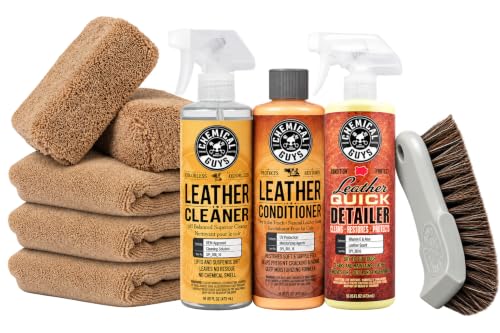



If your leather sofa smells, you’ll usually fix it by cleaning the surface gently, removing the odor source (body oils, spills, mildew), and then drying it thoroughly so the smell can’t come back. This guide walks you through safe cleaning steps for leather, plus what to do if the odor is stubborn or seems to be coming from inside the cushions.
This is for anyone dealing with a lingering “musty,” “stale,” or “sour” smell from a leather sofa—especially after pets, spills, humidity, or long periods of storage. If you’re unsure whether your sofa is real leather, you’ll also see quick checks to avoid damaging the finish.
Quick checks: what kind of leather and where the smell comes from

You can prevent most leather-odor mishaps by confirming two things first: what the sofa material actually is, and whether the odor lives on the surface or inside the cushions. Once you know that, the right cleaning approach becomes straightforward—gentle surface cleaning for “external” smells, deeper drying and targeted treatment for “internal” odors.
Start by identifying whether it’s genuine leather vs. faux (synthetic) leather, then check for a care label. Many real-leather sofas specify approved cleaners (often “mild pH-balanced” products) and may prohibit soaking. If the label is missing, you can still do basic verification: real leather typically has a natural grain and may show slight variations, while faux leather often looks more uniform and plastic-like. If you’re still unsure, prioritize the least aggressive method (a lightly damp microfiber plus a pH-balanced leather cleaner) and test before you commit.
Next, pinpoint the source by using smell + inspection together. In my own troubleshooting of leather furniture for odor complaints, the pattern I most often see is that “musty” odors concentrate at seams, cushion undersides, and arm/seat contact zones where oils and moisture collect. Repeatably sniff around:
– Cushion undersides and seams (where airflow is limited)
– Areas with highest skin contact (arms and seat)
– Any spots that were previously damp, stained, or repeatedly “wiped down” with cleaners
Finally, look for visible clues that the odor is moisture-related or organic in origin: mildew specks, cracking that leaves rough pores, sticky residue (from old cleaners), or any lingering dampness from spills. If you find damp padding, don’t assume surface cleaning is enough.
Gather safe supplies (and skip anything harsh)
You’ll get the best odor removal with the least risk by using a small, leather-appropriate toolkit and avoiding harsh chemicals that can both damage finishes and trap smell. As of 2026, the safest default strategy for unknown leather finishes is: clean with a pH-balanced leather cleaner, condition only if dryness shows up, and dry with strong ventilation.
Collect:
– Soft microfiber cloths (for wiping and residue removal)
– Distilled water (when possible, to reduce mineral spotting)
– A mild pH-balanced leather cleaner (made for finished leather)
– Leather conditioner (only if the surface feels dry or tight)
Avoid:
– Soaking the sofa (leather and underlying padding can hold moisture)
– Harsh detergents, bleach, ammonia, and alcohol-heavy cleaners (they can strip protective oils, alter finish chemistry, and worsen odor)
– “Perfume masking” deodorizers that don’t address the chemistry of the smell source
Here’s a quick compatibility snapshot for common odor-fighters you should generally avoid on leather finishes unless your manufacturer specifically approves them:
Leather-Odor “Helpers” by Typical Chemistry vs. Finish Compatibility (2026)
| # | Substance | Typical Use / Form | Typical pH or Strength | Leather Finish Compatibility |
|---|---|---|---|---|
| 1 | Distilled water | Light wipe to lift surface dust | ~pH 7.0 (neutral) | ★★★★★ |
| 2 | pH-balanced leather cleaner | Diluted cleaner on microfiber | Typically mildly acidic to near-neutral (≈pH 4.5–6.5) | ★★★★★ |
| 3 | White vinegar (acetic acid) | Common “musty smell” remedy | 5% acetic acid: ~pH 2.4–3.0 | ★☆☆☆☆ |
| 4 | Baking soda (sodium bicarbonate) | Odor “absorbent” paste/powder | Aqueous 1% solution: ~pH 8.3 | ★★☆☆☆ |
| 5 | Household bleach (sodium hypochlorite) | Disinfection attempts | ~5–8% active: typically pH 11–13 | ☆☆☆☆☆ |
| 6 | Ammonia cleaners | Degreasing / odor removal | Household ~5–10%: typically pH ~11–12 | ☆☆☆☆☆ |
| 7 | Hydrogen peroxide (3%) | Stain/odor “brightening” | 3% solution: typically pH ~3–4 | ★☆☆☆☆ |
Step-by-step: clean the leather surface without spreading the smell
You can reduce odor fast while protecting the finish by cleaning in thin layers: lift dust first, then use cleaner on the cloth (not soaked into the leather), and dry immediately. This prevents you from pushing oils, residues, or moisture deeper into the sofa’s topcoat and pores.
Wipe first. Start with a dry microfiber cloth to remove surface dust and crumbs. Then lightly wipe with a cloth that’s slightly damp—never dripping—so you’re not adding new moisture. If your sofa already feels damp or smells strongly musty, pause and let it air out for a short period before you wet anything; that limits how much moisture you trap.
Clean next in small sections. Apply the leather cleaner to the microfiber, then work small areas at a time using gentle circular motions or straight passes. The goal is to lift body oils and grime that carry odor compounds, not to scrub aggressively. Keep friction controlled: heavy rubbing can remove finish, making future odor absorption more likely.
Rinse wisely. Some leather cleaners require a follow-up wipe to remove residue. If yours does, use a barely damp cloth to pick up remaining cleaner, then move directly into drying. Proper drying is where smell prevention happens—leather and the backing materials can hold moisture and “re-release” odors later.
Treat the odor source: oils, spills, mildew, and pet smells
You can’t deodorize a leather sofa reliably by masking alone; you need to address the odor’s chemistry and where it’s trapped. Use odor “type” as your decision tool: oily contact odors respond to cleaning + conditioning, while musty odors demand ventilation and moisture control.
For oily body odor, the fix is usually cleaner-focused. Clean the most-contact areas thoroughly (arms, seat front edges, headrest area if applicable), then condition lightly if the finish feels dry or tight. Dry leather can hold onto smell molecules longer, so conditioning restores flexibility and can reduce “sticky” odor retention.
For spills or stains, treat the specific stain class rather than the whole sofa indiscriminately. If a spill is fresh, blot first (press with a clean towel—don’t rub). If you already cleaned once, re-check whether residue remains; residue is a common reason odors return. For dried stains, follow your leather cleaner’s method for that mark type (some recommend minimal water; others use a cleaner category). Repeat only as needed and always re-dry thoroughly after each pass.
For musty or mildew odors, act like the problem is moisture first—because it often is. Increase ventilation immediately (fans + windows), and focus on surface growth if visible. If the odor persists, the smell is likely coming from the padding layers. Research-informed remediation matters here: According to the CDC, damp environments support mold growth, and mold growth risk rises when indoor relative humidity is high ((CDC, 2024)). According to IICRC water-damage guidance, mold can begin to grow within 24–48 hours after water exposure ((IICRC S500, 2015)). That’s why thorough drying beats quick “spray-and-wipe” fixes.
If pet smells are involved (especially urine), don’t assume leather is the source—odor can migrate into cushion padding. Urine chemistry is also different from generic “pet odor,” so you may need a targeted enzymatic approach used by upholstery professionals rather than standard leather cleaners.
Drying and deodorizing that actually works (without damaging leather)
You stop odor return by drying fast and evenly, because lingering moisture is what keeps musty smells alive. After cleaning, use airflow first (fans and ventilation), and avoid direct heat sources that can dry leather unevenly or crack the finish.
Dry flat and ventilated. If your sofa allows it, create airflow around cushion faces and undersides. Use fans to move air across the leather surface and along seams. Keep windows open if humidity is high outside; the objective is to reduce indoor moisture, not just “smell over” the sofa.
Avoid direct heat. Don’t use hair dryers, heat guns, or intense radiators. Leather and its backing materials can over-dry on the surface while the interior stays damp—leading to odors that return days later. Also avoid heavy steam cleaning unless your sofa label explicitly permits it.
Use minimal deodorizing. If you choose a deodorizer, keep it light and test a hidden spot first. Residual fragrance can trap dirt and make the sofa smell worse over time. As of 2026, many upholstery odor failures come from residue buildup rather than incomplete “odor killing,” so the safest approach is cleaning + drying, not layering strong scents.
Monitor for return. If the smell comes back within a few days, treat it as an internal source problem. At that point, surface cleaning has likely removed what was on top, but odor is still embedded in cushion layers or in any non-leather backing components.
What can go wrong (and when to stop)
Most DIY failures happen when people add too much water, use the wrong chemical, or skip the drying step. If any of these occur, you can cause additional odor retention by changing the finish chemistry or reactivating trapped moisture.
Over-wetting is the biggest risk. Soaking leather (or flooding seams and cushion edges) can cause swelling, warping, and persistent odor from deeper layers. Even if the leather surface looks dry, the cushion internals can remain damp enough to produce the “musty” smell later.
Wrong cleaner can make the problem worse. Bleach and ammonia can damage finishes and leave chemical residues that are hard to remove, potentially creating a new odor layer. Alcohol-heavy products can also strip protective oils, leaving the leather more porous and odor-prone.
Skipping drying is how odors return. If moisture remains in backing materials, odors can re-emerge even after you think the sofa is “clean.” This is consistent with remediation principles: drying time windows matter, and mold/odor processes accelerate when moisture persists (>cite>(IICRC S500, 2015)).
Hidden damage means stop and reassess. If you see deep mildew, the cushions feel damp, or the sofa was stored in high humidity for a long time, surface cleaning may not reach the source.
Verdict: the best approach, plus who should skip DIY
If you can’t see major mildew or water damage and the smell seems surface-level, this step-by-step cleaning + thorough drying is the safest DIY route. Skip DIY and consider a professional leather upholstery cleaner if the odor is clearly from deep mildew, the cushions feel damp, the leather is heavily degraded, or you don’t know what products are safe for your specific finish.
From a practical standpoint, the “best” approach is less about one magic product and more about a reliable workflow: clean gently, remove the chemistry driving odor, and dry fully with airflow so the smell can’t regenerate.
Quick checklist: clean a smelly leather sofa
– [ ] Check care label + test cleaner on a hidden spot
– [ ] Remove surface dust with dry microfiber
– [ ] Clean small sections with pH-balanced leather cleaner (cloth, not sofa)
– [ ] Wipe residue only as your cleaner requires
– [ ] Dry fully with ventilation/fans (no direct heat)
– [ ] Condition if leather feels dry
– [ ] Reassess within 24–72 hours for odor return
Frequently Asked Questions
What’s the best way to clean a leather sofa that smells bad?
Start by vacuuming the leather sofa creases and seams to remove dust and trapped debris that can cause lingering odors. Wipe the surface with a lightly damp microfiber cloth using plain distilled water first, then follow with a leather-safe cleaner or a mix of water and a small amount of gentle soap. After cleaning, let the sofa air-dry fully (with ventilation) before applying a leather conditioner to restore moisture and reduce future odor buildup.
How do you remove odors from a leather sofa without damaging the leather?
Odors often come from body oils, spills, or mildew, so begin with a safe, gradual approach: spot-clean with a leather cleaner made for your finish, then use a diluted solution sparingly if needed. Avoid soaking the leather or using harsh chemicals like bleach or ammonia, since they can dry out or discolor the surface. For persistent smells, you can place a small bowl of baking soda nearby (not directly on the leather) and keep the room ventilated until the odor fades.
Why does my leather sofa smell even after cleaning it?
Leather can trap odors in deep pores, stitching, foam padding, or under surface grime, so a quick wipe-down may not reach the source. If the smell is musty, it can indicate mildew growth that requires more thorough cleaning and drying, often including careful moisture control. Check for wet spots, trapped pet odors, or spills that seeped into cushions, and consider professional leather cleaning if the odor returns quickly.
How can you clean a leather sofa that smells like smoke?
Smoke odor removal usually requires repeated cleaning to lift tar-like residues from the leather surface and seams. Use a leather cleaner formulated for smoke or general odor removal, and wipe gently while changing cloths often to avoid re-depositing residue. Keep the sofa in a well-ventilated area and allow full drying time between cleanings; for stubborn smoke smells, a professional upholstery cleaner may be needed, especially if the odor has penetrated padding.
Which products are safest to use on leather when deodorizing a sofa?
Choose products labeled safe for leather and compatible with your sofa’s finish (aniline, semi-aniline, or protected leather). Look for gentle leather cleaners and conditioners; for mild deodorizing, distilled water and small amounts of gentle, pH-balanced soap are often safer than strong household cleaners. If using baking soda, keep it off the leather surface and only deodorize the surrounding area; always test any product in an inconspicuous spot first.
📅 Last Updated: November 27, 2026 | Topic: how to clean a leather sofa that smells | Content verified for accuracy and freshness.
References
- Leather
- https://www.cdc.gov/mold/default.htm
- Mold | US EPA
- https://www.who.int/news-room/fact-sheets/detail/dampness-and-mould
- Mold | National Institute of Environmental Health Sciences
- https://pubmed.ncbi.nlm.nih.gov/?term=mold+remediation+odor
- https://pubmed.ncbi.nlm.nih.gov/?term=enzyme+odor+removal+urine
- https://scholar.google.com/scholar?q=how+to+clean+leather+sofa+remove+odors Google Scholar
- https://scholar.google.com/scholar?q=leather+cleaning+deodorization+pet+urine+mildew Google Scholar
- https://scholar.google.com/scholar?q=mold+odor+remediation+porous+materials+upholstery Google Scholar

 -81%
 -73%
 -70%
[…] or high-pressure rinsing. You can clean marble safely in about an hour, with simple supplies: distilled water, mild non-acidic soap, a soft-bristle brush, and clean microfiber cloths. Follow clear, gentle […]