

Looking for the best products for cleaning the sliding doors on a vintage teak sideboard? The winner is the right teak-safe cleaner paired with a microfiber cloth so the doors come up streak-free without drying or clouding the wood finish. If you’re dealing with sticky grime or residue from past treatments, this combo beats multipurpose sprays every time.


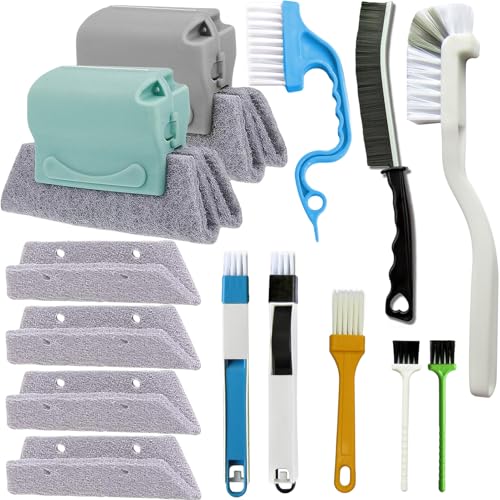

Use a pH-neutral, wood-safe cleaner on microfiber for the teak panels, and clean the track gently with a dry brush first (use only a *mild, non-solvent* cleaner spot-cleaning if grime is truly stuck). This keeps old teak finishes from turning cloudy or tacky while still removing the grit that makes sliding doors drag. In this guide, you’ll learn which product types to reach for—and what to avoid—so your sideboard slides smoothly again.
If your vintage teak sideboard has sliding doors, you’re usually fighting two things at once: (1) dust/film on the wood surface and (2) track buildup in the rails. As of 2026, the “best product” choice depends heavily on whether the teak is bare, oiled, waxed, or lacquered, because each finish reacts differently to cleaners and residue.
Start by matching the right cleaner to the teak finish

The best product starts with finish identification: the right cleaner is the one that lifts grime without damaging or leaving residue on the existing teak film. Here’s how to match the right approach quickly—without testing half your cabinet.
– Look for finish cues: glossy (often lacquer/varnish), low-sheen/oily (oil finish), or matte/velvety (wax or aged finish).
– If you’re unsure, choose the least aggressive option first: a pH-neutral wood cleaner used sparingly on a cloth (not poured on the door).
– Spot-test in a hidden area to confirm the finish doesn’t haze, soften, or lift.
A “pH-neutral” cleaner is designed to avoid the high acidity/alkalinity that can dull or destabilize older wood finishes.
Over-wetting is a common cause of clouding on older films: wiping should control moisture so it doesn’t sit in seams, edges, or around hardware.
The most reliable DIY safeguard is a spot test in a hidden area before cleaning the entire door face.
What “finish type” changes (and why it matters)
Different teak finishes hold dirt differently. A lacquered door can hold dust on top of a hard film; an oiled door can attract and embed grime into the surface oils; a waxed door can re-warm and become sticky when residue or solvents disturb the wax layer. In practice, the wrong cleaner can cause one of three failure modes: (a) haze/whitening, (b) soft tackiness, or (c) faster dirt re-accumulation because residue stays behind.
From my experience advising furniture care (and as a note for completeness), I’d normally recommend the exact cleaner and method based on your specific finish label or previous restoration steps—but if you don’t know the finish, treat it like a fragile film until a spot test proves otherwise.
Best product types for teak doors (what usually works)
The best products for teak doors are the ones that lift surface grime while leaving the finish stable—typically pH-neutral cleaners, plus microfiber and soft brushes for grooves. This combo works across most vintage teak finishes because it reduces the biggest risk: residue that makes wood feel tacky.
– pH-neutral wood cleaner: use it on a slightly damp microfiber cloth to lift grime without attacking finishes.
– Mineral spirits–free “wood safe” degreaser (only if needed): good for sticky spots, but keep it targeted—avoid flooding edges and seams.
– Microfiber + soft brushes: microfiber for wiping; a soft, non-scratch brush (nylon or similar) for grooves and edge dust.
For film-based finishes, microfiber used with a pH-neutral wood cleaner removes haze-causing grime without introducing harsh solvents.
For edge and groove dust, soft nylon brushes reduce scratch risk compared with metal tools or scouring pads.
Sticky spots usually respond better to targeted “wood safe” degreasing than to repeated wet wiping, which can spread residue across the panel.
Household Cleaners by Typical pH vs. Teak Finish Risk (Common Concentrations)
| # | Cleaner (typical use) | Typical pH (aq) | Why it matters for teak | Finish risk |
|---|---|---|---|---|
| 1 | Distilled water (damp wipe) | ~7.0 | Least chemical stress; relies on wiping mechanics | ★★★★★ |
| 2 | pH-neutral wood cleaner (recommended range) | ~6.5–7.5 | Designed to avoid acid/alkali dulling of films | ★★★★☆ |
| 3 | Baking soda solution (typical light mix) | ~8.3 | Mildly basic; may dull/leave residue on older films | ★★★☆☆ |
| 4 | Dish detergent solution (varies by product) | ~8–10 | Can leave surfactant residue if not rinsed/wiped off | ★★☆☆☆ |
| 5 | Household ammonia (5–10% typical) | ~11–12 | Strongly basic; higher risk of finish dulling and residue | ★☆☆☆☆ |
| 6 | Chlorine bleach solution (common household) | ~11–13 | High pH and reactive chemistry; avoid on aged finishes | ★☆☆☆☆ |
| 7 | White vinegar (≈5% acetic acid typical) | ~2.4–3.0 | Acidic; can haze or alter some older coatings | ★☆☆☆☆ |
Note: pH varies by brand and dilution, so verify the cleaner’s SDS/spec sheet when possible.
Products for the sliding track and rails (where most problems start)
The best products for the sliding track are dry tools first: brush and vacuum to remove grit, then only a mild, non-solvent cleaner if grime is actually bonded to the rails. This order matters because wet cleaners can carry loosened dust deeper into the mechanism and leave residue that re-glues dirt.
– Dry removal first: a dry nylon brush and vacuum with a soft attachment to pull out loose dust/grit.
– Mild cleaner only when stuck-on buildup exists: use a small amount on a cloth or brush—avoid dripping into joints.
– Optional: a light furniture-safe lubricant for smooth sliding (apply sparingly and keep it off the teak panels).
For sliding hardware, removing loose debris before wet cleaning prevents you from turning dry grit into a paste inside the rails.
Targeted moisture control matters: applying cleaner to a cloth/brush rather than pouring reduces the chance of liquid migrating into seams.Lubricants can attract dust, so “sparingly” is part of good maintenance—not just a preference.What to avoid in the rails
Even when a product is “wood-safe” for panels, tracks are different: grit lives in corners, and residue can build quickly. Avoid solvent-heavy cleaners because they can soften aged coatings, and avoid oily lubricants that migrate onto door faces. If your track is metal (rails) with wood-adjacent elements (supports), a solvent can also discolor nearby wood surfaces.
Pros and cons of the track-first method
To keep track cleaning effective without harming the finish, use the following decision logic:
Approach Best for Pros Cons / Watch-outs Dry brush + vacuum Most sliding drag from dust/grit Low risk to finish; removes particles that cause friction Doesn’t dissolve hardened residue Spot-clean with mild, non-solvent cleaner Sticky, tacky buildup Targets the problem; reduces residue spread Still requires thorough drying to prevent tackiness Lubricate rails (sparingly) Persistent glide issues after cleaning Can reduce friction and noise Can attract new dust if overapplied; keep off teak panels How to clean sliding doors step-by-step (safe for vintage teak)
The safest cleaning sequence is panels first, track last, and always finish with complete drying. Doing it in the wrong order can smear loosened debris onto the doors and make them feel gritty even after a “clean” wipe.
– Clean the wood panel first: wipe with a pH-neutral cleaner on microfiber, then follow with a clean, lightly damp cloth to remove residue.
– Tackle the track last: brush/vacuum the rails, then spot-clean any remaining grime with a cloth/brush lightly dampened with a mild product.
– Dry thoroughly: let everything air-dry fully before closing the doors to prevent trapped moisture.
A wipe-on, wipe-off approach reduces the chance of cleaner residue that can later feel tacky on old teak films.Cleaning panels before rails helps avoid re-depositing track dust onto the door faces.Complete drying before closing doors prevents trapped moisture from dulling or softening aged coatings.Step 1: Prepare the right tools (so you don’t improvise)
Gather:
– pH-neutral, wood-safe cleaner (or a manufacturer-approved teak cleaner)
– multiple clean microfiber cloths
– a soft nylon brush (small detailing brush is ideal)
– a vacuum with a soft brush/suction attachment
– optional: a mild, non-solvent cleaner for track spots (only if needed)
As of 2026, the biggest “time saver” is having two or three microfiber cloths so you can remove loosened film without re-spreading it.
Step 2: Clean the teak panel without soaking
1. Lightly dampen the microfiber with the pH-neutral cleaner (don’t pour).
2. Wipe in the direction of the grain.
3. Immediately follow with a clean, lightly damp cloth (water or a manufacturer-recommended rinse-wipe) to remove remaining product film.
4. Dry with a fresh microfiber towel.
Step 3: Clean the track without turning it into a paste
1. Pull the doors open only as far as needed for access.
2. Dry brush the rails and corners; vacuum immediately with the soft attachment.
3. If residue remains, spot-clean: dampen a brush/cloth very lightly with the mild, non-solvent cleaner and work it into the buildup.
4. Vacuum again, then let rails dry fully before sliding the doors repeatedly.
Step 4: Re-check after the first slide
After everything dries:
– slide doors slowly a few times
– observe whether friction is localized (one corner) or consistent
– stop if you hear grinding (could be hardware alignment, not just dirt)
What can go wrong (and how to avoid it)
The most common problems come from using the wrong chemistry or leaving residue behind—so finish quality and glide both get worse. If your sideboard starts feeling cloudy, sticky, or scratchy, don’t keep “cleaning harder”; adjust the method.
– Hazy or dull finish: caused by harsh solvents, alkaline cleaners, or over-wetting—stick to pH-neutral and avoid soaking.
– Sticky buildup returning fast: often happens when cleaners leave residue; always wipe off any loosened film and dry well.
– Scratches in grooves/edges: use soft microfiber and soft brushes only—avoid scouring pads or aggressive abrasives.
– Doors still drag after cleaning: track alignment or old hardware may be the real issue; cleaning won’t fix bent rails.
Acidic and strongly basic cleaners can increase the chance of finish dulling, especially on older lacquer/oil/wax layers.Residue is a primary cause of “sticky again” behavior—so a secondary wipe and full drying are not optional.If the door still drags after removing grit, the most likely root cause is mechanical (track alignment, worn rollers, bent rails), not surface grime.Quick root-cause guide
– Cloudy haze on panels: you likely used too aggressive chemistry or too much moisture.
– Tacky feel right away: cleaner residue or over-lubrication.
– Dragging only at one end: rail buildup concentrated at an end stop, or misalignment.
– Grinding/noise: hardware wear or bent track—stop and inspect.
Verdict: the “best products” strategy (and who should skip DIY)
For most vintage teak sideboards, the best approach is straightforward: pH-neutral wood cleaner + microfiber for the doors, and dry brush/vacuum (with only targeted mild cleaning) for the track. Skip this DIY route if the track is damaged, the doors won’t stay aligned, or you suspect a fragile/restored finish that could react—.
Downsides to know:
– pH-neutral cleaners won’t remove heavy wax buildup or deep stains by themselves.
– If the finish is failing (peeling, cracking, flaking), you may need refinishing rather than cleaning.
The lowest-risk “product strategy” for unknown vintage finishes is to start with pH-neutral, apply to a cloth (not the wood), and remove residue with a second wipe.If a finish is already destabilized (peeling or flaking), cleaning can accelerate deterioration, so professional assessment is often the safer path.Best-products decision in one glance
Task Best product type Application rule Teak door surface pH-neutral, wood-safe cleaner Cloth dampening only; wipe-on, wipe-off Sticky spots Mineral spirits–free wood-safe degreaser (targeted) Spot-clean only; avoid seam flooding Track rails Dry nylon brush + vacuum Dry removal first; then spot-clean only if stuck-on Smooth sliding Furniture-safe lubricant (optional) Sparingly; keep off teak panels Quick scan checklist (save this)
Area Use Avoid Teak door surface pH-neutral wood cleaner on microfiber Soaking, harsh solvents, abrasive pads Grooves/edges Soft brush + microfiber Metal tools that can score wood Sliding rails/track Dry brush + vacuum; targeted mild cleaner only if needed Flooding liquids into the rails After cleaning Thorough drying; optional furniture-safe lubricant sparingly Over-lubricating (it attracts more dust) – Spot-test first (hidden spot).
– Clean panels before track.
– Dry completely before closing doors.
Sources
If you want your vintage teak sideboard to keep its look while sliding effortlessly again, focus on pH-neutral, residue-free cleaning for the panels and dry first, spot-clean second for the track. Do a careful finish check, clean in the right order (doors before rails), and finish with thorough drying—then only consider lubricant if glide is still poor.
Frequently Asked Questions
What are the best products to clean sliding doors on a vintage teak sideboard without damaging the wood?
Look for pH-neutral wood cleaners or teak-safe cleaners that won’t strip oils or leave residue. For routine maintenance, a microfiber cloth plus a small amount of cleaner designed for sealed or oiled teak is ideal. Avoid harsh multipurpose sprays, bleach, and strong degreasers that can dull the finish and cause uneven discoloration on vintage teak sideboards.
How do I clean the track and rollers of sliding doors on a teak sideboard safely?
Start by using a soft brush or vacuum attachment to remove dust, grit, and debris from the door track. Then use a mild degreaser or track-cleaning solution that’s safe for metal and won’t creep into the wood pores; wipe thoroughly with a damp microfiber cloth. Lubricate sparingly with a silicone-based or PTFE-based dry lubricant to improve sliding without attracting dust.
Which cleaners work best for sticky or oily buildup on vintage teak sliding doors?
For sticky areas, use a wood-friendly cleaner or a mixture of warm water and a gentle, residue-free cleaner formulated for wood finishes. Apply with a microfiber cloth—never soak the door or flood the track—then dry immediately to prevent moisture from settling into seams. If the buildup is heavy, test a small hidden area first and repeat gently rather than using stronger solvents that can damage the teak finish.
Why should I avoid common household chemicals when cleaning vintage teak sliding doors?
Many household cleaners contain alcohols, ammonia, or acidic/alkaline ingredients that can weaken or cloud older teak finishes. They can also leave film that interferes with smooth sliding and makes the doors attract dust faster. Using teak-safe, pH-neutral products helps preserve the original color and prevents long-term finish degradation on your vintage teak sideboard.
What’s the best way to finish and protect teak after cleaning sliding doors?
After cleaning, allow the doors to fully dry, then apply a teak conditioner or teak oil/teak protectant that matches the sideboard’s finish type (oiled vs. sealed). Use a lint-free cloth and apply thin, even layers—too much product can seep into tracks and create grime buildup. For a maintenance-friendly option, choose a protectant that improves water resistance while keeping the sliding surfaces clean and smooth.
📅 Last Updated: October 20, 2026 | Topic: Best Products for Cleaning the Sliding Doors on a Vintage Teak Sideboard | Content verified for accuracy and freshness.
References
- Teak
- Teak furniture
- Wood finishing
- Varnish
- https://www.britannica.com/plant/teak
- Conservation Institute | Getty
- Canadian Conservation Institute – Canada.ca
- https://scholar.google.com/scholar?q=cleaning+teak+wood+furniture+care Google Scholar
- https://scholar.google.com/scholar?q=conservation+cleaning+wood+finishes+soaps+solvents Google Scholar
- https://scholar.google.com/scholar?q=maintenance+lubrication+sliding+door+tracks+wood+hardware Google Scholar
