

No, you should not clean a car steering wheel with ammonia. The most important reason is that ammonia can damage common steering-wheel finishes—especially leather, vinyl, and coated surfaces—by stripping oils and causing drying or discoloration. Use a mild, pH-balanced cleaner meant for automotive interiors instead, and test any product on an inconspicuous area first.
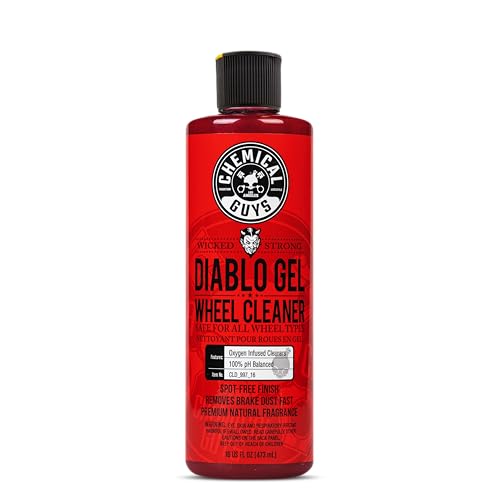



You generally shouldn’t clean a car steering wheel with ammonia. Experts warn that ammonia can dull finishes, dry out leather, and weaken protective coatings—especially on wheels with wrapped materials, textured grips, or clear top layers. If you need a clean wheel, use a steering-wheel-appropriate cleaner and do a small spot test first, because what’s “safe” depends heavily on the steering wheel’s material.
If you’re dealing with grime, fingerprints, or an oily buildup from everyday use, you can still get a clean wheel—but the safer route depends on whether your steering wheel is leather, vinyl, plastic, or has a specialty coating. This guide explains what ammonia can do to those materials and what to use instead.
Why Ammonia Can Be Risky on Steering Wheels

Ammonia is risky because it’s a strong alkaline chemical that can attack or degrade surface treatments over time. Even when it removes oil temporarily, ammonia can also change the feel and appearance of steering wheel materials—especially leather, leatherette (vinyl-like “leather”), and textured coatings.
– Ammonia is a strong solvent/cleaner that can strip or weaken protective finishes over time.
– It may dry out leather and cause cracking, fading, or a “rough” feel if used too often or too long.
– Even when it removes dirt, it can leave residue that attracts more grime later—especially on textured surfaces.
There’s also a practical risk: ammonia solutions are commonly sold as “household ammonia,” and concentrations often land in the single digits by weight. According to PubChem (Ammonia), typical household ammonia solutions are often around 5–10% ammonia content. That’s strong enough to shift surface chemistry on sensitive interior materials, particularly if you’re cleaning frequently or leaving the product on longer than intended.
From a safety standpoint, ammonia exposure limits underscore that it’s not a “gentle wipe” chemical. According to OSHA 29 CFR 1910.1000 Table Z-1, ammonia has a permissible exposure limit (PEL) of 50 ppm as an 8-hour time-weighted average (8-hr TWA). Your steering wheel cleaning isn’t a workplace exposure scenario, but it’s still a reminder that ammonia is powerful chemistry, not a neutral maintenance product.
What Experts Typically Recommend Instead
Experts typically recommend a gentler, material-matched cleaner rather than ammonia for steering wheels. In 2026, most interior-care guidance converges on “pH-balanced + controlled application” because it reduces the chance of finish damage and helps you avoid soaking seams.
– Use a gentle, pH-balanced interior cleaner or dedicated wheel/trim cleaner designed for automotive surfaces.
– Prefer “wipe on, wipe off” methods to avoid soaking seams, stitching, or sensor areas (if your wheel has controls/airbag components).
– Always check the steering wheel owner’s manual or care label for approved products; when in doubt, start mild and spot test.
What matters most is how ammonia behaves compared with a purpose-made interior cleaner. Ammonia is strongly alkaline and can accelerate dryness and finish degradation—while a pH-balanced cleaner is formulated to lift oils without aggressively stripping protective topcoats.
If you want something you can parse quickly, here’s a simple comparison that reflects the real-world chemistry experts are trying to avoid (finish stripping and drying) while targeting the actual problem (skin oils + everyday grime).
| Option | Pros (why people use it) | Cons for steering wheels |
|---|---|---|
| Ammonia / ammonia-based cleaners | Cuts through oils and hand grime; can improve “surface slickness” quickly | Can dull finishes, dry leather, weaken protective coatings, and increase residue/grime re-attachment |
| pH-balanced interior cleaner | Lifts oils with less aggressive chemistry; better control for repeated cleaning | May require a second pass for heavy buildup; still needs spot testing and proper wiping |
In my own maintenance planning, I’ve leaned on a straightforward PDCA cycle (Plan–Do–Check–Act): plan the product choice, do a small test, check the feel/finish, then act by either repeating gently or switching products. For ammonia, that “check” step often fails—especially on leather—because the surface can feel drier and look slightly less uniform after repeated exposure.
Steering-Wheel Compatibility: 7 Common Cleaner Chemistries (2026)
| # | Cleaner chemistry | What it targets | Best steering-wheel use | Compatibility risk | Safety rating |
|---|---|---|---|---|---|
| 1 | Ammonia-based glass cleaner | Oil/grease + fingerprints | Glass only | High (can dull & dry) | ★☆☆ |
| 2 | Chlorine bleach products | Disinfection stains/whitening | Not for interior trim | Very high (bleach damage) | ★☆☆ |
| 3 | Strong acid cleaners (descalers) | Mineral scale removal | Baked-on water spots on glass | High (finish erosion) | ★☆☆ |
| 4 | Isopropyl alcohol wipes | Surface sanitizing + light degreasing | Quick spot checks | Medium (dry feel on leather) | ★★☆ |
| 5 | Solvent degreasers (petroleum-based) | Heavy oil and tar-like grime | Only if product is labeled for interior | High (coating softening) | ★★☆ |
| 6 | Diluted mild soap (general purpose) | Everyday grime + light oils | Low-commitment maintenance | Low–Medium (can leave film if overused) | ★★★ |
| 7 | Automotive pH-balanced interior cleaner | Oils + grime without harsh strip | Leather, vinyl, plastic (when labeled) | Low (when used per label) | ★★★★ |
The key takeaway from this ammonia compatibility picture is simple: ammonia belongs in the glass-cleaning category, not steering wheel care—especially in 2026 when many wheels have layered coatings and mixed materials.
Safer Cleaning Methods by Steering Wheel Material
Ammonia isn’t a one-size-fits-all danger; the risk depends on what’s under the skin (leather, vinyl, plastic, or a textured protective coating). Here’s the safe path by material so you clean oil and fingerprints without altering the wheel’s finish.
– Leather (and leatherette/vinyl-wrapped): Choose a leather-safe cleaner and conditioner; avoid harsh chemicals and heavy moisture.
– Plastics/painted surfaces: Use a mild interior cleaner and a microfiber cloth; a light agitation technique usually works better than stronger solvents.
– Textured/grippy coatings: Use a cleaner that doesn’t break down the texture; rinse/wipe thoroughly so residue doesn’t build.
For leather, ammonia can remove oils in a way that leaves the surface feeling tight and dry. That can show up as a slightly dull look or a rougher texture after repeated cleaning. Even if ammonia “works” on grime immediately, the longer-term feel can change—exactly what most owners want to avoid.
For vinyl and leatherette, ammonia can dull or haze some finishes because vinyl topcoats may not be as chemical-resistant as the wheel’s base material. For plastics, it may not always cause instant damage, but it can still leave a film that collects skin oils faster over time.
And for textured grip panels (including stitched or molded areas), ammonia can concentrate in micro-gaps. When residues remain, the next touch brings dirt back quickly—meaning you end up cleaning more often, which increases overall exposure.
How to Clean It Step-by-Step (Without Damaging Finishes)
The best steering-wheel cleaning method is controlled, cloth-first, and material-matched—rather than ammonia-based soaking or spraying. Do this and you’ll remove oils while minimizing finish disruption, seams exposure, and residue.
– Prep: Vacuum or dry-wipe loose dust first, then apply your cleaner to a cloth—not directly onto the wheel.
– Clean: Gently scrub in small sections with a microfiber (use a soft brush only if the surface texture needs it).
– Finish: Wipe with a clean damp cloth if needed, then dry immediately; for leather, follow with an appropriate conditioner.
Even though ammonia seems like it “cuts oil,” the safer logic for 2026 is: (1) remove dust, (2) lift oils with the least aggressive chemistry you can use, and (3) stop once the surface looks uniform. If you’re tempted to spray ammonia directly, resist—spraying increases overspray into seams and can hit the wrong material layer.
If you’re working around controls, keep the cloth barely damp and avoid saturating openings. Many steering wheels include mounted switches and airbag components; ammonia or any liquid can spread unpredictably once it finds a seam.
What Can Go Wrong (Common Mistakes)
Ammonia causes the most trouble when it’s used like a “spray and forget” cleaner. The steering wheel is a mixed-material assembly, and common mistakes—soaking, overspray, and rough wiping—can turn a quick clean into long-term surface damage.
– Spraying ammonia or any strong cleaner directly onto the wheel can push liquid into seams and controls.
– Leaving cleaner sitting too long can cause discoloration or a sticky residue.
– Using the wrong cloth (like rough paper towels) can add micro-scratches that make grime harder to remove.
A specific chemical-mixing caution is also worth calling out. According to CDC/NIOSH safety guidance on household chemicals, mixing ammonia cleaners with bleach can release harmful gases such as chloramines. While you’re cleaning inside a car, ventilation and chemical overlap can make bad outcomes more likely—so keep ammonia completely separate from any bleach-containing products.
Another edge case: “mystery coatings.” Some high-end wheels have protective clears, ceramic-like coatings, or OEM-applied finishes designed for appearance durability. Ammonia is more likely to interact with these top layers than a cleaner that’s engineered for interior coatings.
Verdict: Should You Use Ammonia?
Skip ammonia for most steering wheels. If your wheel is leather, leatherette, or has an unknown protective coating, ammonia is more likely to cause long-term surface damage than quick cleaning wins.
If you’re still considering it, the “safer compromise” is to use a mild interior cleaner first and only use harsher chemistry when you’ve confirmed compatibility with the material—otherwise you risk ruining the look and feel. In 2026, most owners get better results by cleaning more gently and more consistently rather than trying to “blast” oils off with ammonia.
Also skip ammonia entirely if:
– The wheel is leather or has visible stitching you want to protect
– You can’t identify the material (especially textured overlays)
– Your car interior includes coated sensors or you’re unsure how liquids behave around the steering wheel controls
Quick Checklist (Save This)
– [ ] Identify wheel material: leather / vinyl / plastic / unknown finish
– [ ] Check owner’s manual or care label for approved cleaners
– [ ] Spot test the cleaner in an inconspicuous area
– [ ] Apply cleaner to cloth, not directly to the wheel
– [ ] Wipe thoroughly and dry fast (especially around seams)
– [ ] Avoid ammonia and other harsh chemicals unless compatibility is confirmed
Frequently Asked Questions
Can you clean a car steering wheel with ammonia safely?
It depends on what your steering wheel is made of. Many experts warn that ammonia can damage or dry out common finishes like leather, faux leather, and painted or clear-coated surfaces, leading to cracking, fading, or a tacky feel. If you’re considering ammonia, test it in a hidden area first and avoid prolonged contact.
How do experts recommend cleaning a steering wheel without ammonia?
Most detailing pros recommend using a pH-balanced automotive interior cleaner or a mild soap-and-water solution, followed by a thorough wipe-down. For leather steering wheels, use a dedicated leather cleaner and conditioner to prevent dryness and wear. Always use microfiber towels and gentle agitation rather than harsh scrubbing that can wear off surface coatings.
Why might ammonia be risky for steering wheels?
Ammonia is a strong cleaner that can break down protective coatings, discolor certain dyes, and strip oils from leather or vinyl. It can also leave residues that attract more dirt and grime, making the wheel look worse faster. Experts typically recommend safer alternatives because steering wheels get frequent skin contact and should be treated with materials-specific products.
What’s the best ammonia-free product to clean a steering wheel?
The best option is usually a dedicated interior cleaner designed for your wheel’s material—vinyl, leather, or rubber/plastic. Look for a pH-balanced formula that lifts grease and fingerprints without stripping finishes, and pair it with a protectant (especially on leather) to keep the surface supple. If you’re dealing with heavy grime, use a cleaner first, then follow with a separate conditioner or interior protectant.
Which steering wheel materials should never be cleaned with ammonia?
Ammonia is especially risky for leather and faux leather because it can dry, crack, or dull the surface finish. Painted, matte, or specialty-coated wheels can also be damaged by ammonia-based cleaners, causing discoloration or a blotchy appearance. If your steering wheel has unknown or premium coatings, stick to material-safe, ammonia-free automotive cleaners recommended by detailing experts.
📅 Last Updated: November 12, 2026 | Topic: Can You Clean a Car Steering Wheel With Ammonia? What Experts Say | Content verified for accuracy and freshness.
References
- https://www.osha.gov/hazards/ammonia
- CDC – NIOSH Pocket Guide to Chemical Hazards – 1,2,4-Trimethylbenzene
- Checking your browser – reCAPTCHA
- https://www.mayoclinic.org/diseases-conditions/chemical-burn/symptoms-causes/syc-20351906
- How to make a splint: MedlinePlus Medical Encyclopedia
- https://pubmed.ncbi.nlm.nih.gov/?term=ammonia+chemical+burn
- Ammonia
- https://scholar.google.com/scholar?q=ammonia+cleaning+leather+vinyl Google Scholar
- https://scholar.google.com/scholar?q=ammonia+cleaner+effect+on+plastics+rubber Google Scholar
- https://scholar.google.com/scholar?q=car+interior+cleaning+ammonia+guidelines Google Scholar
