

You can clean an action camera with vinegar, but only when you’re dealing with light smudges on the exterior—not when you need to protect lens coatings or remove grime from seams and ports. Experts say diluted vinegar is a safe option for glass and the outer body if applied lightly with a microfiber cloth, followed by a clean-water wipe and thorough drying. Use plain distilled water or a manufacturer-approved lens cleaner for anything beyond fingerprints, especially on action-camera lenses and waterproof housings.



Don’t clean an action camera with vinegar. Vinegar is acidic, and it can dull or damage lens coatings, corrode metal parts, and degrade seals—especially around housings and ports. Instead, experts generally point people to distilled water, gentle cleaning methods, and only manufacturer-approved cleaners for sensitive surfaces.
If your camera is from saltwater, mud, dust, sweat, or a sticky spill, this guide helps you choose safer cleaning steps—especially if you want to avoid haze on the lens, loosened housing seals, or corrosion near doors/ports.
Vinegar vs. action camera materials

Vinegar doesn’t just “cut grime”—its acidity can react with common action-camera materials, and that’s why most manufacturers and service guidance discourages it. For 2026 use, the safe default is treating every lens coating and every seal area as chemically sensitive, not as “just glass and plastic.”
Household white vinegar is typically around 4–8% acetic acid, which puts it in a strongly acidic pH range (~2–3).
Distilled water is not “sterile cleaner,” but it’s chemically neutral compared with acids and doesn’t introduce ions that can accelerate corrosion.
Anti-reflective (AR) lens coatings are engineered thin-film layers; strong acids can haze or permanently alter how they scatter light.
Vinegar’s acidity can be risky for anti-reflective lens coatings and plastic lens elements, potentially leaving permanent haze. Action cameras commonly use multi-layer optical coatings to improve contrast and reduce flare; even mild chemical exposure can change surface wetting and light transmission, which shows up as dullness, “milky” patches, or persistent glare—problems that wiping alone can’t fully reverse.
Vinegar may also affect rubber gaskets, adhesives, and metal components over time—particularly if residue gets trapped in seams. That matters most around waterproof housings where seams, screw channels, and port grommets sit close to elastomer seals. Even if a vinegar-wipe feels clean at first, any remaining residue can keep acting during later drying cycles, when concentrated minerals and acids re-contact the seal edges.
Even when vinegar “works” for grime, experts usually prefer non-acid options because the downside is greater than the upside for camera hardware. From a materials-engineering perspective, the risk isn’t just immediate damage; it’s cumulative degradation—softening, swelling, or surface roughening—that can reduce long-term water resistance and optical performance for an action camera.
Quick comparison you can trust
Experts generally treat lens care and seal care as separate problems. Lens haze is an optics problem; seal reliability is a chemistry-and-mechanics problem.
| Action camera area | Why vinegar is risky | Safer expert default |
|---|---|---|
| Lens (coatings + optics) | Acid exposure can haze thin-film coatings and plastic optics | Microfiber + distilled water or lens-safe solution approved by the maker |
| Housing seals (gaskets, O-rings) | Acids can degrade elastomers; residue can get trapped at edges | Clean with damp cloth (distilled water) and keep seals dry before reassembly |
| Ports + metal openings | Corrosion risk increases when ions or acidic residue remain near metal parts | Rinse with fresh water if contaminated, then air-dry fully |
What experts recommend instead of vinegar
Experts generally point action camera owners to neutral or maker-approved cleaners, plus careful mechanical steps (gentle wipe, controlled moisture, full drying). The goal is to remove salt, dust, sweat, or sticky residue without chemically stressing coatings, seals, or port hardware.
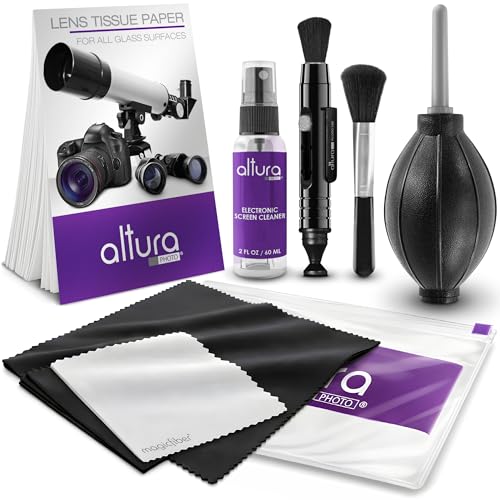
For optics, lens-safe cleaning typically uses a microfiber cloth and, if needed, distilled water or an approved lens cleaner.
For housings, manufacturers usually recommend wiping with a damp cloth and avoiding cleaners that can leave residues near seals.
If compatibility with a chemical isn’t explicitly documented by the camera brand, experts advise skipping it and using gentler methods.
For the lens: use a microfiber cloth and, when needed, a small amount of distilled water or lens-safe cleaner recommended by the camera maker. Microfiber matters because it reduces the chance of micro-scratches from abrasive grit. If saltwater is involved, experts often recommend rinsing first (to remove crystals) and wiping second (to lift remaining film).
For the housing/body: use a damp cloth (distilled water if you’re in hard-water areas) and mild soap only if your manual allows it. Hard water can leave mineral spots that look like “haze” on matte plastics or around transparent windows in a housing. If your action camera manual doesn’t mention soap, treat that as a clear “no” for household cleaners.
For stubborn spots: follow the manufacturer’s guidance for approved cleaners; if you can’t confirm compatibility, skip it and use gentler steps first. Sticky spills are the tricky category for any action camera—especially around buttons, seams, and port covers. In practice, the safest approach is controlled dampening, light wipe pressure, and repeated re-checks rather than soaking or scrubbing.
Cleaner risk at a glance (vinegar vs alternatives)
Below is a practical chemistry lens for action camera care: acidity (or residue) is what drives many of the failures—optical haze, seal degradation, and corrosion around openings.
Typical Acidity Levels of Common Cleaners Used Around Action Camera Surfaces
| # | Cleaner type | Typical acetic/citric acid % | Approx. pH (at room temp) | Safety score for coatings (0–10) |
|---|---|---|---|---|
| 1 | White vinegar (distilled, typical) | 4–8% acetic acid | ~2.4–3.0 | 2/10 |
| 2 | Diluted vinegar (1:10 water) | ~0.4–0.8% acetic acid | ~3.4–4.0 | 4/10 |
| 3 | Lemon juice (typical) | ~4–6% citric acid | ~2.0–2.5 | 1/10 |
| 4 | Distilled water | 0% acid | ~5.6 | 8/10 |
| 5 | Deionized water | 0% acid | ~5.6 | 8/10 |
| 6 | Mild neutral detergent (solution) | ~0% added acid (varies by product) | ~7.0–8.5 | 6/10 |
| 7 | Lens-safe cleaner (pH-neutral) | Typically acid-free | ~6.0–8.0 | 9/10 |
(Note: exact pH values can shift with concentration and temperature; the key takeaway for an action camera is that acetic/citric acids are far more chemically aggressive than water or pH-neutral cleaners.)
How to clean your action camera safely (step-by-step)
Cleaning an action camera safely is mostly about order: rinse first (if contamination is present), wipe gently, then fully dry before re-sealing. Follow these steps in 2026 and you’ll reduce the odds of lens haze and prevent moisture from compromising seals.
If sand or salt residue is present on an action camera, rinsing before wiping reduces the chance of scratching optical surfaces.
Waterproof housings rely on gaskets and contact surfaces; moisture trapped under seals can cause fogging and reduce water resistance.
Air-drying fully before reassembly is a standard manufacturer care practice for action cameras used in wet or outdoor conditions.
– Power down and remove accessories: turn the camera off, detach mounts, and if applicable, remove the camera from its waterproof housing before cleaning.
Action camera ports and seams are easier to inspect when the device is out of the housing, and you can avoid wetting connectors unintentionally.
– Rinse and wipe gently: for sand/mud, lightly rinse with clean water, then wipe with a microfiber cloth—avoid aggressive rubbing around seams.
If you’re dealing with saltwater, fresh water rinsing helps dissolve salts that can otherwise leave corrosive crystals near metal contact points on an action camera.
– Dry correctly: let everything air-dry fully before reassembling or closing doors/ports; don’t trap moisture under seals.
This is where many “almost cleaned” action cameras fail—fog appears the next session because residual moisture remains in the housing cavity, not because the lens was dirty.
If your mess is saltwater, mud, sweat, or a sticky spill
– Saltwater: Rinse thoroughly with fresh water, then wipe visible drops away with a microfiber cloth. Don’t rely on vinegar to “neutralize” salt—it introduces more chemical exposure to an action camera’s coatings and seals.
– Mud/dust: Remove grit first (gentle rinse or wipe with a dry microfiber), then do the damp wipe. Grinding grit across the lens is a fast path to micro-scratches on an action camera.
– Sweat/sunscreen residue: Use a damp cloth with distilled water, then lightly wipe again with a clean microfiber. If residue is oily or tacky, stop and consult the manual for approved cleaners—oils can be harder to remove without leaving films.
– Sticky spills: Avoid soaking. Use a barely damp microfiber and repeat slowly. If the sticky compound has softened plastics or adhesives, aggressive cleaning can make it worse.
What can go wrong (common mistakes + edge cases)
Vinegar isn’t the only problem—scrubbing with grit, skipping drying, or using any unapproved chemical can still damage an action camera. If you want fewer surprises in 2026, focus on preventing scratches, residue buildup, and corrosion at ports.
Scratching happens when grit remains on the lens and is wiped aggressively; a rinse-first approach lowers the scratch risk.
Unapproved acidic cleaners can cause optical haze and may accelerate corrosion around metal openings on action camera housings.
Fogging inside a waterproof housing is often caused by trapped moisture during reassembly—not by a “bad lens.”
– Swiping the lens while grit is present can scratch the surface—especially if you try to “spot clean” before rinsing.
Action camera lenses see fine particles after beach trips and trails; wiping first turns particles into abrasives.
– Using vinegar (or any unapproved acidic/solvent cleaner) can cause permanent optical haze or corrosion around ports and screw points.
The danger increases when vinegar pools in grooves: you can’t see it, but it can sit next to threads, port frames, and seal lips.
– Skipping full drying can lead to fogging inside the housing the next time you use it (or it can damage seals).
Even if the camera looks dry externally, the housing interior can retain humidity. A proper air-dry prevents that.
Pros/cons: vinegar “cleaners” vs. neutral methods
Vinegar approach (commonly suggested online):
– Pros: May dissolve some mineral film quickly on non-sensitive surfaces
– Cons: Higher risk to lens coatings, seals, and metal near openings on an action camera
Neutral approach (expert-consistent):
– Pros: Lower chemical risk; rinsing + microfiber controls abrasion and residue
– Cons: Takes more patience for sticky/oily messes; you may need maker-approved products
Verdict: should you use vinegar anyway?
Verdict: no—unless your specific camera manual explicitly says vinegar is safe (most don’t). For an action camera, the downside is more severe than the “cleaning boost,” because coatings and seals are precision components.
Most action camera care guidance emphasizes microfiber wiping and approved cleaners, not household acids like vinegar, for lens and seal longevity.
When a cleaning chemical isn’t documented as compatible, experts recommend skipping it to protect coatings and gasket materials.
– Downsides of using vinegar: higher risk to lens coatings, seals, adhesives, and any metal parts near openings.
– Skip this approach if: your camera has a removable lens cover, a complex housing, or you can’t access the manual/specs to verify compatibility.
If you’re tempted because the goal is “remove haze,” understand a key reality: once coating damage happens, wiping harder usually makes it worse. For an action camera, preventing chemical exposure is far more effective than trying to reverse it.
Quick scan checklist (save this)
– [ ] Check your camera/housing manual for approved cleaners first
– [ ] Rinse off sand/mud before wiping
– [ ] Use microfiber + distilled water (or maker-approved lens cleaner)
– [ ] Avoid acidic cleaners like vinegar on lens and seals
– [ ] Air-dry fully before reassembling
Sources
– GoPro Camera Care / maintenance guidance (manufacturer support page and/or product manual sections on cleaning and housing care) — for recommended lens cleaning approach and cautions on chemical cleaners.
– DJI Care / cleaning instructions (manufacturer documentation in product manuals and support pages) — for guidance on cleaning optics and protecting waterproofing components.
– Insta360 care and maintenance documentation (manufacturer support pages and manuals for lens cleaning, housing care, and seal handling) — for the recommended use of gentle cleaning and fully drying before reassembly.
Don’t let vinegar be the “shortcut” you regret. For an action camera in 2026, the safest professional-consistent approach is simple: rinse contamination first when needed, clean with microfiber and distilled water (or a maker-approved lens cleaner), avoid acidic household chemicals around lenses and seals, and air-dry fully before you close ports or reassemble the housing.
Frequently Asked Questions
Can you clean an action camera with vinegar without damaging the lens?
Using vinegar on an action camera can be risky, especially on the lens coating and seals. Vinegar is acidic, and some camera optics have anti-reflective coatings that may degrade if exposed too long. Experts generally recommend using lens-specific solutions or distilled water with gentle, proper techniques instead of vinegar.
How can you clean an action camera lens safely if vinegar isn’t recommended?
Start by blowing off dust with a blower or using a microfiber cloth that’s clean and lint-free. If needed, lightly dampen a microfiber with lens cleaner or distilled water and wipe gently in straight motions. For experts, the safest routine is minimal liquid contact, careful pressure, and avoiding the vinegar solution entirely near lens coatings, ports, and seams.
Why do some people recommend vinegar for camera cleaning, and is it effective for smudges?
Vinegar is sometimes suggested because it can cut through oily residue and remove water spots, so it may seem useful for action camera lens smears. However, camera cleaning experts caution that the acidity can leave residue, affect coatings, or contribute to longer-term damage, especially in marine or outdoor gear. For better results, use products designed for optics or a 50/50 distilled water approach only if the manufacturer allows it.
What’s the best way to remove saltwater and sweat from an action camera body and mounts?
For saltwater and sweat, experts usually advise rinsing with clean, lukewarm fresh water to dissolve salt, then drying thoroughly with a microfiber cloth. If your action camera is waterproof and the doors are properly sealed, gentle rinsing is often safer than using household acids like vinegar. After drying, clean buttons and crevices with a dry brush and let the camera air out fully before closing ports again.
Which cleaning products do experts recommend instead of vinegar for action camera maintenance?
Many experts recommend lens cleaning fluid made for camera optics, along with a high-quality microfiber cloth and a blower for debris. For stubborn grime on the housing (not the lens), a damp microfiber with distilled water is typically safer than vinegar. Always check the manufacturer’s cleaning instructions first, since materials like plastic, rubber seals, and anti-fog coatings can vary across action camera models.
📅 Last Updated: October 29, 2026 | Topic: Can You Clean an Action Camera With Vinegar? What Experts Say | Content verified for accuracy and freshness.
References
- How to clean your Apple products – Apple Support
- Checking your browser – reCAPTCHA
- https://www.cdc.gov/coronavirus/2019-ncov/prevent-getting-sick/cleaning-disinfection.html
- acetic acid corrosion – Search Results – PubMed
- vinegar disinfection effectiveness – Search Results – PubMed
- Vinegar
- https://www.sciencedirect.com/search?qs=acetic+acid+corrosion
- https://scholar.google.com/scholar?q=vinegar+clean+electronics+manufacturer+recommendations Google Scholar
- https://scholar.google.com/scholar?q=acetic+acid+corrosion+electronics+metals Google Scholar
- https://scholar.google.com/scholar?q=camera+cleaning+guidelines+acid+solvents Google Scholar
